 EN
EN

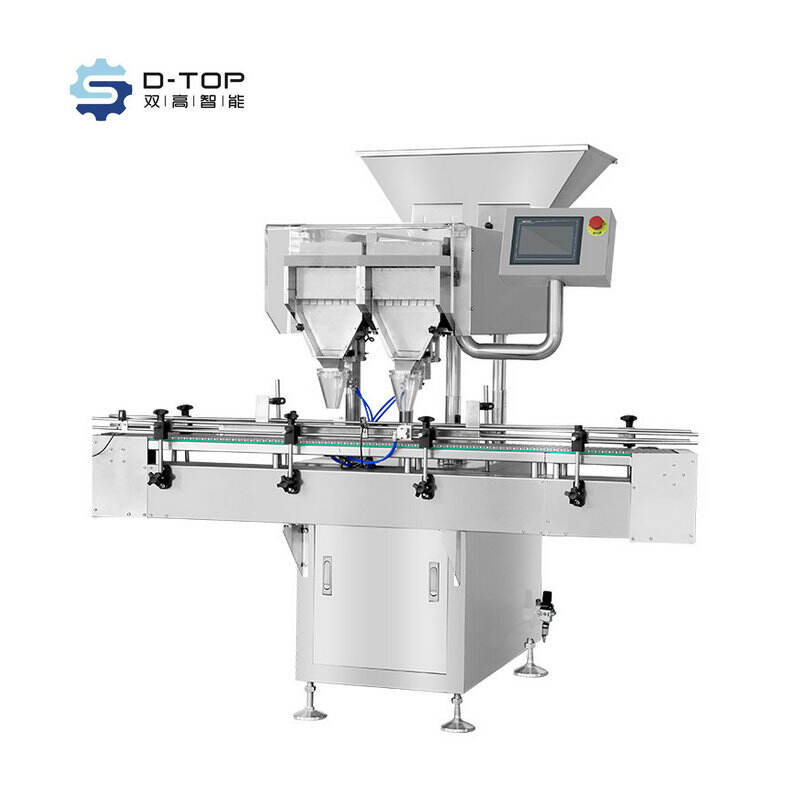
Pharmaceutical and nutraceutical manufacturing operations face a critical decision when choosing between automated and manual counting methods for capsule processing. The choice between a capsule counting machine and manual counting significantly impacts production efficiency, accuracy, and operational costs. Modern manufacturing facilities increasingly rely on automated solutions to meet growing demand while maintaining precision standards. Understanding the fundamental differences between these approaches helps businesses make informed decisions about their counting infrastructure. The selection process involves evaluating factors such as production volume, accuracy requirements, labor costs, and long-term scalability needs.
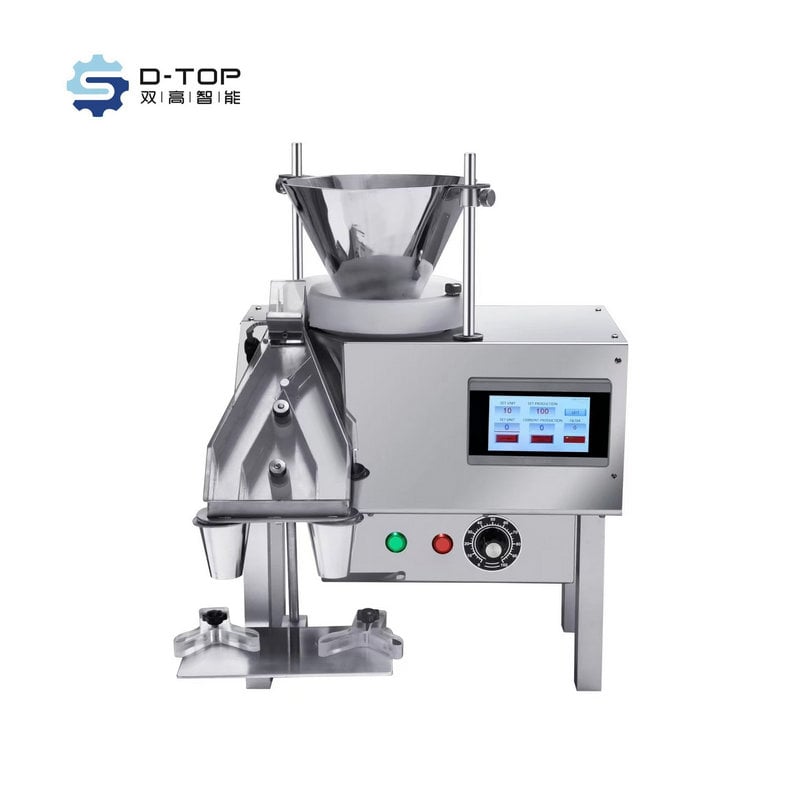
Speed and Efficiency Comparison
Automated Processing Capabilities
A capsule counting machine delivers exceptional processing speeds that far exceed manual counting capabilities. These automated systems can count thousands of capsules per minute, depending on the specific model and configuration. Advanced machines incorporate high-speed sensors and precision feeding mechanisms to maintain consistent throughput rates. The continuous operation capability allows manufacturers to process large batches without interruption, significantly reducing production time. Modern systems include programmable settings that optimize counting speed based on capsule size, shape, and material properties.
Production facilities utilizing automated counting equipment report substantial improvements in overall manufacturing efficiency. The elimination of counting bottlenecks enables smoother workflow management and better resource allocation. High-volume operations particularly benefit from the sustained processing rates that automated systems provide. Integration with existing production lines becomes seamless when proper planning and equipment selection occur during implementation phases.
Manual Counting Limitations
Manual counting processes inherently involve slower processing speeds due to human limitations and the need for concentration maintenance. Operators typically count several hundred capsules per hour, depending on experience level and working conditions. The requirement for frequent breaks and shift changes further reduces overall processing capacity. Quality control measures during manual counting often require double-checking procedures, which additional time to the process. Environmental factors such as lighting, temperature, and workspace ergonomics significantly impact manual counting efficiency.
Batch processing in manual operations requires careful planning to avoid fatigue-related errors and maintain productivity standards. The scalability challenges become apparent when production demands increase beyond the capacity of available labor resources. Training requirements for new operators add complexity to workforce management and can impact short-term production schedules. Manual methods may be suitable for small-scale operations but become impractical for high-volume manufacturing requirements.
Accuracy and Precision Standards
Technological Accuracy Advantages
Modern capsule counting machine technology incorporates sophisticated sensors and detection systems that achieve remarkable accuracy levels. These systems utilize optical sensors, weight-based verification, and advanced algorithms to ensure precise counting results. The elimination of human error factors significantly improves overall counting reliability and reduces product waste. Calibration procedures ensure consistent performance across different capsule types and production runs. Real-time monitoring capabilities allow immediate detection and correction of any counting discrepancies.
Statistical process control features integrated into automated systems provide detailed accuracy reporting and trend analysis. The consistent performance characteristics of mechanical counting systems eliminate variability associated with human factors. Advanced models include reject mechanisms that automatically remove miscounted or damaged capsules from the production stream. Quality assurance protocols become more robust when supported by documented counting accuracy data from automated systems.
Human Error Factors
Manual counting processes are susceptible to various human error factors that can impact accuracy and product quality. Fatigue, distraction, and concentration lapses contribute to counting mistakes that may not be immediately detected. Visual counting errors increase with extended work periods and challenging lighting conditions. The subjective nature of manual inspection can lead to inconsistencies in quality assessment and rejection criteria. Training variations among operators create additional sources of counting discrepancies.
Environmental stress factors such as noise, temperature fluctuations, and workspace congestion affect manual counting performance. The cumulative impact of small counting errors can result in significant product loss or customer complaints. Documentation and traceability become more challenging when relying on manual recording systems. Quality control measures require additional verification steps to compensate for inherent human variability in counting processes.
Cost Analysis and Investment Considerations
Initial Capital Investment
The acquisition cost of a capsule counting machine represents a significant upfront investment that varies based on features, capacity, and automation level. Entry-level semi-automatic models provide cost-effective solutions for small to medium-scale operations. Fully automated systems with advanced features require higher initial capital but deliver superior long-term value through increased efficiency. Financing options and leasing programs help organizations manage the initial investment burden while accessing advanced counting technology.
Installation and setup costs include equipment integration, operator training, and facility modifications as needed. Maintenance contracts and spare parts availability factor into the total cost of ownership calculations. Return on investment analysis should consider productivity gains, labor savings, and quality improvements achieved through automation. The payback period typically ranges from six months to two years, depending on production volume and operational efficiency gains.
Operational Cost Comparison
Manual counting operations involve ongoing labor costs that increase proportionally with production volume and wage inflation. Employee benefits, training expenses, and turnover costs add to the total operational expenditure. The need for multiple operators during peak production periods multiplies labor-related expenses. Quality control measures requiring additional verification steps increase the effective labor cost per unit processed.
Automated systems incur lower per-unit processing costs as production volume increases, creating economies of scale. Energy consumption, maintenance, and periodic calibration represent the primary ongoing operational expenses. The predictable nature of automated system costs facilitates better budget planning and cost control measures. Long-term operational savings often justify the initial investment when production volumes reach sustainable levels.
Maintenance and Reliability Requirements
Automated System Maintenance
A well-maintained capsule counting machine requires regular preventive maintenance to ensure optimal performance and longevity. Scheduled cleaning procedures remove dust, debris, and capsule residue that can affect counting accuracy. Calibration protocols verify sensor performance and maintain precision standards across different production runs. Component replacement schedules help prevent unexpected failures and minimize production disruptions.
Technical support requirements include access to qualified service personnel and replacement parts inventory management. Maintenance documentation and service records provide valuable data for optimizing equipment performance and predicting future service needs. Remote monitoring capabilities in advanced systems enable proactive maintenance scheduling and troubleshooting support. Operator training on basic maintenance procedures reduces dependency on external service providers for routine tasks.
Manual Process Reliability
Manual counting processes exhibit variable reliability depending on operator experience, training quality, and working conditions. Human factors such as health, motivation, and stress levels directly impact counting consistency and accuracy. The absence of mechanical components eliminates certain types of equipment failures but introduces different reliability challenges. Backup operator availability becomes critical for maintaining production continuity during absences or peak demand periods.
Quality control measures in manual operations require robust supervision and verification procedures to maintain reliability standards. Documentation systems must compensate for the inherent variability in human performance and decision-making. Training program effectiveness directly correlates with operational reliability and product quality outcomes. The development of standard operating procedures helps minimize variability and improve overall process reliability.
Integration and Scalability Factors
Production Line Integration
Modern capsule counting machines offer excellent integration capabilities with existing production equipment and manufacturing execution systems. Communication protocols enable real-time data exchange between counting equipment and production management software. Automated feeding and discharge systems create seamless material flow throughout the production process. The standardized interfaces facilitate future equipment upgrades and system expansions as production requirements evolve.
Integration planning should consider material handling systems, quality control checkpoints, and data management requirements. The compatibility with different capsule types and sizes ensures flexibility for diverse product portfolios. Modular design features allow incremental capacity increases without complete system replacement. Connection to enterprise resource planning systems enables comprehensive production tracking and inventory management.
Scalability and Growth Management
Automated counting systems provide superior scalability options for growing manufacturing operations compared to manual processes. Additional counting stations or upgraded equipment models can accommodate increased production demands without proportional increases in labor requirements. The consistent performance characteristics of automated systems maintain quality standards regardless of production volume fluctuations. Standardized operating procedures simplify training and reduce the complexity of scaling operations.
Manual counting scalability depends entirely on labor availability and management capability to coordinate multiple operators effectively. The linear relationship between production volume and labor requirements creates cost pressures as operations expand. Quality control becomes increasingly challenging with larger manual operations due to coordination and supervision complexities. Long-term growth planning favors automated solutions for sustainable and cost-effective expansion strategies.
FAQ
What is the typical accuracy rate of automated capsule counting machines compared to manual counting?
Automated capsule counting machines typically achieve accuracy rates of 99.5% to 99.9%, significantly higher than manual counting which averages 95% to 98% accuracy depending on operator experience and working conditions. The precision sensors and advanced algorithms in automated systems eliminate most human error factors, while manual processes remain susceptible to fatigue, distraction, and visual counting mistakes. Quality control measures and calibration procedures ensure consistent accuracy performance in automated systems throughout production runs.
How long does it take to recover the investment cost of an automated counting system?
The return on investment for an automated capsule counting machine typically occurs within 6 to 24 months, depending on production volume, labor costs, and operational efficiency gains. High-volume operations often see payback periods closer to 6-12 months due to significant labor savings and increased throughput. Factors influencing ROI include reduced labor costs, improved accuracy reducing waste, increased production capacity, and lower per-unit processing costs. The calculation should include both direct cost savings and productivity improvements achieved through automation.
Can automated counting machines handle different capsule sizes and types effectively?
Modern automated counting systems are designed with adjustable settings and interchangeable components to accommodate various capsule sizes, shapes, and materials. Most machines can handle standard capsule sizes from 00 to 5, including both hard gelatin and soft gel capsules. Quick changeover procedures allow operators to switch between different capsule types with minimal downtime. Advanced models include automatic size detection and adjustment features that optimize counting parameters for each specific capsule type without manual intervention.
What are the main maintenance requirements for automated capsule counting equipment?
Automated capsule counting machines require regular preventive maintenance including daily cleaning of sensors and counting chambers, weekly calibration checks, and monthly comprehensive inspections of mechanical components. Scheduled maintenance typically involves lubrication of moving parts, replacement of wear components, and software updates as recommended by manufacturers. Most systems include self-diagnostic features that alert operators to potential issues before they cause production problems. Professional service intervals range from quarterly to annually depending on usage intensity and environmental conditions.
Table of Contents
- Speed and Efficiency Comparison
- Accuracy and Precision Standards
- Cost Analysis and Investment Considerations
- Maintenance and Reliability Requirements
- Integration and Scalability Factors
-
FAQ
- What is the typical accuracy rate of automated capsule counting machines compared to manual counting?
- How long does it take to recover the investment cost of an automated counting system?
- Can automated counting machines handle different capsule sizes and types effectively?
- What are the main maintenance requirements for automated capsule counting equipment?