 EN
EN

The Evolution of Modern Pharmaceutical Manufacturing Technology
The pharmaceutical manufacturing landscape has undergone remarkable transformation in recent decades. As scientific understanding deepens and technology advances, pharmaceutical machinery plays an increasingly vital role in ensuring consistent drug quality and safety. Modern manufacturing facilities rely on sophisticated equipment that combines precision engineering with cutting-edge automation to produce medicines that meet strict regulatory standards.
Today's pharmaceutical machinery represents the culmination of years of innovation and refinement. From tablet presses to fluid bed processors, each piece of equipment contributes to a complex manufacturing ecosystem that demands the highest levels of accuracy and reliability. The integration of advanced technologies has revolutionized how medications are produced, leading to unprecedented levels of quality control and production efficiency.
Critical Components of Pharmaceutical Production Systems
Core Processing Equipment
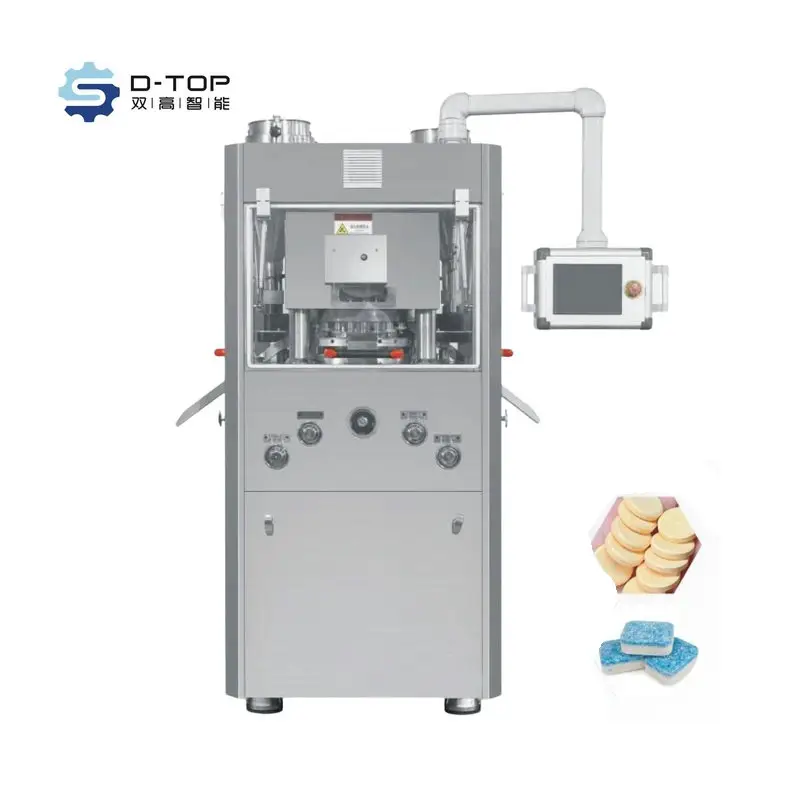
At the heart of pharmaceutical production lies an array of specialized machinery designed for specific manufacturing processes. Mixing equipment ensures uniform distribution of active ingredients, while granulation machines create the perfect particle size for tablet formation. High-precision tablet presses transform powder blends into perfectly weighted dosage forms, operating at speeds that can produce thousands of units per hour while maintaining strict quality parameters.
Modern pharmaceutical machinery incorporates advanced features like automated weight checking, metal detection, and real-time process monitoring. These technological innovations help maintain consistent product quality while reducing the risk of contamination or processing errors. The integration of such sophisticated systems represents a significant advancement from traditional manufacturing methods.
Quality Control Integration
Quality control systems are now seamlessly integrated into pharmaceutical machinery, enabling continuous monitoring throughout the production process. In-line sensors and testing equipment provide immediate feedback on critical quality attributes, allowing for real-time adjustments to maintain product specifications. This integration of quality control features within the manufacturing equipment itself has revolutionized the industry's approach to quality assurance.
Advanced imaging systems and spectroscopic analyzers built into modern pharmaceutical machinery can detect subtle variations in color, shape, and chemical composition. These capabilities ensure that any deviations from established parameters are identified and addressed immediately, maintaining the highest standards of product quality and consistency.
Technology Advancements Driving Quality Improvements
Automation and Industry 4.0
The implementation of Industry 4.0 principles in pharmaceutical machinery has transformed manufacturing operations. Smart sensors, machine learning algorithms, and interconnected systems work together to optimize production processes automatically. This level of automation reduces human error while increasing productivity and maintaining consistent quality standards across production batches.
Modern pharmaceutical machinery now includes sophisticated control systems that can predict maintenance needs, adjust processing parameters in real-time, and maintain detailed electronic records of all operations. These capabilities not only enhance product quality but also simplify compliance with regulatory requirements and improve overall operational efficiency.
Digital Twin Technology
Digital twin technology represents a significant advancement in pharmaceutical manufacturing. By creating virtual replicas of physical equipment and processes, manufacturers can simulate and optimize production parameters before implementing changes in the actual manufacturing environment. This capability allows for precise refinement of processes without risking product quality or costly production interruptions.
The integration of digital twin technology with pharmaceutical machinery enables predictive maintenance, process optimization, and enhanced quality control. Manufacturers can identify potential issues before they affect product quality and implement improvements with greater confidence and precision.
Impact on Product Quality and Consistency
Enhanced Precision and Accuracy
Modern pharmaceutical machinery achieves levels of precision that were previously impossible with older equipment. Advanced servo motors and control systems maintain exact specifications for critical parameters such as temperature, pressure, and mixing speeds. This precision ensures consistent product quality across multiple production runs and reduces variation between batches.
The implementation of automated systems in pharmaceutical machinery has significantly reduced the potential for human error in manufacturing processes. Precise control over critical parameters ensures that each batch meets exact specifications, leading to more reliable and consistent product quality.
Data-Driven Quality Assurance
Contemporary pharmaceutical machinery generates vast amounts of process data that can be analyzed to improve product quality. Advanced analytics tools integrated into manufacturing systems provide insights into process variables that affect product characteristics. This data-driven approach enables manufacturers to identify and address quality issues proactively, rather than reactively.
The ability to collect and analyze comprehensive production data has revolutionized quality assurance in pharmaceutical manufacturing. Machine learning algorithms can detect subtle patterns and trends that might indicate potential quality issues, allowing for preventive actions before problems occur.
Frequently Asked Questions
How does upgrading pharmaceutical machinery affect regulatory compliance?
Modern pharmaceutical machinery is designed with regulatory compliance in mind, featuring built-in documentation systems, audit trails, and quality control measures that help manufacturers meet GMP requirements more effectively. Upgraded equipment often includes automated compliance features that simplify regulatory reporting and reduce the risk of non-compliance.
What ROI can companies expect from pharmaceutical machinery upgrades?
While the initial investment in new pharmaceutical machinery can be substantial, companies typically see returns through improved efficiency, reduced waste, lower maintenance costs, and enhanced product quality. The exact ROI varies by implementation but often includes both direct cost savings and indirect benefits such as improved market competitiveness.
How long does it take to implement new pharmaceutical machinery?
Implementation timelines for new pharmaceutical machinery vary depending on the complexity of the equipment and the extent of the upgrade. A typical installation might take several months, including validation, testing, and staff training. However, proper planning and execution can minimize production disruptions and ensure a smooth transition.