 EN
EN

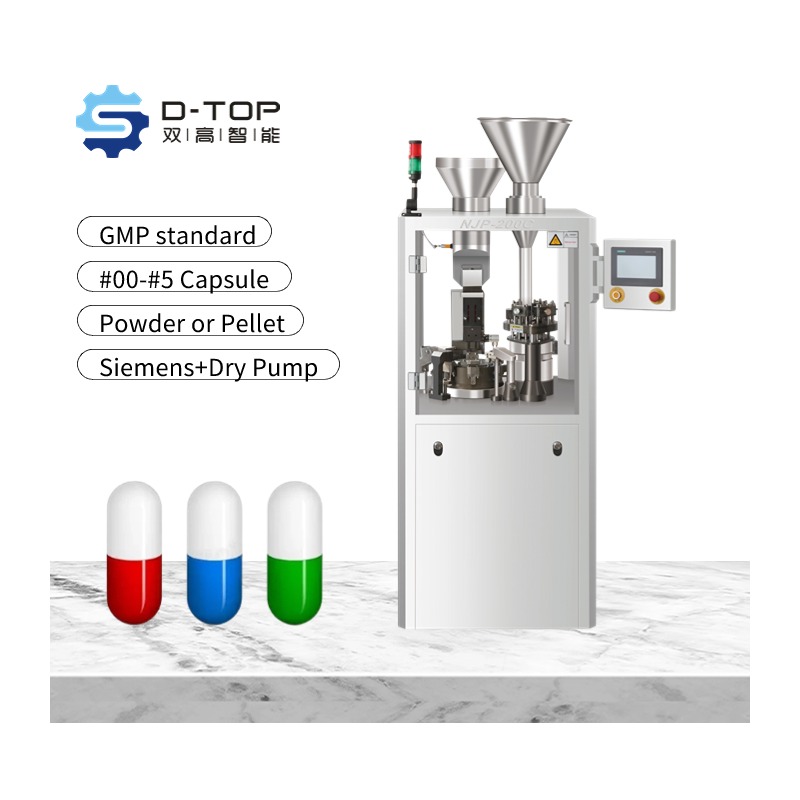
Essential Guide to Pharmaceutical Equipment Selection
The pharmaceutical manufacturing landscape continues to evolve rapidly, making the selection of appropriate pharmaceutical machinery more crucial than ever. Modern facilities require state-of-the-art equipment that not only meets current production demands but also anticipates future industry developments. This comprehensive guide will walk you through the vital aspects of choosing the right pharmaceutical machinery for your facility, ensuring optimal performance, compliance, and return on investment.
Critical Factors in Pharmaceutical Equipment Selection
Production Capacity and Scalability
When investing in pharmaceutical machinery, one must carefully evaluate both current production requirements and future growth projections. The selected equipment should not only handle your immediate production volumes but also accommodate potential increases in demand. Modern pharmaceutical machinery often comes with modular designs that allow for capacity expansion without requiring complete system replacement.
Consider machinery that offers flexibility in batch sizes and can efficiently manage different product types. This adaptability becomes particularly valuable when dealing with varying market demands or introducing new product lines. The ideal pharmaceutical machinery should demonstrate excellent scalability while maintaining consistent product quality across different production volumes.
Regulatory Compliance and Quality Standards
The pharmaceutical industry operates under strict regulatory frameworks, making compliance a non-negotiable factor in equipment selection. Your chosen pharmaceutical machinery must meet current Good Manufacturing Practice (cGMP) requirements and other relevant industry standards. This includes features like clean-in-place (CIP) systems, automated documentation, and material traceability.
Equipment validation capabilities are equally important, as your machinery must consistently demonstrate its ability to produce products meeting predetermined specifications. Look for pharmaceutical machinery that comes with comprehensive validation documentation and supports thorough quality management systems.
Technical Specifications and Integration Capabilities
Automation and Control Systems
Modern pharmaceutical machinery should incorporate advanced automation features that enhance production efficiency and reduce human error. Look for equipment with intuitive human-machine interfaces (HMI) and robust control systems that enable precise parameter management. The best pharmaceutical machinery offers real-time monitoring capabilities and data analytics integration for continuous process optimization.
Integration with existing systems is crucial for seamless operation. Your selected equipment should easily connect with your facility's manufacturing execution system (MES) and enterprise resource planning (ERP) software. This connectivity ensures efficient data flow and enables comprehensive production monitoring.
Material Handling and Processing Requirements
Different pharmaceutical products require specific processing conditions and material handling capabilities. Your pharmaceutical machinery should be compatible with the physical and chemical properties of your raw materials and finished products. Consider factors like temperature sensitivity, particle size distribution, and moisture content when evaluating equipment specifications.
The material contact parts of the machinery should be constructed from appropriate grade materials, typically 316L stainless steel or other FDA-approved materials. Ensure the equipment design minimizes product contamination risks and facilitates easy cleaning and maintenance.
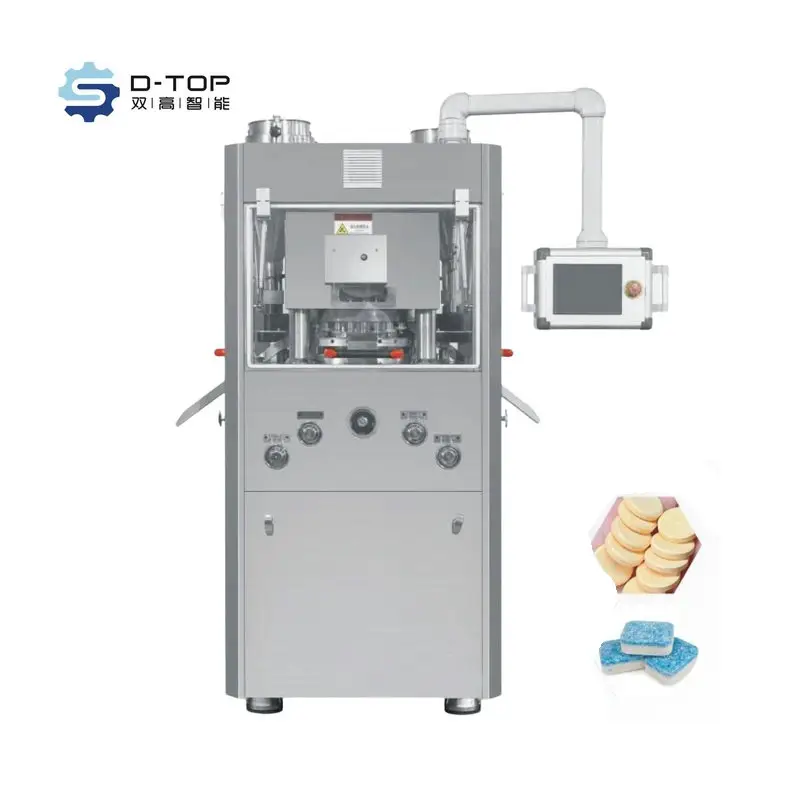
Operational Efficiency and Cost Considerations
Energy Efficiency and Sustainability
Modern pharmaceutical machinery should incorporate energy-efficient features that reduce operational costs while supporting environmental sustainability goals. Look for equipment with smart power management systems, heat recovery capabilities, and optimal resource utilization. These features not only lower utility costs but also align with increasing industry focus on sustainable manufacturing practices.
Consider the total energy consumption profile of the equipment and its impact on your facility's carbon footprint. Many manufacturers now offer pharmaceutical machinery with energy monitoring systems that help track and optimize power usage throughout the production cycle.
Maintenance Requirements and Support Services
The long-term success of your pharmaceutical machinery investment depends significantly on maintenance requirements and available support services. Select equipment that offers predictive maintenance capabilities and easy access to critical components. The manufacturer should provide comprehensive training programs and readily available technical support.
Evaluate the availability of spare parts and the manufacturer's service network in your region. The best pharmaceutical machinery suppliers offer preventive maintenance contracts and rapid response times for emergency services, minimizing potential production disruptions.
Vendor Evaluation and Selection Process
Track Record and Industry Experience
Choose pharmaceutical machinery manufacturers with proven industry experience and a strong track record of successful installations. Research their reputation for quality, reliability, and after-sales support. Consider visiting reference sites or speaking with existing customers to gather firsthand feedback about equipment performance and vendor support.
Look for vendors who demonstrate deep understanding of pharmaceutical manufacturing processes and regulatory requirements. Their expertise should extend beyond equipment specifications to include process optimization and compliance support.
Financial Stability and Long-term Partnership
The financial stability of your equipment supplier is crucial for ensuring long-term support and continuous improvement. Evaluate the vendor's market position, research and development investments, and commitment to innovation. A strong supplier partnership can provide valuable insights for future facility upgrades and process optimizations.
Consider the total cost of ownership, including installation, validation, training, and ongoing maintenance when comparing different pharmaceutical machinery options. The lowest initial price may not always represent the best long-term value for your facility.
Frequently Asked Questions
What are the key maintenance considerations for pharmaceutical machinery?
Regular maintenance of pharmaceutical machinery involves several critical aspects, including calibration schedules, cleaning protocols, and component replacement intervals. Establish a comprehensive maintenance program that includes daily inspections, preventive maintenance schedules, and documentation systems. Work with your equipment supplier to develop maintenance protocols that optimize equipment performance while ensuring compliance with regulatory requirements.
How can I ensure my selected pharmaceutical machinery meets future regulatory requirements?
Choose equipment from manufacturers who actively participate in industry standards development and demonstrate commitment to regulatory compliance. Look for pharmaceutical machinery with flexible control systems that can be updated to accommodate new requirements. Regular communication with regulatory authorities and industry associations can help anticipate future compliance needs.
What role does automation play in modern pharmaceutical machinery?
Automation in pharmaceutical machinery enhances production efficiency, reduces human error, and improves process consistency. Modern equipment typically includes features like automated cleaning systems, electronic batch records, and integrated quality control systems. These automation capabilities help maintain product quality while optimizing resource utilization and supporting regulatory compliance.