 EN
EN

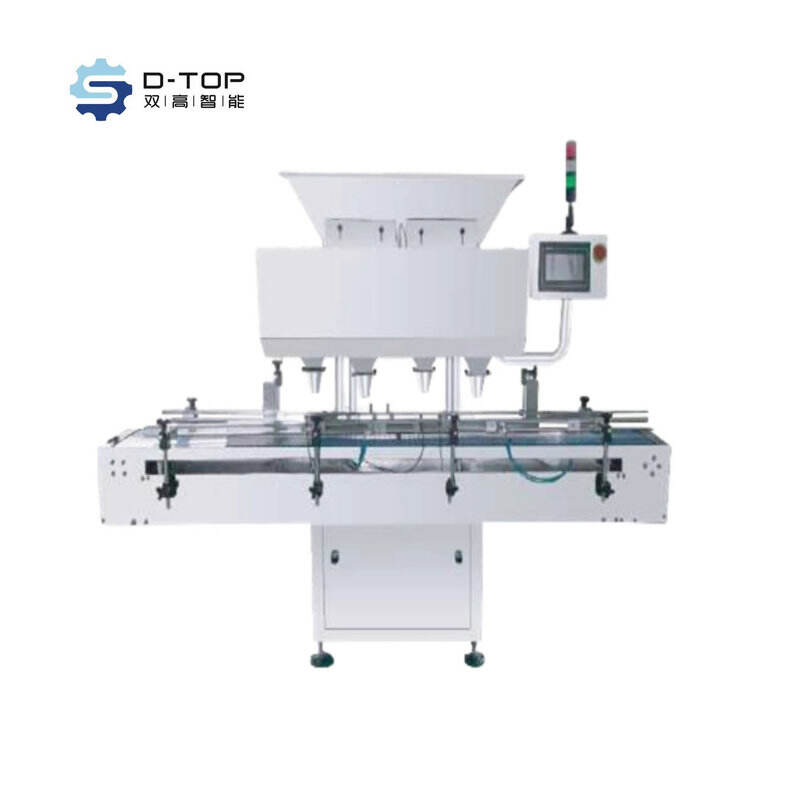
In the pharmaceutical and nutraceutical industries, precision and accuracy are paramount when it comes to counting and packaging capsules. A capsule counter machine serves as the backbone of modern production lines, ensuring that each bottle, blister pack, or container receives the exact number of capsules required. These sophisticated devices have revolutionized how manufacturers approach bulk counting operations, delivering unprecedented levels of accuracy while maintaining high-speed production capabilities. Understanding the accuracy metrics and performance characteristics of these machines is crucial for manufacturers seeking to optimize their packaging processes and maintain strict quality control standards.
Technology Behind Modern Capsule Counting Accuracy
Optical Sensing Systems
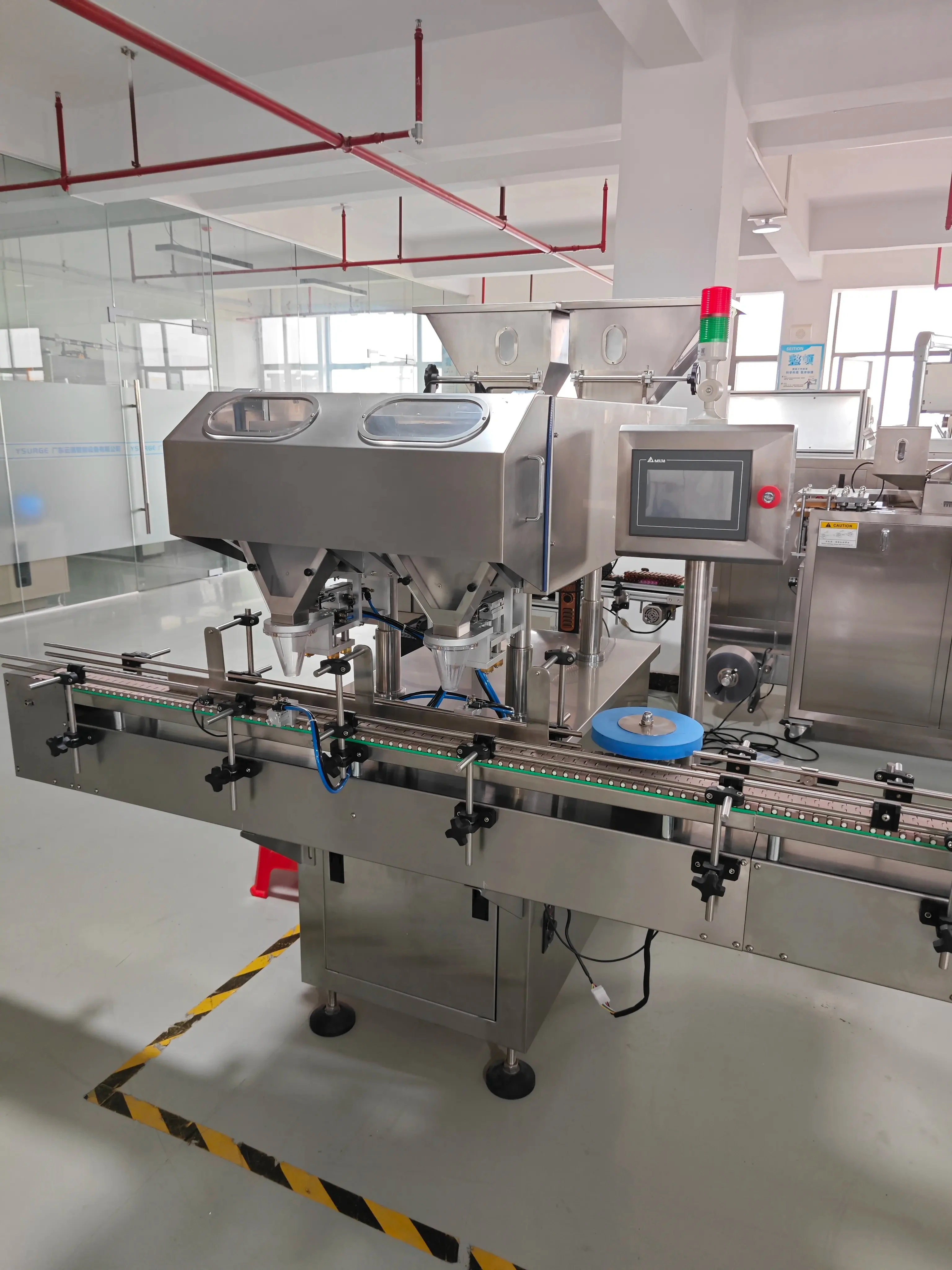
Modern capsule counter machines employ advanced optical sensing technology that forms the foundation of their exceptional accuracy. These systems utilize high-resolution cameras and specialized lighting configurations to detect and count individual capsules as they pass through designated counting chambers. The optical sensors can distinguish between capsules and foreign objects, ensuring that only legitimate products are counted toward the final tally. This technology represents a significant advancement over traditional mechanical counting methods, which were prone to jamming and miscounting.
The sophistication of optical systems in contemporary capsule counter machines extends to their ability to handle various capsule sizes, colors, and shapes without requiring extensive recalibration. Multiple sensor arrays work in conjunction to create redundant counting verification, where each capsule must be detected by at least two independent sensors before being registered in the count. This redundancy significantly reduces the likelihood of counting errors and ensures consistent accuracy across different production runs.
Electronic Control Integration
Electronic control systems within modern capsule counter machines provide the computational power necessary to process sensor data in real-time. These systems can analyze thousands of capsule detections per minute while maintaining precise counting accuracy. The integration of programmable logic controllers allows operators to customize counting parameters, set tolerances, and establish quality control checkpoints throughout the counting process. Advanced algorithms compensate for variations in capsule orientation and movement patterns within the counting chamber.
The electronic control systems also facilitate data logging and batch tracking capabilities, enabling manufacturers to maintain detailed records of counting accuracy for regulatory compliance purposes. These systems can detect anomalies in the counting process and automatically adjust operational parameters to maintain optimal accuracy levels. Real-time feedback mechanisms allow for immediate corrections when counting discrepancies are detected, preventing defective batches from progressing through the production line.
Accuracy Standards and Performance Metrics
Industry Benchmarks
The pharmaceutical industry has established stringent accuracy standards for capsule counting operations, with most regulatory bodies requiring counting accuracy of 99.9% or higher for commercial production. A properly calibrated capsule counter machine typically achieves accuracy levels between 99.95% and 99.99%, with some premium models reaching 99.995% accuracy under optimal operating conditions. These accuracy rates translate to less than one miscounted capsule per 10,000 to 20,000 capsules processed, meeting or exceeding regulatory requirements across global markets.
Performance metrics for capsule counter machines extend beyond simple accuracy percentages to include consistency measurements across different batch sizes and production speeds. The coefficient of variation, which measures the relative standard deviation of counting results, typically remains below 0.1% for high-quality machines. This consistency ensures that accuracy levels remain stable regardless of production volume or operational duration, providing manufacturers with reliable performance throughout extended production runs.
Validation and Verification Protocols
Comprehensive validation protocols are essential for maintaining the accuracy of capsule counter machines throughout their operational lifespan. These protocols typically involve regular calibration using certified reference standards and documented verification procedures that trace accuracy measurements to national standards. Validation processes include testing with various capsule types, sizes, and counting speeds to ensure consistent performance across the full range of operational parameters.
Ongoing verification procedures incorporate statistical sampling methods to monitor counting accuracy during routine production operations. These procedures involve periodic manual verification of machine counts against known quantities, with results documented in quality control databases. When accuracy measurements fall outside predetermined tolerance ranges, immediate corrective actions are initiated to restore optimal performance levels before production continues.
Factors Influencing Counting Accuracy
Capsule Characteristics
The physical characteristics of capsules significantly impact the accuracy performance of counting machines. Capsule size, shape, and surface finish all influence how effectively optical sensors can detect and differentiate individual units during the counting process. Larger capsules generally provide better detection reliability due to their increased optical signature, while smaller capsules may require more sensitive detection systems to maintain equivalent accuracy levels.
Surface characteristics such as color, transparency, and reflectivity can affect sensor performance in capsule counter machines. Dark-colored capsules may require enhanced lighting systems to ensure adequate contrast for optical detection, while highly reflective surfaces might necessitate specialized anti-glare measures. Manufacturers must consider these factors when selecting counting equipment to ensure compatibility with their specific capsule formulations and packaging requirements.
Environmental Conditions
Environmental factors within the production facility can significantly influence the accuracy performance of capsule counting equipment. Temperature variations can affect the dimensional stability of capsules and the calibration of optical sensors, potentially leading to counting discrepancies if not properly controlled. Humidity levels also impact capsule behavior, with excessive moisture potentially causing capsules to stick together or behave unpredictably during the counting process.
Vibration from nearby equipment or building infrastructure can interfere with the precise timing mechanisms required for accurate capsule detection. A capsule counter machine installation must account for these environmental factors through proper isolation mounting and climate control systems. Dust and airborne contaminants can accumulate on optical sensors, gradually degrading detection performance and requiring regular maintenance intervals to maintain optimal accuracy.
Maintenance Requirements for Optimal Accuracy
Preventive Maintenance Schedules
Maintaining peak accuracy in capsule counter machines requires adherence to comprehensive preventive maintenance schedules that address all critical system components. Regular cleaning of optical sensors ensures clear detection paths and prevents contamination buildup that could interfere with accurate counting. Mechanical components such as vibration feeders and conveyor systems require periodic lubrication and alignment checks to maintain smooth capsule flow patterns through the counting chamber.
Calibration procedures form a crucial component of preventive maintenance programs, with most manufacturers recommending monthly or quarterly recalibration depending on usage intensity and accuracy requirements. These procedures involve testing with certified reference standards and adjusting sensor sensitivities to maintain optimal detection performance. Documentation of all maintenance activities provides traceability for regulatory compliance and helps identify trends that might indicate impending performance degradation.
Troubleshooting Common Issues
Common accuracy issues in capsule counter machines often stem from sensor contamination, mechanical wear, or electronic component drift over time. Sensor contamination typically manifests as gradual accuracy degradation rather than sudden failure, making regular monitoring essential for early detection. Mechanical wear in feeding mechanisms can cause irregular capsule presentation to counting sensors, resulting in missed counts or double counting incidents.
Electronic component drift may cause sensor sensitivity changes that affect counting thresholds and detection reliability. Modern capsule counter machines incorporate self-diagnostic capabilities that can identify many common issues automatically, alerting operators to potential problems before they significantly impact counting accuracy. Prompt attention to diagnostic alerts and systematic troubleshooting procedures help maintain consistent performance and minimize production disruptions.
Cost-Benefit Analysis of High-Accuracy Systems
Investment Justification
Investing in high-accuracy capsule counter machines requires careful analysis of the long-term benefits versus initial capital expenditure. While premium counting systems command higher purchase prices, their superior accuracy reduces product waste, minimizes regulatory compliance risks, and enhances customer satisfaction through consistent product quality. The cost of miscounted products, including materials, labor, and potential recalls, often exceeds the incremental investment required for higher-accuracy equipment.
Operational efficiency gains from reliable capsule counter machine performance contribute significantly to return on investment calculations. Reduced downtime for recalibration, fewer quality control interventions, and decreased manual verification requirements all translate to improved production throughput and lower operational costs. These efficiency gains compound over the equipment's operational lifespan, often justifying premium pricing within the first few years of operation.
Productivity Impact
High-accuracy counting systems enable manufacturers to optimize production schedules and reduce buffer inventory requirements by providing confidence in exact capsule quantities throughout the supply chain. This precision eliminates the need for conservative overfilling practices that increase material costs and packaging requirements. Consistent accuracy also reduces the frequency of quality control sampling and verification procedures, allowing production staff to focus on other value-added activities.
The reliability of accurate capsule counter machines supports lean manufacturing initiatives by reducing variation in production processes and enabling predictable output planning. This predictability facilitates better coordination with downstream packaging operations and customer delivery schedules, contributing to overall supply chain optimization and customer satisfaction improvements.
FAQ
What accuracy level should I expect from a modern capsule counter machine
Modern capsule counter machines typically achieve accuracy levels between 99.95% and 99.99%, with premium models reaching 99.995% accuracy under optimal conditions. This translates to less than one miscounted capsule per 10,000 to 20,000 processed units, easily meeting pharmaceutical industry standards and regulatory requirements for commercial production.
How often does a capsule counter machine require calibration
Most manufacturers recommend calibrating capsule counter machines monthly or quarterly, depending on usage intensity and accuracy requirements. High-volume operations may require more frequent calibration, while lower-volume applications might extend intervals. Regular calibration ensures consistent accuracy and maintains regulatory compliance throughout the equipment's operational life.
Can environmental factors affect capsule counting accuracy
Yes, environmental conditions significantly impact counting accuracy. Temperature variations can affect capsule dimensions and sensor calibration, while humidity levels influence capsule behavior and potential sticking. Vibration, dust, and lighting conditions also affect performance, making proper environmental control and equipment isolation essential for maintaining optimal accuracy.
What maintenance is required to maintain counting accuracy
Regular maintenance includes cleaning optical sensors, calibrating detection systems, and servicing mechanical components like feeders and conveyors. Preventive maintenance schedules typically involve daily cleaning, weekly system checks, and monthly calibration procedures. Proper maintenance documentation ensures regulatory compliance and helps identify performance trends that might indicate needed adjustments or component replacement.