 EN
EN

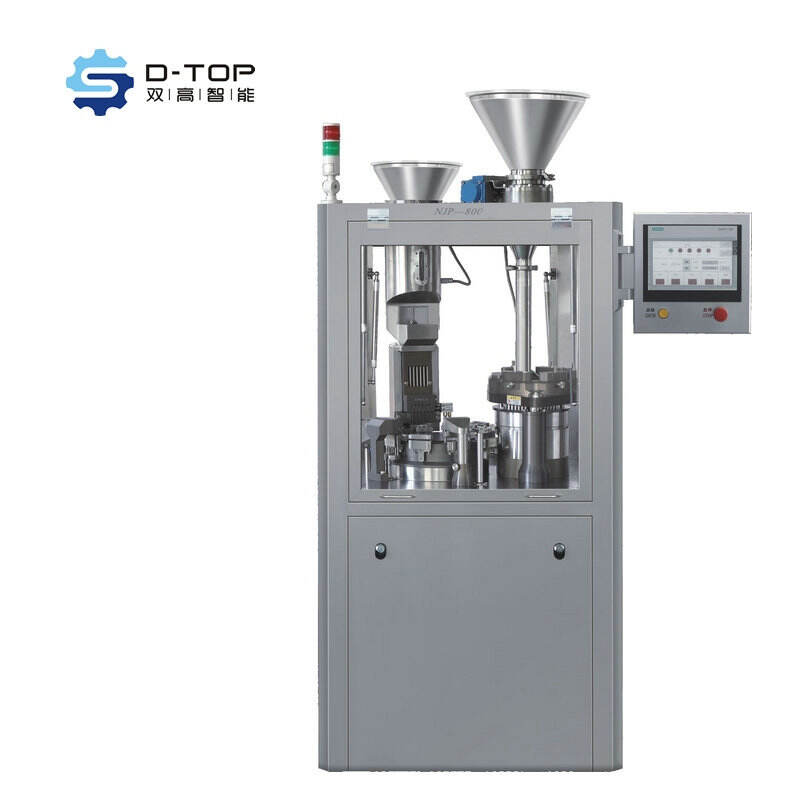
The pharmaceutical and nutraceutical industries have revolutionized their production processes through advanced automation technologies. Among these innovations, capsule auto filling systems stand out as critical equipment that transforms how manufacturers approach encapsulation. These sophisticated machines combine precision engineering with high-speed capabilities to deliver consistent, reliable results in pharmaceutical manufacturing. Understanding capsule auto filling technology becomes essential for companies seeking to optimize their production efficiency while maintaining stringent quality standards. The integration of automated systems has fundamentally changed traditional manufacturing approaches, enabling businesses to scale operations while reducing human error and contamination risks.
Understanding Capsule Auto Filling Technology
Core Principles of Automated Capsule Filling
Capsule auto filling operates on fundamental principles that ensure precise dosing and consistent encapsulation. The technology utilizes mechanical dosing systems that measure exact quantities of powder, pellets, or granules before depositing them into empty capsule shells. Modern capsule auto systems incorporate servo-driven mechanisms that provide exceptional accuracy in weight control, typically achieving variations of less than 2% in fill weight. The process begins with capsule orientation, where empty capsules are automatically sorted and positioned for filling. Advanced sensors monitor each stage, detecting any irregularities or empty capsules before they proceed through the production line.
The filling mechanism itself employs various techniques depending on the formulation characteristics. Powder formulations utilize auger filling systems that precisely control volumetric dosing through calibrated screw mechanisms. Pellet and granule formulations benefit from dosing disc technology, which provides consistent fill weights through mechanical precision. Temperature and humidity controls ensure optimal conditions throughout the capsule auto filling process, preventing static electricity buildup and maintaining powder flow characteristics. Quality control systems integrated within these machines continuously monitor fill weights, rejecting capsules that fall outside predetermined specifications.
Advanced Control Systems and Monitoring
Contemporary capsule auto filling machines feature sophisticated control interfaces that enable operators to precisely manage every aspect of the encapsulation process. Touch-screen human-machine interfaces provide real-time data visualization, allowing technicians to monitor production rates, fill weight statistics, and equipment performance metrics. These control systems store recipe parameters for different formulations, enabling quick changeovers between products while maintaining consistent quality standards. Integrated data logging capabilities automatically record production batches, creating comprehensive documentation for regulatory compliance and quality assurance purposes.
Remote monitoring capabilities have transformed how manufacturers oversee capsule auto operations. Internet connectivity allows production managers to access machine status, performance data, and alarm notifications from mobile devices or central control rooms. Predictive maintenance algorithms analyze equipment performance patterns, scheduling maintenance activities before potential failures occur. This proactive approach minimizes unexpected downtime and extends equipment lifespan while ensuring consistent production output. Advanced diagnostics provide detailed troubleshooting information, enabling rapid resolution of operational issues.
Operational Efficiency Benefits
Production Speed and Throughput Optimization
Modern capsule auto filling systems achieve remarkable production speeds that dramatically exceed manual filling capabilities. High-end machines can process between 50,000 to 400,000 capsules per hour, depending on capsule size and formulation characteristics. This exceptional throughput enables manufacturers to meet large-scale production demands while maintaining consistent quality standards. The continuous operation capability of capsule auto systems eliminates the breaks and inconsistencies associated with manual labor, resulting in significantly higher overall equipment effectiveness. Automated changeover procedures reduce setup times between different products, maximizing productive manufacturing time.
Efficiency gains extend beyond raw production speed to encompass reduced waste generation and improved material utilization. Precise dosing mechanisms minimize powder loss and overfilling, optimizing raw material consumption and reducing production costs. Automated rejection systems identify and remove defective capsules without interrupting the production flow, maintaining high-quality standards while preserving overall throughput. The integration of multiple processes within a single capsule auto system eliminates handling steps and reduces labor requirements, further enhancing operational efficiency.
Cost Reduction and Resource Management
Implementing capsule auto filling technology delivers substantial cost savings across multiple operational areas. Labor cost reduction represents the most immediate benefit, as automated systems require minimal operator intervention once properly configured and maintained. A single operator can typically oversee multiple capsule auto machines simultaneously, dramatically reducing per-unit labor costs compared to manual filling operations. Additionally, the consistency and reliability of automated systems reduce quality control costs by minimizing product rejection rates and rework requirements.
Energy efficiency improvements contribute to long-term operational cost reductions. Modern capsule auto systems incorporate energy-saving features such as variable-speed drives and optimized heating systems that reduce power consumption during operation. Maintenance cost optimization occurs through predictive maintenance capabilities that prevent costly emergency repairs and extend equipment service intervals. The reduced contamination risk associated with automated systems eliminates costs related to batch failures and regulatory compliance issues, protecting manufacturers from potentially expensive product recalls.
Quality Control and Compliance Standards
Precision and Consistency in Fill Weight Control
Quality control represents a critical advantage of capsule auto filling systems, particularly in pharmaceutical applications where dosing accuracy directly impacts patient safety and therapeutic efficacy. Advanced weight control systems continuously monitor fill weights throughout production, automatically adjusting dosing parameters to maintain target weights within narrow tolerance ranges. Statistical process control algorithms analyze weight data in real-time, identifying trends that might indicate equipment drift or formulation changes before they affect product quality. These systems generate comprehensive quality reports that document production performance and support regulatory compliance requirements.
Validation procedures for capsule auto systems follow strict pharmaceutical guidelines, ensuring that equipment performance meets regulatory standards for accuracy, precision, and reliability. Installation qualification, operational qualification, and performance qualification protocols verify that machines operate correctly under various conditions and production scenarios. Change control procedures govern any modifications to equipment or processes, maintaining validated status throughout the equipment lifecycle. Regular calibration schedules ensure continued accuracy of weighing systems and dosing mechanisms, preserving quality standards over extended operation periods.
Regulatory Compliance and Documentation
Capsule auto filling systems incorporate comprehensive documentation capabilities that support regulatory compliance across global pharmaceutical markets. Electronic batch records automatically capture critical process parameters, eliminating manual documentation errors and ensuring complete traceability of production activities. These systems generate audit trails that record all operator interventions, parameter changes, and system events, providing regulators with detailed evidence of manufacturing compliance. Integration with manufacturing execution systems enables seamless data flow between capsule auto equipment and enterprise quality management systems.
Good Manufacturing Practice compliance features are built into modern capsule auto systems, including cleanroom compatibility, sanitary design principles, and validated cleaning procedures. Equipment qualification documentation demonstrates that machines meet pharmaceutical manufacturing standards for cleanliness, accuracy, and reliability. Regular performance reviews analyze production data to identify potential quality risks and implement corrective actions before they impact product quality. These proactive quality management approaches help manufacturers maintain regulatory compliance while optimizing production efficiency.
Technology Integration and Industry Applications
Pharmaceutical Manufacturing Applications
The pharmaceutical industry represents the primary market for capsule auto filling technology, where these systems enable the efficient production of oral solid dosage forms. Generic drug manufacturers utilize capsule auto systems to produce high-volume medications at competitive costs while maintaining quality standards equivalent to brand-name products. Specialty pharmaceutical companies benefit from the flexibility of these systems, which can accommodate diverse formulations and batch sizes required for niche therapeutic applications. Clinical trial supply manufacturing relies on capsule auto technology to produce small batches of investigational drugs with precise dosing accuracy and complete documentation.
Contract manufacturing organizations have adopted capsule auto filling as a core capability, enabling them to serve multiple clients with varying production requirements. The versatility of modern systems allows contract manufacturers to efficiently switch between different products and formulations, maximizing equipment utilization while meeting client specifications. Regulatory agencies worldwide have established specific guidelines for capsule auto manufacturing, recognizing these systems as standard technology for pharmaceutical production. The scalability of capsule auto systems supports manufacturers from startup biotech companies to large multinational corporations.
Nutraceutical and Dietary Supplement Production
The nutraceutical industry has embraced capsule auto filling technology to meet growing consumer demand for dietary supplements and functional foods. These systems enable supplement manufacturers to produce consistent, accurately dosed products that meet label claims and consumer expectations. The flexibility of capsule auto equipment accommodates the diverse range of ingredients used in nutraceutical formulations, from traditional vitamins and minerals to complex herbal extracts and specialty compounds. Quality control capabilities ensure that supplement products meet regulatory standards while maintaining cost-effective production processes.
Private label supplement manufacturers utilize capsule auto systems to produce custom formulations for retailers and brand owners. The ability to quickly change between different formulations and batch sizes enables these manufacturers to serve diverse market segments efficiently. Organic and natural product manufacturers benefit from the contamination prevention features of capsule auto systems, which help maintain product purity and organic certification requirements. The documentation capabilities of these systems support supplement manufacturers in meeting FDA dietary supplement regulations and international export requirements.
Equipment Selection and Implementation
Capacity Planning and System Sizing
Selecting appropriate capsule auto filling equipment requires careful analysis of production requirements, growth projections, and operational constraints. Manufacturers must evaluate their current and projected production volumes to determine optimal machine capacity and configuration. Small-scale operations may benefit from semi-automatic capsule auto systems that provide automation benefits while maintaining lower capital investment requirements. Large-scale manufacturers typically invest in fully automatic, high-speed systems that maximize throughput and minimize per-unit production costs.
Formulation characteristics significantly influence equipment selection decisions. Powder formulations with good flow properties work well with auger-filling systems, while formulations containing larger particles or pellets may require specialized dosing mechanisms. The number of different products to be manufactured affects the need for quick-change capabilities and multiple dosing stations. Environmental requirements, such as cleanroom classification and explosion-proof ratings, determine the specific equipment configurations needed for particular manufacturing environments.
Installation and Validation Processes
Successful implementation of capsule auto filling systems requires comprehensive planning and execution of installation and validation activities. Site preparation involves ensuring adequate electrical power, compressed air, and environmental controls to support equipment operation. Installation teams work closely with facility engineers to integrate capsule auto systems with existing production infrastructure, including material handling systems and quality control laboratories. Proper installation ensures that equipment operates at designed specifications and meets safety requirements.
Validation activities begin during equipment installation and continue through operational qualification phases. These processes verify that capsule auto systems perform according to user requirements and regulatory standards. Performance qualification studies demonstrate that equipment consistently produces products meeting specifications under normal operating conditions. Training programs ensure that operators and maintenance personnel understand proper equipment operation and maintenance procedures. Ongoing validation maintenance preserves validated status through regular calibration, preventive maintenance, and change control procedures.
Future Developments and Industry Trends
Technological Advancement and Innovation
The evolution of capsule auto filling technology continues to advance through integration of artificial intelligence and machine learning capabilities. Smart systems analyze production data to optimize filling parameters automatically, reducing setup times and improving first-time quality rates. Advanced sensor technologies provide more detailed monitoring of powder flow, capsule integrity, and environmental conditions throughout the production process. These innovations enable capsule auto systems to adapt to formulation variations and environmental changes without operator intervention.
Industry 4.0 concepts are transforming capsule auto manufacturing through enhanced connectivity and data analytics capabilities. Internet of Things integration enables real-time monitoring and control of multiple machines from centralized locations. Cloud-based data storage and analysis platforms provide manufacturers with insights into production trends and equipment performance across multiple facilities. Augmented reality technologies assist operators in equipment setup, maintenance, and troubleshooting activities, reducing training requirements and improving operational efficiency.
Market Growth and Global Expansion
The global market for capsule auto filling equipment continues to expand, driven by increasing pharmaceutical production and growing demand for dietary supplements. Emerging markets in Asia, Latin America, and Africa represent significant growth opportunities for capsule auto technology as local manufacturers modernize their production capabilities. Regulatory harmonization efforts worldwide are standardizing requirements for automated manufacturing equipment, facilitating international expansion of capsule auto systems. The trend toward personalized medicine and specialized formulations creates new applications for flexible, small-batch capsule auto equipment.
Sustainability considerations increasingly influence capsule auto system design and operation. Energy-efficient designs reduce environmental impact while lowering operational costs. Material optimization features minimize waste generation and support sustainable manufacturing practices. The development of biodegradable and plant-based capsule materials creates new opportunities for environmentally conscious capsule auto applications. These trends position capsule auto technology as a key enabler of sustainable pharmaceutical and nutraceutical manufacturing.
FAQ
What maintenance requirements are necessary for capsule auto filling machines
Regular maintenance for capsule auto systems includes daily cleaning and inspection routines, weekly calibration checks of weighing systems, and monthly preventive maintenance activities. Lubrication schedules must be followed precisely to ensure proper mechanical operation, while wear parts require periodic replacement according to manufacturer recommendations. Professional service support provides comprehensive maintenance programs that include remote monitoring, predictive maintenance analytics, and emergency repair services to minimize downtime and extend equipment life.
How do capsule auto filling systems handle different formulation types
Modern capsule auto equipment accommodates diverse formulations through multiple dosing technologies and adjustable parameters. Powder formulations utilize auger-based filling systems with variable speed control, while pellet and tablet formulations employ dosing disc mechanisms. Hygroscopic materials benefit from controlled atmosphere chambers that prevent moisture absorption during processing. Formulation-specific tooling and software parameters enable quick changeovers between different products while maintaining filling accuracy and quality standards.
What training is required for operators of capsule auto filling equipment
Comprehensive operator training programs typically include theoretical instruction on equipment principles, hands-on operation training, and safety procedures. Training curricula cover setup procedures, parameter adjustment, quality control checks, and basic troubleshooting techniques. Certification programs validate operator competency and may require periodic refresher training to maintain qualifications. Advanced training modules address maintenance procedures, validation requirements, and regulatory compliance aspects relevant to pharmaceutical manufacturing environments.
How does capsule auto filling technology ensure product sterility
Sterile capsule auto systems incorporate isolator technology or cleanroom integration to maintain aseptic conditions throughout the filling process. HEPA filtration systems provide classified air environments, while positive pressure differentials prevent contamination ingress. Steam-in-place and clean-in-place systems enable validated cleaning and sterilization procedures between batches. Environmental monitoring systems continuously track particle counts, air pressure, and temperature conditions to ensure sterile processing requirements are maintained throughout production operations.