 EN
EN

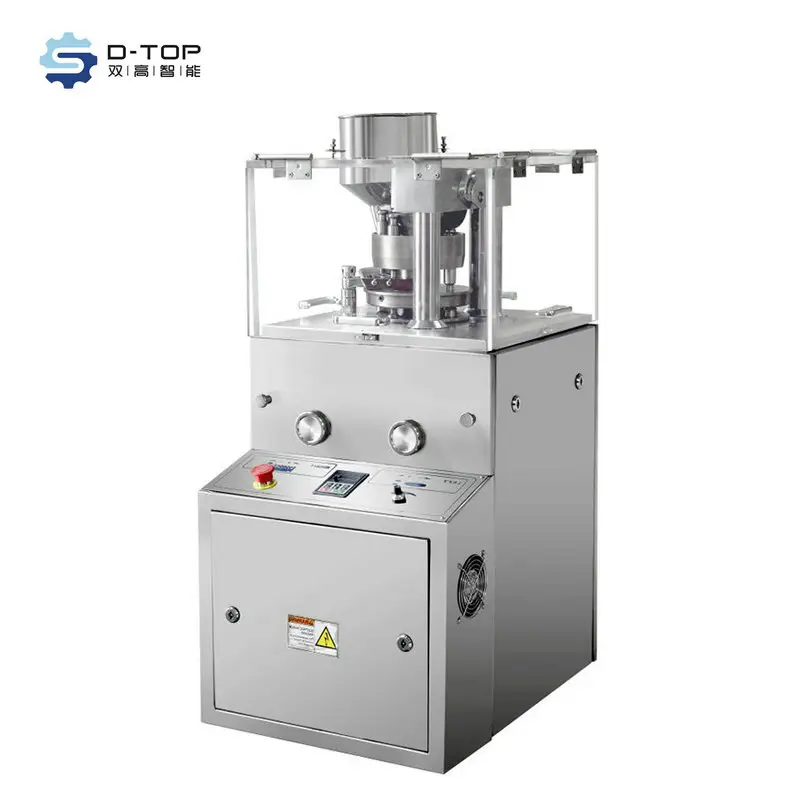
Modern pharmaceutical manufacturing demands precision, efficiency, and consistency in tablet production. A tablet press machine represents the cornerstone of pharmaceutical manufacturing, transforming raw powder formulations into precise, uniform tablets that meet stringent quality standards. These sophisticated machines have revolutionized the pharmaceutical industry by enabling mass production while maintaining the exact dosage requirements essential for patient safety and therapeutic efficacy.
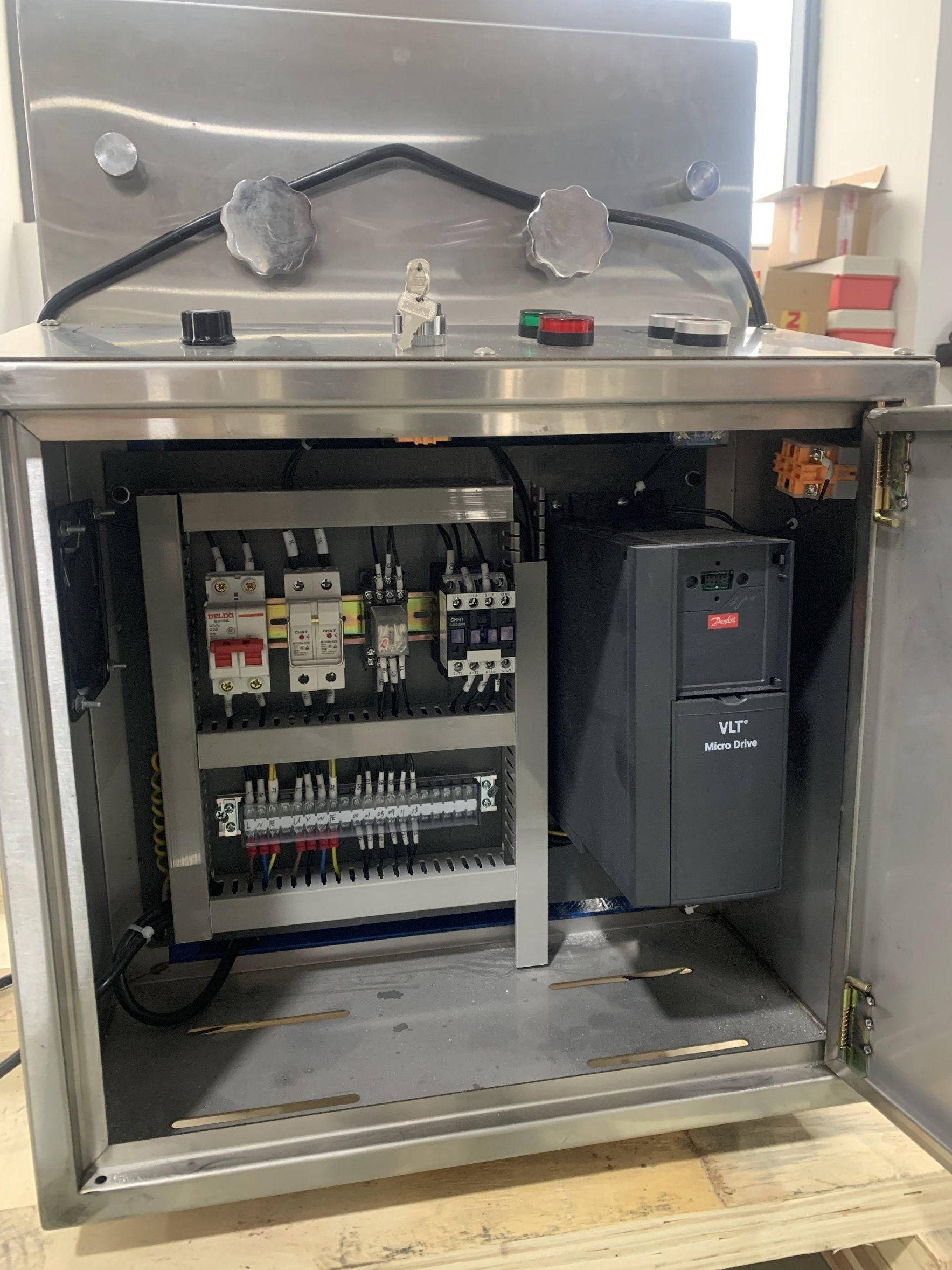
The evolution of tablet pressing technology has transformed pharmaceutical production from manual processes to automated systems capable of producing millions of tablets daily. Understanding how a tablet press machine optimizes production requires examining its mechanical principles, operational advantages, and integration capabilities within modern pharmaceutical facilities. These machines combine engineering precision with pharmaceutical science to deliver consistent results that meet regulatory requirements across global markets.
Fundamental Operating Principles of Tablet Press Machines
Compression Mechanism and Force Distribution
The core functionality of any tablet press machine centers on its compression mechanism, which applies controlled pressure to transform powder blends into solid tablets. This process involves upper and lower punches working in precise coordination within dies to compress granulated materials. The compression force distribution ensures uniform density throughout each tablet, eliminating weak points that could compromise structural integrity during handling, packaging, or consumption.
The tablet press machine designs incorporate multiple compression stations arranged in rotary configurations, allowing continuous production cycles. Each station maintains independent force control, enabling manufacturers to adjust compression parameters for different formulations without stopping production. This flexibility proves essential when producing multiple products or accommodating varying powder characteristics that require specific compression profiles.
Die Design and Tablet Formation
Die geometry plays a crucial role in tablet formation, influencing everything from drug release characteristics to manufacturing efficiency. A well-designed tablet press machine accommodates various die configurations, from standard round tablets to complex shapes required for specific therapeutic applications. The precision machining of dies ensures consistent tablet dimensions, surface finish, and edge definition that meet pharmaceutical standards.
The relationship between die design and powder flow characteristics determines production efficiency and tablet quality. Advanced tablet press machine models feature quick-change die systems that minimize downtime during product changeovers while maintaining the precise tolerances necessary for consistent tablet formation. This capability becomes particularly valuable in facilities producing multiple pharmaceutical products with different tablet specifications.
Production Efficiency Enhancement Through Advanced Technology
Automated Control Systems
Contemporary tablet press machine technology integrates sophisticated control systems that monitor and adjust production parameters in real-time. These systems track compression forces, tablet weights, thickness measurements, and hardness values continuously throughout production runs. Automated feedback loops ensure consistent quality while identifying potential issues before they impact product quality or production efficiency.
The integration of programmable logic controllers enables operators to store multiple product recipes within the tablet press machine memory. This capability streamlines product changeovers by automatically adjusting all relevant parameters according to predetermined specifications. Such automation reduces setup time, minimizes human error, and ensures reproducible results across different production batches.
High-Speed Production Capabilities
Modern rotary tablet press machines achieve remarkable production speeds while maintaining quality standards. Multi-station designs enable simultaneous tablet formation at multiple compression points, significantly increasing throughput compared to single-punch alternatives. Advanced machines can produce hundreds of thousands of tablets per hour, making them suitable for large-scale commercial production.
Speed optimization involves balancing production rate with quality requirements, as excessive speeds can compromise tablet integrity or cause feeding issues. Sophisticated tablet press machine designs incorporate variable speed drives that allow precise control over production rates according to formulation characteristics and quality requirements.
Quality Control and Consistency Advantages
Weight Uniformity and Content Accuracy
Achieving consistent tablet weights represents a fundamental requirement in pharmaceutical manufacturing, directly impacting drug dosage accuracy and regulatory compliance. A properly calibrated tablet press machine maintains weight uniformity through precise powder feeding mechanisms that deliver consistent fill volumes to each die cavity. Advanced filling systems compensate for powder density variations and flow characteristics that could otherwise cause weight fluctuations.
Statistical process control integrated into modern tablet press machine operations continuously monitors weight distribution across production batches. This real-time monitoring enables immediate adjustments when weights drift outside acceptable ranges, preventing the production of non-conforming tablets and reducing material waste. Such precision proves essential in maintaining the therapeutic consistency required for pharmaceutical products.
Surface Quality and Physical Characteristics
Tablet surface quality directly affects patient acceptance, product stability, and coating adhesion in subsequent processing steps. A well-maintained tablet press machine produces tablets with smooth, uniform surfaces free from defects such as capping, lamination, or picking. These quality characteristics result from optimal compression profiles, proper die maintenance, and appropriate formulation properties.
The hardness and friability characteristics of tablets depend largely on compression parameters controlled by the tablet press machine. Consistent hardness ensures tablets can withstand handling and packaging stresses while maintaining appropriate disintegration times for drug release. Modern machines provide precise hardness control through force feedback systems that maintain optimal compression regardless of minor formulation variations.
Integration with Manufacturing Systems
Upstream Process Compatibility
Successful tablet production requires seamless integration between the tablet press machine and upstream processes such as blending, granulation, and material handling systems. Modern manufacturing facilities utilize automated material transfer systems that deliver prepared granulations directly to machine hoppers, minimizing contamination risks and reducing manual handling requirements.
The compatibility between granulation characteristics and tablet press machine capabilities determines overall production efficiency. Granulations must possess appropriate flow properties, compressibility, and moisture content to ensure consistent feeding and compression. Understanding these relationships enables pharmaceutical manufacturers to optimize both granulation processes and compression parameters for maximum efficiency.
Downstream Processing Integration
Following tablet compression, most pharmaceutical products require additional processing such as coating, printing, or packaging. A well-designed tablet press machine produces tablets with characteristics that facilitate these downstream operations. Consistent tablet dimensions, surface quality, and edge definition ensure uniform coating application and accurate printing registration.
Material handling systems that transport tablets from the machine to downstream equipment must maintain product integrity while accommodating production rates. Automated systems reduce handling damage and contamination risks while enabling continuous production flow throughout the manufacturing facility.
Economic Benefits and Return on Investment
Production Cost Optimization
Investing in tablet press machine technology delivers significant economic benefits through improved material utilization, reduced waste, and increased production efficiency. Modern machines achieve higher yields by minimizing tablet defects and reducing the need for reprocessing non-conforming products. These improvements directly impact manufacturing costs and product profitability.
Energy efficiency represents another important economic consideration, as the tablet press machine designs incorporate energy-saving features that reduce operational costs. Variable frequency drives, efficient motor systems, and optimized mechanical designs minimize power consumption while maintaining production performance. These efficiency gains become particularly significant in high-volume production environments.
Maintenance and Operational Efficiency
Preventive maintenance requirements for modern tablet press machine designs have decreased significantly due to improved component quality and monitoring systems. Predictive maintenance capabilities identify potential issues before they cause production interruptions, reducing unscheduled downtime and maintenance costs. These systems monitor bearing temperatures, vibration levels, and wear patterns to optimize maintenance schedules.
Operator training requirements have simplified with the introduction of intuitive control interfaces and automated systems. Reduced complexity in machine operation translates to lower training costs and decreased likelihood of operator errors that could impact production quality or efficiency. Modern tablet press machine designs prioritize user-friendly operation while maintaining sophisticated control capabilities.
Future Developments and Industry Trends
Digitalization and Industry 4.0 Integration
The pharmaceutical industry's embrace of digitalization is transforming tablet press machine technology through the integration of sensors, connectivity, and data analytics. Smart machines collect vast amounts of production data that enable predictive analytics, quality trending, and process optimization. This digital transformation improves decision-making capabilities and enables proactive quality management.
Connectivity features allow tablet press machine integration with enterprise resource planning systems, enabling real-time production monitoring and automated reporting. Such integration streamlines regulatory compliance by automatically generating batch records and quality documentation required for pharmaceutical manufacturing. The resulting efficiency gains support the industry's movement toward fully integrated manufacturing environments.
Sustainability and Environmental Considerations
Environmental sustainability increasingly influences tablet press machine design and operation. Manufacturers prioritize energy efficiency, material conservation, and waste reduction in developing new equipment generations. Modern machines incorporate features that minimize environmental impact while maintaining production performance and quality standards required for pharmaceutical manufacturing.
Sustainable manufacturing practices include optimizing tablet press machine operations to reduce material waste, implementing energy-efficient drive systems, and designing equipment for extended service life. These environmental considerations align with corporate sustainability goals while often delivering economic benefits through reduced operational costs and resource consumption.
FAQ
What factors determine the optimal compression force for tablet production?
Optimal compression force depends on powder characteristics, tablet hardness requirements, and drug formulation properties. A tablet press machine must apply sufficient force to create tablets with adequate mechanical strength while avoiding over-compression that could cause lamination or affect drug release. Material properties such as particle size, moisture content, and binding agent concentration influence the compression force needed for optimal tablet formation.
How does die maintenance affect tablet quality and production efficiency?
Proper die maintenance ensures consistent tablet dimensions, surface quality, and weight uniformity throughout production runs. Worn dies can cause tablet defects, weight variations, and increased rejection rates that impact overall efficiency. Regular inspection, cleaning, and replacement of dies according to manufacturer recommendations maintains tablet press machine performance and product quality standards required for pharmaceutical manufacturing.
What training requirements are necessary for tablet press machine operators?
Operators require comprehensive training in machine operation, quality control procedures, and safety protocols specific to pharmaceutical manufacturing. Training programs should cover setup procedures, parameter adjustment, troubleshooting techniques, and regulatory compliance requirements. Modern tablet press machine designs with intuitive interfaces reduce training complexity while maintaining the thoroughness necessary for safe and effective operation in pharmaceutical environments.
How do environmental conditions affect tablet press machine performance?
Temperature, humidity, and air quality significantly impact both powder characteristics and machine performance. Controlled environmental conditions ensure consistent powder flow, compression behavior, and tablet quality. A tablet press machine operates most effectively in climate-controlled facilities where temperature and humidity remain within specified ranges. Proper environmental control prevents issues such as powder sticking, inconsistent compression, and tablet defects that could compromise product quality.