 EN
EN

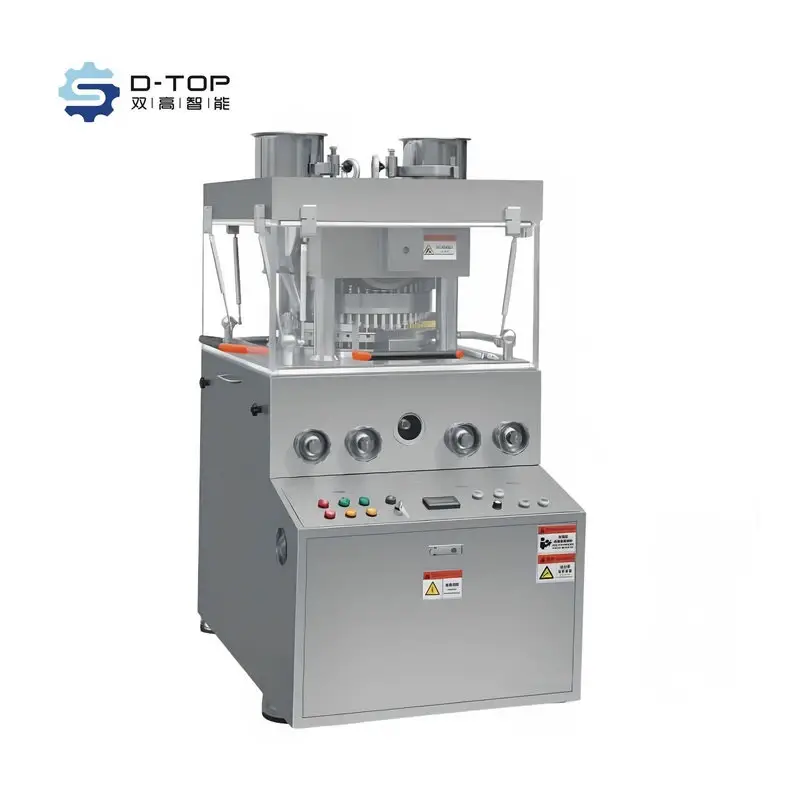
In the field of solid dosage production, the tablet press machine is the core equipment for forming powdered materials into tablets. From single-punch presses to hand-operated rotary presses and modern fully automatic high-speed rotary tablet presses, the evolution of this equipment reflects the profound transformation of the pharmaceutical industry from manual operations to intelligent, large-scale production.
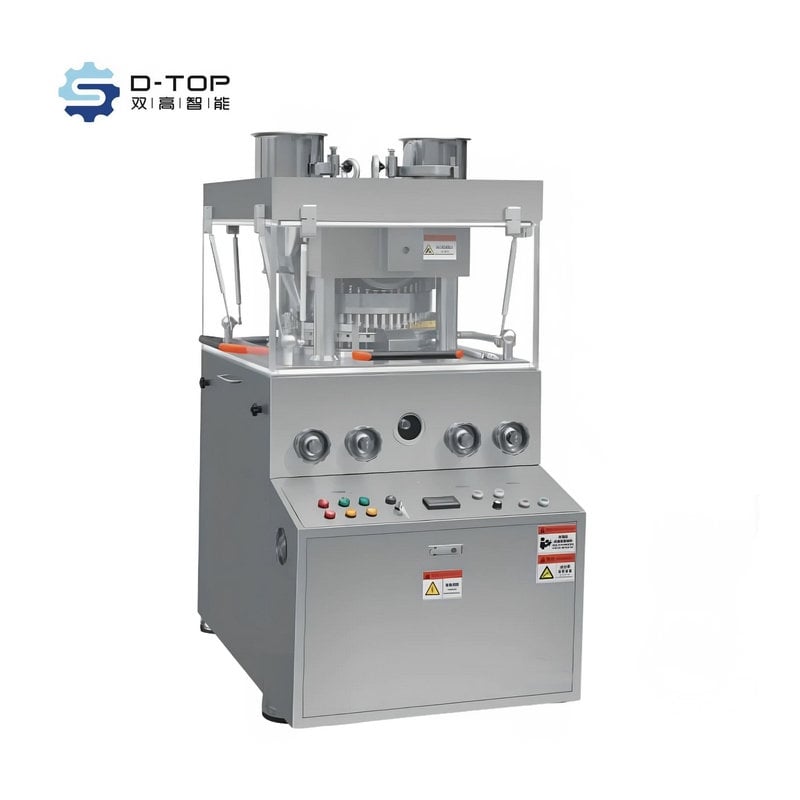
I. Exceptional Capacity to Meet Large-Scale Continuous Production Demands
High-speed tablet presses machine adopt double-sided compression technology combined with high-precision turrets and multiple punch sets, achieving stable operating speeds exceeding 100 rpm and hourly outputs easily surpassing 500,000 tablets, with some models reaching 800,000 to 1,000,000 tablets. This means that one high-speed tablet press line can replace 4–5 traditional low-speed machines, significantly reducing floor space, HVAC energy consumption, and the number of operators. The high-speed tablet press machine is not just a capacity tool but a key lever for streamlining the entire production system.
II. Rigorous Quality Control
Quality is the lifeline of pharmaceutical companies. High-speed tablet presses machine fully incorporate the Quality by Design (QbD) concept, using multiple core technologies to ensure that each tablet meets European and American pharmacopoeia standards.
High-precision filling control: A servo motor-driven forced feeder system combined with linear displacement sensors monitors fill depth in real time, achieving closed-loop adjustment accuracy at the micron level. Tablet weight variation can be stably controlled within ±2%, far superior to the USP/EP limit of ±5%.
Two-stage compression and pressure monitoring: Pre-compression and main compression are independently controlled, effectively removing air between particles and avoiding capping or lamination. Pressure sensors on each punch sample at millisecond frequencies, and the system automatically plots pressure curves and identifies abnormal trends. Tablets exceeding set limits are immediately rejected, preventing them from entering downstream processes.
Automatic rejection mechanism: Defective tablets exceeding set thresholds are automatically ejected pneumatically or mechanically, eliminating the risk of non-conforming products mixing into the finished batch. This closed-loop quality control capability is crucial for passing GMP certification and FDA inspections.
III. Fast Changeover and Cleaning Validation for Flexible Multi-Product Production
High-speed tablet presses machine significantly reduce product switchover time through modular design.
Complete turret replacement: The turret assembly can complete a full tooling change in 30 minutes. The same main machine can press round and shaped tablets ranging from 5 mm to 25 mm in diameter, and even bilayer tablets. Recipe parameters are stored in the PLC and can be recalled with a single command, eliminating the need for repeated manual adjustments.
Easy-clean design: The equipment features an open frame, radiused corners without dead spots, and quick-disconnect hoppers and feeders. All material-contact parts can be easily disassembled and cleaned. A wash-in-place (WIP) option is available, significantly reducing cleaning validation time and solvent consumption. For highly potent or sensitizing products, contained high-speed tablet presses machine can be configured with isolators to meet OEB Level 4/5 protection requirements, ensuring cross-contamination risks are controlled.
IV. Energy Efficiency and Sustainability – Responding to ESG Investment Trends
The advantages of high-speed tablet presses machine in energy saving and consumption reduction directly translate into improved carbon footprint and reduced operating costs.
Direct drive motor technology: Replacing traditional belt drives with permanent magnet synchronous direct drive motors increases transmission efficiency by 15%–20% and reduces overall energy consumption by about 30%. The electricity consumed per million tablets produced is far lower than that of multiple low-speed machines operating in parallel.
Extended tooling life: Precision guidance and adequate lubrication significantly reduce wear on punches and dies, extending tooling replacement cycles by 20%–30%, thus reducing tooling steel consumption and replacement frequency.
Dust control: Enclosed dust extraction systems recover up to 98% of production dust, protecting operator health while reducing material waste and exhaust treatment burden.
V. Smart Connectivity – Paving the Way for Digital Factories and Data Integrity
High-speed tablet presses machine are becoming node equipment in Pharma 4.0. Their intelligent features include:
Automatic data acquisition and recording: Parameters such as pressure curves, tablet weight trends, temperature, and humidity for each batch are completely recorded, meeting data integrity requirements (ALCOA+ principles). Eliminating manual batch record entries reduces human error and provides authentic data for process validation and continuous improvement.
Remote monitoring and diagnostics: Through industrial Ethernet interfaces, the equipment can upload real-time operating status to a Manufacturing Execution System (MES) or cloud platform. Equipment managers can view the efficiency, fault warnings, tooling life, and other information for each tablet press from their office. Suppliers can also remotely assist in fault diagnosis, reducing downtime.
Predictive maintenance: Based on vibration sensors and current monitoring, the system can analyze the health of key components such as turret bearings and compression rollers, providing early warnings for replacement or maintenance, thus avoiding large-scale scrap caused by sudden breakdowns.
Regulatory compliance: High-speed tablet presses machine generally support electronic signatures, audit trails, and user privilege management, meeting requirements of regulations such as 21 CFR Part 11, significantly reducing compliance risks.
The true value of a high-speed tablet press machine lies in producing tablets with greater uniformity using fewer machines, lower energy consumption, and less labor, while offering flexible changeover capability and smart connectivity. For pharmaceutical companies, investing in a high-performance high-speed tablet press is not just an increase in capacity, but a comprehensive leap in quality management level and production operational efficiency.
FAQ
What production speeds can be achieved with high-speed tablet press machines
High-speed tablet press machines can typically achieve production rates ranging from 100,000 to over 500,000 tablets per hour, depending on the specific model and tablet specifications. The actual production speed depends on factors such as tablet size, formulation characteristics, and desired quality parameters. Modern machines incorporate advanced feeding systems and optimized compression cycles that maximize throughput while maintaining consistent quality standards.
How do high-speed tablet press machines ensure consistent tablet quality
These machines utilize sophisticated force monitoring systems, real-time parameter adjustment capabilities, and comprehensive quality inspection features to maintain consistent tablet properties. Advanced sensors continuously monitor compression forces, tablet weight, thickness, and hardness throughout production. Automated control systems make immediate adjustments to maintain optimal parameters when variations are detected, ensuring uniform quality across entire production batches.
What maintenance requirements are associated with high-speed tablet press machines
High-speed tablet press machines typically require routine maintenance including lubrication, wear part replacement, and cleaning procedures according to manufacturer specifications. Many modern machines feature predictive maintenance systems that monitor component condition and provide advance warning of maintenance needs. Regular maintenance intervals are generally less frequent than traditional equipment due to robust construction and advanced materials used in critical components.
Can high-speed tablet press machines handle different tablet formulations and sizes
Yes, modern high-speed tablet press machines are designed with flexibility to accommodate various tablet formulations, sizes, and shapes through quick-change tooling systems and adjustable parameters. These machines can typically handle tablet diameters ranging from small pediatric formulations to large specialty tablets. Advanced control systems allow operators to save and recall specific parameter sets for different products, enabling efficient changeovers between production runs.
Table of Contents
-
FAQ
- What production speeds can be achieved with high-speed tablet press machines
- How do high-speed tablet press machines ensure consistent tablet quality
- What maintenance requirements are associated with high-speed tablet press machines
- Can high-speed tablet press machines handle different tablet formulations and sizes