 EN
EN

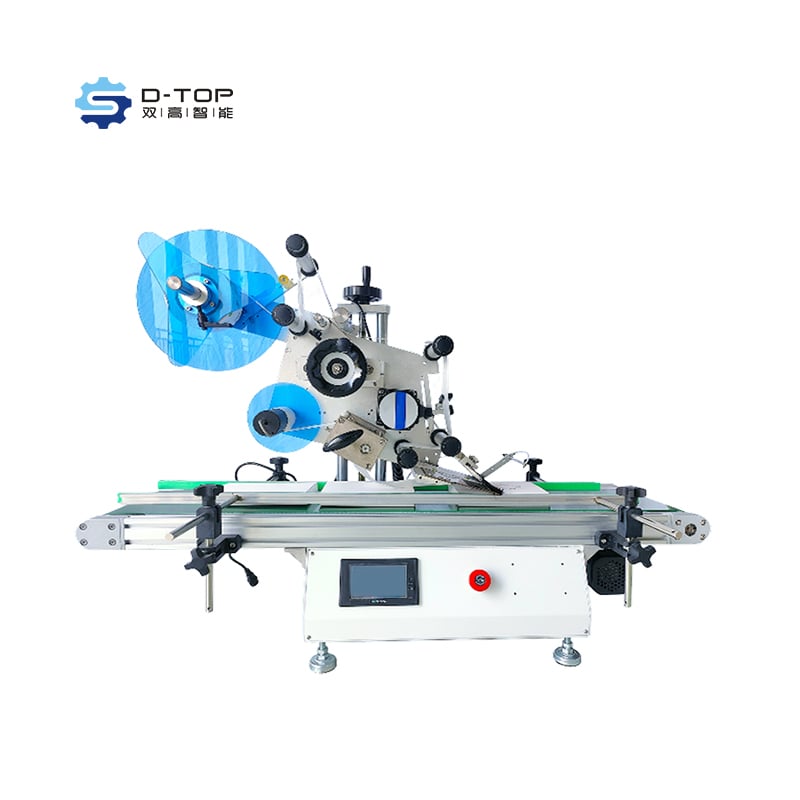
Modern manufacturing facilities face increasing pressure to optimize their packaging operations while maintaining consistent quality standards. The integration of advanced labeling machines has become a critical component for businesses seeking to enhance their production efficiency and reduce operational costs. These sophisticated systems offer unprecedented control over label application processes, ensuring precise placement and adherence across diverse product lines. Manufacturing companies that invest in automated labeling solutions often experience significant improvements in throughput rates and overall packaging line performance.
The evolution of packaging technology has transformed how businesses approach product identification and branding requirements. Contemporary labeling machines incorporate cutting-edge sensors, precision motors, and intelligent control systems that adapt to various container shapes and sizes. This technological advancement enables manufacturers to maintain consistent labeling standards while accommodating diverse product portfolios. Companies utilizing these automated systems report substantial reductions in manual labor requirements and associated human error rates.
Operational Efficiency Through Automated Labeling
Speed and Throughput Optimization
Advanced labeling machines deliver exceptional processing speeds that significantly surpass manual application methods. These systems can process hundreds or thousands of units per hour, depending on the specific model and application requirements. The consistent operation tempo eliminates bottlenecks commonly associated with manual labeling processes, allowing packaging lines to maintain steady production flows. Modern equipment incorporates servo-driven mechanisms that ensure precise label positioning while maintaining high-speed operation capabilities.
Throughput optimization becomes particularly valuable during peak production periods when manufacturers need to meet demanding delivery schedules. The reliability of automated labeling machines ensures consistent performance levels throughout extended operating periods. Production managers appreciate the predictable output rates that facilitate accurate production planning and resource allocation. This consistency enables better coordination between different packaging line components and downstream processes.
Quality Consistency and Precision
Precision labeling requires exact placement tolerances that human operators struggle to maintain consistently over extended periods. Automated labeling machines utilize sophisticated vision systems and positioning controls to ensure labels are applied within strict specifications. These systems can detect and correct minor variations in container positioning, maintaining uniform label placement across entire production runs. The elimination of human variability results in superior aesthetic appeal and professional product presentation.
Quality control systems integrated within modern labeling machines provide real-time monitoring of application parameters. These systems can identify and reject improperly labeled products before they proceed to subsequent packaging stages. The immediate feedback mechanism allows operators to address issues promptly, minimizing waste and maintaining production quality standards. This proactive approach to quality management significantly reduces the likelihood of defective products reaching consumers.
Cost Reduction and Return on Investment
Labor Cost Optimization
The implementation of automated labeling machines substantially reduces dependency on manual labor for repetitive packaging tasks. Companies can reassign skilled workers to higher-value activities such as quality control, maintenance, or process improvement initiatives. This strategic workforce reallocation maximizes human resource utilization while reducing overall labor costs per unit produced. The consistent operation of labeling machines eliminates overtime expenses associated with meeting production deadlines through extended manual labor.
Long-term labor cost savings become increasingly significant as production volumes grow and wage rates increase. Automated systems operate continuously without breaks, vacation time, or shift changes, providing consistent availability throughout production schedules. The reduced reliance on temporary or seasonal workers during peak periods contributes to more stable operational costs and improved budget predictability. These factors combine to create compelling financial justification for labeling machine investments.
Material Waste Reduction
Precise application capabilities of modern labeling machines significantly minimize material waste compared to manual application methods. Automated systems apply labels with consistent pressure and positioning, reducing the likelihood of misaligned or damaged labels that require replacement. The elimination of human error factors such as incorrect placement or excessive adhesive application contributes to substantial material savings over time. These efficiency gains directly impact bottom-line profitability through reduced consumable costs.
Advanced labeling machines incorporate waste detection and prevention features that identify potential issues before they result in material loss. Sensors monitor label stock levels and alert operators when replenishment is necessary, preventing production interruptions. The precise control of adhesive application ensures optimal bonding strength while minimizing excess usage. These capabilities contribute to more sustainable packaging operations and reduced environmental impact.
Integration and Flexibility Advantages
Seamless Production Line Integration
Contemporary labeling machines are designed with integration capabilities that allow seamless incorporation into existing packaging lines. Standardized communication protocols enable these systems to interface with upstream and downstream equipment, creating coordinated production flows. The ability to synchronize labeling operations with filling, capping, and case packing equipment maximizes overall line efficiency. This integration eliminates manual handling between processes and reduces the risk of product damage or contamination.
Modular design approaches enable manufacturers to expand or modify their labeling capabilities as business requirements evolve. Additional labeling stations can be incorporated to accommodate new product lines or increased production volumes. The flexibility to adjust system configurations without major infrastructure modifications provides valuable adaptability for growing businesses. This scalability ensures that initial equipment investments continue to provide value as operational requirements change.
Multi-Product Versatility
Modern labeling machines offer exceptional versatility in handling diverse product configurations and label types. Quick-change mechanisms allow operators to switch between different container sizes, shapes, and labeling requirements with minimal downtime. This flexibility enables manufacturers to produce multiple product variants on the same packaging line, maximizing equipment utilization. The ability to accommodate various label materials, including pressure-sensitive, shrink, and wrap-around labels, provides comprehensive labeling solutions.
Recipe management systems store optimal settings for different product configurations, enabling rapid changeovers between production runs. These systems eliminate the need for manual adjustments and reduce the potential for setup errors. Operators can select pre-programmed configurations that automatically adjust all relevant parameters for specific product requirements. This capability significantly reduces changeover times and improves overall equipment effectiveness throughout diverse production schedules.
Technology Features and Capabilities
Advanced Control Systems
State-of-the-art labeling machines incorporate sophisticated control systems that provide comprehensive monitoring and adjustment capabilities. Touch screen interfaces offer intuitive operation with graphical displays of system status and performance metrics. These user-friendly controls enable operators to monitor multiple parameters simultaneously and make precise adjustments as needed. Real-time data collection facilitates performance analysis and optimization opportunities for continuous improvement initiatives.
Programmable logic controllers integrate with higher-level manufacturing execution systems to provide centralized monitoring and control capabilities. These connections enable remote diagnostics, performance tracking, and predictive maintenance scheduling. The integration of Industry 4.0 technologies allows labeling machines to participate in smart manufacturing environments where data-driven decision making optimizes overall production performance. This connectivity provides valuable insights into equipment utilization patterns and maintenance requirements.
Vision and Sensor Technologies
Advanced vision systems integrated within modern labeling machines provide precise label placement verification and quality inspection capabilities. These systems can detect label presence, position, and orientation to ensure compliance with packaging specifications. High-resolution cameras capture detailed images that enable automatic rejection of products with labeling defects. The real-time inspection capabilities eliminate the need for separate quality control stations and reduce overall packaging line complexity.
Sensor technologies monitor critical parameters such as label tension, adhesive application pressure, and container positioning throughout the labeling process. These feedback mechanisms enable automatic adjustments to maintain optimal operating conditions and prevent quality issues. The continuous monitoring capabilities provide early warning of potential problems, allowing proactive maintenance interventions that prevent unplanned downtime. This predictive approach to system management maximizes equipment availability and production reliability.
Maintenance and Reliability Considerations
Preventive Maintenance Programs
Effective maintenance strategies are essential for maximizing the performance and longevity of labeling machines in demanding production environments. Comprehensive preventive maintenance programs include regular inspection schedules, component replacement intervals, and system calibration procedures. These proactive approaches minimize the risk of unexpected failures that can disrupt production schedules and impact customer delivery commitments. Properly maintained labeling machines demonstrate superior reliability and consistent performance throughout their operational lifecycle.
Maintenance documentation systems track component wear patterns and replacement histories to optimize service intervals and inventory management. This data-driven approach enables maintenance teams to anticipate component needs and schedule replacements during planned downtime periods. The availability of detailed maintenance records supports warranty claims and facilitates troubleshooting when issues arise. Regular maintenance activities also ensure that labeling machines continue to meet safety and regulatory compliance requirements.
Spare Parts and Service Support
Reliable access to genuine spare parts and technical support services is crucial for maintaining optimal labeling machine performance. Established manufacturers provide comprehensive parts catalogs and inventory management systems that ensure critical components are readily available when needed. Emergency service capabilities minimize production disruptions when unexpected issues require immediate attention. The availability of remote diagnostic tools enables technical support teams to identify problems quickly and recommend appropriate solutions.
Service agreements and extended warranty programs provide additional protection against unexpected maintenance costs and equipment failures. These programs often include preventive maintenance services, priority parts access, and technical support benefits. The peace of mind provided by comprehensive service coverage allows manufacturers to focus on production activities while ensuring their labeling machines receive proper care and attention. This professional support infrastructure maximizes equipment reliability and return on investment.
FAQ
What factors should be considered when selecting labeling machines for a specific application
The selection of appropriate labeling machines requires careful evaluation of production volume requirements, container characteristics, label specifications, and integration needs. Consider factors such as maximum throughput rates, container size ranges, label types and materials, available floor space, and budget constraints. Evaluate the compatibility with existing packaging equipment and the flexibility to accommodate future product variations. Consulting with equipment manufacturers and reviewing reference installations can provide valuable insights into optimal system configurations.
How do labeling machines handle different container shapes and sizes
Modern labeling machines utilize adjustable guides, changeable parts, and programmable controls to accommodate various container configurations. Quick-change mechanisms enable rapid transitions between different product sizes without extensive setup time. Vision systems and sensors automatically detect container dimensions and adjust labeling parameters accordingly. Some advanced systems offer tool-free changeovers and automatic recipe selection based on product identification codes.
What maintenance requirements are typical for automated labeling systems
Regular maintenance activities for labeling machines include cleaning, lubrication, calibration, and inspection of critical components such as applicators, sensors, and drive systems. Daily cleaning removes adhesive residue and contamination that can affect performance. Weekly lubrication of moving parts ensures smooth operation and reduces wear. Monthly calibration of sensors and vision systems maintains accuracy, while quarterly comprehensive inspections identify potential issues before they cause failures.
How can labeling machines be integrated with existing packaging line equipment
Integration of labeling machines with existing packaging lines typically involves mechanical conveyor connections and electronic communication protocols. Most modern systems support standard industrial communication interfaces that enable coordination with upstream and downstream equipment. Proper integration ensures synchronized operation and optimal product flow throughout the packaging process. Professional installation services can assess existing equipment compatibility and recommend appropriate interface solutions for seamless integration.
Table of Contents
- Operational Efficiency Through Automated Labeling
- Cost Reduction and Return on Investment
- Integration and Flexibility Advantages
- Technology Features and Capabilities
- Maintenance and Reliability Considerations
-
FAQ
- What factors should be considered when selecting labeling machines for a specific application
- How do labeling machines handle different container shapes and sizes
- What maintenance requirements are typical for automated labeling systems
- How can labeling machines be integrated with existing packaging line equipment