 EN
EN

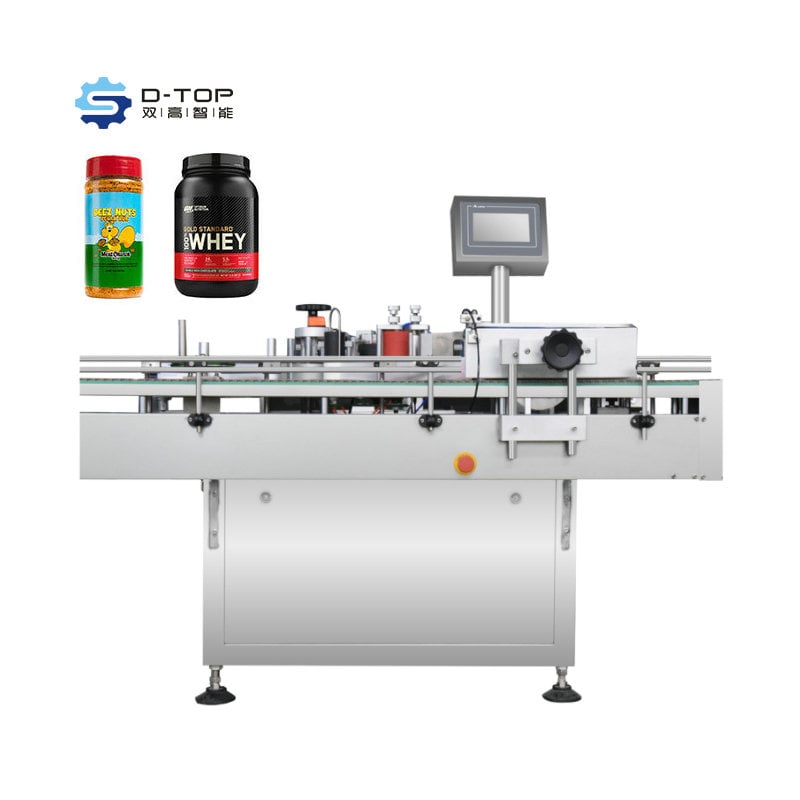
Modern manufacturing and packaging operations rely heavily on efficient labeling solutions to maintain product identification, branding, and regulatory compliance. The selection of appropriate labeling machines can significantly impact production efficiency, cost-effectiveness, and overall product presentation. Understanding the various types of labeling machines available in today's market enables businesses to make informed decisions that align with their specific production requirements and budget constraints.

The industrial labeling sector has evolved considerably over the past decade, with manufacturers developing specialized equipment to address diverse packaging formats, production volumes, and application requirements. From small-scale operations requiring manual application systems to high-speed automated production lines processing thousands of units per hour, the range of available labeling machines continues to expand to meet growing market demands.
Automatic Labeling Machine Categories
High-Speed Rotary Labeling Systems
High-speed rotary labeling machines represent the pinnacle of automated labeling technology, designed specifically for large-scale production environments where throughput and consistency are paramount. These sophisticated systems can process between 200 and 1,000 containers per minute, depending on the specific configuration and product requirements. The rotary design incorporates multiple labeling stations that work simultaneously, ensuring continuous operation and maximum efficiency.
The advanced servo motor technology found in modern rotary labeling machines provides precise control over label placement, tension, and timing. This level of precision ensures consistent label positioning across all products, reducing waste and maintaining brand presentation standards. Additionally, these systems often feature quick-change capabilities that allow operators to switch between different product sizes and label formats with minimal downtime.
Linear Labeling Equipment
Linear labeling machines offer a more straightforward approach to automated labeling, utilizing a straight-line conveyor system to transport products through the labeling process. These machines are particularly well-suited for medium-volume production runs where flexibility and ease of operation are prioritized over maximum speed. The linear design simplifies maintenance procedures and reduces the complexity of operator training requirements.
One significant advantage of linear labeling machines is their ability to accommodate a wide range of product shapes and sizes without extensive changeover procedures. This versatility makes them ideal for manufacturers who produce multiple product lines or frequently change between different packaging formats. The modular design of many linear systems also allows for future expansion and customization as production requirements evolve.
Semi-Automatic Labeling Solutions
Desktop Labeling Units
Desktop labeling machines provide an excellent entry point for small to medium-sized businesses seeking to improve their labeling efficiency without making substantial capital investments. These compact units typically require manual product placement and activation, but they significantly reduce the time and labor costs associated with hand-applied labeling processes. Most desktop labeling machines can handle production rates between 300 and 800 labels per hour.
The user-friendly design of desktop labeling machines makes them accessible to operators with minimal technical training. Many models feature intuitive controls, clear label path visibility, and simple adjustment mechanisms for different label sizes and product dimensions. This simplicity translates to reduced downtime and increased operational efficiency, particularly for businesses with varying production schedules or seasonal demand fluctuations.
Bench-Top Labeling Systems
Bench-top labeling machines offer enhanced capabilities compared to desktop units while maintaining the flexibility and affordability that smaller operations require. These systems typically incorporate more sophisticated label dispensing mechanisms, improved accuracy controls, and the ability to handle larger label rolls for extended production runs. The sturdy construction and reliable performance of bench-top labeling machines make them suitable for daily production environments.
Many bench-top labeling machines feature adjustable speed controls, allowing operators to optimize the labeling process for different product types and operator skill levels. The ability to fine-tune the application speed ensures consistent label placement while accommodating various container materials and surface textures. This flexibility makes bench-top systems particularly valuable for businesses that process diverse product lines or work with multiple packaging suppliers.
Manual Labeling Equipment Options
Hand-Held Label Dispensers
Hand-held label dispensers represent the most basic category of labeling machines, providing a cost-effective solution for very low-volume applications or specialty labeling tasks. These portable devices eliminate the need for manual label peeling and positioning, reducing application time and improving label placement consistency. Despite their simplicity, quality hand-held dispensers can significantly improve productivity in appropriate applications.
The portability of hand-held labeling machines makes them invaluable for field applications, warehouse operations, or situations where products cannot be easily transported to a fixed labeling station. Many models feature ergonomic designs that reduce operator fatigue during extended use, while adjustable label guides ensure accurate placement across different product surfaces. For businesses with irregular labeling requirements or multiple work locations, hand-held dispensers provide essential flexibility.
Manual Label Applicators
Manual label applicators bridge the gap between hand-held dispensers and semi-automatic machines, offering improved accuracy and speed while maintaining the simplicity of manual operation. These devices typically feature fixed mounting systems that provide stable label dispensing and consistent application pressure. The controlled environment of manual applicators results in more uniform label placement compared to completely hand-applied methods.
The design of manual label applicators often incorporates features that reduce operator training requirements and minimize application errors. Clear sight lines, intuitive operation sequences, and positive feedback mechanisms help ensure consistent results across different operators and production shifts. For businesses that value operational simplicity while seeking improved labeling quality, manual applicators represent an excellent compromise solution.
Specialized Labeling Machine Applications
Round Container Labeling Equipment
Round container labeling represents one of the most common applications in the packaging industry, requiring specialized equipment designed to handle cylindrical products ranging from small vials to large drums. These labeling machines incorporate sophisticated wrap-around mechanisms that ensure smooth label application without wrinkles, bubbles, or misalignment. The precision required for round container labeling demands careful attention to container handling, label tension control, and timing coordination.
Modern round container labeling machines often feature adjustable container guides, variable-speed controls, and programmable labeling parameters that accommodate different bottle sizes and label dimensions. The integration of optical sensors and feedback systems enables these machines to detect container presence, monitor label placement accuracy, and automatically adjust for variations in container positioning. This level of automation ensures consistent results while minimizing operator intervention and reducing potential for application errors.
Flat Surface Labeling Systems
Flat surface labeling applications present unique challenges that require specialized equipment designed to handle planar packaging formats such as boxes, pouches, and flat bottles. These labeling machines must provide precise label placement control while accommodating variations in package thickness, surface texture, and material composition. The tamp-blow application method commonly used in flat surface labeling ensures strong adhesion and professional appearance across diverse packaging materials.
The versatility of flat surface labeling machines makes them essential for operations that process multiple packaging formats or frequently change between different product lines. Advanced models incorporate quick-change tooling systems that allow rapid conversion between different package sizes and label configurations. This flexibility enables manufacturers to maintain efficient production schedules while accommodating diverse customer requirements and market demands.
Production Volume Considerations
Low-Volume Production Requirements
Low-volume production environments typically process fewer than 1,000 units per day, requiring labeling machines that prioritize flexibility, ease of use, and cost-effectiveness over maximum speed. These operations often benefit from semi-automatic or manual labeling machines that can handle multiple product types without extensive changeover procedures. The lower capital investment associated with these systems makes them accessible to small businesses and startup operations.
The selection of appropriate labeling machines for low-volume production must consider factors beyond initial cost, including maintenance requirements, operator training needs, and potential for future expansion. Many successful small-scale operations choose modular labeling systems that can be upgraded or expanded as production volumes increase. This scalable approach provides immediate operational benefits while protecting long-term investment interests.
High-Volume Production Demands
High-volume production environments processing thousands of units per hour require fully automatic labeling machines with sophisticated control systems, redundant safety features, and minimal maintenance requirements. These operations depend on continuous uptime and consistent performance to meet production targets and maintain profitability. The selection of high-speed labeling machines must carefully balance initial capital investment against long-term operational costs and productivity benefits.
Advanced high-volume labeling machines incorporate predictive maintenance features, real-time performance monitoring, and automatic adjustment capabilities that minimize operator intervention and reduce downtime. The integration of these systems with overall production line controls enables coordinated operation and optimal efficiency across the entire packaging process. For manufacturers operating in competitive markets where efficiency directly impacts profitability, investing in premium labeling machines often provides substantial returns through reduced labor costs and improved throughput.
Key Selection Criteria
Product Compatibility Assessment
The compatibility between labeling machines and specific product characteristics represents a critical factor in equipment selection decisions. Container shape, size, material composition, and surface texture all influence the type of labeling equipment that will provide optimal results. Cylindrical products require different handling mechanisms than flat surfaces, while textured or curved surfaces may demand specialized application techniques to ensure proper label adhesion.
Comprehensive product compatibility assessment should include evaluation of current packaging formats as well as potential future product developments. Many manufacturers benefit from choosing labeling machines with broad compatibility ranges that can accommodate product line extensions without requiring additional equipment purchases. This forward-thinking approach helps maximize the useful life of labeling equipment investments while maintaining operational flexibility.
Integration and Automation Requirements
Modern production environments increasingly rely on integrated automation systems that coordinate multiple packaging operations for maximum efficiency and minimal labor requirements. The selection of labeling machines must consider compatibility with existing conveyor systems, quality control equipment, and production management software. Seamless integration capabilities can significantly impact overall line efficiency and operational costs.
Advanced labeling machines often feature communication protocols that enable real-time data exchange with production control systems, providing valuable insights into operational performance and maintenance requirements. This connectivity supports predictive maintenance programs, quality monitoring initiatives, and overall equipment effectiveness optimization. For manufacturers investing in Industry 4.0 technologies, choosing labeling machines with robust integration capabilities ensures long-term compatibility and maximum return on investment.
FAQ
What factors should I consider when choosing between automatic and semi-automatic labeling machines
The choice between automatic and semi-automatic labeling machines depends primarily on your production volume, budget constraints, and operational flexibility requirements. Automatic systems excel in high-volume environments where consistent throughput and minimal operator intervention are essential, while semi-automatic machines offer cost-effective solutions for medium-volume operations that value flexibility and lower initial investment. Consider your daily production targets, available labor resources, and growth projections when making this decision.
How do I determine the appropriate labeling machine speed for my operation
Labeling machine speed selection should be based on your peak production requirements rather than average daily volumes to ensure adequate capacity during busy periods. Calculate your maximum hourly production needs and add a 20-30% buffer to account for potential efficiency losses and future growth. Remember that excessively fast labeling machines may be unnecessarily complex and expensive for your actual requirements, while undersized equipment can create production bottlenecks that limit overall line efficiency.
What maintenance considerations are important for labeling machines
Regular maintenance requirements vary significantly between different types of labeling machines, with automatic systems typically requiring more sophisticated preventive maintenance programs than manual or semi-automatic units. Key maintenance considerations include cleaning procedures, lubrication schedules, sensor calibration, and replacement part availability. Choose labeling machines from manufacturers that provide comprehensive maintenance support, readily available spare parts, and detailed maintenance documentation to minimize downtime and operational disruptions.
Can labeling machines handle different label sizes and materials
Most modern labeling machines offer significant flexibility in handling various label sizes and materials, though the specific range depends on the equipment design and intended application. Premium labeling machines often feature tool-free adjustment mechanisms that allow quick changes between different label formats, while basic models may require more extensive changeover procedures. When evaluating equipment options, consider your current label requirements as well as potential future needs to ensure adequate versatility and long-term usefulness.
Table of Contents
- Automatic Labeling Machine Categories
- Semi-Automatic Labeling Solutions
- Manual Labeling Equipment Options
- Specialized Labeling Machine Applications
- Production Volume Considerations
- Key Selection Criteria
-
FAQ
- What factors should I consider when choosing between automatic and semi-automatic labeling machines
- How do I determine the appropriate labeling machine speed for my operation
- What maintenance considerations are important for labeling machines
- Can labeling machines handle different label sizes and materials