 EN
EN

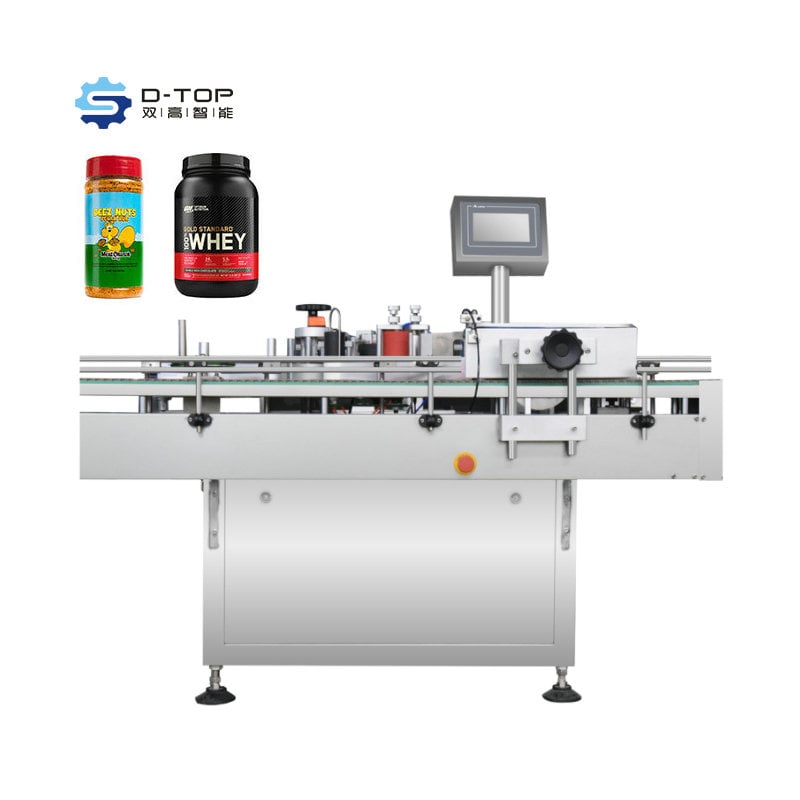
Manufacturing and packaging operations across industries are increasingly turning to automated solutions to enhance productivity and maintain quality standards. An auto labeling machine represents a critical investment for businesses seeking to streamline their packaging processes while ensuring consistent, professional presentation of their products. These sophisticated systems have revolutionized how companies approach labeling tasks, transforming what was once a labor-intensive manual process into an efficient, accurate, and cost-effective operation.
The adoption of automated labeling technology has become essential for businesses competing in today's fast-paced market environment. Companies that invest in an auto labeling machine often discover that the benefits extend far beyond simple label application, creating ripple effects throughout their entire production and quality control processes. Understanding these advantages helps businesses make informed decisions about implementing this technology in their operations.
Enhanced Productivity and Speed
Rapid Processing Capabilities
Modern auto labeling machine systems can process hundreds or even thousands of products per hour, dramatically outpacing manual labeling operations. This speed advantage becomes particularly significant in high-volume production environments where meeting tight deadlines is crucial for customer satisfaction and market competitiveness. The consistent pace of automated systems eliminates the variability associated with human workers, who may slow down due to fatigue or other factors throughout a shift.
The processing speed of an auto labeling machine also enables manufacturers to respond quickly to market demands and seasonal fluctuations. When customer orders surge unexpectedly, automated systems can maintain their output levels without requiring additional training time or workforce expansion. This scalability factor makes automated labeling solutions particularly valuable for businesses experiencing growth or operating in volatile markets.
Continuous Operation Benefits
Unlike manual labeling processes that require breaks, shift changes, and other interruptions, an auto labeling machine can operate continuously with minimal downtime. This continuous operation capability translates into maximized production hours and improved overall equipment effectiveness. The ability to run extended production cycles without human intervention allows manufacturers to optimize their facility utilization and meet demanding production schedules.
Extended operation periods also contribute to better resource allocation within manufacturing facilities. Staff members previously assigned to labeling tasks can be redirected to higher-value activities such as quality control, equipment maintenance, or process improvement initiatives. This reallocation of human resources often results in improved overall operational efficiency and employee satisfaction.
Precision and Quality Control
Consistent Label Placement
One of the most significant advantages of implementing an auto labeling machine is the consistent, precise placement of labels on products. Automated systems use advanced sensors and positioning mechanisms to ensure that every label is applied at exactly the same location with identical alignment and pressure. This consistency is virtually impossible to achieve through manual processes, where slight variations in placement are inevitable.
Consistent label placement contributes significantly to brand image and product presentation quality. Products with uniformly applied labels create a professional appearance that enhances consumer confidence and brand perception. Retailers also prefer products with consistent labeling as they display better on shelves and create a more organized, appealing presentation for customers.
Reduced Error Rates
Manual labeling processes are inherently susceptible to human error, including incorrect label selection, misalignment, wrinkles, and missed applications. An auto labeling machine virtually eliminates these common errors through programmed sequences and quality control sensors that verify proper label application. This reduction in error rates directly translates to decreased waste, lower rework costs, and improved customer satisfaction.
The precision of automated systems also ensures compliance with regulatory requirements and industry standards that specify exact label placement and information visibility. Industries such as pharmaceuticals, food and beverage, and chemicals have strict labeling regulations that automated systems can consistently meet without the variability associated with manual processes.
Cost Efficiency and Return on Investment
Labor Cost Reduction
Implementing an auto labeling machine significantly reduces the labor costs associated with packaging operations. While the initial investment in automated equipment requires capital expenditure, the ongoing savings in labor costs typically provide a strong return on investment within 12 to 24 months. This cost reduction becomes even more pronounced as labor costs continue to rise in many markets.
The labor savings extend beyond direct wages to include reduced costs for training, benefits, and workforce management. Automated systems require minimal operator intervention once properly configured, eliminating the need for extensive training programs and reducing the complexity of workforce scheduling and management.
Material Waste Minimization
Auto labeling machine systems are engineered to minimize material waste through precise label dispensing and application mechanisms. Unlike manual processes where labels may be damaged, misaligned, or wasted due to operator error, automated systems use only the necessary amount of labeling material for each application. This efficiency in material usage contributes to reduced operating costs and improved environmental sustainability.
Advanced auto labeling machine models include features such as label edge detection and automatic waste removal, further optimizing material utilization. These systems can also accommodate various label sizes and materials without requiring significant setup changes, providing flexibility while maintaining efficiency.
Versatility and Adaptability
Multiple Product Compatibility
Modern auto labeling machine systems are designed to handle diverse product shapes, sizes, and materials with minimal changeover requirements. This versatility allows manufacturers to use a single system for multiple product lines, reducing equipment costs and floor space requirements. The ability to quickly switch between different labeling configurations makes these systems particularly valuable for companies producing varied product ranges.
The adaptability of an auto labeling machine extends to different label types and materials, including paper, plastic, transparent, and specialty labels. This flexibility enables manufacturers to respond to changing market demands, seasonal requirements, or customer specifications without investing in additional equipment or significantly modifying existing processes.
Integration Capabilities
Auto labeling machine systems can be seamlessly integrated into existing production lines and manufacturing execution systems. This integration capability allows for coordinated operation with other packaging equipment, quality control systems, and inventory management platforms. The ability to integrate with broader manufacturing systems enhances overall operational efficiency and data collection capabilities.
Integration also enables real-time monitoring and control of labeling operations, providing valuable data for process optimization and quality assurance. Many auto labeling machine systems include connectivity features that support Industry 4.0 initiatives and smart manufacturing concepts.
FAQ
How long does it take to see return on investment from an auto labeling machine
Most businesses see a return on investment from an auto labeling machine within 12 to 24 months, depending on their current labor costs and production volumes. Higher volume operations typically achieve faster payback periods due to greater labor savings and increased efficiency. The ROI calculation should include not only direct labor savings but also reduced waste, improved quality, and increased production capacity.
Can an auto labeling machine handle different product sizes without major modifications
Yes, modern auto labeling machine systems are designed with adjustable components that can accommodate various product sizes and shapes. Most systems allow for quick changeovers between different products through simple adjustments to guides, sensors, and dispensing mechanisms. This flexibility makes automated labeling suitable for manufacturers with diverse product lines.
What maintenance requirements are associated with auto labeling machine operation
An auto labeling machine typically requires routine cleaning, periodic calibration of sensors, and regular inspection of mechanical components. Most manufacturers provide detailed maintenance schedules and training to ensure optimal performance. Preventive maintenance programs help maximize uptime and extend equipment life, while modern systems often include diagnostic capabilities that alert operators to potential issues before they cause downtime.
How does an auto labeling machine improve product quality compared to manual processes
An auto labeling machine improves product quality through consistent label placement, elimination of human error, and precise application pressure. Automated systems ensure that every label is applied at the exact same position with identical alignment, creating a professional appearance that enhances brand image. The reduction in labeling defects also decreases waste and rework costs while improving customer satisfaction.
Table of Contents
- Enhanced Productivity and Speed
- Precision and Quality Control
- Cost Efficiency and Return on Investment
- Versatility and Adaptability
-
FAQ
- How long does it take to see return on investment from an auto labeling machine
- Can an auto labeling machine handle different product sizes without major modifications
- What maintenance requirements are associated with auto labeling machine operation
- How does an auto labeling machine improve product quality compared to manual processes