 EN
EN

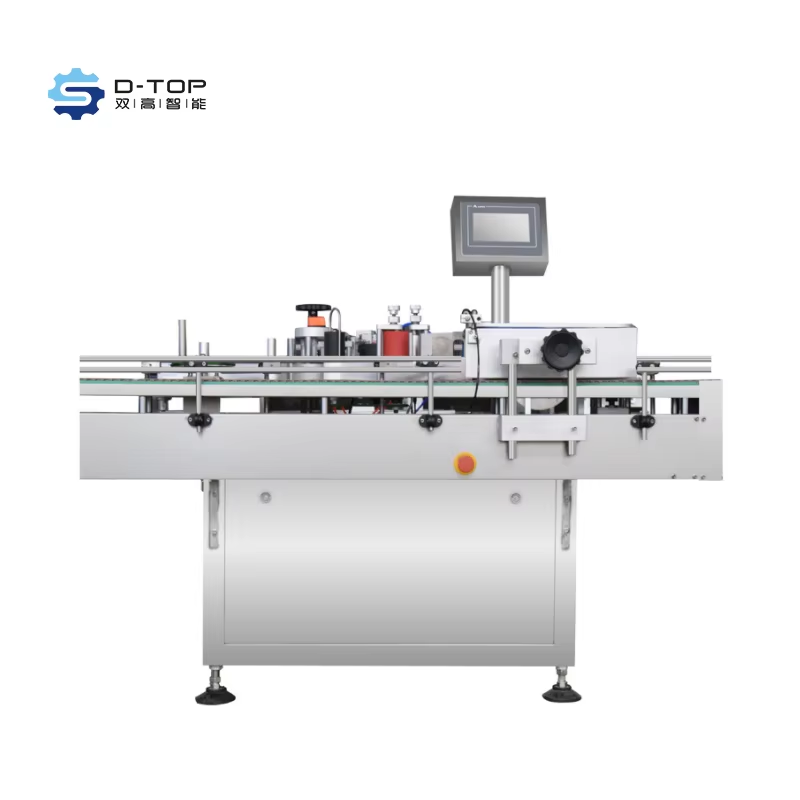
In today's highly competitive market, product packaging is not only a container to protect goods, but also the primary medium for communication between brands and consumers. A perfectly fitting and precisely positioned label can instantly catch a consumer's eye on the shelf, conveying a professional and high-quality brand image. Automatic labeling machines, as core equipment in modern production lines, are powerfully empowering product brands from multiple dimensions with their superior performance.
The integration of advanced labeling equipment into production lines represents a strategic investment in brand differentiation. Companies across various industries are discovering that precise, consistent labeling not only improves product aesthetics but also enhances operational efficiency and reduces long-term costs. This technological advancement has transformed how businesses approach product presentation, moving beyond simple identification to sophisticated branding tools that communicate quality, professionalism, and attention to detail.
Understanding Modern Auto Labeling Technology
Core Components and Functionality
Contemporary auto labeling machine systems incorporate sophisticated sensors, precision motors, and advanced control systems to deliver consistent results across high-volume production runs. These machines utilize programmable logic controllers that can be customized for specific product dimensions, label types, and application requirements. The integration of servo motors ensures precise label placement, while optical sensors verify proper positioning and alignment before final application.
The mechanical design of modern labeling equipment focuses on versatility and reliability. Adjustable guides accommodate various container shapes and sizes, from cylindrical bottles to rectangular boxes. Quick-change features allow operators to switch between different product lines efficiently, minimizing downtime and maximizing productivity. These systems often include touchscreen interfaces that simplify operation and provide real-time monitoring of production metrics.
Advanced Control Systems
Sophisticated control algorithms enable auto labeling machine units to adapt to varying production speeds and product specifications automatically. Machine learning capabilities allow these systems to optimize performance based on historical data and real-time feedback. Predictive maintenance features monitor component wear and alert operators to potential issues before they impact production quality or efficiency.
Integration with existing production management systems provides comprehensive tracking and reporting capabilities. These connections enable manufacturers to monitor labeling accuracy, production rates, and quality metrics in real-time. Data analytics help identify optimization opportunities and ensure consistent brand presentation across all products leaving the facility.
Impact on Brand Consistency and Quality
Precision and Repeatability Benefits
Manual labeling processes inherently introduce variability that can undermine brand perception. An auto labeling machine eliminates human error factors, ensuring every label is applied with identical precision and alignment. This consistency creates a professional appearance that consumers associate with quality and attention to detail. Studies indicate that products with consistent labeling experience higher consumer confidence and purchase rates.
The repeatability achieved through automated systems extends beyond basic placement accuracy. Pressure application, wrapping tension, and timing consistency all contribute to superior label adhesion and appearance. This reliability becomes particularly important for products with complex label designs, multiple label applications, or premium positioning where visual perfection is essential for brand credibility.
Enhanced Visual Appeal
Professional-grade labeling equipment enables the use of premium label materials and complex designs that would be challenging or impossible to apply manually. Metallic foils, textured substrates, and multi-layer constructions require precise application techniques that auto labeling machine technology delivers consistently. These enhanced visual elements significantly improve shelf appeal and brand differentiation in competitive retail environments.
Color accuracy and print quality preservation become critical factors in maintaining brand integrity. Automated systems minimize handling and contamination that can degrade label appearance. Protection from oils, moisture, and mechanical damage during application ensures that brand colors and graphics appear exactly as intended throughout the product's lifecycle.
Operational Efficiency and Cost Considerations
Production Speed Optimization
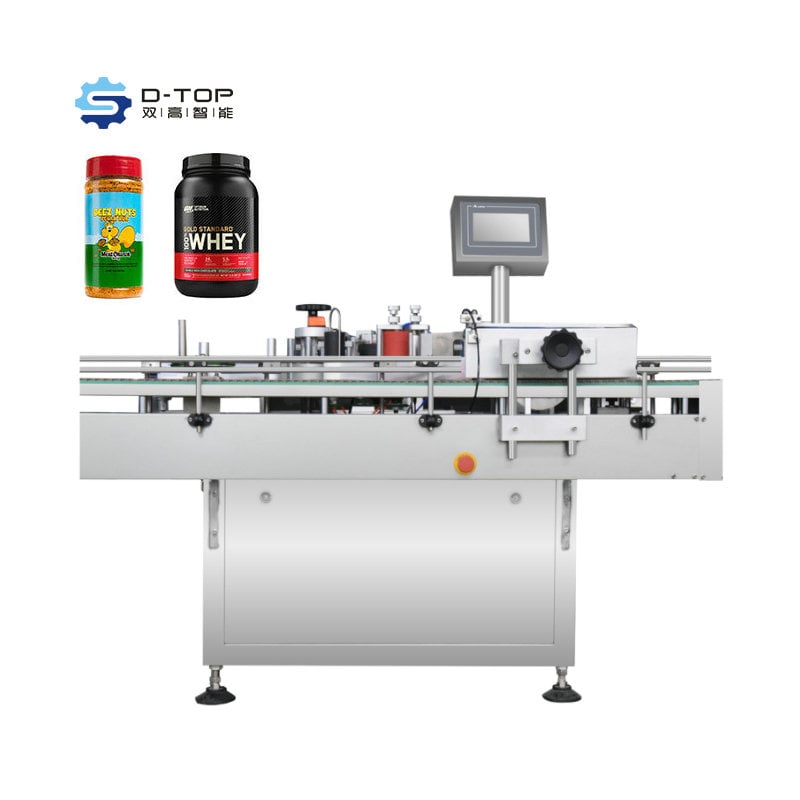
Modern labeling automation dramatically increases production throughput compared to manual processes. A well-configured auto labeling machine can process hundreds or thousands of units per hour, depending on product complexity and label requirements. This speed advantage translates directly into reduced labor costs and increased production capacity without compromising quality standards.
The consistency of automated processes also reduces waste from mislabeled products and rework requirements. Precise material usage optimization ensures minimal label waste, while consistent application reduces the need for quality control interventions. These efficiency gains compound over time, providing significant cost savings that justify the initial equipment investment.
Labor and Resource Management
Automation frees skilled workers from repetitive labeling tasks, allowing them to focus on higher-value activities such as quality control, maintenance, and process optimization. This workforce reallocation often results in improved job satisfaction and career development opportunities while maintaining or improving overall productivity levels.
Reduced dependency on manual labor also provides greater production scheduling flexibility. Automated systems can operate during extended shifts or unmanned periods, enabling manufacturers to meet varying demand patterns without proportional increases in labor costs. This flexibility becomes particularly valuable during peak seasons or when fulfilling large orders with tight deadlines.
Industry Applications and Use Cases
Food and Beverage Sector
The food and beverage industry represents one of the largest markets for auto labeling machine applications. Regulatory compliance requirements, combined with intense brand competition, make consistent, accurate labeling essential for success. Automated systems handle the complex requirements of nutritional information, ingredient lists, and regulatory text while maintaining attractive brand graphics and promotional messaging.
Temperature variations, moisture exposure, and handling stresses common in food processing environments require robust labeling solutions. Advanced machines incorporate features specifically designed for these conditions, including condensation management, temperature-resistant adhesives, and protective coatings that preserve label integrity throughout distribution and storage.
Pharmaceutical and Healthcare
Pharmaceutical labeling demands exceptional accuracy and traceability, making automation not just beneficial but often mandatory for regulatory compliance. Auto labeling machine systems in this sector incorporate serialization capabilities, verification systems, and audit trails that meet stringent FDA and international regulatory requirements while supporting brand differentiation strategies.
The precision required for small-format labels containing critical dosage information, warnings, and patient instructions makes manual application impractical at commercial scales. Automated systems ensure readability, proper positioning, and complete information transfer while maintaining the professional appearance essential for healthcare product credibility.
Technology Integration and Future Developments
Industry 4.0 Connectivity
Contemporary auto labeling machine designs incorporate Internet of Things connectivity that enables remote monitoring, predictive maintenance, and production optimization. These smart systems collect and analyze performance data to identify trends, predict component replacement needs, and optimize operating parameters for maximum efficiency and quality.
Integration with enterprise resource planning systems provides comprehensive production visibility and enables automatic adjustments based on demand forecasts, inventory levels, and quality requirements. This connectivity transforms labeling equipment from standalone machines into integral components of intelligent manufacturing ecosystems.
Artificial Intelligence and Machine Learning
Emerging artificial intelligence applications in labeling technology focus on quality control, process optimization, and predictive analytics. Vision systems powered by machine learning algorithms can detect subtle quality variations that might escape human inspection, ensuring consistent brand presentation while reducing waste and rework costs.
Adaptive control systems learn from operational patterns and automatically adjust parameters to maintain optimal performance across varying conditions. This intelligence enables auto labeling machine systems to accommodate product variations, environmental changes, and wear patterns without manual intervention, ensuring consistent brand quality throughout equipment lifecycles.
Return on Investment Analysis
Direct Cost Savings
The financial benefits of implementing auto labeling machine technology extend across multiple operational areas. Labor cost reductions typically represent the most immediate and measurable savings, with automated systems often paying for themselves within 12-18 months through reduced personnel requirements and increased productivity.
Material waste reduction contributes significantly to cost savings, particularly for companies using premium label materials or complex multi-component designs. Precise application techniques minimize waste while ensuring optimal material utilization. Quality improvements reduce product rejection rates and associated rework costs, further enhancing the economic benefits of automation.
Brand Value Enhancement
The brand value improvements achieved through consistent, professional labeling often exceed direct cost savings in long-term impact. Enhanced shelf appeal, improved consumer perception, and increased brand credibility translate into higher sales volumes, premium pricing opportunities, and expanded market share.
Market research consistently demonstrates that consumers associate consistent, high-quality packaging with superior products and trustworthy brands. Auto labeling machine implementation enables companies to achieve this consistency at scale, supporting brand positioning strategies and justifying premium pricing in competitive markets.
FAQ
What types of products benefit most from auto labeling machine implementation
Products with high-volume production requirements, complex labeling needs, or premium brand positioning benefit most from automated labeling systems. Industries such as food and beverage, pharmaceuticals, cosmetics, and consumer goods see significant improvements in consistency, efficiency, and brand presentation. Companies producing seasonal items or products with frequently changing promotional labeling also benefit from the flexibility and speed of automated systems.
How does automated labeling equipment integrate with existing production lines
Modern auto labeling machine systems are designed for seamless integration with existing conveyor systems, packaging lines, and production management software. Most units feature adjustable height, width, and speed settings to match current line parameters. Integration typically involves mechanical mounting, electrical connections, and software configuration that can often be completed with minimal production disruption. Many systems include modular designs that allow for future expansion or modification as production requirements evolve.
What maintenance requirements should companies expect with labeling automation
Preventive maintenance for auto labeling machine equipment typically includes regular cleaning, lubrication, sensor calibration, and wear component replacement. Most systems feature diagnostic capabilities that alert operators to maintenance needs before they affect production quality. Routine maintenance intervals vary by usage intensity but generally range from weekly cleaning procedures to annual comprehensive inspections. Many manufacturers offer maintenance contracts and remote monitoring services that reduce the internal maintenance burden while ensuring optimal equipment performance.
How quickly can companies expect to see return on investment from labeling automation
Return on investment timelines for auto labeling machine implementations typically range from 12 to 24 months, depending on production volumes, labor costs, and efficiency improvements achieved. High-volume operations often see payback periods under one year through labor savings alone. Additional benefits such as reduced waste, improved quality, and enhanced brand value can significantly accelerate the return on investment. Companies should consider both direct cost savings and indirect benefits such as increased production capacity and improved market positioning when evaluating investment returns.
Table of Contents
- Understanding Modern Auto Labeling Technology
- Impact on Brand Consistency and Quality
- Operational Efficiency and Cost Considerations
- Industry Applications and Use Cases
- Technology Integration and Future Developments
- Return on Investment Analysis
-
FAQ
- What types of products benefit most from auto labeling machine implementation
- How does automated labeling equipment integrate with existing production lines
- What maintenance requirements should companies expect with labeling automation
- How quickly can companies expect to see return on investment from labeling automation