 EN
EN

The Essential Role of Modern Manufacturing Equipment in Pharmaceutical Production
The pharmaceutical industry stands as one of the most critical sectors in global healthcare, with pharmaceutical machinery serving as its backbone. This sophisticated equipment enables the precise, sterile, and efficient production of medications that millions rely on daily. From tablet compression machines to automated packaging systems, pharmaceutical machinery represents the intersection of engineering excellence and medical necessity.
Modern pharmaceutical manufacturing requires an intricate network of specialized equipment designed to handle everything from raw material processing to final packaging. These machines must operate under the strictest quality control standards while maintaining the integrity and efficacy of medical products. The evolution of pharmaceutical machinery has revolutionized drug production, making it possible to produce life-saving medications at scales previously unimaginable.
Core Components of Pharmaceutical Manufacturing Systems
Material Processing and Preparation Equipment
At the foundation of pharmaceutical production lies the equipment responsible for processing raw materials. Industrial-grade mills, mixers, and granulators transform bulk substances into precisely measured ingredients. These machines ensure uniform particle size distribution and proper blending of active pharmaceutical ingredients (APIs) with excipients.
Advanced pharmaceutical machinery in this category includes high-shear mixers, fluid bed processors, and roller compactors. Each piece of equipment serves a specific purpose in preparing materials for the next stage of production while maintaining strict quality standards and preventing cross-contamination.
Formulation and Production Machinery
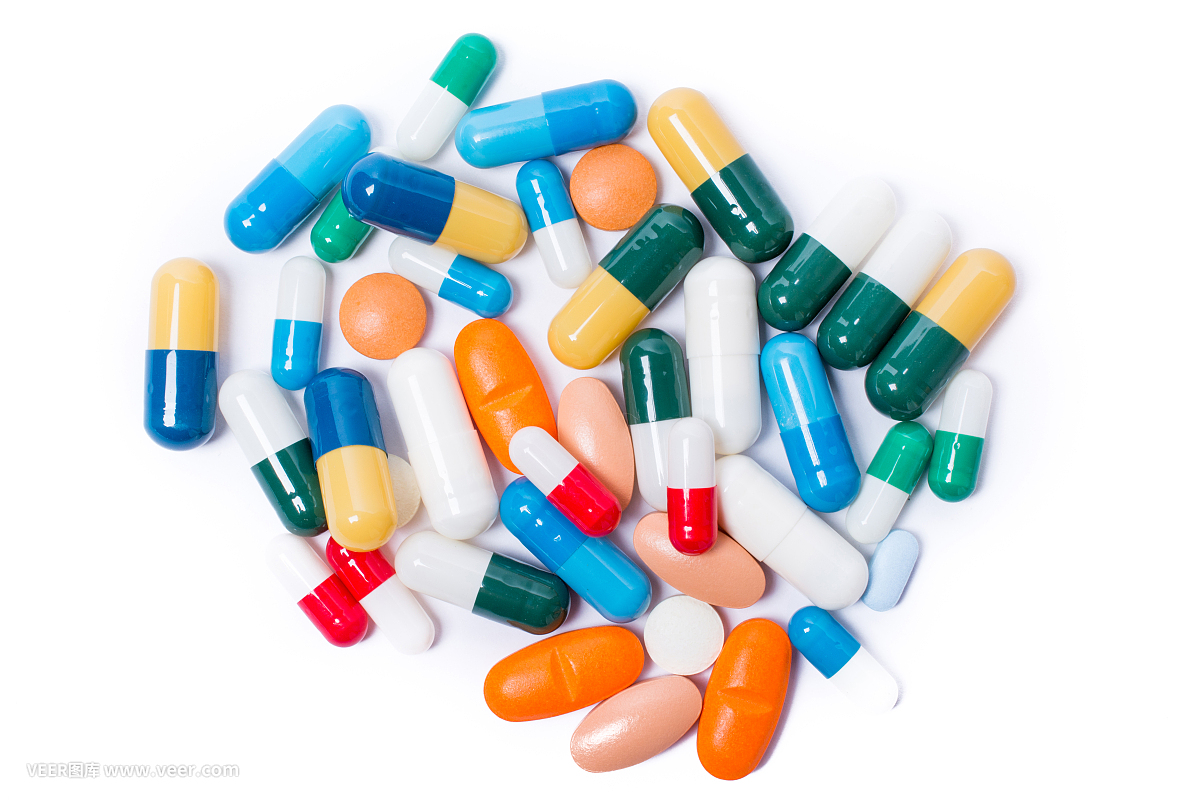
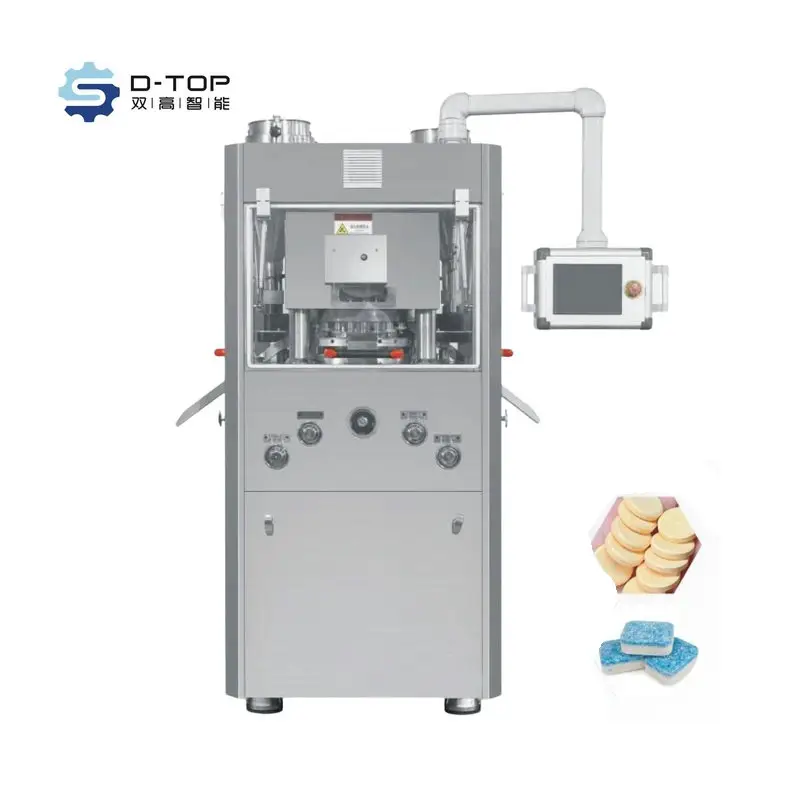
The heart of pharmaceutical manufacturing consists of specialized machinery designed for creating different dosage forms. Tablet press machines, capsule filling equipment, and coating systems work in concert to produce medications in their final form. These precision instruments must maintain exact measurements and uniformity across millions of units.
Modern pharmaceutical machinery incorporates automated control systems that monitor every aspect of production. From force sensors in tablet presses to thickness gauges in coating pans, these technological advances ensure consistent quality while maximizing output efficiency.
Advanced Technology Integration in Modern Equipment
Automation and Control Systems
Contemporary pharmaceutical machinery leverages sophisticated automation technology to enhance precision and reduce human error. Programmable logic controllers (PLCs) and supervisory control and data acquisition (SCADA) systems enable real-time monitoring and adjustment of production parameters.
The integration of smart sensors and Internet of Things (IoT) capabilities allows pharmaceutical machinery to collect and analyze vast amounts of production data. This technology enables predictive maintenance, quality assurance, and compliance tracking, revolutionizing how manufacturers approach equipment management.
Clean Room Technology and Containment Solutions
Advanced pharmaceutical machinery incorporates built-in containment features and clean room compatibility. These design elements protect both products and operators while ensuring compliance with regulatory requirements. Modern equipment includes HEPA filtration systems, airlock chambers, and specialized seals to maintain sterile conditions.
The latest innovations in pharmaceutical machinery focus on isolated barrier systems and rapid transfer ports, allowing for the safe handling of potent compounds while maintaining production efficiency. These technological advances have made it possible to manufacture increasingly complex pharmaceutical products under stringent environmental controls.
Quality Control and Regulatory Compliance Features
Integrated Testing and Verification Systems
Modern pharmaceutical machinery comes equipped with sophisticated quality control features. In-line testing capabilities allow for continuous monitoring of product specifications, while automated inspection systems can detect and reject defective units in real-time. This integration of quality control into the production process helps ensure consistent product quality while reducing waste.
Advanced vision systems and spectroscopic analyzers built into pharmaceutical machinery provide immediate feedback on product characteristics. These systems can detect variations in color, shape, weight, and chemical composition, enabling quick adjustments to maintain product specifications.
Documentation and Compliance Management
Today's pharmaceutical machinery includes comprehensive documentation capabilities to support regulatory compliance. Electronic batch records, audit trails, and automated reporting features help manufacturers maintain detailed records of all production activities. These systems simplify the process of demonstrating compliance with Good Manufacturing Practice (GMP) requirements.
Built-in validation features and calibration management systems ensure that pharmaceutical machinery operates within specified parameters. Regular performance verification and calibration checks can be scheduled and documented automatically, creating a robust quality assurance system.
Sustainable Operations and Energy Efficiency
Resource Optimization Technologies
Modern pharmaceutical machinery incorporates features designed to minimize resource consumption. Energy-efficient motors, smart power management systems, and precision control mechanisms reduce electricity usage while maintaining optimal performance. These innovations help manufacturers reduce their environmental impact while controlling operating costs.
Water recycling systems and waste reduction features are increasingly common in pharmaceutical machinery. Advanced filtration and purification systems enable the reuse of process water, while precise material handling reduces product waste during manufacturing operations.
Environmental Impact Reduction
The latest generation of pharmaceutical machinery includes design features specifically aimed at reducing environmental impact. Low-emission technologies and eco-friendly materials contribute to more sustainable manufacturing practices. Equipment manufacturers are increasingly focusing on developing machines that help pharmaceutical companies meet their sustainability goals.
Advanced heat recovery systems and energy management features help reduce the carbon footprint of pharmaceutical production. These innovations demonstrate the industry's commitment to environmental stewardship while maintaining the highest standards of product quality.
Frequently Asked Questions
What maintenance requirements are typical for pharmaceutical machinery?
Pharmaceutical machinery requires regular preventive maintenance, including calibration, cleaning, and component inspection. Modern equipment often features predictive maintenance systems that monitor performance metrics and alert operators when service is needed. Maintaining detailed maintenance records is essential for regulatory compliance.
How does pharmaceutical machinery ensure product safety?
Pharmaceutical machinery incorporates multiple safety features, including containment systems, clean room compatibility, and automated quality control mechanisms. These systems work together to prevent contamination, ensure precise dosing, and maintain product integrity throughout the manufacturing process.
What innovations are shaping the future of pharmaceutical machinery?
The future of pharmaceutical machinery is being shaped by artificial intelligence, advanced robotics, and continuous manufacturing technologies. These innovations promise to increase efficiency, improve quality control, and enable more flexible production systems. Additionally, the integration of IoT capabilities and smart manufacturing principles is driving the development of more connected and intelligent equipment.
Table of Contents
- The Essential Role of Modern Manufacturing Equipment in Pharmaceutical Production
- Core Components of Pharmaceutical Manufacturing Systems
- Advanced Technology Integration in Modern Equipment
- Quality Control and Regulatory Compliance Features
- Sustainable Operations and Energy Efficiency
- Frequently Asked Questions