 EN
EN

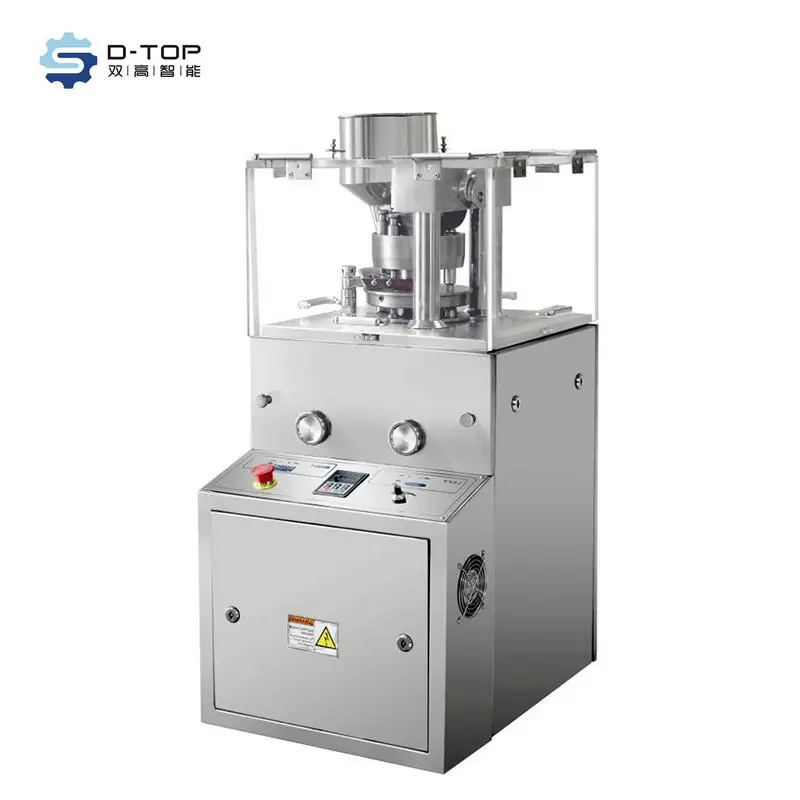
Selecting the right rotary tablet press machine represents a critical investment decision that can significantly impact pharmaceutical production efficiency, product quality, and overall operational success. Manufacturing facilities worldwide rely on these sophisticated pieces of equipment to transform powder formulations into consistent, high-quality tablets at industrial scale. The complexity of modern pharmaceutical production demands careful consideration of multiple factors before committing to a specific rotary tablet press machine. Understanding the technical specifications, operational requirements, and long-term implications ensures optimal equipment selection that aligns with production goals and regulatory compliance standards.
Production Capacity and Output Requirements
Determining Production Volume Needs
Production capacity stands as the primary consideration when evaluating a rotary tablet press machine for pharmaceutical operations. Different models offer varying throughput capabilities, ranging from smaller units producing thousands of tablets per hour to high-capacity machines generating millions of tablets daily. Manufacturers must analyze current production demands, projected growth patterns, and peak capacity requirements to select equipment that meets both immediate and future needs. The rotary tablet press machine configuration directly influences production efficiency, making capacity planning essential for operational success.
Understanding the relationship between turret size, press speed, and tablet output helps manufacturers make informed decisions about equipment specifications. Larger turret configurations with more stations typically provide higher production rates but require greater floor space and higher initial investment costs. Facility managers should evaluate available production space, utility requirements, and staffing capabilities when considering different capacity options for their rotary tablet press machine installation.
Flexibility for Multiple Product Lines
Modern pharmaceutical operations often require the ability to produce multiple tablet formulations using the same equipment platform. A versatile rotary tablet press machine should accommodate various tablet sizes, shapes, and formulation characteristics without extensive reconfiguration requirements. This flexibility reduces equipment investment costs and maximizes production efficiency across diverse product portfolios. Consider machines that offer quick changeover capabilities, adjustable compression parameters, and compatibility with different tooling configurations.
The ability to handle different tablet geometries and coating requirements adds significant value to rotary tablet press machine investments. Equipment that supports both standard and specialized tablet formats enables manufacturers to respond quickly to market demands and product development initiatives. Evaluate the machine's adaptability to future product requirements and potential expansion into new therapeutic areas or dosage forms.
Technical Specifications and Performance Features
Compression Technology and Force Control
Advanced compression technology represents a fundamental aspect of modern rotary tablet press machine design, directly impacting tablet quality, consistency, and production reliability. Sophisticated force control systems enable precise adjustment of compression parameters, ensuring uniform tablet properties across entire production batches. These systems monitor and adjust compression forces in real-time, maintaining optimal tablet hardness, thickness, and weight variation within strict pharmaceutical standards. The precision of force control mechanisms determines the machine's ability to produce high-quality tablets consistently.
Evaluating the compression technology involves examining force monitoring capabilities, feedback control systems, and adjustment mechanisms available in different rotary tablet press machine models. Advanced systems offer individual station monitoring, allowing operators to identify and correct compression issues before they affect product quality. Consider machines with servo-driven compression systems that provide superior control accuracy compared to traditional cam-driven mechanisms. The integration of electronic monitoring and control systems enhances both operational efficiency and regulatory compliance capabilities.
Tooling Systems and Compatibility
The tooling system compatibility significantly influences the operational flexibility and long-term cost-effectiveness of a rotary tablet press machine investment. Standard tooling systems ensure broader supplier options, reduced procurement costs, and simplified maintenance procedures. Machines that accept industry-standard tooling configurations provide greater flexibility for future expansion and product development initiatives. Evaluate the availability of specialized tooling options for unique tablet designs or specific formulation requirements.
Consider the tooling change procedures, setup time requirements, and documentation systems that support efficient changeovers between different product runs. Advanced rotary tablet press machine designs incorporate quick-change tooling systems that minimize downtime and reduce the risk of cross-contamination between different products. The ability to maintain multiple tooling sets and implement rapid changeover procedures directly impacts production efficiency and scheduling flexibility.
Quality Control and Monitoring Systems
In-Process Monitoring Capabilities
Modern pharmaceutical manufacturing requires comprehensive quality monitoring systems that ensure consistent product quality throughout the production process. A sophisticated rotary tablet press machine integrates multiple monitoring technologies that track critical quality parameters in real-time. These systems monitor tablet weight, thickness, hardness, and visual characteristics continuously, providing immediate feedback about process performance and product quality. Advanced monitoring capabilities enable proactive quality management and reduce the risk of producing non-conforming products.
The integration of weight monitoring systems, thickness measurement devices, and visual inspection technologies creates a comprehensive quality assurance framework within the rotary tablet press machine operation. Consider systems that provide statistical process control capabilities, trend analysis, and automated reject mechanisms for tablets that fall outside specification limits. The sophistication of monitoring systems directly impacts regulatory compliance, batch documentation requirements, and overall production efficiency.
Data Collection and Reporting Systems
Comprehensive data collection and reporting capabilities represent essential features for modern rotary tablet press machine operations in regulated pharmaceutical environments. Advanced systems capture detailed production data, quality measurements, and process parameters throughout each production run. This information supports batch documentation requirements, regulatory compliance, and continuous improvement initiatives. Evaluate systems that provide comprehensive data logging, trending analysis, and integration capabilities with existing manufacturing execution systems.
The ability to generate detailed production reports, quality summaries, and statistical analysis supports regulatory inspections and quality assurance procedures. Consider rotary tablet press machine systems that offer secure data storage, audit trail capabilities, and electronic signature functionality to meet pharmaceutical industry data integrity requirements. Integration with enterprise resource planning systems and quality management databases enhances overall operational efficiency and compliance management.
Regulatory Compliance and Validation Requirements
Good Manufacturing Practice Compliance
Regulatory compliance represents a non-negotiable requirement for pharmaceutical manufacturing equipment, making GMP compliance features essential considerations in rotary tablet press machine selection. Equipment design must facilitate cleaning procedures, prevent contamination, and support validation activities required by regulatory authorities. Machines with appropriate surface finishes, accessible design features, and documented cleaning procedures simplify compliance management and reduce validation complexity. The equipment's ability to maintain product integrity and prevent cross-contamination directly impacts regulatory approval and inspection outcomes.
Consider rotary tablet press machine designs that incorporate containment systems, dust collection capabilities, and materials of construction that meet pharmaceutical industry standards. Stainless steel construction, sanitary design principles, and appropriate surface treatments ensure compatibility with pharmaceutical cleaning and sanitization procedures. The availability of comprehensive documentation, including design specifications, material certifications, and validation support packages, facilitates regulatory submissions and inspection preparations.
Validation Support and Documentation
Comprehensive validation support significantly reduces the time and resources required to bring a rotary tablet press machine into compliant operation. Equipment suppliers should provide detailed validation protocols, testing procedures, and documentation packages that support installation qualification, operational qualification, and performance qualification activities. The availability of factory acceptance testing, site acceptance testing, and ongoing validation support reduces project risk and accelerates production startup timelines.
Evaluate the supplier's experience with pharmaceutical validation requirements and their ability to provide ongoing support throughout the equipment lifecycle. Consider rotary tablet press machine suppliers that offer validation consulting services, protocol development assistance, and technical support during regulatory inspections. The quality of validation documentation and ongoing compliance support significantly impacts long-term operational success and regulatory confidence.
Operational Efficiency and Maintenance Considerations
Cleaning and Changeover Procedures
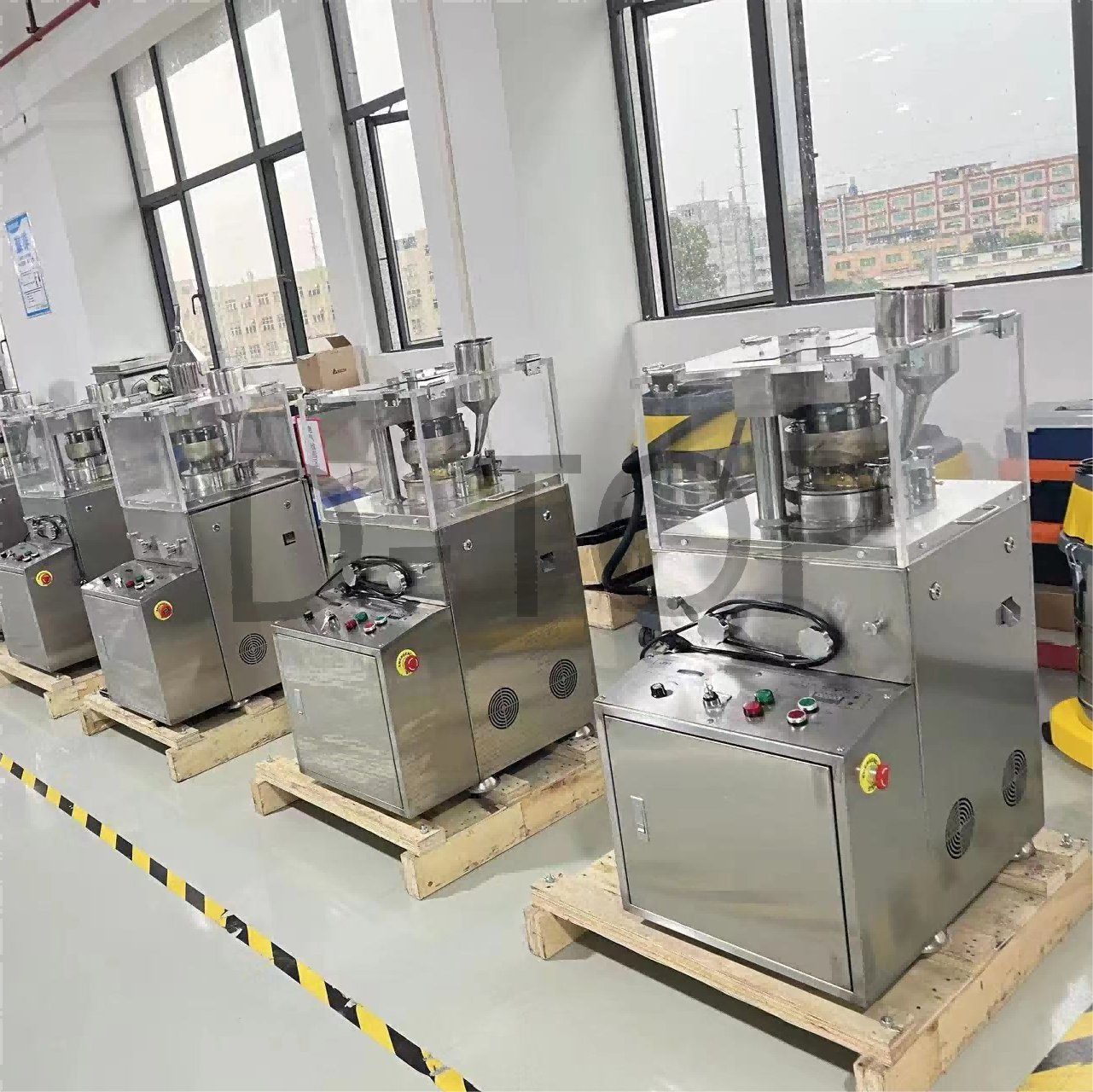
Efficient cleaning and changeover procedures directly impact production scheduling, contamination risk management, and overall operational efficiency in rotary tablet press machine operations. Equipment design should facilitate rapid disassembly, thorough cleaning, and quick reassembly to minimize downtime between different product runs. Consider machines with simplified cleaning procedures, accessible design features, and clear cleaning validation protocols that support efficient operations and regulatory compliance. The time required for cleaning and changeover activities significantly influences production capacity and scheduling flexibility.
Advanced rotary tablet press machine designs incorporate features that simplify cleaning procedures and reduce the risk of cross-contamination between different products. Evaluate systems with removable components, smooth surface finishes, and minimal dead spaces that could harbor residual materials. The availability of cleaning-in-place capabilities and automated cleaning systems can further reduce changeover time and improve cleaning consistency across different operators and production shifts.
Preventive Maintenance and Service Requirements
Comprehensive preventive maintenance programs ensure reliable operation and extend the operational life of rotary tablet press machine investments. Equipment suppliers should provide detailed maintenance schedules, procedures, and training programs that support effective maintenance management. Consider the availability of spare parts, service technician support, and remote diagnostic capabilities that minimize unplanned downtime and maintenance costs. The complexity of maintenance procedures and frequency of required service activities directly impact operational costs and production reliability.
Evaluate the supplier's service network, response times, and technical support capabilities when selecting a rotary tablet press machine for critical production applications. Consider equipment designs that incorporate predictive maintenance technologies, remote monitoring capabilities, and user-friendly diagnostic systems that support proactive maintenance management. The availability of comprehensive training programs for maintenance personnel ensures effective equipment care and optimal performance throughout the equipment lifecycle.
Cost Analysis and Return on Investment
Initial Investment and Installation Costs
The initial investment in a rotary tablet press machine encompasses equipment purchase price, installation costs, validation expenses, and training requirements. Comprehensive cost analysis should consider not only the base equipment price but also auxiliary systems, facility modifications, and project management costs associated with successful implementation. Different machine configurations offer varying cost-benefit profiles, requiring careful analysis of production requirements versus investment levels to optimize return on investment calculations.
Consider the total cost of ownership when evaluating different rotary tablet press machine options, including ongoing operational expenses, maintenance costs, and potential upgrade requirements. Higher initial investments in advanced technology platforms often provide superior long-term value through improved efficiency, reduced maintenance costs, and enhanced regulatory compliance capabilities. Evaluate financing options, tax implications, and potential government incentives that may influence the overall investment decision.
Long-term Operational Savings
Long-term operational savings from an efficient rotary tablet press machine can significantly offset higher initial investment costs through reduced labor requirements, improved yield rates, and enhanced production efficiency. Advanced automation features reduce operator requirements while improving consistency and reducing the risk of human error. Energy-efficient designs and optimized production processes contribute to lower utility costs and reduced environmental impact throughout the equipment lifecycle.
Calculate potential savings from improved product quality, reduced waste generation, and enhanced production flexibility when evaluating different rotary tablet press machine alternatives. Consider the value of reduced downtime, faster changeovers, and improved regulatory compliance in determining overall return on investment. The ability to expand production capacity and accommodate new product requirements without additional equipment investments provides significant long-term value for growing pharmaceutical operations.
FAQ
What production capacity should I expect from a rotary tablet press machine?
Production capacity varies significantly based on machine configuration, tablet size, and formulation characteristics. Entry-level rotary tablet press machines typically produce 50,000 to 200,000 tablets per hour, while high-capacity industrial units can exceed 1 million tablets per hour. The number of stations in the turret, press speed, and tablet complexity directly influence production rates. Consider both maximum theoretical capacity and practical production rates that account for changeovers, maintenance, and quality control activities when evaluating different machines.
How important is tooling standardization in rotary tablet press machine selection?
Tooling standardization provides significant advantages in terms of supplier options, cost management, and operational flexibility. Standard tooling systems enable broader supplier competition, reducing procurement costs and ensuring availability of replacement tools. Standardized systems also simplify inventory management and reduce the complexity of maintaining multiple tooling sets for different products. However, some specialized applications may require custom tooling solutions that offer superior performance for specific formulation requirements.
What validation support should I expect from equipment suppliers?
Comprehensive validation support should include detailed protocols for installation qualification, operational qualification, and performance qualification activities. Reputable suppliers provide factory acceptance testing documentation, material certifications, and design specifications that support regulatory submissions. Look for suppliers that offer validation consulting services, protocol development assistance, and ongoing technical support during regulatory inspections. The quality of validation documentation and supplier expertise significantly impacts project timelines and regulatory confidence.
How do I determine the appropriate level of automation for my rotary tablet press machine?
Automation level selection depends on production volume requirements, operator skill levels, and quality consistency objectives. Higher automation levels provide improved consistency and reduced labor requirements but require greater initial investment and more sophisticated maintenance capabilities. Consider your facility's technical expertise, training resources, and long-term production goals when evaluating different automation options. Start with essential automation features and plan for future upgrades as production volumes and requirements evolve.
Table of Contents
- Production Capacity and Output Requirements
- Technical Specifications and Performance Features
- Quality Control and Monitoring Systems
- Regulatory Compliance and Validation Requirements
- Operational Efficiency and Maintenance Considerations
- Cost Analysis and Return on Investment
-
FAQ
- What production capacity should I expect from a rotary tablet press machine?
- How important is tooling standardization in rotary tablet press machine selection?
- What validation support should I expect from equipment suppliers?
- How do I determine the appropriate level of automation for my rotary tablet press machine?