 EN
EN

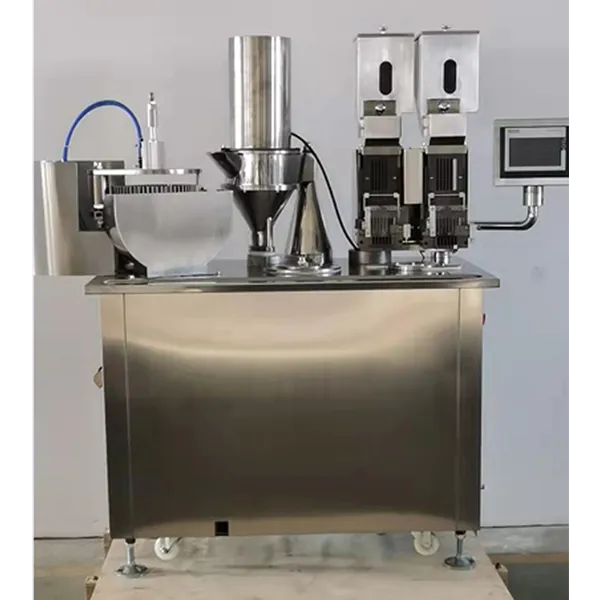
Small-scale pharmaceutical and nutraceutical manufacturers face unique challenges when selecting production equipment that balances efficiency with budget constraints. A semi automatic capsule filling machine represents an optimal solution for businesses operating in the small batch production segment, offering precision, versatility, and cost-effectiveness. These innovative systems bridge the gap between manual operations and fully automated production lines, enabling manufacturers to maintain quality standards while scaling their operations efficiently.
The pharmaceutical industry increasingly demands flexible manufacturing solutions that can adapt to varying production volumes without compromising quality or regulatory compliance. Modern semi automatic capsule filling equipment addresses these requirements by providing consistent filling accuracy while maintaining the operational flexibility essential for small-batch production environments. This technology enables manufacturers to achieve professional-grade results without the substantial investment required for fully automated systems.
Understanding Semi Automatic Capsule Filling Technology
Core Operating Principles
The core operating principle of a semi-automatic capsule filling machine is to use a mechanical cam system to perform capsule separation, volumetric dosing filling (via dosing disc and scraper), and locking, while capsule arrangement and process handling are assisted manually, thereby achieving low-cost, high-flexibility quantitative filling. This hybrid approach ensures precise control over the filling process while significantly reducing labor requirements compared to manual operations.
Key Technical Components
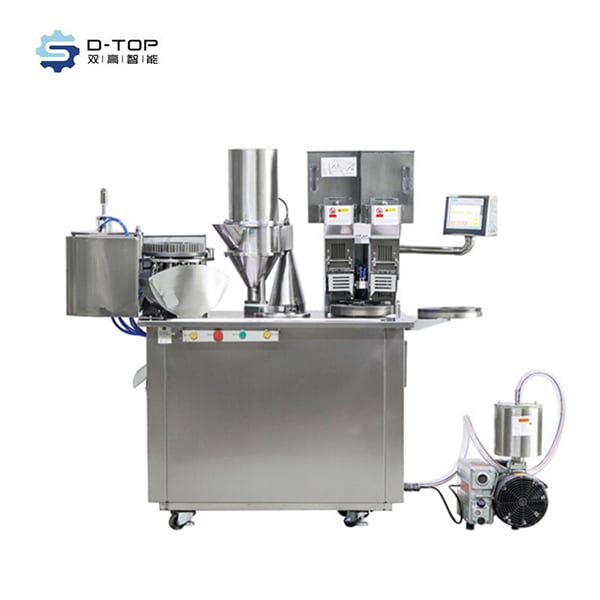
The key technical components of a semi-automatic capsule filling machine include the capsule orientation plate for aligning empty capsules in a uniform direction, the vacuum or pin separation system for separating caps from bodies, the dosing disc (core volumetric dosing element) that determines fill weight, the scraper blade for ensuring uniform filling, the cam linkage mechanism that drives the synchronized movement of all stations, the locking station for closing capsules, the ejection mechanism for discharging finished capsules, the hopper and mixing system for supplying powder and preventing bridging, and the adjustment mechanism for fine-tuning the dosage. Among these, the precision and wear resistance of the dosing disc, cam mechanism, and scraper blade directly determine filling stability and dose uniformity.
Operational Advantages for Small Batch Production
Flexibility and Versatility
Small batch manufacturers benefit significantly from the inherent flexibility of semi automatic capsule filling technology. Unlike fully automated lines that require minimum batch sizes to operate efficiently, these machines can handle productions runs ranging from hundreds to thousands of capsules without compromising efficiency. This versatility proves invaluable for companies producing multiple formulations or conducting clinical trial preparations.
The ability to quickly changeover between different products represents another crucial advantage. A quality semi automatic capsule filling machine typically requires minimal cleaning and setup time when switching formulations, enabling manufacturers to respond rapidly to market demands. This agility allows small-scale producers to maintain competitive advantage through shortened lead times and improved customer responsiveness.
Quality Control Benefits
Semi automatic systems provide superior quality control compared to manual filling operations while maintaining greater oversight than fully automated systems. Operators can visually inspect each filled capsule and make real-time adjustments to filling parameters. This hands-on approach ensures immediate detection and correction of potential quality issues before they impact entire batches.
The controlled environment within semi automatic capsule filling machines minimizes contamination risks while ensuring consistent powder distribution. Built-in weight check systems verify fill accuracy, and many models include reject mechanisms for capsules falling outside specified tolerances. This comprehensive quality assurance approach helps manufacturers maintain regulatory compliance and customer satisfaction.
Capital investment advantage
Initial Investment Analysis
The capital expenditure for semi automatic capsule filling equipment represents a fraction of the investment required for fully automated production lines. This lower entry barrier enables small manufacturers to access professional-grade filling technology without straining financial resources. The modular design of many systems allows for incremental capability additions as business volumes grow.
When evaluating the total cost of ownership, semi automatic capsule filling machines demonstrate excellent return on investment through reduced labor costs and improved production efficiency. The elimination of manual filling errors reduces waste and rework expenses, while consistent fill weights minimize material usage variations. These operational savings often justify the initial equipment investment within the first year of operation.
Operating Cost Efficiency
Daily operating expenses for semi automatic systems remain significantly lower than fully automated alternatives due to reduced energy consumption and simpler maintenance requirements. The straightforward mechanical design minimizes the need for specialized technical support, while standardized components ensure affordable replacement parts availability. This cost structure makes semi automatic capsule filling machine technology particularly attractive for budget-conscious manufacturers.
Labor efficiency improvements contribute substantially to operational cost savings. A single operator can typically manage production rates that would require multiple workers using manual filling methods. The reduced physical demands and improved working conditions also contribute to lower employee turnover and training costs, further enhancing the economic advantages of semi automatic technology.
Production Efficiency and Throughput
Optimal Batch Size Considerations
Semi automatic capsule filling machines excel in production environments where batch sizes typically range from 500 to 10,000 capsules. This sweet spot aligns perfectly with small-scale pharmaceutical and nutraceutical manufacturing requirements, providing efficient throughput without the complexity of high-volume automated systems. The technology scales naturally with business growth, accommodating increased production demands through extended operating hours rather than equipment replacement.
The efficient changeover capabilities of modern semi automatic systems enable manufacturers to produce multiple small batches within a single production shift. This operational flexibility supports diverse product portfolios and seasonal demand variations common in specialized pharmaceutical markets. Manufacturers can optimize production schedules to maximize equipment utilization while maintaining the agility required for responsive customer service.
Processing Speed Optimization
Modern semi automatic capsule filling machines achieve processing speeds between 500 and 10,000 capsules per hour, depending on formulation complexity and operator experience. These throughput rates significantly exceed manual filling capabilities while maintaining the precision required for pharmaceutical applications. Experienced operators can optimize production cycles through proper setup procedures and efficient workflow management.
The consistent processing speeds achievable with semi automatic equipment enable accurate production planning and delivery scheduling. Unlike manual operations subject to fatigue-related variations, machine-assisted filling maintains steady output rates throughout extended production runs. This reliability supports improved customer satisfaction through predictable delivery times and consistent product availability.
Regulatory Compliance and Quality Assurance
FDA and cGMP Requirements
Semi automatic capsule filling machines designed for pharmaceutical applications incorporate features specifically addressing FDA regulations and current Good Manufacturing Practice requirements. Documentation capabilities include batch records, weight verification logs, and equipment maintenance histories essential for regulatory compliance. The controlled filling environment minimizes contamination risks while ensuring traceability throughout the production process.
The validation process for semi automatic systems proves more straightforward than complex automated lines, reducing the time and resources required for regulatory approval. Standard operating procedures remain manageable for small manufacturing teams, while built-in quality controls ensure consistent compliance with established specifications. This regulatory alignment enables small manufacturers to compete effectively in regulated markets.
Documentation and Traceability
Modern semi automatic capsule filling machines include integrated data logging capabilities that automatically record critical process parameters. These systems capture fill weights, processing times, and operator actions to create comprehensive batch documentation. Electronic record keeping simplifies audit preparations and supports continuous improvement initiatives through detailed process analysis.
The traceability features built into advanced semi automatic systems enable rapid response to quality issues or regulatory inquiries. Batch-specific data can be quickly retrieved and analyzed to identify root causes or verify compliance with established procedures. This documentation capability proves essential for maintaining market access and customer confidence in regulated industries.
Maintenance and Support Considerations
Preventive Maintenance Programs
The mechanical simplicity of semi automatic capsule filling machines facilitates straightforward maintenance procedures that can be performed by in-house technical staff. Regular cleaning, lubrication, and calibration activities ensure optimal performance while minimizing unexpected downtime. Preventive maintenance schedules typically require only basic mechanical skills and standard tools, reducing dependency on specialized service providers.
Component accessibility in well-designed semi automatic systems enables efficient maintenance activities without extensive equipment disassembly. Quick-disconnect fittings and modular construction allow rapid cleaning and inspection procedures between production runs. This maintenance-friendly design reduces the total cost of ownership while maximizing equipment availability for production activities.
Technical Support Availability
Established manufacturers of semi automatic capsule filling equipment typically provide comprehensive technical support including installation guidance, operator training, and troubleshooting assistance. Remote diagnostic capabilities enable rapid problem resolution without costly service visits. This support infrastructure proves particularly valuable for small manufacturers with limited in-house technical expertise.
The availability of replacement parts and upgrade components ensures long-term equipment viability and performance optimization. Many manufacturers offer retrofit packages that enhance older machines with current technology features, protecting the initial investment while improving operational capabilities. This evolutionary upgrade path allows small manufacturers to benefit from technological advances without complete equipment replacement.
Selection Criteria for Small Batch Applications
Capacity and Throughput Requirements
When selecting a semi automatic capsule filling machine for small batch production, manufacturers must carefully evaluate current and projected capacity requirements. The ideal system should handle anticipated peak demand while remaining efficient for typical production volumes. Oversized equipment may prove uneconomical for small batches, while undersized machines limit growth potential and operational flexibility.
Throughput calculations should consider not only filling speed but also setup time, cleaning requirements, and changeover procedures. The total cycle time from batch start to completion determines actual production capacity and influences delivery scheduling. Modern semi automatic systems optimize these factors through improved design and user-friendly operation procedures.
Formulation Compatibility
The diverse range of formulations processed by small manufacturers requires semi automatic capsule filling machines capable of handling various powder characteristics. Free-flowing powders, cohesive materials, and moisture-sensitive compounds each present unique challenges that must be addressed through appropriate equipment selection. Advanced dosing systems accommodate these variations while maintaining fill weight accuracy.
Specialized features such as vacuum filling, tamping mechanisms, or controlled atmosphere capabilities may be necessary for specific formulation types. The modular design of quality semi automatic systems allows customization for unique application requirements without compromising versatility for standard products. This adaptability ensures long-term equipment utility across evolving product portfolios.
FAQ
What production volumes are most suitable for semi automatic capsule filling machines
Semi automatic capsule filling machines are ideally suited for production volumes ranging from 500 to 10,000 capsules per batch. This range provides optimal efficiency without the complexity and cost of fully automated systems. Small pharmaceutical companies, nutraceutical manufacturers, and research organizations find this capacity perfectly aligned with their operational requirements and budget constraints.
How does filling accuracy compare to manual operations
Semi automatic capsule filling machines deliver significantly superior filling accuracy compared to manual operations, typically achieving fill weight variations within ±2-3% of target weights. Manual filling operations often experience variations exceeding ±10%, making it difficult to maintain consistent product quality. The automated dosing mechanisms in semi automatic systems ensure reproducible results while eliminating operator fatigue-related inconsistencies.
What maintenance requirements should manufacturers expect
Routine maintenance for semi automatic capsule filling machines includes daily cleaning, weekly lubrication, and monthly calibration verification. Most maintenance tasks can be performed by trained operators using standard tools and procedures. Annual professional service inspections help ensure optimal performance and regulatory compliance, while the mechanical simplicity of these systems minimizes unexpected maintenance requirements and associated downtime.
Can the same machine handle different capsule sizes and formulations
Modern semi automatic capsule filling machines feature interchangeable tooling that accommodates various capsule sizes from size 5 to size 00 without extensive reconfiguration. Changeover between different formulations typically requires only cleaning and minor adjustment procedures, usually completed within 30-60 minutes. This versatility enables small manufacturers to efficiently produce diverse product lines using a single piece of equipment.
Table of Contents
- Understanding Semi Automatic Capsule Filling Technology
- Operational Advantages for Small Batch Production
- Capital investment advantage
- Production Efficiency and Throughput
- Regulatory Compliance and Quality Assurance
- Maintenance and Support Considerations
- Selection Criteria for Small Batch Applications
- FAQ