 EN
EN

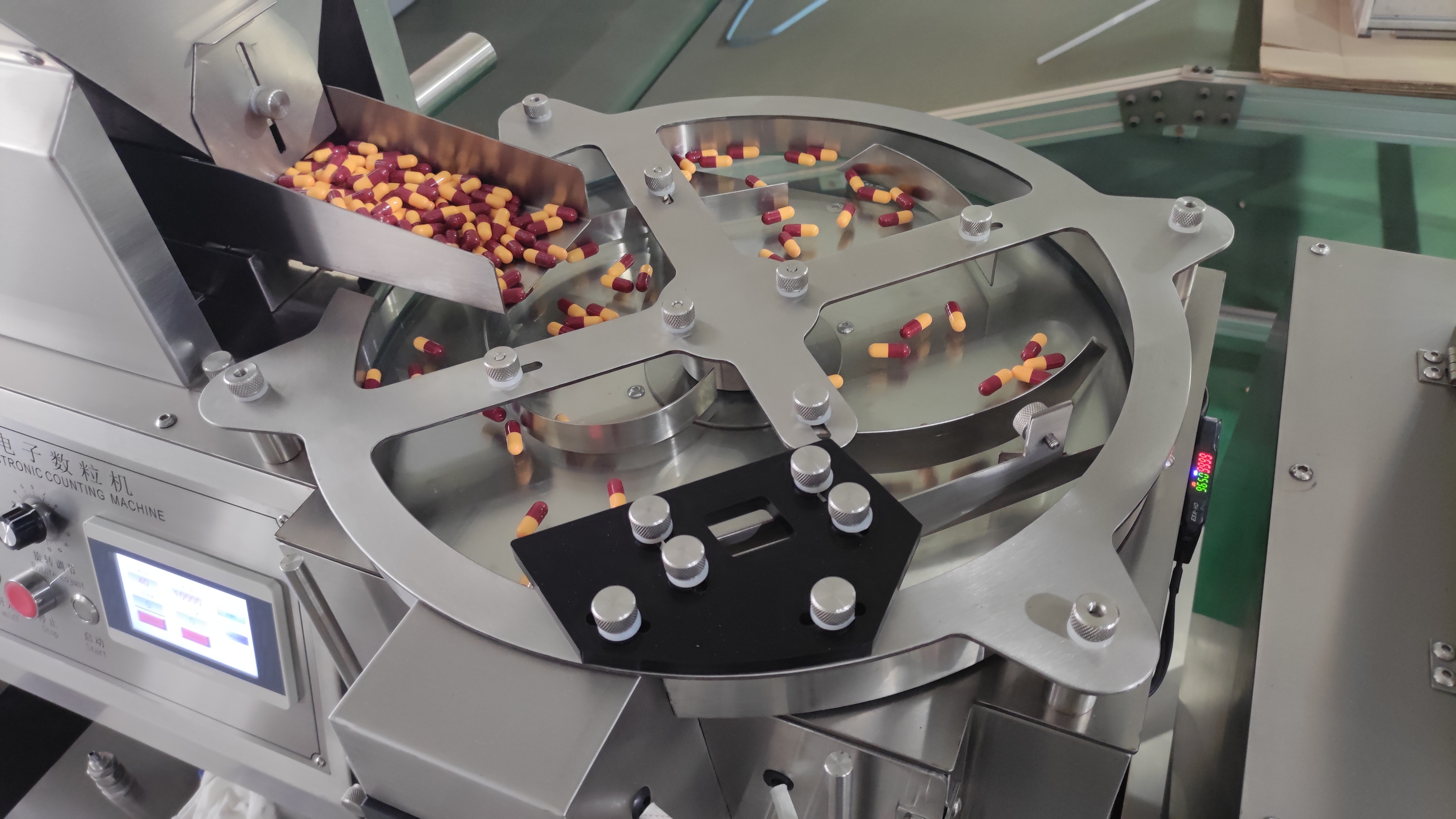
Manufacturing efficiency and precision have become critical factors in today's competitive industrial landscape. Companies across various sectors are increasingly turning to automated solutions to streamline their production processes and maintain consistent quality standards. An automatic counting machine represents one of the most valuable investments a production facility can make, offering unparalleled accuracy in counting, sorting, and packaging operations. These sophisticated systems eliminate human error while significantly boosting throughput rates, making them essential components of modern manufacturing lines.
Understanding Automatic Counting Technology
Core Components and Functionality
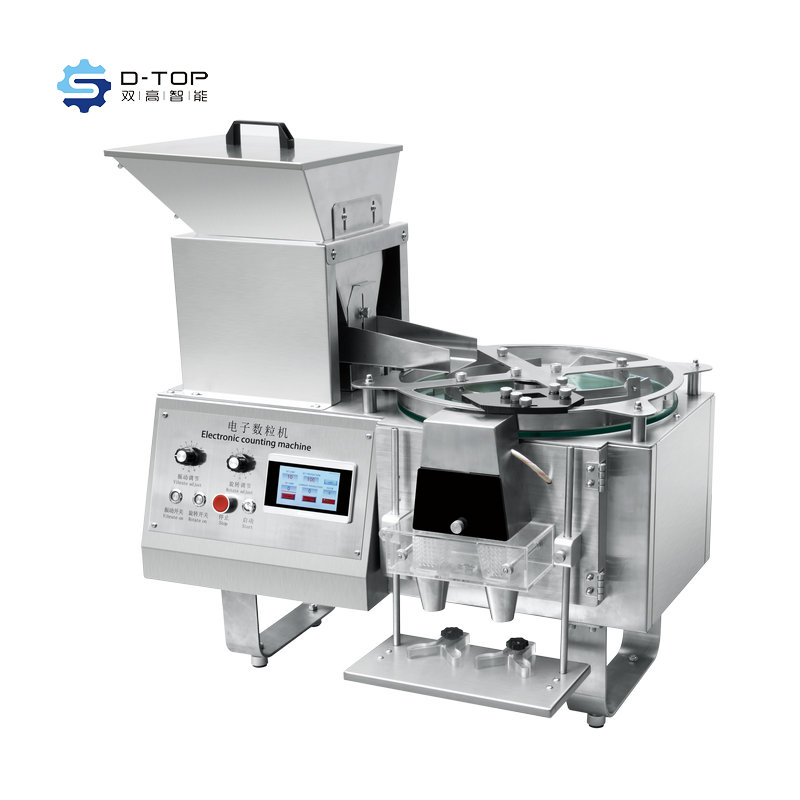
The foundation of any automatic counting machine lies in its sophisticated sensor technology and precision engineering. These systems typically incorporate high-resolution optical sensors, infrared detection arrays, and advanced microprocessors that work together to achieve remarkable accuracy rates. The counting mechanism operates through multiple verification points, ensuring that each item passes through designated counting zones where sensors register and record every unit. Modern automatic counting machine designs include vibration-resistant housings and dust-proof enclosures that maintain consistent performance even in challenging industrial environments.
Digital displays and user interfaces provide real-time monitoring capabilities, allowing operators to track counting progress and adjust parameters as needed. The integration of programmable logic controllers enables these machines to handle various product sizes and shapes without requiring extensive reconfiguration. Advanced models feature self-diagnostic capabilities that alert maintenance teams to potential issues before they impact production schedules, thereby maximizing uptime and operational efficiency.
Precision Engineering Standards
Manufacturing tolerances for automatic counting machine components must meet stringent industry specifications to ensure reliable operation. High-grade stainless steel construction provides durability and resistance to corrosion, while precision-machined feeding mechanisms maintain consistent product flow rates. The calibration systems built into these machines allow for fine-tuning based on specific product characteristics, ensuring optimal counting accuracy across diverse applications.
Quality control measures implemented during the manufacturing process include rigorous testing protocols that verify counting accuracy under various operating conditions. Each automatic counting machine undergoes comprehensive performance evaluations before shipment, including stress testing, vibration analysis, and long-term reliability assessments. These quality assurance procedures guarantee that the equipment will meet or exceed performance expectations in real-world production environments.
Production Line Integration Benefits
Seamless Workflow Integration
Integrating an automatic counting machine into existing production lines requires careful planning and consideration of workflow optimization opportunities. These systems can be positioned at strategic points along the manufacturing process to provide continuous monitoring and quality control. The modular design of modern counting machines allows for flexible installation configurations that accommodate various facility layouts and space constraints.
Communication protocols built into automatic counting machine systems enable seamless data exchange with other production equipment and enterprise resource planning software. This connectivity facilitates real-time inventory tracking, production reporting, and quality assurance documentation. The ability to integrate with existing manufacturing execution systems provides comprehensive visibility into production metrics and enables data-driven decision making.
Operational Efficiency Improvements
The implementation of automatic counting technology typically results in significant improvements in overall production efficiency. These machines can operate continuously at speeds far exceeding manual counting capabilities while maintaining consistent accuracy levels. The elimination of repetitive manual counting tasks allows human workers to focus on higher-value activities that require problem-solving skills and technical expertise.
Reduced labor costs represent one of the most immediate benefits of automatic counting machine deployment. While the initial investment may be substantial, the long-term savings in labor expenses, reduced error rates, and improved throughput typically provide a strong return on investment within the first year of operation. Additionally, the consistent performance of automated systems eliminates the variability associated with human fatigue and concentration lapses.
Industry Applications and Use Cases
Pharmaceutical and Medical Device Manufacturing
The pharmaceutical industry represents one of the largest markets for automatic counting machine technology due to strict regulatory requirements and the critical importance of accurate dosing. Tablet and capsule counting applications demand exceptional precision to ensure patient safety and regulatory compliance. These machines must handle various pill sizes, shapes, and coatings while maintaining sterile operating conditions.
Medical device manufacturers rely on automatic counting machine systems to ensure accurate packaging of surgical instruments, diagnostic supplies, and implantable devices. The traceability features built into these systems support compliance with FDA regulations and international quality standards. Batch tracking capabilities enable manufacturers to maintain detailed records of production quantities and lot numbers for each counted product.
Food and Beverage Processing
Food processing facilities utilize automatic counting machine technology for portion control, packaging accuracy, and inventory management. These applications require machines designed to meet food safety standards, including washdown capabilities and food-grade materials. The ability to handle products of varying sizes and moisture content makes these systems versatile tools for diverse food processing operations.
Beverage bottling lines incorporate counting machines to verify fill quantities and ensure proper packaging before distribution. The high-speed operation required in beverage production demands robust automatic counting machine designs that can maintain accuracy while processing thousands of units per hour. Integration with bottle capping and labeling equipment creates efficient production lines that minimize manual handling and reduce contamination risks.
Economic Advantages and Cost Considerations
Return on Investment Analysis
Calculating the return on investment for an automatic counting machine requires consideration of multiple cost factors and benefit categories. Direct labor savings typically represent the most significant component of the economic justification, as these machines can replace multiple manual counting positions while operating continuously. The consistent accuracy of automated systems reduces waste, rework, and customer complaints, contributing additional cost savings that may exceed initial labor reductions.
Productivity improvements achieved through automatic counting machine implementation often exceed initial projections due to secondary effects such as improved workflow efficiency and reduced bottlenecks. The ability to operate during off-shifts and weekends extends effective production capacity without proportional increases in overhead costs. Energy efficiency features built into modern machines help minimize operating expenses while supporting corporate sustainability initiatives.
Long-term Financial Impact
The financial benefits of automatic counting machine technology extend beyond immediate cost savings to include strategic advantages such as improved customer satisfaction and market competitiveness. Consistent accuracy in product counting enhances brand reputation and reduces the risk of regulatory penalties or product recalls. These factors contribute to long-term revenue growth and market share expansion that may far exceed the initial equipment investment.
Maintenance costs for modern automatic counting machine systems are typically lower than expected due to improved reliability and predictive maintenance capabilities. Scheduled maintenance programs based on actual usage data help optimize component replacement timing and minimize unexpected downtime. The availability of remote diagnostic capabilities further reduces service costs by enabling technicians to identify and resolve issues without on-site visits.
Technology Advancement and Future Trends
Artificial Intelligence Integration
The integration of artificial intelligence and machine learning algorithms is revolutionizing automatic counting machine capabilities. These advanced systems can adapt to product variations automatically, learning from historical data to optimize counting parameters for maximum accuracy. Pattern recognition technology enables machines to distinguish between acceptable products and defects, providing quality control functions beyond simple counting.
Predictive analytics capabilities built into AI-enhanced automatic counting machine systems help identify potential maintenance issues before they cause equipment failures. These systems analyze vibration patterns, temperature variations, and performance trends to recommend optimal maintenance schedules. The continuous learning capabilities of AI systems enable ongoing performance improvements as machines accumulate operational experience.
Connectivity and Industry 4.0 Integration
The evolution toward Industry 4.0 manufacturing environments has created new opportunities for automatic counting machine connectivity and data integration. Cloud-based monitoring systems enable remote access to machine performance data, facilitating centralized management of multiple production facilities. Real-time data streaming capabilities support advanced analytics and business intelligence applications that drive strategic decision making.
Internet of Things connectivity allows automatic counting machine systems to participate in comprehensive manufacturing networks that optimize production schedules and resource allocation. Integration with supply chain management systems enables automatic reordering of materials based on production counts and inventory levels. These advanced capabilities transform counting machines from standalone equipment into integral components of intelligent manufacturing ecosystems.
Selection Criteria and Implementation Guidelines
Technical Specification Requirements
Selecting the appropriate automatic counting machine for specific applications requires careful evaluation of technical specifications and performance capabilities. Counting speed requirements must align with production line throughput goals while maintaining acceptable accuracy levels. The range of product sizes and shapes that the machine can handle should encompass current needs and anticipated future requirements.
Environmental considerations such as temperature range, humidity tolerance, and dust resistance must match actual operating conditions. The availability of different feeding mechanisms and discharge options ensures compatibility with existing conveyor systems and packaging equipment. Power requirements and utility connections should be evaluated against facility capabilities to avoid costly infrastructure modifications.
Vendor Selection and Support Services
Choosing a reliable supplier for automatic counting machine equipment involves evaluating technical expertise, service capabilities, and long-term support commitments. Vendors with extensive experience in specific industry applications can provide valuable insights into optimal machine configurations and implementation strategies. The availability of local service technicians and spare parts inventory affects total cost of ownership and operational reliability.
Training and support services offered by automatic counting machine manufacturers significantly impact successful implementation and ongoing operations. Comprehensive operator training programs ensure proper machine operation and basic troubleshooting capabilities. Technical documentation quality and availability of remote support services contribute to minimizing downtime and maximizing productivity throughout the equipment lifecycle.
FAQ
What is the typical accuracy rate of an automatic counting machine?
Modern automatic counting machine systems typically achieve accuracy rates exceeding 99.9% when properly calibrated and maintained. The actual accuracy depends on product characteristics, machine configuration, and operating conditions. Regular calibration and maintenance procedures ensure optimal performance and sustained accuracy over time.
How long does it take to implement an automatic counting machine in an existing production line?
Implementation timelines for automatic counting machine integration vary based on complexity and customization requirements. Standard installations typically require 2-4 weeks from delivery to full operation, including setup, calibration, and operator training. Custom configurations or significant line modifications may extend implementation periods to 6-8 weeks.
What maintenance requirements are associated with automatic counting machine operation?
Routine maintenance for automatic counting machine systems includes daily cleaning, weekly calibration checks, and monthly inspection of mechanical components. Preventive maintenance schedules typically include quarterly sensor cleaning, semi-annual lubrication, and annual comprehensive system evaluation. Most manufacturers provide detailed maintenance manuals and training to ensure proper care procedures.
Can an automatic counting machine handle products of different sizes and shapes simultaneously?
Most automatic counting machine designs are optimized for specific product ranges rather than simultaneous handling of vastly different items. However, many systems include adjustable parameters and interchangeable components that allow quick changeover between different product types. Advanced models with AI capabilities can adapt to moderate size variations automatically without manual adjustment.
Table of Contents
- Understanding Automatic Counting Technology
- Production Line Integration Benefits
- Industry Applications and Use Cases
- Economic Advantages and Cost Considerations
- Technology Advancement and Future Trends
- Selection Criteria and Implementation Guidelines
-
FAQ
- What is the typical accuracy rate of an automatic counting machine?
- How long does it take to implement an automatic counting machine in an existing production line?
- What maintenance requirements are associated with automatic counting machine operation?
- Can an automatic counting machine handle products of different sizes and shapes simultaneously?