 EN
EN

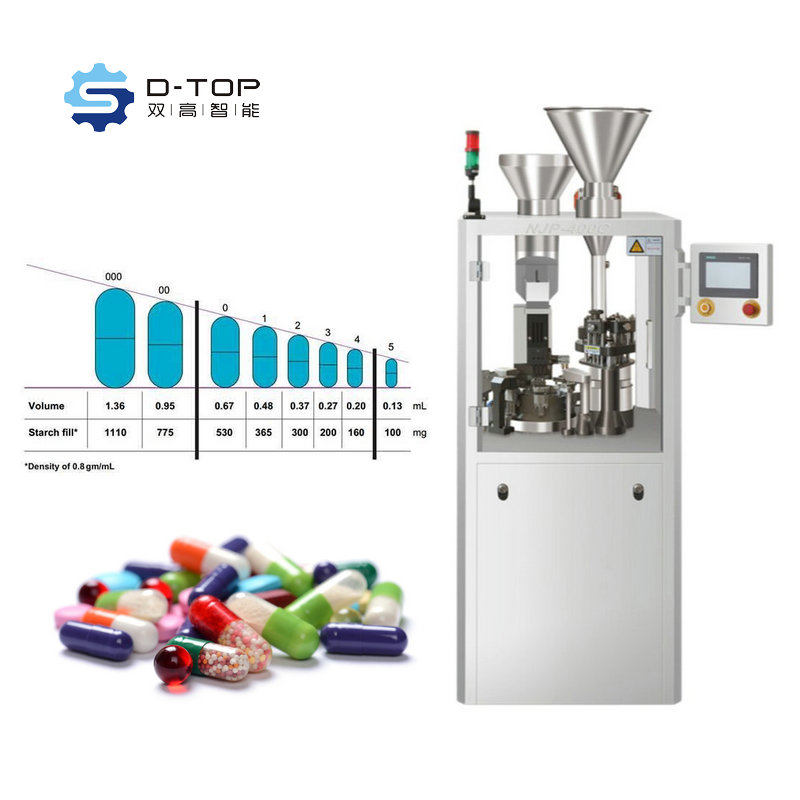
Manufacturing pharmaceutical capsules requires precision, efficiency, and consistent quality control to meet regulatory standards and market demands. The modern filling machine of capsule has revolutionized pharmaceutical production by offering automated solutions that significantly enhance output quality while reducing human error. These sophisticated machines have become indispensable in pharmaceutical manufacturing facilities worldwide, enabling companies to produce high-quality capsules at scale while maintaining strict quality parameters.
Understanding how to optimize your capsule filling operations involves implementing strategic approaches that address every aspect of the manufacturing process. From selecting the appropriate equipment to maintaining consistent operational parameters, each element contributes to the overall quality of your final product. This comprehensive guide explores proven methods to enhance output quality while maximizing the efficiency of your capsule filling operations.
Understanding Capsule Filling Machine Technology
Core Components and Operating Principles
Modern capsule filling systems operate through sophisticated mechanical and pneumatic processes that ensure precise dosing and consistent capsule formation. The filling machine of capsule utilizes multiple stations that perform sequential operations including capsule separation, powder filling, and capsule joining. Each station is engineered with precision components that maintain tight tolerances throughout the production cycle.
The dosing mechanism represents the heart of any effective capsule filling system, employing either dosing disc technology or tamping pin mechanisms to achieve accurate powder distribution. Advanced sensors monitor fill weights continuously, providing real-time feedback that enables immediate adjustments to maintain quality standards. These technological innovations ensure that each capsule receives the exact amount of active pharmaceutical ingredient required for therapeutic efficacy.
Machine Configuration and Setup Parameters
Proper configuration of your filling machine of capsule begins with understanding the specific requirements of your formulation and production goals. Machine settings must be calibrated according to powder characteristics, including flowability, bulk density, and moisture content. These parameters directly influence fill weight accuracy and capsule integrity throughout the production process.
Environmental controls play a crucial role in machine performance, particularly humidity and temperature regulation within the production area. Maintaining optimal environmental conditions prevents powder agglomeration and ensures consistent flow characteristics that support accurate dosing. Regular calibration of all measurement systems guarantees that your equipment continues to operate within specified tolerance ranges.
Optimizing Powder Formulation for Enhanced Quality
Powder Flow Characteristics and Formulation Design
The foundation of superior capsule quality begins with optimizing powder formulation characteristics that promote consistent flow and accurate dosing. Powder blend uniformity directly impacts the performance of your filling machine of capsule, making it essential to achieve homogeneous distribution of active ingredients and excipients. Proper particle size distribution ensures smooth flow through dosing mechanisms while preventing segregation that could lead to content uniformity issues.
Incorporating appropriate flow aids and lubricants enhances powder flowability without compromising the integrity of active pharmaceutical ingredients. The selection of excipients must consider their compatibility with both the active ingredient and the mechanical components of the capsule filling equipment. Moisture content optimization prevents powder adhesion to machine surfaces while maintaining the stability of moisture-sensitive compounds.
Granulation Techniques for Improved Processing
Implementing appropriate granulation methods significantly improves the processing characteristics of pharmaceutical powders in capsule filling operations. Wet granulation techniques create uniform particle aggregates that exhibit superior flow properties compared to direct compression blends. The filling machine of capsule operates most effectively when processing granulated materials that demonstrate consistent bulk density and minimal segregation tendencies.
Dry granulation methods offer advantages for moisture-sensitive formulations while still providing improved flow characteristics essential for accurate dosing. The choice between granulation techniques depends on the specific requirements of your active pharmaceutical ingredient and the desired dissolution profile of the final product. Proper granulation also reduces dust generation during processing, improving both worker safety and equipment cleanliness.
Process Control and Quality Monitoring Systems
Real-Time Monitoring Technologies
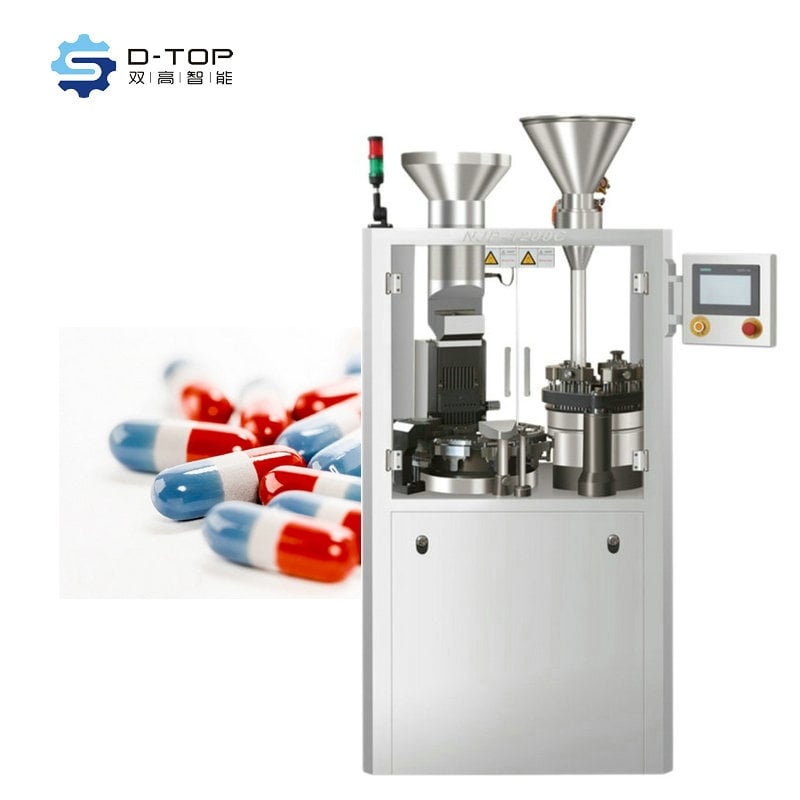
Advanced process control systems enable continuous monitoring of critical quality attributes throughout capsule filling operations. Weight variation monitoring provides immediate feedback on dosing accuracy, allowing operators to make real-time adjustments that maintain product quality within specification limits. Modern filling machine of capsule systems incorporate sophisticated sensors that detect variations in fill weight, capsule integrity, and machine performance parameters.
Statistical process control techniques help identify trends and patterns that might indicate developing quality issues before they result in out-of-specification product. Automated rejection systems remove defective capsules from the production stream, ensuring that only compliant products reach the packaging stage. These quality control measures significantly reduce waste while maintaining the high standards required in pharmaceutical manufacturing.
Validation and Documentation Requirements
Comprehensive validation protocols ensure that your capsule filling processes consistently produce products meeting predetermined quality specifications. Installation qualification, operational qualification, and performance qualification phases verify that equipment functions according to design specifications and regulatory requirements. Documentation of validation activities provides the foundation for regulatory submissions and ongoing quality assurance programs.
Change control procedures maintain validated status when modifications are made to equipment, processes, or formulations. Regular revalidation activities confirm that your filling machine of capsule continues to operate within validated parameters over time. Proper documentation practices support regulatory compliance while providing valuable data for continuous improvement initiatives.
Maintenance and Preventive Care Strategies
Scheduled Maintenance Programs
Implementing comprehensive preventive maintenance programs ensures optimal performance and longevity of capsule filling equipment. Regular maintenance schedules address wear components, lubrication requirements, and calibration needs that affect machine accuracy and reliability. Proactive maintenance prevents unexpected downtime while maintaining the precision required for consistent quality output.
Component inspection protocols identify potential issues before they impact production quality or equipment availability. Maintaining detailed maintenance records enables trending analysis that can predict optimal replacement intervals for wear parts. The filling machine of capsule requires specialized attention to dosing mechanisms, which must maintain precise tolerances to ensure accurate fill weights.
Cleaning and Sanitization Protocols
Effective cleaning procedures prevent cross-contamination between product batches while maintaining equipment performance standards. Cleaning validation ensures that residual materials from previous batches do not affect subsequent production runs. Automated cleaning systems provide consistent and thorough cleaning while reducing manual labor requirements and human error potential.
Sanitization protocols address microbial contamination risks that could compromise product safety and stability. Regular environmental monitoring confirms the effectiveness of cleaning and sanitization procedures in maintaining appropriate hygiene levels. Proper cleaning also prevents powder buildup that could affect machine performance and product quality over time.
Training and Operator Competency Development
Comprehensive Training Programs
Developing skilled operators represents a critical investment in maintaining consistent output quality from capsule filling operations. Training programs must address both theoretical knowledge and practical skills required to operate complex filling equipment effectively. Understanding the relationship between machine settings and product quality enables operators to make informed adjustments that optimize performance.
Regular competency assessments ensure that operators maintain the skills necessary to identify and respond to quality issues promptly. Cross-training initiatives provide operational flexibility while ensuring that multiple operators can maintain quality standards consistently. The complexity of modern filling machine of capsule systems requires ongoing education to keep pace with technological advances and regulatory requirements.
Quality Culture and Continuous Improvement
Fostering a quality-focused culture empowers operators to take ownership of product quality outcomes and participate actively in improvement initiatives. Encouraging operators to identify potential improvements creates opportunities for incremental enhancements that collectively result in significant quality improvements. Regular communication about quality metrics and goals helps maintain focus on continuous improvement objectives.
Implementing suggestion systems provides structured mechanisms for capturing and evaluating operator insights about process improvements. Recognition programs acknowledge contributions to quality improvement while reinforcing the importance of quality-focused behavior. Building quality consciousness throughout the organization ensures that quality considerations influence every decision affecting capsule filling operations.
Troubleshooting Common Quality Issues
Weight Variation Problems
Weight variation represents one of the most common quality challenges in capsule filling operations, often resulting from powder flow inconsistencies or machine calibration issues. Systematic troubleshooting approaches help identify root causes quickly, minimizing production disruptions while resolving quality problems. The filling machine of capsule requires careful attention to dosing mechanism alignment and powder flow characteristics to maintain weight consistency.
Environmental factors such as humidity and temperature fluctuations can significantly impact powder behavior and resulting fill weight accuracy. Regular monitoring of environmental conditions helps correlate quality variations with external factors that may require process adjustments. Implementing environmental controls provides stability that supports consistent machine performance and product quality.
Capsule Integrity and Appearance Issues
Capsule defects including cracks, splits, or improper closure can result from mechanical issues or inappropriate processing conditions. Understanding the relationship between machine settings and capsule integrity helps operators prevent defects through proper adjustment of joining pressure and alignment parameters. Regular inspection of capsule handling components prevents damage that could compromise product appearance and integrity.
Powder characteristics also influence capsule appearance and integrity, particularly when dealing with abrasive or hygroscopic materials. Optimizing formulation properties reduces the likelihood of capsule damage while improving overall product quality. The filling machine of capsule must be configured appropriately for the specific characteristics of both the powder formulation and capsule materials being processed.
FAQ
What factors most significantly impact the output quality of capsule filling operations?
The most significant factors affecting capsule filling quality include powder formulation characteristics, machine calibration and maintenance, environmental conditions, and operator training. Powder flow properties directly influence dosing accuracy, while proper machine setup ensures consistent performance. Environmental controls prevent variations due to humidity and temperature changes, and skilled operators can identify and address quality issues promptly. Regular maintenance of the filling machine of capsule ensures continued precision and reliability throughout production cycles.
How can manufacturers reduce weight variation in capsule filling processes?
Reducing weight variation requires attention to powder formulation optimization, machine calibration, and environmental control. Improving powder flow characteristics through appropriate granulation and excipient selection provides more consistent dosing. Regular calibration of dosing mechanisms maintains accuracy over time, while environmental controls prevent powder property changes that affect flow behavior. Statistical process control helps identify trends before they result in out-of-specification products, enabling proactive adjustments to maintain quality standards.
What maintenance practices are essential for optimal capsule filling machine performance?
Essential maintenance practices include scheduled inspection and replacement of wear components, regular calibration of dosing mechanisms, thorough cleaning between product batches, and preventive maintenance of mechanical systems. Lubrication schedules ensure smooth operation while preventing premature wear of precision components. The filling machine of capsule requires particular attention to dosing disc condition and alignment, as these components directly affect fill weight accuracy and product quality consistency.
How does environmental control impact capsule filling quality outcomes?
Environmental conditions significantly affect powder behavior and machine performance in capsule filling operations. Humidity control prevents powder agglomeration and maintains consistent flow characteristics essential for accurate dosing. Temperature stability ensures that powder properties remain constant throughout production runs. Proper ventilation prevents dust accumulation while maintaining appropriate air quality. Environmental monitoring and control systems help maintain optimal conditions that support consistent quality output from capsule filling equipment.
Table of Contents
- Understanding Capsule Filling Machine Technology
- Optimizing Powder Formulation for Enhanced Quality
- Process Control and Quality Monitoring Systems
- Maintenance and Preventive Care Strategies
- Training and Operator Competency Development
- Troubleshooting Common Quality Issues
-
FAQ
- What factors most significantly impact the output quality of capsule filling operations?
- How can manufacturers reduce weight variation in capsule filling processes?
- What maintenance practices are essential for optimal capsule filling machine performance?
- How does environmental control impact capsule filling quality outcomes?