 EN
EN

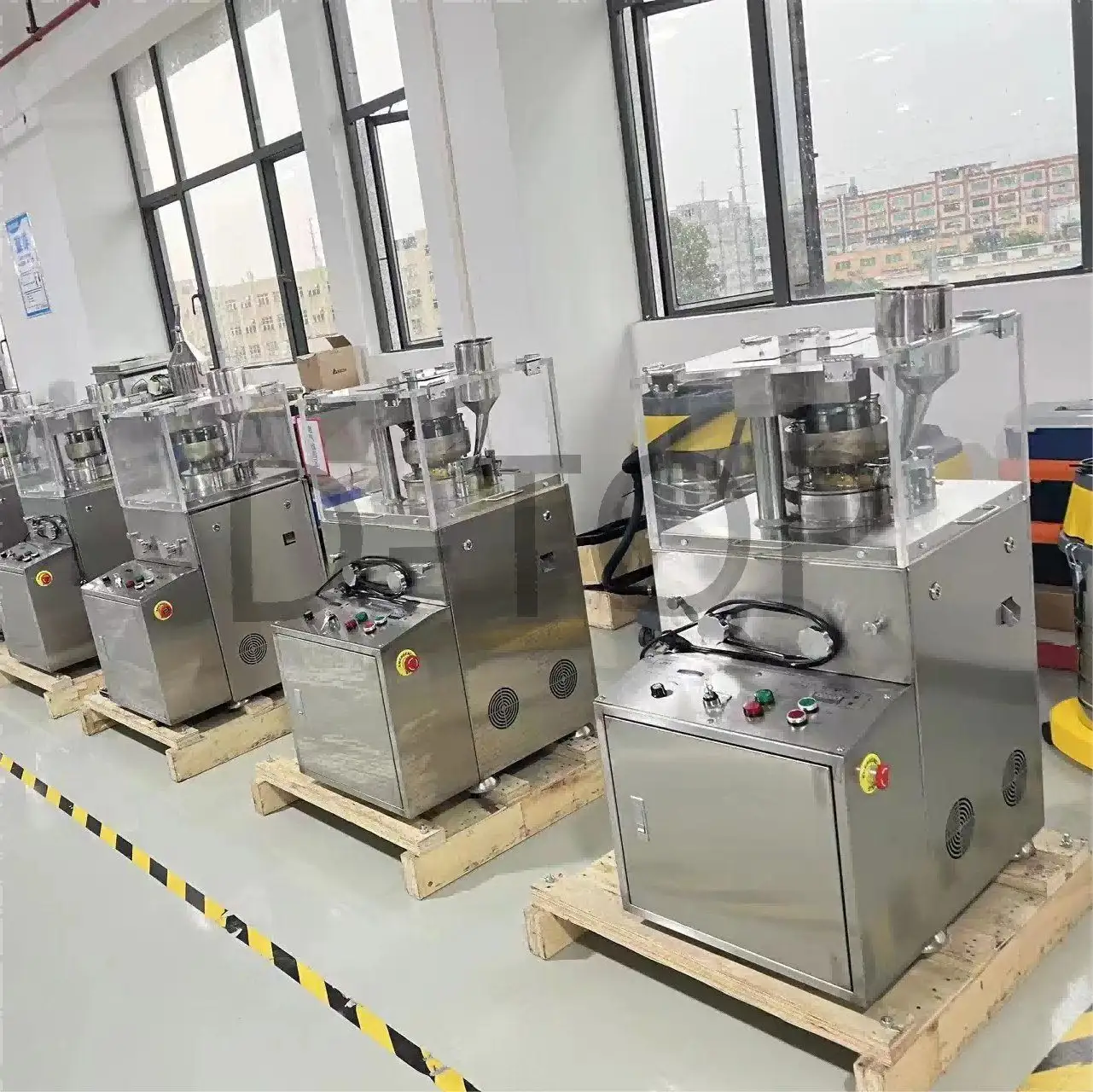
A tablet press machine represents a cornerstone technology in pharmaceutical manufacturing, transforming powdered ingredients into solid dosage forms that patients worldwide depend on for their health and wellness. This sophisticated equipment serves as the backbone of tablet production across pharmaceutical companies, contract manufacturers, and research facilities, delivering precision, consistency, and reliability in every compressed tablet. Understanding the fundamental operation and critical importance of a pill presser machine becomes essential for anyone involved in pharmaceutical development, production planning, or manufacturing optimization.
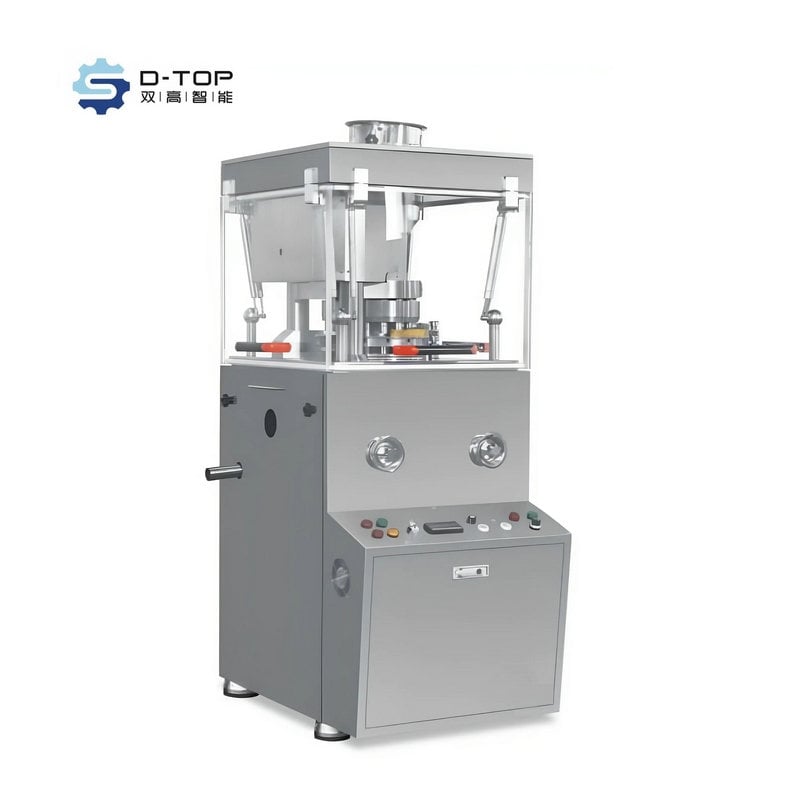
Fundamental Principles of Pill Presser Machine Technology
Core Compression Mechanisms
The fundamental operation of a tablet press machine relies on precise compression forces applied to pharmaceutical powders and granules within specially designed dies and punches. This compression process transforms loose powder formulations into cohesive solid tablets through mechanical pressure, binding agents, and controlled environmental conditions. Modern tablet press machine designs incorporate advanced force control systems that monitor compression parameters in real-time, ensuring consistent tablet weight, hardness, and thickness throughout production runs.
Advanced tablet press machine models feature multi-station rotary designs that enable continuous production cycles, significantly improving manufacturing efficiency compared to single-punch alternatives. These systems utilize precisely engineered cam tracks and roller assemblies to control punch movement, creating uniform compression forces across all stations simultaneously. The integration of electronic monitoring systems allows operators to track critical process parameters, including compression force, ejection force, and tablet thickness variations.
Material Flow and Feed Systems
Effective material handling within a tablet press machine depends on sophisticated feed systems designed to deliver consistent powder flow into each die cavity. Gravity-fed hoppers work in conjunction with paddle feeders or forced-feed mechanisms to ensure uniform die filling, minimizing weight variation between tablets. The design of these feed systems directly impacts tablet quality, production efficiency, and material waste reduction throughout manufacturing operations.
Modern tablet press machine configurations incorporate advanced flow monitoring technologies that detect and compensate for powder flow irregularities, preventing common production issues such as weight variation, capping, or lamination. These systems utilize sensors and automated feedback controls to adjust feed rates and compression parameters dynamically, maintaining optimal production conditions even when processing challenging powder formulations with poor flow characteristics.
Critical Applications in Pharmaceutical Manufacturing
Production Scale Capabilities
Industrial tablet press machine installations support large-scale pharmaceutical production requirements, processing thousands of tablets per hour while maintaining strict quality standards mandated by regulatory authorities. These high-capacity systems feature robust construction, precision tooling, and comprehensive monitoring capabilities designed to operate continuously in demanding manufacturing environments. Production scalability becomes a crucial consideration when selecting appropriate equipment for specific manufacturing requirements and projected market demands.
The versatility of modern tablet press machine technology extends across diverse pharmaceutical applications, from immediate-release tablets to complex modified-release formulations requiring specialized compression techniques. Multi-layer tablet production, scored tablet manufacturing, and shaped tablet capabilities demonstrate the advanced functionality available in contemporary systems. This operational flexibility allows pharmaceutical manufacturers to diversify their product portfolios while utilizing existing equipment investments effectively.
Quality Control Integration
Contemporary tablet press machine systems incorporate sophisticated quality control mechanisms that monitor critical tablet attributes during production, including weight uniformity, hardness, thickness, and disintegration properties. Real-time data collection enables immediate process adjustments, reducing waste and ensuring consistent product quality throughout manufacturing campaigns. These integrated quality systems support regulatory compliance requirements while optimizing production efficiency and reducing manufacturing costs.
Advanced tablet press machine configurations feature automated reject systems that identify and remove out-of-specification tablets before packaging, preventing defective products from reaching distribution channels. Statistical process control integration provides comprehensive production analytics, enabling manufacturers to identify trends, optimize processes, and implement predictive maintenance strategies that maximize equipment uptime and production reliability.
Technical Specifications and Performance Parameters
Compression Force and Pressure Controls
The performance characteristics of a tablet press machine depend heavily on its compression force capabilities and pressure control precision. Modern systems provide compression forces ranging from several kilonewtons to over 100 kilonewtons, accommodating diverse formulation requirements from soft chewable tablets to high-density specialized dosage forms. Precise force control ensures consistent tablet properties while preventing common compression-related defects such as capping, sticking, or picking.
Advanced pressure monitoring systems within tablet press machine designs utilize load cells and electronic feedback controls to maintain compression parameters within tight tolerances. These systems provide operators with real-time compression data, enabling immediate adjustments to maintain optimal tablet quality throughout production runs. The integration of force profiling capabilities allows manufacturers to develop and optimize compression cycles for new formulations efficiently.
Speed and Throughput Optimization
Production speed capabilities of tablet press machine systems vary significantly based on design configuration, tablet complexity, and quality requirements. High-speed rotary presses can achieve production rates exceeding 100,000 tablets per hour, while maintaining precise weight control and tablet quality standards. Speed optimization requires careful balance between production efficiency and tablet quality, considering factors such as dwell time, compression force application, and material flow characteristics.
Throughput optimization in tablet press machine operations involves comprehensive analysis of production bottlenecks, material handling efficiency, and equipment maintenance requirements. Advanced process monitoring systems provide detailed production analytics that identify optimization opportunities, enabling manufacturers to maximize equipment utilization while maintaining product quality standards. These analytical capabilities support continuous improvement initiatives that enhance overall manufacturing efficiency.
Maintenance and Operational Considerations
Preventive Maintenance Protocols
Effective maintenance strategies for tablet press machine systems require comprehensive preventive maintenance protocols that address mechanical components, electrical systems, and process monitoring equipment. Regular inspection schedules, lubrication programs, and component replacement protocols ensure reliable operation while minimizing unplanned downtime. These maintenance programs become particularly critical in high-volume production environments where equipment reliability directly impacts manufacturing capacity and delivery commitments.
Modern tablet press machine designs incorporate predictive maintenance technologies that monitor equipment condition and provide advance warning of potential failures. Vibration analysis, temperature monitoring, and wear pattern recognition systems enable maintenance teams to schedule repairs during planned downtime periods, optimizing equipment availability. These advanced monitoring capabilities reduce maintenance costs while improving overall equipment effectiveness and production reliability.
Operator Training and Safety Requirements
Proper operation of tablet press machine systems requires comprehensive operator training programs that address equipment operation, safety protocols, and quality control procedures. Training curricula must cover mechanical operation principles, troubleshooting techniques, and regulatory compliance requirements specific to pharmaceutical manufacturing environments. Skilled operators become essential for maximizing equipment performance while maintaining safety standards and product quality consistency.
Safety considerations for tablet press machine operations include mechanical hazard protection, dust containment systems, and emergency shutdown procedures. Modern equipment designs incorporate multiple safety interlocks, guard systems, and ergonomic features that protect operators while facilitating efficient production operations. Regular safety training updates ensure operators remain current with best practices and regulatory requirements in pharmaceutical manufacturing environments.
FAQ
What factors determine the appropriate tablet press machine size for a manufacturing facility
Selecting the appropriate tablet press machine size depends on projected production volumes, tablet complexity, available floor space, and budget considerations. High-volume manufacturers typically require rotary presses with multiple stations, while smaller operations may utilize single-punch or small rotary systems. Production forecasting, formulation requirements, and regulatory compliance needs should guide equipment sizing decisions to ensure adequate capacity while optimizing capital investment.
How does compression force affect tablet quality in tablet press machine operations
Compression force directly influences tablet hardness, disintegration time, dissolution rate, and overall tablet integrity. Insufficient compression force results in soft tablets prone to breaking, while excessive force can cause capping, lamination, or prolonged disintegration times. Optimal compression force varies by formulation and requires careful optimization through force profiling studies and tablet testing to achieve desired quality attributes consistently.
What maintenance intervals are recommended for tablet press machine systems
Maintenance intervals for tablet press machine systems depend on production volume, operating conditions, and manufacturer recommendations. Typical schedules include daily cleaning and inspection, weekly lubrication, monthly component checks, and annual comprehensive overhauls. High-volume operations may require more frequent maintenance, while predictive maintenance technologies can help optimize scheduling based on actual equipment condition rather than fixed time intervals.
Can tablet press machine equipment handle different tablet shapes and sizes
Modern tablet presser machine systems accommodate diverse tablet shapes and sizes through interchangeable tooling systems. Standard round tablets, capsule-shaped tablets, scored tablets, and custom shapes are achievable with appropriate punch and die sets. Tooling changes typically require production stoppage and setup time, so manufacturers often batch similar products to maximize efficiency while maintaining flexibility for diverse product portfolios.
Table of Contents
- Fundamental Principles of Pill Presser Machine Technology
- Critical Applications in Pharmaceutical Manufacturing
- Technical Specifications and Performance Parameters
- Maintenance and Operational Considerations
-
FAQ
- What factors determine the appropriate tablet press machine size for a manufacturing facility
- How does compression force affect tablet quality in tablet press machine operations
- What maintenance intervals are recommended for tablet press machine systems
- Can tablet press machine equipment handle different tablet shapes and sizes