 EN
EN

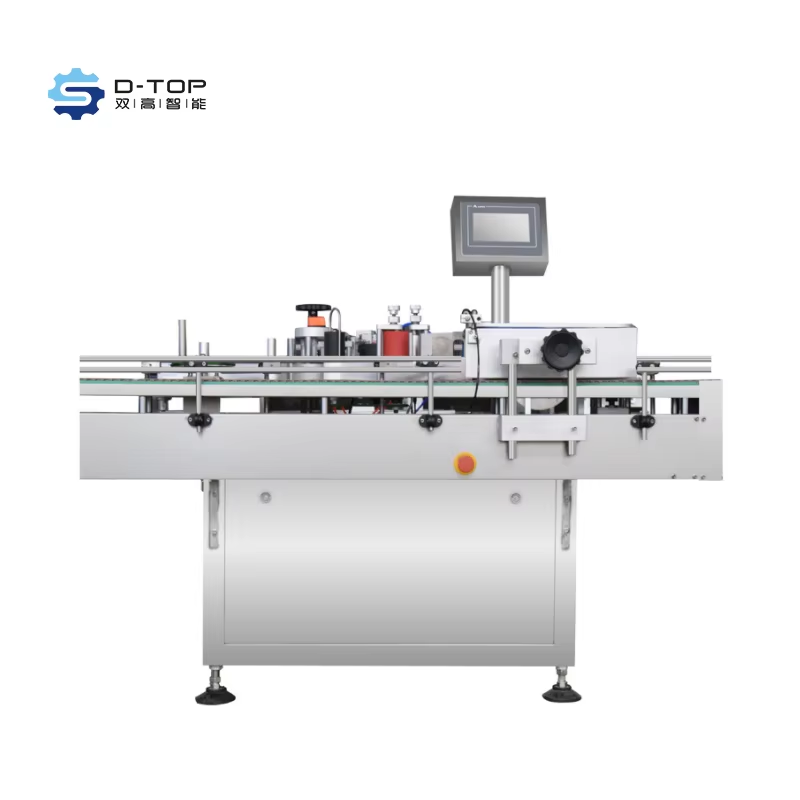
Manufacturing efficiency and production line optimization have become critical factors in today's competitive industrial landscape. When companies seek to streamline their packaging processes, implementing an effective auto labeling machine solution often represents one of the most impactful improvements they can make. These sophisticated systems transform manual labeling operations into precise, high-speed automated processes that significantly reduce labor costs while improving consistency and accuracy across production runs.

The selection process for an auto labeling machine requires careful consideration of multiple technical specifications, operational requirements, and long-term production goals. Understanding the fundamental principles behind automated labeling technology enables manufacturers to make informed decisions that align with their specific packaging requirements. Modern industrial facilities increasingly depend on these automated systems to maintain competitive advantages in product quality, throughput capacity, and operational cost control.
Production managers must evaluate numerous factors when investing in automated labeling equipment, including container shapes, label materials, application speeds, and integration capabilities with existing production lines. The complexity of today's manufacturing environments demands sophisticated solutions that can adapt to diverse product specifications while maintaining consistent performance standards. Successful implementation of an auto labeling machine system requires comprehensive planning and thorough understanding of both current needs and future expansion possibilities.
Understanding Auto Labeling Machine Technology
Core Components and Operating Principles
Modern auto labeling machine systems incorporate advanced sensor technology, precision mechanical components, and intelligent control systems to achieve reliable label application across various container types. The fundamental operation involves synchronized product positioning, label dispensing, and application mechanisms that work together to ensure accurate placement and adhesion. These systems utilize servo-driven motors, photoelectric sensors, and programmable logic controllers to maintain precise timing and positioning throughout the labeling process.
The mechanical design of an auto labeling machine typically includes a product conveying system, label supply mechanism, application head assembly, and control interface that allows operators to adjust parameters for different product specifications. Advanced models incorporate touch-screen interfaces with pre-programmed settings for multiple product types, enabling quick changeovers between production runs. The integration of these components requires sophisticated engineering to ensure reliable operation under demanding production conditions.
Quality control systems within auto labeling machine designs include vision inspection capabilities, label presence verification, and positioning accuracy monitoring. These features help manufacturers maintain consistent labeling standards while minimizing waste from improperly applied labels. The technological advancement in automated labeling has enabled manufacturers to achieve labeling speeds that were previously impossible with manual operations while maintaining superior accuracy levels.
Types and Configuration Options
Manufacturers can choose from several auto labeling machine configurations based on their specific application requirements, including wrap-around labelers, front-and-back labelers, top-and-bottom labelers, and specialty systems designed for unique container shapes. Each configuration offers distinct advantages for particular product types and labeling requirements. Wrap-around systems excel at cylindrical containers, while front-and-back configurations work well with flat-sided products requiring multiple labels.
Semi-automatic and fully automatic versions provide different levels of operator involvement and production capacity. Semi-automatic systems require manual product placement but automate the label application process, making them suitable for lower-volume operations or products requiring careful handling. Fully automatic systems integrate with existing conveyor lines and handle products from feed-in through labeled output, maximizing throughput for high-volume production environments.
Specialized auto labeling machine variants include systems designed for specific industries such as pharmaceuticals, food and beverage, cosmetics, and chemicals. These industry-specific designs incorporate features like clean-room compatibility, washdown capability, explosion-proof construction, or regulatory compliance features required for particular applications. The selection of appropriate configuration depends on production volume, product characteristics, labeling requirements, and integration needs.
Production Requirements Assessment
Volume and Speed Considerations
Determining the appropriate production capacity for an auto labeling machine requires careful analysis of current and projected output requirements, peak demand periods, and operational efficiency goals. Manufacturers must consider not only average daily production volumes but also the capability to handle surge demands during promotional periods or seasonal fluctuations. The labeling speed specification should account for realistic operating conditions, including setup time, changeover requirements, and maintenance intervals.
Production line efficiency depends on matching auto labeling machine capabilities with upstream and downstream equipment capacities to avoid bottlenecks or underutilized equipment. The labeling system should integrate seamlessly with existing conveyor speeds, filling equipment output, and packaging machinery throughput. Proper capacity planning ensures optimal return on investment while maintaining flexibility for future production increases.
Speed requirements must also consider label complexity, application accuracy demands, and quality control needs. High-speed operation may require trade-offs in labeling precision or may necessitate more sophisticated control systems to maintain accuracy. The evaluation should include realistic assessments of operator skill levels, maintenance capabilities, and production environment constraints that could affect actual operating speeds.
Product Compatibility and Versatility
Container shape, size range, and material composition significantly influence auto labeling machine selection decisions. Round containers require different handling mechanisms than square or oval shapes, while size variations may necessitate adjustable components or quick-change features. Material properties such as surface texture, static charge characteristics, and temperature sensitivity affect label adhesion and application techniques.
Label specifications including material type, adhesive properties, size variations, and application requirements must align with machine capabilities. Pressure-sensitive labels, heat-activated adhesives, and specialty materials each require specific application methods and environmental controls. The auto labeling machine must accommodate the range of label types used in production while maintaining consistent application quality across different materials.
Flexibility for future product line extensions or packaging changes represents an important consideration in equipment selection. Machines with adjustable components, programmable settings, and modular designs provide greater adaptability for evolving production requirements. The investment in versatile equipment often proves cost-effective compared to purchasing multiple specialized systems for different product lines.
Technical Specifications and Performance Criteria
Accuracy and Precision Requirements
Label placement accuracy directly impacts product appearance, regulatory compliance, and customer satisfaction, making precision specification a critical factor in auto labeling machine evaluation. Modern systems achieve placement accuracy within tight tolerances, typically measured in millimeters or fractions of millimeters depending on application requirements. The accuracy specification must account for product variations, conveyor stability, and environmental factors that could affect positioning.
Repeatability represents another crucial performance metric, ensuring consistent label placement across thousands or millions of products in continuous production runs. An effective auto labeling machine maintains placement accuracy throughout extended operating periods without requiring frequent adjustments or calibration. Statistical process control capabilities help monitor performance trends and identify potential issues before they affect product quality.
Quality control integration features such as vision systems, sensor feedback, and reject mechanisms enhance the overall accuracy and reliability of the labeling process. These systems can detect misaligned labels, missing labels, or application defects and automatically remove defective products from the production line. The investment in quality control technology often pays for itself through reduced waste, improved customer satisfaction, and regulatory compliance assurance.
Integration and Automation Capabilities
Seamless integration with existing production line equipment requires careful consideration of communication protocols, control system compatibility, and mechanical interface requirements. Modern auto labeling machine systems support various industrial communication standards including Ethernet/IP, Profibus, and DeviceNet for integration with plant automation systems. The ability to share data with enterprise resource planning systems enables better production monitoring and inventory management.
Programmable logic controller integration allows the auto labeling machine to respond to upstream and downstream equipment signals, coordinating operation with filling machines, capping equipment, and packaging systems. This coordination ensures smooth product flow and minimizes accumulation or starving conditions that can affect overall line efficiency. Advanced systems include predictive maintenance capabilities that monitor component wear and schedule maintenance activities to minimize unplanned downtime.
Human-machine interface design affects operator efficiency, troubleshooting capabilities, and training requirements. Intuitive interfaces with clear diagnostic information and guided setup procedures reduce operator training time and improve overall system reliability. Remote monitoring capabilities enable technical support and maintenance planning from off-site locations, particularly valuable for multi-plant operations or facilities with limited technical staff.
Operational Efficiency and Cost Considerations
Labor Reduction and Productivity Gains
Implementation of an auto labeling machine system typically generates significant labor cost savings by eliminating manual labeling positions and reducing operator requirements for packaging operations. The labor reduction calculation should include direct savings from eliminated positions as well as indirect benefits from reduced training requirements, lower injury risk, and improved consistency in labeling quality. These systems often pay for themselves within months through labor cost reductions alone.
Productivity improvements extend beyond simple speed increases to include reduced downtime, improved changeover efficiency, and enhanced quality consistency. Automated systems operate continuously without breaks, maintain consistent application pressure and positioning, and eliminate human error factors that can affect product quality. The reliability of auto labeling machine operation often enables manufacturers to reduce buffer inventory and improve overall supply chain efficiency.
Worker safety improvements represent an additional benefit of automated labeling systems, particularly in environments involving hazardous chemicals, high temperatures, or repetitive motion risks. Removing workers from direct contact with products and packaging materials reduces injury potential and associated workers' compensation costs. The improved working conditions often contribute to better employee retention and reduced recruitment costs in manufacturing operations.
Maintenance and Operating Costs
Total cost of ownership for an auto labeling machine includes initial equipment cost, installation expenses, training requirements, ongoing maintenance, spare parts inventory, and eventual replacement considerations. Maintenance cost projections should account for scheduled preventive maintenance, component replacement schedules, and potential repair requirements based on operating conditions and production demands. Well-designed systems typically require minimal maintenance when operated within specified parameters.
Energy consumption, compressed air usage, and utility requirements contribute to ongoing operating costs that vary significantly between different auto labeling machine designs. Energy-efficient systems with optimized air consumption and standby modes can reduce utility costs while supporting corporate sustainability initiatives. The environmental impact assessment should include energy usage, waste generation from rejected labels, and end-of-life disposal considerations.
Spare parts availability, supplier support, and technical service capabilities affect both operating costs and production continuity. Equipment suppliers with comprehensive parts inventory, responsive technical support, and local service capabilities provide greater value through reduced downtime risk. The evaluation should include supplier financial stability, industry reputation, and long-term commitment to product support.
Implementation and Installation Planning
Facility Preparation and Space Requirements
Proper facility preparation ensures successful auto labeling machine installation and optimal long-term performance. Space planning must account for equipment dimensions, operator access requirements, maintenance clearances, and material handling needs. The installation area should provide adequate lighting, appropriate flooring conditions, and environmental controls to maintain optimal operating conditions for both equipment and operators.
Utility requirements including electrical power, compressed air, and potentially specialized connections must be planned and installed before equipment delivery. Power quality considerations such as voltage stability, harmonic distortion, and grounding requirements affect system reliability and performance. Compressed air systems should provide clean, dry air at specified pressure and flow rates to ensure reliable pneumatic component operation.
Integration with existing production lines requires careful planning of product flow, conveyor interfaces, and control system connections. The auto labeling machine must align properly with upstream and downstream equipment to ensure smooth product transfer and maintain line balance. Proper planning prevents costly modifications after installation and ensures optimal system performance from startup.
Training and Support Requirements
Comprehensive operator training ensures efficient auto labeling machine utilization and minimizes the risk of damage from improper operation. Training programs should cover routine operation procedures, product changeover requirements, basic troubleshooting techniques, and preventive maintenance tasks. Effective training reduces startup time, improves system reliability, and enhances overall productivity from the automated labeling investment.
Technical support services including installation assistance, startup support, and ongoing consultation provide valuable resources for maximizing auto labeling machine performance. Suppliers with experienced field service teams can identify optimization opportunities and provide guidance for handling unique application requirements. The availability of technical support affects both initial implementation success and long-term operational efficiency.
Documentation quality including operation manuals, maintenance procedures, and troubleshooting guides affects the ability of plant personnel to maintain and operate the system effectively. Comprehensive documentation with clear illustrations and step-by-step procedures reduces dependence on external support and improves maintenance efficiency. Digital documentation with search capabilities and multimedia content enhances usability and accessibility for maintenance personnel.
FAQ
What factors determine the appropriate labeling speed for an auto labeling machine?
Labeling speed selection depends on production volume requirements, label size and complexity, container handling requirements, and accuracy specifications. Higher speeds typically require more sophisticated control systems and may necessitate trade-offs in placement precision. The optimal speed balances productivity goals with quality requirements while considering operator skill levels and maintenance capabilities. Production line integration requirements and upstream equipment capacity also influence appropriate speed selection for overall system efficiency.
How do I evaluate the return on investment for auto labeling machine implementation?
ROI calculation should include labor cost savings, productivity improvements, quality enhancement benefits, and reduced waste from labeling errors. Direct labor savings often provide the primary economic justification, while productivity gains and quality improvements offer additional value. The analysis should consider implementation costs including equipment purchase, installation, training, and facility modifications. Operational cost changes such as maintenance requirements, energy consumption, and spare parts inventory affect long-term ROI calculations.
What maintenance requirements are typical for automated labeling systems?
Regular maintenance includes cleaning of sensors and optical components, lubrication of mechanical parts, inspection of wear components, and calibration verification. Preventive maintenance schedules typically specify daily cleaning tasks, weekly component inspections, and periodic major maintenance procedures. Spare parts inventory should include common wear items such as application rollers, sensors, and pneumatic components. Proper maintenance extends equipment life, maintains performance specifications, and minimizes unexpected downtime that disrupts production schedules.
Can auto labeling machines handle multiple product types and label formats?
Modern auto labeling machine designs offer significant flexibility through adjustable components, programmable settings, and quick-change features. Systems can typically accommodate different container sizes, shapes, and label specifications through mechanical adjustments and parameter changes. However, extreme variations in product characteristics may require different equipment configurations or specialized attachments. The evaluation should consider the range of current and anticipated future products to ensure adequate versatility while maintaining efficient operation across all applications.
Table of Contents
- Understanding Auto Labeling Machine Technology
- Production Requirements Assessment
- Technical Specifications and Performance Criteria
- Operational Efficiency and Cost Considerations
- Implementation and Installation Planning
-
FAQ
- What factors determine the appropriate labeling speed for an auto labeling machine?
- How do I evaluate the return on investment for auto labeling machine implementation?
- What maintenance requirements are typical for automated labeling systems?
- Can auto labeling machines handle multiple product types and label formats?