 EN
EN

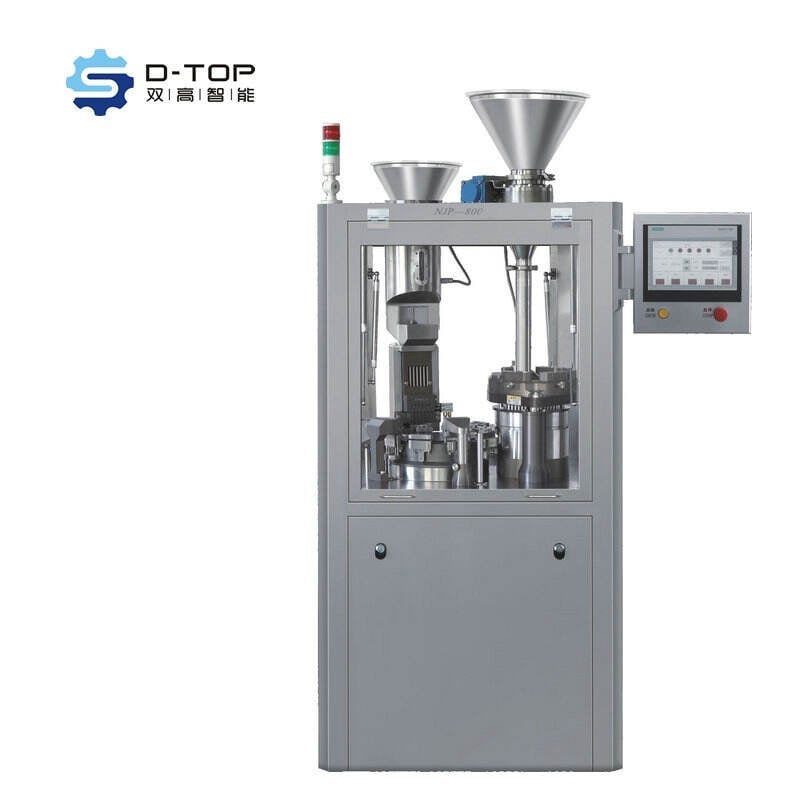
Modern manufacturing operations face unprecedented pressure to maximize efficiency while minimizing waste across production lines. In beverage, pharmaceutical, and chemical industries, the selection of appropriate bottle filling equipment represents a critical decision point that directly impacts both operational performance and environmental sustainability. Advanced filling systems have evolved far beyond simple gravity-fed mechanisms, incorporating precision controls, automated monitoring, and waste reduction technologies that fundamentally transform production capabilities.
The relationship between equipment selection and operational outcomes extends beyond simple throughput metrics. Contemporary bottle filling equipment integrates sophisticated sensor arrays, programmable logic controllers, and real-time feedback systems that enable precise volume control, minimize product spillage, and optimize container handling efficiency. These technological advances directly address the dual challenges of maintaining competitive production rates while meeting increasingly stringent environmental regulations and sustainability goals.
Industry data consistently demonstrates that facilities implementing modern filling technologies experience measurable improvements in both efficiency metrics and waste reduction percentages. The correlation between equipment modernization and operational performance creates compelling business cases for facility upgrades, particularly when considering long-term cost savings, regulatory compliance benefits, and market competitiveness factors.
Advanced Filling Technology Integration
Precision Control Systems
Contemporary filling systems employ multiple precision control mechanisms that fundamentally enhance accuracy and consistency compared to traditional equipment designs. Servo-driven filling valves provide microscopic volume adjustments, while integrated load cells continuously monitor fill weights in real-time. These systems automatically compensate for variations in container dimensions, product temperature, and viscosity changes, ensuring consistent fill levels across production runs.
The implementation of closed-loop feedback control represents a significant advancement in filling accuracy. Sensors continuously measure actual fill volumes against predetermined specifications, triggering immediate adjustments when deviations occur. This real-time monitoring capability eliminates the need for frequent manual calibrations while significantly reducing overfill waste and underfill rejection rates.
Advanced control systems also incorporate predictive algorithms that analyze historical performance data to optimize filling parameters proactively. Machine learning capabilities enable equipment to adapt to changing production conditions automatically, maintaining optimal performance levels without operator intervention. These intelligent systems continuously refine their operational parameters, leading to sustained efficiency improvements over extended production periods.
Automated Monitoring Capabilities
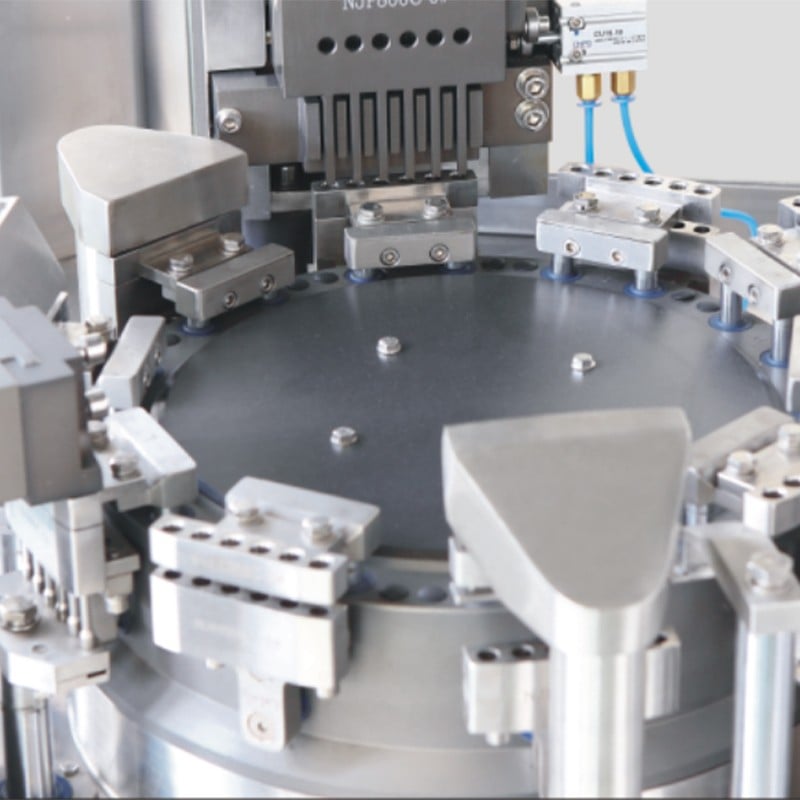
Modern filling equipment incorporates comprehensive monitoring systems that provide unprecedented visibility into production processes. Multi-point sensor arrays track critical parameters including fill accuracy, container positioning, valve performance, and product flow rates. This data collection enables operators to identify optimization opportunities and potential issues before they impact production quality or efficiency.
Integration with facility management systems allows filling equipment to communicate performance data across organizational networks. Production managers can access real-time dashboards displaying efficiency metrics, waste percentages, and equipment utilization rates. This connectivity facilitates data-driven decision making and enables rapid response to performance anomalies or optimization opportunities.
Automated monitoring also supports predictive maintenance programs by tracking equipment wear patterns and performance degradation indicators. Early warning systems alert maintenance teams to potential issues before they result in unplanned downtime or quality problems. This proactive approach significantly reduces maintenance costs while ensuring consistent production availability.
Waste Reduction Mechanisms
Product Recovery Systems
Sophisticated product recovery mechanisms represent one of the most impactful waste reduction features in modern filling systems. Pneumatic product recovery valves capture and redirect excess product back to supply tanks rather than allowing spillage or discharge. These systems can recover up to ninety-five percent of potential waste product during normal operations, significantly reducing material costs and environmental impact.
Variable speed pump controls enable precise flow rate adjustments that minimize product turbulence and foam generation during filling operations. Reduced turbulence directly correlates with decreased product waste, particularly important for carbonated beverages, sensitive chemicals, or pharmaceutical formulations. The ability to optimize flow characteristics for specific product types maximizes fill accuracy while preserving product integrity.
Drip prevention systems incorporate specialized valve designs and container positioning mechanisms that eliminate product loss during bottle transitions. Quick-disconnect fittings and enclosed transfer systems prevent atmospheric exposure and contamination while maintaining product containment throughout the filling process. These features are particularly valuable for expensive pharmaceutical products or environmentally sensitive formulations.
Container Optimization Features
Advanced container handling systems incorporate multiple waste reduction technologies specifically designed to optimize bottle processing efficiency. Gentle container transport mechanisms minimize bottle damage and rejection rates while maintaining high-speed operation capabilities. Servo-controlled positioning systems ensure precise container alignment, reducing filling errors and associated waste.
Integrated vision systems inspect containers for defects, contamination, or dimensional variations before filling operations begin. Automatic rejection of substandard containers prevents product waste while maintaining quality standards. These pre-filling inspection capabilities significantly reduce the volume of filled products requiring disposal due to container defects discovered after filling completion.
Multi-size changeover capabilities enable single systems to accommodate various container types without extensive reconfiguration requirements. Quick-change tooling and programmable positioning systems facilitate rapid transitions between product runs, minimizing setup waste and maximizing equipment utilization efficiency. This flexibility proves particularly valuable for facilities producing multiple product lines or seasonal variations.
Operational Efficiency Enhancement
Throughput Optimization
High-performance bottle filling equipment incorporates multiple design elements specifically engineered to maximize production throughput without compromising fill accuracy or product quality. Multi-head filling configurations enable simultaneous processing of multiple containers, significantly increasing hourly production rates compared to single-head systems. Advanced timing controls coordinate container movement and filling sequences to minimize cycle times while maintaining precise fill volumes.
Variable speed operation capabilities allow systems to optimize production rates based on product characteristics, container specifications, and quality requirements. Operators can adjust filling speeds for different products without manual equipment modifications, enabling rapid transitions between production runs. This operational flexibility maximizes equipment utilization while accommodating diverse production requirements within single facilities.
Continuous operation features eliminate traditional batch processing limitations, enabling sustained production runs with minimal interruptions. Automatic supply replenishment systems maintain consistent product availability while integrated cleaning capabilities support extended operational periods. These design elements significantly improve overall equipment effectiveness metrics while reducing labor requirements for routine operations.
Labor Efficiency Improvements
Automated filling systems substantially reduce manual labor requirements while improving operator safety and ergonomic conditions. Push-button operation interfaces replace complex manual controls, enabling operators with minimal specialized training to achieve consistent results. Intuitive touchscreen displays provide clear operational guidance and performance feedback, reducing the learning curve for new personnel.
Integrated safety systems incorporate multiple protection mechanisms that prevent operator injury while maintaining production efficiency. Light curtains, emergency stops, and lockout systems ensure safe operation without impeding normal production activities. These safety features reduce workplace accidents and associated costs while supporting compliance with occupational safety regulations.
Reduced maintenance requirements and simplified servicing procedures minimize the specialized technical knowledge required for routine equipment care. Accessible components and diagnostic systems enable faster troubleshooting and repair activities. Comprehensive operator training programs and detailed documentation support efficient equipment operation across multiple shifts and personnel changes.
Industry Applications and Benefits
Beverage Industry Implementation
Beverage manufacturers have documented substantial efficiency gains through strategic filling equipment upgrades, particularly in high-volume production environments. Carbonated beverage operations benefit significantly from specialized CO2 management systems that preserve product quality while minimizing gas waste. Counter-pressure filling capabilities maintain carbonation levels during filling operations, reducing product loss and ensuring consistent taste profiles across production batches.
Temperature control systems integrated within filling equipment maintain optimal product temperatures during processing, preventing thermal shock and preserving product characteristics. This temperature management capability proves essential for dairy products, juices, and other temperature-sensitive beverages. Consistent temperature control also improves filling accuracy by maintaining stable product viscosity throughout production runs.
Sanitary design features incorporated in beverage filling systems support stringent hygiene requirements while enabling efficient cleaning and sanitization procedures. Clean-in-place systems minimize downtime between product changes while ensuring microbiological safety. These sanitary capabilities prove particularly important for organic beverages, functional drinks, and products with extended shelf life requirements.
Pharmaceutical and Chemical Applications
Pharmaceutical manufacturers require filling systems that combine exceptional accuracy with comprehensive contamination prevention capabilities. Isolator-compatible designs enable aseptic filling operations while maintaining operator safety when processing hazardous or potent compounds. Closed-system filling prevents atmospheric exposure and cross-contamination while supporting regulatory compliance requirements.
Precision dosing capabilities prove essential for pharmaceutical applications where accurate fill volumes directly impact product efficacy and patient safety. Advanced weighing systems provide real-time verification of fill accuracy, automatically rejecting containers that fall outside specified tolerances. This quality assurance capability reduces regulatory risks while ensuring consistent therapeutic outcomes.
Chemical processing applications benefit from specialized materials compatibility and containment features that prevent product degradation and operator exposure. Corrosion-resistant construction materials and specialized sealing systems ensure long-term reliability when processing aggressive chemicals. Emergency containment systems provide additional safety margins for hazardous material handling operations.
Return on Investment Considerations
Cost Savings Analysis
Comprehensive financial analysis demonstrates that modern filling equipment investments typically achieve full cost recovery within eighteen to thirty-six months through combined efficiency gains and waste reduction benefits. Direct material savings from reduced overfill waste represent the most immediately measurable benefit, often accounting for twenty to forty percent of total cost savings depending on product value and previous waste levels.
Labor cost reductions through automation and improved operational efficiency provide sustained long-term savings that compound over equipment lifetime. Reduced maintenance requirements and extended equipment lifespan contribute additional cost benefits that improve overall return calculations. Energy efficiency improvements in modern systems also provide ongoing operational cost reductions, particularly important for facilities with high production volumes.
Quality improvement benefits, while sometimes difficult to quantify directly, provide substantial value through reduced rejection rates, decreased customer complaints, and enhanced brand reputation. Regulatory compliance capabilities reduce audit risks and potential penalty costs while supporting market access for regulated products. These qualitative benefits often justify equipment investments even when direct cost savings alone provide marginal returns.
Performance Metrics and Benchmarking
Establishing comprehensive performance measurement systems enables facilities to accurately assess equipment effectiveness and identify optimization opportunities. Key performance indicators including overall equipment effectiveness, fill accuracy percentages, and waste ratios provide quantitative benchmarks for operational excellence. Regular performance monitoring supports continuous improvement initiatives and equipment optimization programs.
Industry benchmarking data helps facilities evaluate their performance relative to sector standards and competitive operations. Comparative analysis identifies best practices and potential improvement opportunities while supporting strategic planning for future equipment investments. Participation in industry performance studies provides valuable insights into emerging technologies and operational methodologies.
Long-term performance tracking enables facilities to demonstrate sustained benefits from equipment investments while identifying degradation patterns that may require attention. Historical data analysis supports maintenance optimization and replacement planning decisions. Comprehensive performance documentation also provides valuable information for future equipment specification development and vendor selection processes.
FAQ
What factors determine the optimal filling speed for different products
Optimal filling speeds depend on product viscosity, foaming characteristics, container design, and accuracy requirements. Thicker products typically require slower filling rates to maintain accuracy, while low-viscosity liquids can accommodate higher speeds. Foaming products benefit from controlled filling speeds that minimize turbulence and gas entrainment. Container neck diameter and internal geometry also influence maximum practical filling rates, with narrower openings requiring reduced speeds to prevent overflow or accuracy problems.
How do modern systems handle different container sizes and materials
Contemporary filling systems incorporate quick-change components and programmable controls that accommodate multiple container specifications within single production runs. Servo-controlled height adjustments and variable positioning systems adapt automatically to different bottle dimensions. Material-specific handling mechanisms prevent damage to delicate containers while maintaining processing speeds. Recipe-based programming stores optimal parameters for different container types, enabling rapid changeovers without manual adjustments.
What maintenance requirements are typical for advanced filling equipment
Modern filling systems require routine preventive maintenance including daily cleaning cycles, weekly calibration verification, and monthly component inspections. Automated diagnostic systems monitor critical parameters and alert operators to potential issues before failures occur. Most systems incorporate self-cleaning capabilities and accessible components that minimize maintenance time requirements. Comprehensive maintenance programs typically involve quarterly professional service visits and annual calibration certifications to ensure optimal performance and regulatory compliance.
How do filling systems integrate with existing production line automation
Advanced filling equipment incorporates standard industrial communication protocols that enable seamless integration with conveyor systems, packaging equipment, and facility management networks. Programmable logic controllers coordinate operation timing with upstream and downstream equipment to optimize overall line efficiency. Real-time data sharing capabilities provide production managers with comprehensive performance visibility across integrated systems. Modular design approaches facilitate retrofitting existing lines without extensive infrastructure modifications.