 EN
EN

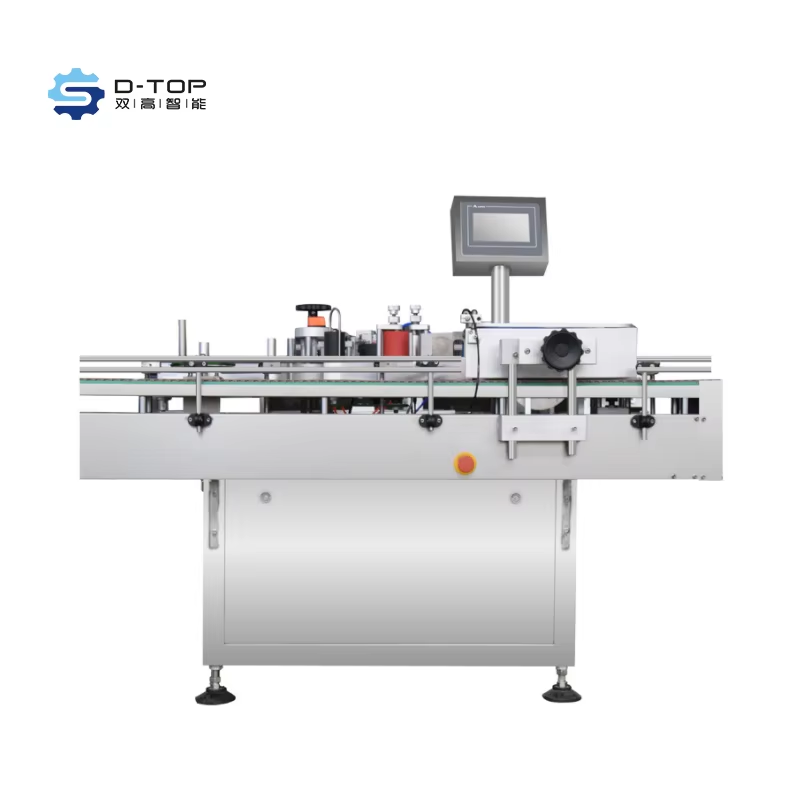
Manufacturing facilities across the globe are increasingly recognizing the transformative impact that advanced bottle filling equipment can have on their production capabilities. In today's competitive market, where efficiency and precision determine profitability, investing in high-speed filling systems has become essential for maintaining operational excellence. Modern bottle filling equipment offers unparalleled advantages in terms of speed, accuracy, and overall production quality that can significantly enhance your plant's performance.
The decision to upgrade your filling infrastructure represents more than just equipment replacement; it constitutes a strategic investment in your facility's future capabilities. High-speed bottle filling equipment delivers measurable improvements in throughput, product consistency, and waste reduction that directly translate to enhanced profitability. Understanding the comprehensive benefits of these advanced systems enables plant managers to make informed decisions that align with their operational objectives and growth strategies.
Production Efficiency and Throughput Enhancement
Maximizing Output Capacity
High-speed bottle filling equipment dramatically increases production capacity by implementing advanced automation technologies that minimize cycle times while maintaining exceptional accuracy. These systems can achieve filling rates that are three to five times faster than conventional equipment, enabling manufacturers to meet increased demand without expanding their physical footprint. The precision engineering of modern filling mechanisms ensures consistent performance even at maximum operational speeds, preventing bottlenecks that traditionally limit production output.
Advanced servo-driven systems provide unmatched control over filling parameters, allowing operators to adjust speed and volume settings in real-time to accommodate different product specifications. This flexibility enables plants to handle multiple product lines efficiently without extensive changeover procedures. The integration of intelligent sensors and feedback systems ensures that high-speed operations maintain the same level of accuracy as slower conventional methods, eliminating the traditional trade-off between speed and precision.
Operational Workflow Optimization
Modern bottle filling equipment incorporates sophisticated workflow management systems that streamline the entire production process from container handling to final packaging. Automated conveyor integration, synchronized timing systems, and intelligent routing capabilities minimize manual intervention while maximizing equipment utilization rates. These systems automatically adjust to varying production demands, ensuring optimal performance across different operational scenarios.
The implementation of predictive maintenance algorithms within high-speed filling systems reduces unplanned downtime by identifying potential issues before they impact production. Real-time monitoring capabilities provide operators with comprehensive visibility into system performance, enabling proactive adjustments that maintain peak efficiency. This level of operational intelligence transforms traditional reactive maintenance approaches into strategic asset management practices that support continuous production improvement.
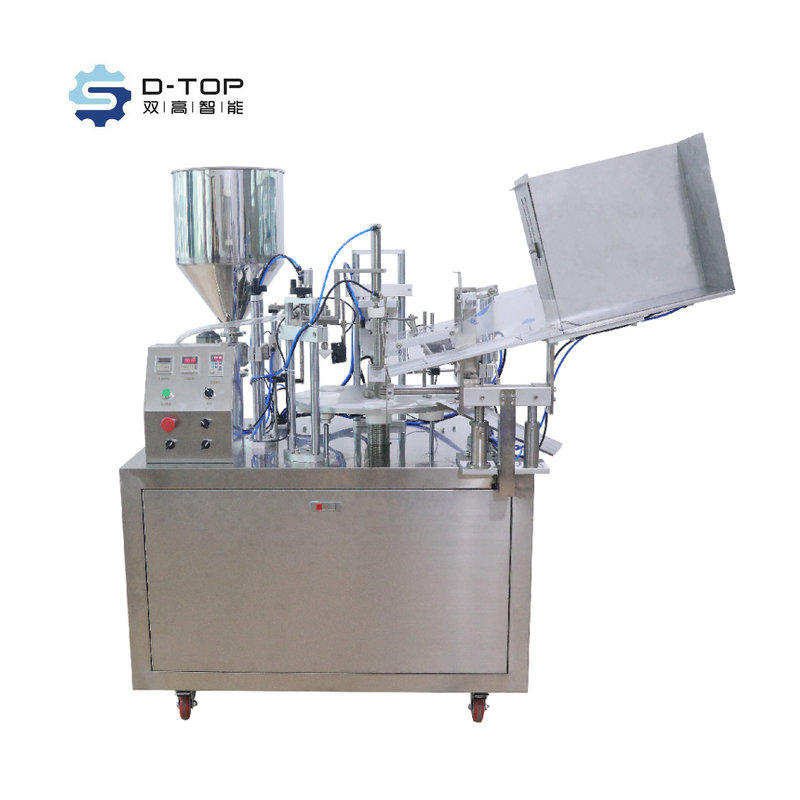
Quality Control and Product Consistency
Precision Filling Accuracy
Advanced bottle filling equipment utilizes cutting-edge measurement technologies such as flow meters, load cells, and vision systems to achieve filling accuracies within ±0.1% of target volumes. This exceptional precision eliminates overfilling waste while ensuring compliance with regulatory requirements and customer specifications. The consistent fill levels achieved by high-speed systems enhance product appearance and customer satisfaction while reducing material costs associated with product giveaway.
Temperature compensation systems and pressure regulation mechanisms ensure that filling accuracy remains constant regardless of environmental conditions or product characteristics. Multi-point calibration capabilities enable operators to maintain precision across different viscosities and container sizes without compromising speed or efficiency. These advanced control systems automatically adjust parameters based on real-time feedback, maintaining optimal performance throughout extended production runs.
Contamination Prevention and Hygiene Standards
Hygienic design principles incorporated into modern bottle filling equipment include sanitary construction materials, clean-in-place systems, and enclosed filling environments that minimize contamination risks. Stainless steel contact surfaces, FDA-approved sealing materials, and pharmaceutical-grade components ensure product integrity while meeting stringent industry standards. Automated cleaning cycles reduce manual intervention and human error potential while maintaining consistent sanitation protocols.
Advanced air filtration systems and positive pressure environments prevent airborne contaminants from compromising product quality during the filling process. Sterile filling capabilities enable manufacturers to handle sensitive products such as pharmaceuticals, nutraceuticals, and premium food items without additional preservation requirements. These contamination control measures not only ensure regulatory compliance but also extend product shelf life and enhance brand reputation through consistent quality delivery.
Cost Reduction and Return on Investment
Labor Cost Optimization
Automated bottle filling equipment significantly reduces labor requirements by eliminating manual filling operations and minimizing the need for quality inspection personnel. A single operator can typically manage multiple high-speed filling lines that would previously require several manual workers, resulting in substantial labor cost savings. The reduced physical demands and improved working conditions also contribute to lower employee turnover rates and reduced training costs.
Skills-based operator requirements shift toward technical maintenance and system optimization rather than repetitive manual tasks, enabling facilities to invest in higher-value employee development programs. The predictable nature of automated operations allows for more efficient shift scheduling and resource allocation, further optimizing labor utilization. These workforce efficiency improvements create opportunities for redeployment of personnel to value-added activities such as quality assurance and process improvement initiatives.
Material Waste Reduction
Precision filling capabilities inherent in high-speed bottle filling equipment eliminate overfilling waste that typically occurs with manual or semi-automatic systems. Even small reductions in overfill percentages can result in significant material cost savings when multiplied across high-volume production runs. Advanced systems also reduce container breakage through gentle handling mechanisms and optimized filling pressures that prevent stress-related failures.
Integrated quality control systems automatically reject defective containers before filling occurs, preventing product waste and reducing cleanup requirements. Real-time monitoring capabilities enable immediate detection and correction of filling inconsistencies, minimizing the number of non-conforming products that must be discarded or reworked. These waste reduction benefits contribute directly to improved profit margins while supporting environmental sustainability initiatives.
Scalability and Future-Proofing Benefits
Modular Expansion Capabilities
Modern bottle filling equipment designs incorporate modular architectures that enable incremental capacity expansion without complete system replacement. Additional filling heads, conveyor sections, and control modules can be integrated seamlessly as production demands increase, protecting initial investment while accommodating growth. This scalability ensures that equipment investments remain relevant and productive throughout extended operational lifecycles.
Standardized interfaces and communication protocols facilitate integration with existing plant infrastructure and future technology upgrades. The ability to expand capacity in measured increments allows manufacturers to match investment timing with market demand, optimizing cash flow and reducing financial risk. Modular designs also support easier maintenance and component replacement, extending overall system longevity and reducing total ownership costs.
Technology Integration and Industry 4.0 Readiness
Advanced bottle filling equipment incorporates Industrial Internet of Things connectivity and data analytics capabilities that support modern manufacturing intelligence initiatives. Real-time production data collection enables comprehensive performance analysis and optimization opportunities that drive continuous improvement. Cloud-based monitoring systems provide remote access capabilities that support centralized management of multiple production facilities.
Machine learning algorithms integrated into control systems continuously optimize filling parameters based on historical performance data and current operating conditions. Predictive analytics capabilities enable proactive maintenance scheduling and inventory management that reduces operational costs while improving equipment reliability. These smart manufacturing features position facilities to capitalize on emerging technologies and evolving industry best practices.
Regulatory Compliance and Quality Assurance
Documentation and Traceability Systems
Comprehensive data logging capabilities built into high-speed bottle filling equipment provide complete production traceability that satisfies regulatory requirements across multiple industries. Automated record-keeping eliminates manual documentation errors while ensuring consistent compliance with quality management system standards. Electronic batch records and real-time parameter monitoring support efficient audit processes and regulatory inspections.
Integration with enterprise resource planning systems enables seamless data flow from production floor to quality assurance departments and regulatory reporting systems. Automated alerts and exception reporting ensure immediate notification of any deviations from established parameters, enabling rapid corrective actions. These documentation capabilities not only support regulatory compliance but also provide valuable data for process optimization and continuous improvement initiatives.
Validation and Qualification Support
Modern bottle filling equipment includes comprehensive validation documentation packages that streamline installation qualification, operational qualification, and performance qualification processes. Pre-validated control systems and standardized testing protocols reduce commissioning time and ensure consistent performance across different installation environments. Manufacturer support for validation activities reduces internal resource requirements and accelerates time-to-market for new products.
Change control systems integrated into equipment software maintain complete records of parameter modifications and system updates, supporting regulatory requirements for documented change management. Validation maintenance programs ensure ongoing compliance through periodic re-qualification activities and systematic performance monitoring. These validation support capabilities reduce regulatory risk while enabling faster product launches and market expansion opportunities.
FAQ
What factors should be considered when selecting high-speed bottle filling equipment for a manufacturing facility
Key selection factors include production volume requirements, product characteristics such as viscosity and fill accuracy needs, container size and material compatibility, available floor space, utility requirements, regulatory compliance standards, and integration capabilities with existing production lines. Additionally, consider the manufacturer's technical support capabilities, spare parts availability, training programs, and long-term service commitments to ensure optimal equipment performance throughout its operational lifecycle.
How does high-speed bottle filling equipment impact overall production costs compared to conventional systems
High-speed bottle filling equipment typically delivers significant cost reductions through decreased labor requirements, reduced material waste from improved accuracy, lower maintenance costs due to advanced monitoring systems, and increased throughput that improves fixed cost absorption. While initial capital investment may be higher, the rapid return on investment often occurs within 12-24 months through operational efficiency improvements and quality enhancements that support premium pricing strategies.
What maintenance requirements are associated with high-speed bottle filling equipment
Modern high-speed systems incorporate predictive maintenance technologies that reduce routine maintenance requirements while providing early warning of potential issues. Typical maintenance activities include regular cleaning and sanitization cycles, periodic calibration of filling systems, replacement of wear components according to manufacturer schedules, and software updates to maintain optimal performance. Many manufacturers offer comprehensive service agreements that include preventive maintenance, emergency support, and performance optimization services.
How quickly can high-speed bottle filling equipment be integrated into existing production lines
Integration timeline depends on facility preparation, equipment complexity, and customization requirements, but typically ranges from 4-12 weeks for standard installations. Factors affecting implementation speed include utility connections, conveyor integration, control system programming, operator training, and validation activities for regulated industries. Experienced manufacturers provide detailed project management support and can often minimize production disruption through phased installation approaches and temporary production solutions during transition periods.
Table of Contents
- Production Efficiency and Throughput Enhancement
- Quality Control and Product Consistency
- Cost Reduction and Return on Investment
- Scalability and Future-Proofing Benefits
- Regulatory Compliance and Quality Assurance
-
FAQ
- What factors should be considered when selecting high-speed bottle filling equipment for a manufacturing facility
- How does high-speed bottle filling equipment impact overall production costs compared to conventional systems
- What maintenance requirements are associated with high-speed bottle filling equipment
- How quickly can high-speed bottle filling equipment be integrated into existing production lines