 EN
EN

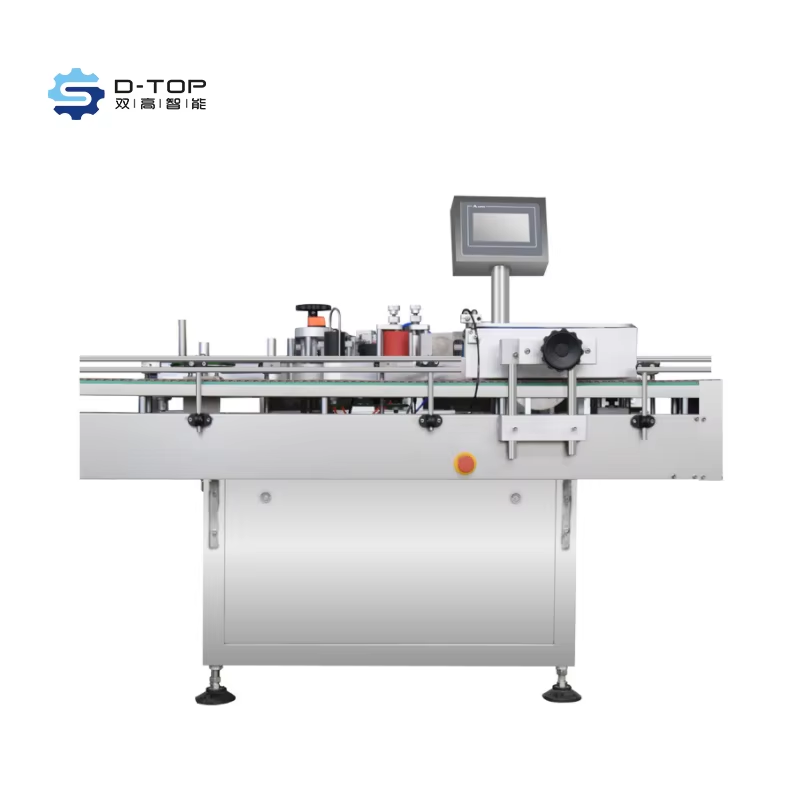
Modern manufacturing facilities are increasingly turning to automated solutions to enhance productivity and maintain competitive advantages. The implementation of advanced bottle filling equipment has revolutionized packaging operations across numerous industries, from pharmaceuticals and cosmetics to food and beverage production. Companies that invest in automated filling systems experience significant improvements in efficiency, product consistency, and overall operational performance. These sophisticated machines represent a crucial step toward optimizing production lines and meeting the demanding requirements of today's market standards.
Enhanced Production Efficiency and Speed
Automated Processing Capabilities
Automated bottle filling equipment delivers unprecedented processing speeds that manual operations simply cannot match. These systems can fill hundreds or thousands of containers per hour, depending on the specific model and configuration. The continuous operation capability means production lines can run with minimal interruptions, maximizing output during operational hours. Advanced control systems ensure consistent filling rates while maintaining precise volume measurements throughout extended production runs.
The integration of servo motors and programmable logic controllers allows for real-time adjustments to filling parameters. Operators can modify speed settings, volume controls, and timing sequences without stopping the entire production line. This flexibility enables manufacturers to accommodate different product types and container sizes within the same shift, significantly improving overall equipment effectiveness and reducing changeover times between production batches.
Reduced Labor Requirements
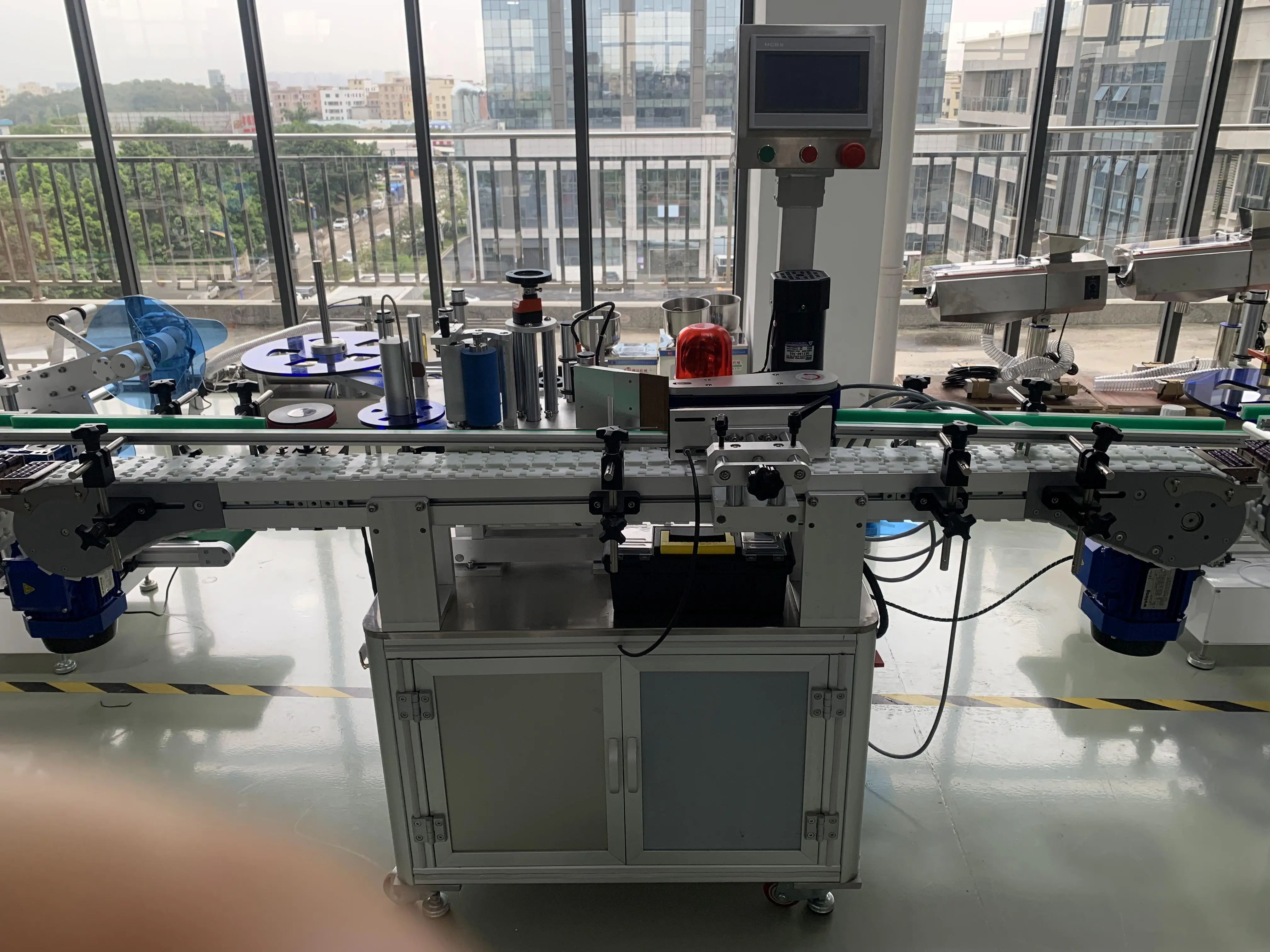
Implementing automated filling systems substantially reduces the need for manual labor in packaging operations. A single operator can monitor multiple filling stations that previously required several workers to manage effectively. This workforce optimization allows companies to reallocate human resources to value-added activities such as quality control, maintenance, and process improvement initiatives. The reduced dependency on manual labor also minimizes the impact of staffing shortages and training requirements.
The ergonomic benefits of automation cannot be overlooked, as workers are no longer exposed to repetitive motions and heavy lifting associated with manual filling processes. This reduction in physical strain leads to fewer workplace injuries, lower workers' compensation costs, and improved employee satisfaction. Companies often report significant improvements in workplace safety metrics after implementing automated bottle filling equipment in their production facilities.
Superior Product Quality and Consistency
Precise Volume Control
Modern filling equipment incorporates advanced measurement technologies that ensure exceptional accuracy in product dispensing. Weight-based, volumetric, and level-sensing systems provide precise control over fill volumes, typically achieving accuracy rates within 0.1% of target specifications. This precision eliminates the variability inherent in manual filling processes and ensures that every container meets exact product specifications regardless of operator skill levels or fatigue factors.
The implementation of feedback control systems allows the equipment to automatically adjust filling parameters based on real-time measurements. If a container receives slightly more or less product than specified, the system compensates on subsequent fills to maintain overall batch consistency. This self-correcting capability minimizes product waste and ensures compliance with regulatory requirements for accurate product labeling and consumer protection standards.
Contamination Prevention
Automated systems incorporate sophisticated contamination prevention measures that are difficult to achieve with manual processes. Enclosed filling chambers, sterile air systems, and automated cleaning cycles minimize exposure to environmental contaminants. The equipment can be designed with sanitary features including smooth surfaces, minimal dead spaces, and easy-to-clean components that meet stringent hygiene standards required in pharmaceutical and food production environments.
Clean-in-place capabilities allow for thorough sanitization between product runs without disassembling equipment components. This automated cleaning process ensures consistent sanitation standards and reduces the risk of cross-contamination between different product batches. The ability to document and validate cleaning procedures also supports compliance with regulatory requirements and quality management system standards.
Cost Optimization and Return on Investment
Material Waste Reduction
Automated bottle filling equipment significantly reduces product waste through precise dispensing control and spillage prevention. The accurate measurement systems ensure that containers receive the exact amount of product required, eliminating overfilling that represents direct material loss. Closed-loop systems capture and recycle any product that might otherwise be lost during the filling process, further reducing waste and improving material utilization efficiency.
The reduction in rejected products due to filling errors translates directly into cost savings and improved profitability. Consistent fill levels reduce the likelihood of customer complaints and returns, protecting brand reputation while minimizing associated costs. Companies typically report waste reduction rates of 15-30% after implementing automated filling systems, with savings that quickly offset the initial equipment investment costs.
Energy Efficiency Benefits
Modern automated filling systems incorporate energy-efficient technologies that reduce overall operational costs. Variable frequency drives optimize motor performance based on actual production requirements, consuming less energy during periods of reduced demand. Advanced control systems can automatically adjust equipment operation to minimize energy consumption while maintaining production targets and quality standards.
The consolidated design of automated systems often requires less facility space and supporting infrastructure compared to manual operations. Reduced lighting, heating, and ventilation requirements in automated areas contribute to lower facility operating costs. Many manufacturers report 20-40% reductions in energy consumption per unit produced after implementing automated bottle filling equipment in their production facilities.
Scalability and Future-Proofing
Modular System Design
Contemporary bottle filling equipment features modular designs that allow for easy expansion and modification as production requirements evolve. Additional filling heads, conveyor sections, and processing modules can be integrated into existing systems without requiring complete equipment replacement. This scalability ensures that initial investments continue to provide value as companies grow and production demands increase over time.
The modular approach also facilitates maintenance and component replacement, minimizing downtime when repairs are needed. Standard interfaces and communication protocols ensure compatibility between different system components and enable integration with existing production line equipment. This flexibility allows manufacturers to optimize their production layouts and adapt to changing market conditions without significant capital expenditures.
Technology Integration Capabilities
Advanced filling systems can integrate with enterprise resource planning systems, manufacturing execution systems, and quality management databases. This connectivity enables real-time production monitoring, automatic data collection, and comprehensive reporting capabilities. Integration with inventory management systems ensures optimal material planning and reduces the risk of production interruptions due to supply shortages.
The ability to collect and analyze production data supports continuous improvement initiatives and predictive maintenance programs. Machine learning algorithms can identify patterns in equipment performance and predict potential issues before they result in unplanned downtime. This proactive approach to maintenance reduces overall equipment lifecycle costs and maximizes production availability for critical manufacturing operations.
FAQ
What factors should be considered when selecting bottle filling equipment
When selecting bottle filling equipment, manufacturers should evaluate production volume requirements, product characteristics such as viscosity and foaming tendency, container sizes and materials, accuracy requirements, and available floor space. Additionally, consider integration capabilities with existing equipment, maintenance requirements, operator skill levels, and regulatory compliance needs specific to your industry. Budget constraints and expected return on investment timelines also play crucial roles in equipment selection decisions.
How long does it typically take to see return on investment from automated filling equipment
Most manufacturers experience return on investment within 12 to 24 months after implementing automated bottle filling equipment. The payback period depends on factors such as labor cost savings, material waste reduction, increased production capacity, and improved product quality. Companies with high-volume production or expensive products typically see faster returns, while smaller operations may require longer payback periods but still achieve significant long-term benefits.
What maintenance requirements are associated with automated bottle filling systems
Automated filling systems require regular preventive maintenance including lubrication of moving parts, calibration of measurement systems, replacement of wear components, and cleaning cycle verification. Most equipment manufacturers provide detailed maintenance schedules and training programs for operators. Proper maintenance typically requires 2-4 hours per week for standard systems, with major service intervals occurring quarterly or semi-annually depending on usage intensity and operating conditions.
Can automated bottle filling equipment handle different container sizes and products
Yes, modern automated bottle filling equipment offers excellent flexibility for handling various container sizes and product types. Quick-change components, adjustable filling heads, and programmable control systems enable rapid changeovers between different production runs. Some systems can accommodate container size ranges from small vials to large bottles with minimal adjustment time. Product viscosity ranges from thin liquids to thick creams can typically be handled with appropriate pump and nozzle configurations.
Table of Contents
- Enhanced Production Efficiency and Speed
- Superior Product Quality and Consistency
- Cost Optimization and Return on Investment
- Scalability and Future-Proofing
-
FAQ
- What factors should be considered when selecting bottle filling equipment
- How long does it typically take to see return on investment from automated filling equipment
- What maintenance requirements are associated with automated bottle filling systems
- Can automated bottle filling equipment handle different container sizes and products