 EN
EN

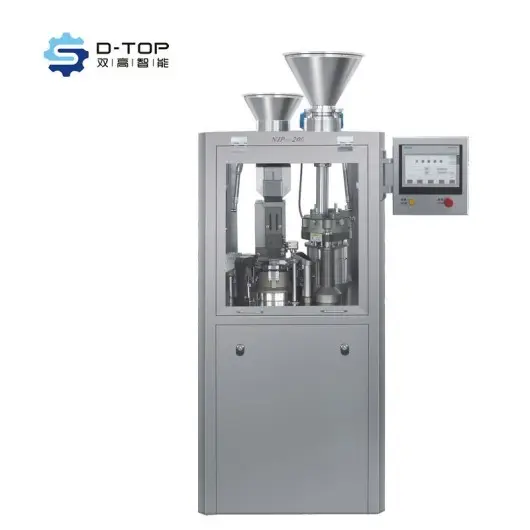
The pharmaceutical industry demands precision, speed, and reliability in every production process. Manufacturing high-quality capsules at scale requires advanced automation technology that can maintain consistent output while minimizing waste and operational costs. Modern njp capsule filling machine systems have revolutionized capsule production by offering unprecedented efficiency gains that transform manufacturing operations. These sophisticated systems integrate cutting-edge technology with proven engineering principles to deliver exceptional performance in pharmaceutical production environments. Understanding how these machines enhance operational efficiency helps manufacturers make informed decisions about upgrading their production capabilities.
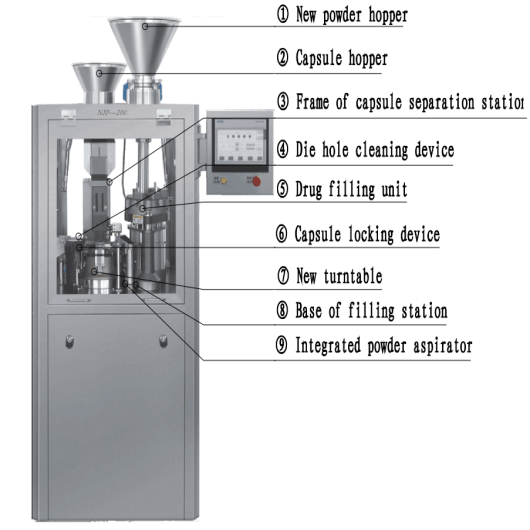
Advanced Automation Technology in Modern Capsule Production
Precision Dosing Systems
Advanced njp capsule filling machine models incorporate sophisticated dosing mechanisms that ensure accurate powder or pellet distribution into each capsule. These systems utilize precision weighing technology combined with servo-driven dosing wheels to maintain consistent fill weights across entire production batches. The automated dosing process eliminates human error while significantly reducing material waste through precise control algorithms. Modern systems can handle multiple formulations simultaneously, allowing manufacturers to switch between products with minimal downtime and setup requirements.
Temperature and humidity monitoring systems work in conjunction with dosing mechanisms to maintain optimal filling conditions throughout production cycles. Environmental controls prevent powder agglomeration and ensure consistent flow characteristics that directly impact filling accuracy. These integrated systems provide real-time feedback to operators, enabling immediate adjustments when environmental conditions deviate from specified parameters.
Intelligent Control Systems
Contemporary njp capsule filling machine designs feature advanced programmable logic controllers that manage all operational parameters through intuitive touchscreen interfaces. Operators can monitor production metrics, adjust settings, and troubleshoot issues without extensive technical training or complex manual procedures. These control systems store multiple product recipes, allowing rapid changeovers between different formulations while maintaining production quality standards.
Data logging capabilities enable comprehensive production tracking and quality assurance documentation required for regulatory compliance. The systems automatically record critical process parameters including fill weights, production speeds, and environmental conditions throughout each batch cycle. This automated documentation reduces administrative overhead while ensuring complete traceability for quality control purposes.
Production Speed and Throughput Optimization
High-Speed Operation Capabilities
Modern njp capsule filling machine systems achieve remarkable production speeds while maintaining exceptional quality standards. Advanced models can produce thousands of capsules per hour through optimized mechanical designs that minimize cycle times without compromising accuracy. Multiple filling stations operate simultaneously, creating continuous production flow that maximizes equipment utilization and reduces per-unit manufacturing costs.
Servo-driven mechanisms provide precise timing control that synchronizes all machine functions for optimal throughput performance. Variable speed controls allow operators to adjust production rates based on specific product requirements or quality considerations. This flexibility enables manufacturers to optimize production schedules while maintaining consistent output quality across different formulations and batch sizes.
Continuous Operation Features
Automated capsule supply systems eliminate manual loading interruptions that traditionally reduced production efficiency in pharmaceutical manufacturing. Bulk capsule hoppers with automatic feeding mechanisms ensure continuous operation for extended periods without operator intervention. These systems incorporate quality inspection mechanisms that automatically reject defective capsules before they enter the filling process.
Preventive maintenance scheduling integrated into njp capsule filling machine control systems minimizes unplanned downtime through predictive monitoring of critical components. Automated lubrication systems, wear monitoring sensors, and maintenance alerts help operators maintain peak performance while extending equipment service life. This proactive approach significantly improves overall equipment effectiveness and production reliability.
Quality Control and Regulatory Compliance
Integrated Inspection Systems
Advanced njp capsule filling machine models incorporate sophisticated quality control mechanisms that monitor product quality throughout the production process. Vision systems inspect capsule integrity, fill levels, and closure quality using high-resolution cameras and intelligent image processing algorithms. These systems automatically reject non-conforming products while maintaining detailed records of quality metrics for batch documentation.
Weight checking systems verify individual capsule weights against predetermined specifications, ensuring consistent dosing accuracy that meets pharmaceutical standards. Statistical process control algorithms analyze weight data in real-time, providing immediate feedback when processes drift outside acceptable parameters. This continuous monitoring approach prevents quality issues before they impact large quantities of product.
Documentation and Traceability
Comprehensive data management systems built into modern njp capsule filling machine platforms automatically generate detailed production reports required for regulatory submissions. These systems track all critical process parameters, environmental conditions, and quality metrics throughout each production batch. Electronic batch records eliminate manual documentation errors while ensuring complete traceability from raw materials to finished products.
Audit trail capabilities provide secure documentation of all system changes, operator actions, and process adjustments throughout production cycles. This comprehensive documentation supports regulatory inspections and quality assurance investigations while maintaining data integrity through secure electronic signatures and time-stamped records.
Cost Reduction and Operational Benefits
Labor Efficiency Improvements
Automated njp capsule filling machine operations significantly reduce labor requirements compared to manual or semi-automatic filling processes. Single operators can manage multiple production lines through centralized control systems that provide comprehensive monitoring capabilities. This efficiency improvement reduces labor costs while allowing skilled technicians to focus on higher-value activities such as process optimization and quality assurance.
Training requirements decrease substantially with intuitive control interfaces that simplify machine operation and maintenance procedures. Standardized operating procedures integrated into control systems guide operators through setup, operation, and shutdown processes while minimizing the risk of operator errors. This simplified operation reduces training time and costs while improving overall production consistency.
Material Waste Minimization
Precision dosing systems in modern njp capsule filling machine designs minimize material waste through accurate powder dispensing and efficient capsule handling. Advanced powder handling systems prevent contamination and cross-contamination while maximizing material utilization efficiency. Closed-loop powder recovery systems capture and reuse excess material, further reducing waste and material costs.
Automated rejection systems identify and remove defective capsules early in the production process, preventing waste of valuable active ingredients and excipients. Quick changeover capabilities reduce waste associated with product transitions while minimizing cleaning and validation requirements between different formulations.
Energy Efficiency and Sustainability
Power Management Systems
Contemporary njp capsule filling machine designs incorporate energy-efficient components and intelligent power management systems that reduce operational costs and environmental impact. Variable frequency drives optimize motor operation based on actual load requirements, reducing energy consumption during periods of reduced demand. Efficient heating and cooling systems maintain optimal operating temperatures while minimizing energy usage.
Standby modes automatically reduce power consumption during production breaks or maintenance periods without affecting machine readiness for rapid startup. Smart scheduling systems coordinate equipment operation to minimize peak power demand while maintaining production targets and delivery schedules.
Environmental Impact Reduction
Advanced filtration systems integrated into njp capsule filling machine designs capture powder emissions and prevent environmental contamination while protecting operator health and safety. Closed-loop powder handling systems minimize dust generation and material loss while maintaining clean production environments. These systems support sustainability goals while ensuring compliance with environmental regulations and workplace safety standards.
Reduced material waste and energy consumption contribute to lower carbon footprint and improved sustainability metrics for pharmaceutical manufacturing operations. Efficient production processes minimize resource consumption while maintaining high-quality output that meets regulatory requirements and customer expectations.
Future Technology Integration and Scalability
Industry 4.0 Connectivity
Modern njp capsule filling machine systems support Industry 4.0 connectivity standards that enable integration with enterprise resource planning and manufacturing execution systems. Real-time data exchange facilitates production planning, inventory management, and quality assurance coordination across entire manufacturing operations. Cloud-based monitoring systems provide remote access to production data and performance metrics for multi-site operations.
Predictive analytics capabilities analyze production data to identify optimization opportunities and predict maintenance requirements before equipment failures occur. Machine learning algorithms continuously improve process efficiency by analyzing historical data and identifying patterns that enhance production performance and product quality.
Modular Design Advantages
Scalable njp capsule filling machine architectures support production capacity expansion through modular component additions rather than complete equipment replacement. Standardized interfaces enable seamless integration of additional filling stations, quality control systems, and automation components as production requirements grow. This modular approach reduces capital investment requirements while providing flexibility to adapt to changing market demands.
Upgrade pathways built into modern machine designs allow manufacturers to incorporate new technology features without replacing entire production systems. Software updates and component upgrades extend equipment service life while maintaining competitive performance capabilities throughout the equipment lifecycle.
FAQ
What production speeds can modern njp capsule filling machines achieve
Modern njp capsule filling machine systems can achieve production speeds ranging from 30,000 to over 200,000 capsules per hour depending on the specific model and configuration. High-speed models designed for large-scale pharmaceutical production typically operate at speeds between 80,000 to 150,000 capsules per hour while maintaining strict quality standards. Production speed varies based on capsule size, formulation characteristics, and quality control requirements specific to each application.
How do these machines ensure consistent capsule fill weights
Advanced njp capsule filling machine systems utilize precision dosing mechanisms with servo-controlled dosing wheels and integrated weighing systems to maintain consistent fill weights. Real-time weight monitoring provides immediate feedback for automatic adjustments when fill weights deviate from specified parameters. Statistical process control algorithms analyze weight data continuously to ensure all capsules meet predetermined weight specifications with minimal variation throughout production batches.
What maintenance requirements are typical for njp capsule filling machines
Regular maintenance for njp capsule filling machine systems includes daily cleaning and inspection procedures, weekly lubrication of moving components, and monthly calibration of weighing and dosing systems. Preventive maintenance schedules typically include quarterly replacement of wear parts such as dosing wheels and sealing components. Annual comprehensive inspections and calibrations ensure continued accuracy and regulatory compliance while maximizing equipment service life and reliability.
Can these machines handle different capsule sizes and formulations
Modern njp capsule filling machine designs accommodate multiple capsule sizes from size 000 to size 5 through changeover kits that include size-specific tooling and formatting components. Formulation flexibility supports powder, pellet, and granule filling applications with adjustable dosing parameters for different material characteristics. Quick changeover procedures typically require 30-60 minutes depending on the complexity of the product transition and cleaning requirements between different formulations.