 EN
EN

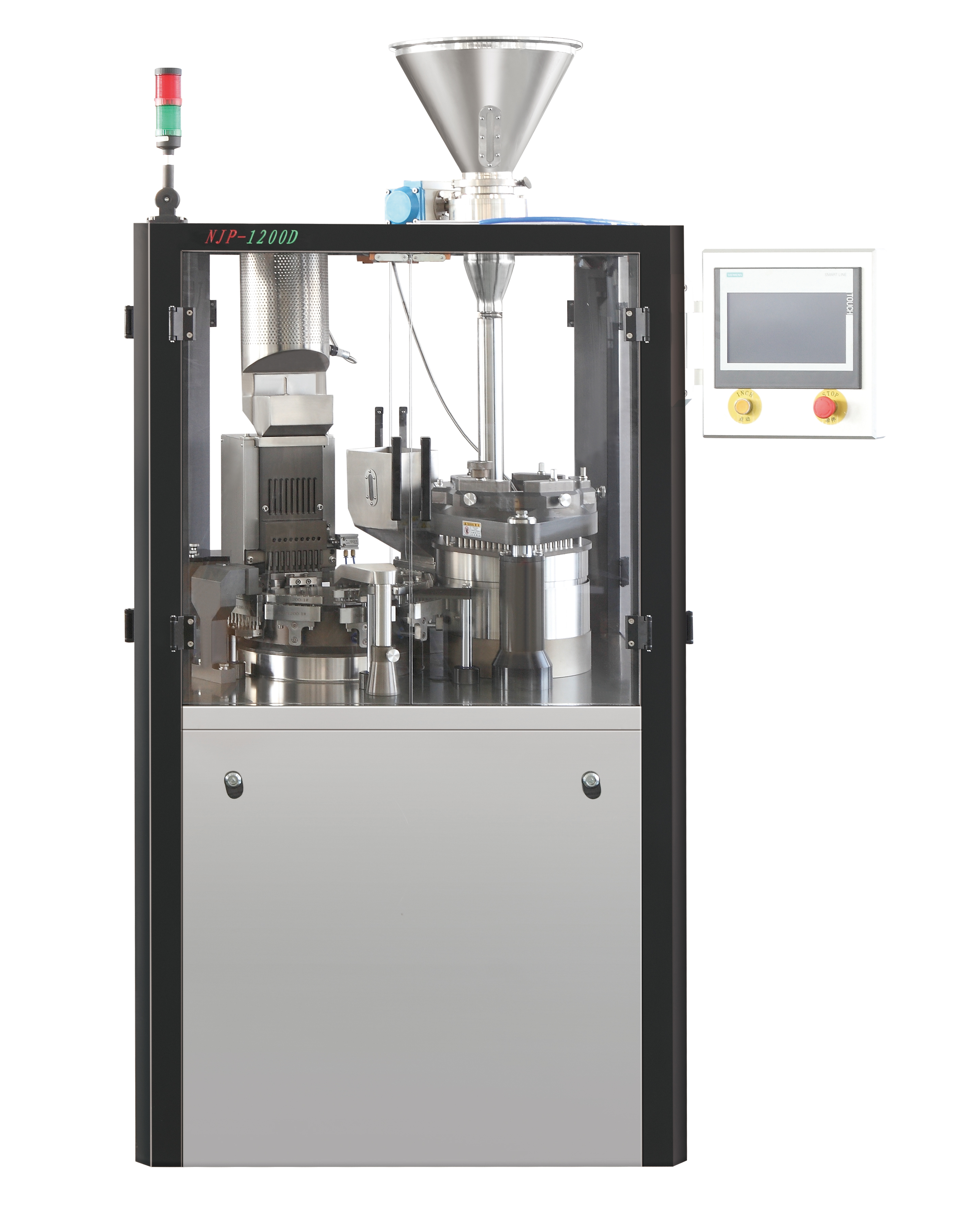
In the pharmaceutical manufacturing industry, precision and efficiency are paramount when it comes to capsule production. The njp capsule filling machine represents a breakthrough in automated capsule filling technology, offering manufacturers the ability to achieve consistent, high-quality results while maintaining optimal production speeds. This advanced equipment has become an essential component in modern pharmaceutical facilities, revolutionizing how companies approach capsule manufacturing processes.
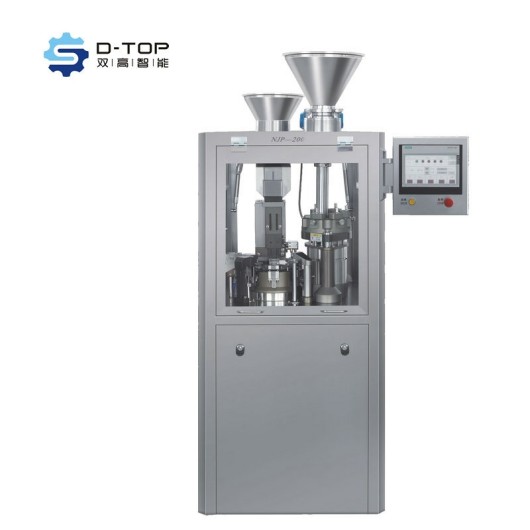
The technology behind the njp capsule filling machine combines sophisticated mechanical engineering with advanced control systems to deliver unparalleled accuracy in pharmaceutical production. As regulatory standards continue to evolve and market demands increase, manufacturers rely on this equipment to maintain competitive advantages while ensuring compliance with stringent quality requirements. Understanding the fundamental principles and operational mechanisms of this technology is crucial for pharmaceutical professionals seeking to optimize their production capabilities.
Understanding NJP Capsule Filling Technology
Core Components and Design Elements
The njp capsule filling machine operates through a precisely engineered system of interconnected components that work together to achieve consistent capsule production. The primary structure includes a rotating turret mechanism, filling stations, capsule orientation systems, and advanced dosing units. Each component is designed to handle specific aspects of the capsule filling process, from initial capsule separation through final sealing operations.
The turret system serves as the central hub of the njp capsule filling machine, featuring multiple stations arranged in a circular configuration. This design allows for continuous operation while individual capsules progress through each stage of the filling process. The precision-machined turret ensures accurate positioning and timing, critical factors that directly impact product quality and production efficiency.
Advanced sensor technology integrated throughout the machine provides real-time monitoring and feedback control. These sensors detect capsule presence, orientation, and filling levels, enabling the system to make instant adjustments when necessary. The sophisticated control system ensures that each capsule receives the precise amount of product while maintaining consistent quality standards throughout the production run.
Mechanical Operation Principles
The operational sequence of an njp capsule filling machine begins with capsule magazine loading, where empty gelatin or vegetarian capsules are stored in bulk quantities. The machine automatically separates individual capsules and orients them correctly for the filling process. This separation mechanism utilizes vacuum technology and mechanical guides to ensure proper capsule positioning without damage to the delicate gelatin shells.
Once properly oriented, capsules move through the separation station where caps and bodies are gently pulled apart using controlled vacuum pressure. The separated capsule bodies then advance to the filling stations, where precision dosing mechanisms deliver the exact amount of powder, pellets, or granules required for each capsule. The njp capsule filling machine employs multiple filling principles depending on the product characteristics and desired fill weights.
After filling completion, the capsule caps are rejoined with the bodies through a controlled rejoining process. The machine applies precise pressure and timing to ensure proper capsule closure without crushing or damaging the filled products. Final inspection systems verify capsule integrity and fill weight accuracy before discharge into collection containers or downstream packaging equipment.
Operational Mechanisms and Functionality
Dosing System Technology
The dosing system represents the heart of the njp capsule filling machine, incorporating multiple filling principles to accommodate various product types and characteristics. Auger filling mechanisms provide exceptional accuracy for powder products, utilizing rotating screws to meter precise quantities based on volumetric displacement. This method is particularly effective for fine powders and ensures consistent fill weights across large production batches.
For products requiring different filling approaches, the machine can be equipped with tamping pin systems that compress powders to achieve higher fill densities. This capability is essential when dealing with products that require specific bulk densities or when maximizing the amount of active ingredient per capsule. The tamping pressure can be precisely controlled to maintain product integrity while achieving desired fill characteristics.
Multi-stage filling capabilities allow the njp capsule filling machine to handle complex formulations requiring multiple components or layered filling sequences. This advanced functionality enables manufacturers to create sophisticated capsule products with precise ratios of different ingredients, expanding the range of pharmaceutical products that can be efficiently produced on a single machine platform.
Quality Control and Monitoring Systems
Integrated quality control systems in the njp capsule filling machine provide comprehensive monitoring throughout the production process. Weight checking stations continuously monitor fill weights and automatically reject capsules that fall outside predetermined tolerance ranges. This real-time quality assurance ensures consistent product quality while minimizing waste and reducing the need for extensive post-production testing.
Vision inspection systems examine capsule appearance, detecting defects such as cracks, dents, or improper closure. These automated inspection capabilities significantly reduce the risk of defective products reaching the market while maintaining high production speeds. The machine can automatically sort rejected capsules and provide detailed reporting on rejection reasons for process optimization.
Data logging and traceability features capture comprehensive production information, including fill weights, rejection rates, and operational parameters. This documentation capability supports regulatory compliance requirements while providing valuable insights for continuous process improvement. The njp capsule filling machine generates detailed production reports that facilitate quality assurance procedures and batch record maintenance.
Production Capabilities and Performance Specifications
Speed and Throughput Characteristics
Modern njp capsule filling machine models offer impressive production capabilities, with output rates ranging from several thousand to over 400,000 capsules per hour depending on machine configuration and product characteristics. These high-speed capabilities make the technology suitable for both large-scale commercial production and smaller batch manufacturing operations. The variable speed control allows operators to optimize production rates based on specific product requirements and quality considerations.
Production efficiency is enhanced through advanced automation features that minimize downtime and changeover requirements. Quick-change tooling systems enable rapid conversion between different capsule sizes and product formulations, reducing the time required for product changeovers. This flexibility is particularly valuable for contract manufacturing operations that handle multiple products with varying specifications.
The continuous operation design of the njp capsule filling machine eliminates many of the interruptions common in batch-style filling systems. Raw materials can be replenished during operation, and the machine can run for extended periods without stopping for routine maintenance activities. This operational efficiency translates directly into increased productivity and reduced per-unit manufacturing costs.
Accuracy and Precision Standards
Fill weight accuracy is a critical performance parameter for the njp capsule filling machine, with typical machines achieving fill weight variations of less than ±3% for most product types. This exceptional accuracy is achieved through precise mechanical dosing systems combined with advanced feedback control algorithms that continuously monitor and adjust filling parameters. Such precision ensures consistent therapeutic dosing while minimizing product waste.
The machine's ability to maintain consistent performance across extended production runs is equally important. Statistical process control systems track fill weight distributions and automatically alert operators to any drift in performance before it impacts product quality. This proactive monitoring approach helps maintain tight control over critical quality attributes throughout the production process.
Validation capabilities built into the njp capsule filling machine support pharmaceutical manufacturing requirements for equipment qualification and process validation. The machine can generate comprehensive documentation demonstrating consistent performance across multiple production batches, facilitating regulatory compliance and supporting new product introductions.
Applications in Pharmaceutical Manufacturing
Product Versatility and Compatibility
The njp capsule filling machine demonstrates remarkable versatility in handling diverse pharmaceutical products, from traditional powder formulations to complex multi-particulate systems. This adaptability makes it an ideal solution for manufacturers producing varied product portfolios or contract manufacturing organizations serving multiple clients with different product requirements. The machine can process products ranging from highly potent compounds requiring containment to standard over-the-counter medications.
Specialized configurations of the njp capsule filling machine can accommodate unique product characteristics such as hygroscopic materials, heat-sensitive compounds, or products requiring inert atmosphere processing. These customization options ensure that manufacturers can process their specific formulations without compromising product quality or stability. The flexibility extends to capsule size compatibility, with most machines capable of handling sizes from 000 to 5.
Research and development applications benefit from the machine's ability to process small batches while maintaining the same precision and control as large-scale production. This capability is valuable for clinical trial material production and new product development activities where consistent quality is essential but production volumes are limited.
Regulatory Compliance Features
Compliance with pharmaceutical manufacturing regulations is integrated into the design philosophy of the njp capsule filling machine. The equipment incorporates features specifically designed to meet FDA, EMA, and other regulatory requirements for pharmaceutical manufacturing equipment. These features include comprehensive documentation packages, validation support materials, and design elements that facilitate cleaning and maintenance procedures.
The machine's construction materials and surface finishes comply with pharmaceutical industry standards for product contact surfaces. Stainless steel construction with appropriate surface treatments ensures compatibility with cleaning and sanitization procedures while preventing contamination risks. Design features such as minimal product contact areas and smooth surface transitions facilitate thorough cleaning between product batches.
Comprehensive audit trails and electronic records capabilities support Part 11 compliance requirements for electronic systems in pharmaceutical manufacturing. The njp capsule filling machine can integrate with existing manufacturing execution systems to provide seamless data flow and comprehensive batch documentation. This integration capability is essential for manufacturers operating under modern pharmaceutical quality systems.
Maintenance and Operational Considerations
Preventive Maintenance Requirements
Proper maintenance of the njp capsule filling machine is essential for sustained performance and product quality consistency. The machine requires regular preventive maintenance activities including lubrication of mechanical components, calibration of dosing systems, and inspection of wear components. These maintenance procedures are designed to prevent unexpected downtime while ensuring continued accuracy and reliability.
The modular design of modern njp capsule filling machine systems facilitates maintenance activities by providing easy access to critical components. Quick-disconnect fittings and tool-free access panels reduce the time required for routine maintenance tasks. Predictive maintenance capabilities utilize sensor data to identify potential issues before they impact production, enabling proactive maintenance scheduling.
Training programs for maintenance personnel ensure that in-house staff can perform routine maintenance activities safely and effectively. Comprehensive maintenance documentation provides step-by-step procedures and troubleshooting guides that support efficient maintenance operations. Remote diagnostic capabilities can connect maintenance teams with equipment manufacturers for advanced troubleshooting support when needed.
Operational Efficiency Optimization
Optimizing the performance of an njp capsule filling machine requires attention to numerous operational factors including product characteristics, environmental conditions, and operator procedures. Understanding how these factors interact enables operators to achieve maximum productivity while maintaining quality standards. Regular performance monitoring and analysis help identify opportunities for continuous improvement.
Product changeover procedures significantly impact overall equipment effectiveness, making efficient changeover protocols essential for multi-product operations. Standardized changeover procedures reduce the time required between products while ensuring thorough cleaning and proper setup for each new product. Color-coded tooling and clear identification systems minimize changeover errors and reduce setup time.
Operator training programs ensure that personnel understand proper operating procedures and can recognize signs of potential problems before they impact production quality. Well-trained operators can optimize machine settings for different products and respond appropriately to process variations. Ongoing training updates keep operators current with best practices and new technology developments.
Cost-Benefit Analysis and Return on Investment
Economic Advantages
Investment in an njp capsule filling machine delivers significant economic benefits through improved production efficiency, reduced labor requirements, and enhanced product quality consistency. The automation capabilities reduce dependency on manual labor while increasing throughput rates compared to semi-automatic or manual filling methods. These efficiency gains translate directly into reduced per-unit manufacturing costs and improved profit margins.
Quality improvements achieved through automated filling processes reduce product waste and rejection rates, contributing to overall cost savings. The consistent accuracy of the njp capsule filling machine minimizes overfill waste while ensuring that all products meet specification requirements. This reliability reduces the costs associated with product recalls, customer complaints, and regulatory compliance issues.
Long-term operational costs benefit from the robust construction and reliable design of modern machines. Reduced maintenance requirements and extended equipment life cycles provide favorable total cost of ownership compared to less sophisticated filling equipment. The modular design allows for future upgrades and modifications that can extend equipment usefulness as production requirements evolve.
Productivity Enhancement Benefits
The high-speed capabilities of the njp capsule filling machine enable manufacturers to meet increasing market demands without proportional increases in production staff or facility space. This scalability is particularly valuable for growing companies or those experiencing seasonal demand variations. The ability to increase production without major facility expansion provides significant strategic advantages.
Reduced changeover times and increased operational flexibility allow manufacturers to respond more quickly to market opportunities and customer requests. This responsiveness can translate into competitive advantages and improved customer satisfaction. The machine's versatility enables manufacturers to expand their product offerings without requiring additional capital equipment investments.
Integration capabilities with upstream and downstream processes create opportunities for comprehensive production line optimization. The njp capsule filling machine can interface with material handling systems, packaging equipment, and quality control systems to create efficient, automated production lines that minimize manual intervention and maximize throughput.
FAQ
What capsule sizes can an NJP capsule filling machine handle
Most njp capsule filling machine models can accommodate capsule sizes ranging from 000 to 5, covering the complete spectrum of standard pharmaceutical capsule sizes. The machine utilizes interchangeable tooling sets that allow for quick conversion between different capsule sizes. Size changeover typically requires replacing the capsule magazines, filling tools, and closing components, which can usually be completed within 30-60 minutes depending on the specific model and operator experience.
How accurate is the fill weight control on NJP machines
The njp capsule filling machine typically achieves fill weight accuracy within ±3% for most powder formulations, with some advanced models capable of even tighter tolerances under optimal conditions. This accuracy is maintained through precision mechanical dosing systems, real-time weight monitoring, and automated feedback control. The exact accuracy depends on product characteristics such as flowability, bulk density, and particle size distribution, with free-flowing powders generally achieving the highest accuracy levels.
What maintenance schedule is required for optimal performance
A comprehensive maintenance program for the njp capsule filling machine includes daily cleaning and inspection procedures, weekly lubrication of mechanical components, monthly calibration checks, and quarterly comprehensive inspections of wear components. Annual maintenance should include complete mechanical inspection, electrical system testing, and recalibration of all measurement systems. The specific maintenance requirements may vary based on production volume, product characteristics, and operating environment conditions.
Can the machine handle both gelatin and vegetarian capsules
Yes, the njp capsule filling machine is designed to handle both traditional gelatin capsules and vegetarian alternatives such as HPMC capsules. However, vegetarian capsules may require slight adjustments to vacuum levels and handling parameters due to their different mechanical properties. The machine's flexible control system allows operators to optimize settings for different capsule types, ensuring proper handling and filling performance regardless of the capsule material selected.