 EN
EN

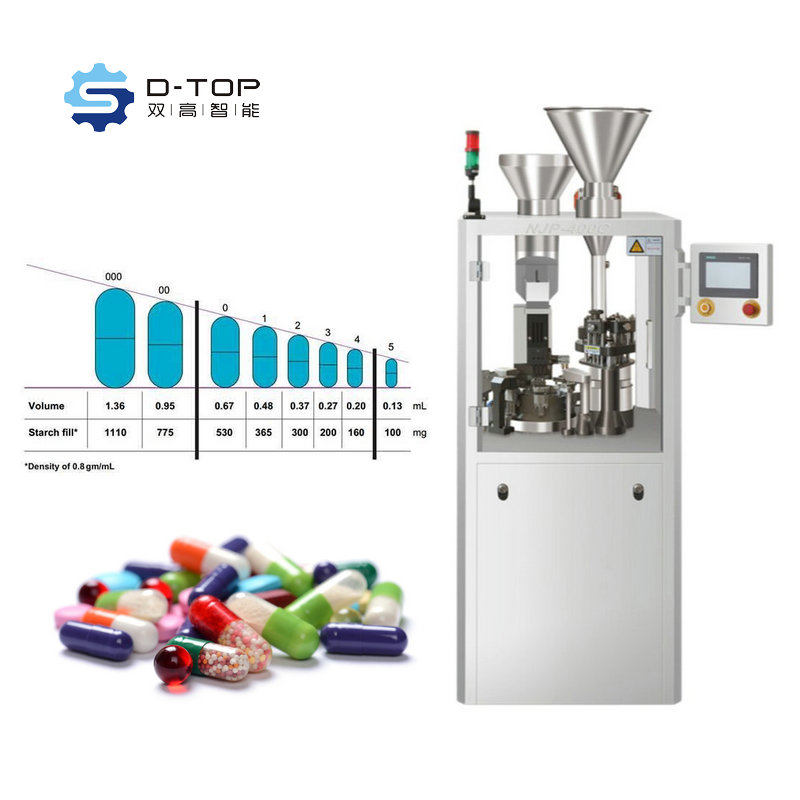
In the pharmaceutical industry, precision and efficiency are paramount when it comes to capsule production. A filling machine of capsule represents a critical investment for manufacturers seeking to enhance their production capabilities while maintaining strict quality standards. These sophisticated machines have revolutionized how pharmaceutical companies approach capsule manufacturing, offering unprecedented levels of accuracy, speed, and consistency that manual processes simply cannot match.
Enhanced Production Efficiency and Speed
Automated Processing Capabilities
Modern capsule filling equipment delivers remarkable throughput improvements compared to traditional manual methods. A high-quality filling machine of capsule can process thousands of units per hour, dramatically reducing production time while maintaining consistent quality. This automation eliminates human error and variability, ensuring each capsule meets exact specifications. Manufacturers benefit from continuous operation capabilities, allowing for 24-hour production cycles when demand requires it.
The automated nature of these systems also reduces labor costs significantly. Instead of requiring multiple operators for manual filling processes, a single technician can oversee the entire operation. This efficiency translates directly to improved profit margins and competitive pricing for pharmaceutical companies operating in today's demanding marketplace.
Scalable Production Solutions
Advanced capsule filling systems offer exceptional scalability to accommodate growing business needs. Whether producing small batches for specialized medications or large-scale commercial production, a well-designed filling machine of capsule adapts to various volume requirements. This flexibility allows manufacturers to respond quickly to market demands without significant equipment changes or additional capital investment.
Production scheduling becomes more predictable and manageable with automated systems. Manufacturers can accurately forecast completion times, plan maintenance schedules, and optimize resource allocation. This level of control enables better inventory management and improved customer service through reliable delivery commitments.
Precision and Quality Control Benefits
Accurate Dosage Control
Precision dosing represents one of the most critical advantages of using a filling machine of capsule in pharmaceutical manufacturing. For pharmaceutical products and highly potent active ingredients (APIs), dose deviations can cause serious safety or efficacy concerns. Modern capsule filling machines adopt precision metering disk or plunger type filling system, with servo motor control, which can control the filling weight deviation within ±1%~ 2%,easily meet the strict requirements of US FDA, EU EMA and China NMPA on content uniformity, greatly reducing the risk of batch failure.
This level of accuracy is particularly important for potent medications where dosage variations could impact patient safety or therapeutic efficacy. Manual filling processes simply cannot achieve the consistency required for modern pharmaceutical standards. Automated systems eliminate human variability while providing detailed documentation of each batch's quality metrics.
Contamination Prevention
Modern capsule filling equipment incorporates advanced containment systems that minimize contamination risks during production. Closed processing environments, HEPA filtration, and positive pressure systems protect both the product and operators from exposure to potentially harmful substances. A properly configured filling machine of capsule maintains sterile conditions throughout the entire filling process.
Cross-contamination between different products is virtually eliminated through automated cleaning cycles and changeover procedures. These systems can be validated to meet the most stringent regulatory requirements, providing manufacturers with confidence in their quality assurance processes. The enclosed design also protects products from environmental contaminants such as dust, moisture, and airborne particles.
Cost-Effectiveness and Return on Investment
Reduced Labor Requirements
Implementing a filling machine of capsule significantly reduces staffing needs compared to manual production methods. While the initial investment may be substantial, the long-term savings in labor costs typically justify the expenditure within the first few years of operation. Fewer operators mean reduced training requirements, lower insurance costs, and decreased risk of workplace injuries.
The consistent operation of automated systems also eliminates the productivity variations associated with human factors such as fatigue, training levels, or experience differences. This reliability translates to more predictable production costs and improved financial planning accuracy for pharmaceutical manufacturers.
Minimized Material Waste
Precision filling capabilities dramatically reduce material waste compared to manual processes. A well-calibrated filling machine of capsule wastes minimal product through overfilling or spillage, contributing to better material utilization and cost control. The ability to accurately control fill weights means manufacturers use exactly the required amount of expensive active ingredients without safety margins needed for manual processes.
Rejected capsules due to weight variations or filling errors are significantly reduced with automated systems. This improvement in first-pass yield directly impacts profitability by reducing rework costs and material losses. Additionally, the consistent quality reduces customer complaints and potential product recalls, which can be extremely costly for pharmaceutical companies.
Regulatory Compliance and Documentation
GMP Compliance Features
Modern capsule filling systems are designed with Good Manufacturing Practice compliance as a primary consideration. These machines incorporate features such as electronic batch records, audit trails, and validation protocols that satisfy regulatory requirements. A compliant filling machine of capsule provides the documentation necessary for FDA inspections and other regulatory audits.
Built-in quality control systems continuously monitor critical parameters and automatically generate reports for batch release decisions. This real-time monitoring capability ensures that any deviations from specifications are immediately detected and addressed, maintaining product quality and regulatory compliance throughout production.
Traceability and Record Keeping
Automated systems excel at maintaining detailed production records that are essential for pharmaceutical manufacturing. Every aspect of the filling process is documented, including operator identification, batch numbers, raw material lot numbers, and quality control results. This comprehensive traceability enables manufacturers to quickly respond to quality issues or regulatory inquiries.
Electronic data capture eliminates transcription errors common with manual record keeping. The filling machine of capsule can integrate with manufacturing execution systems to provide real-time production visibility and historical data analysis. This integration supports continuous improvement initiatives and helps identify optimization opportunities.
Versatility and Flexibility
Multiple Capsule Formats
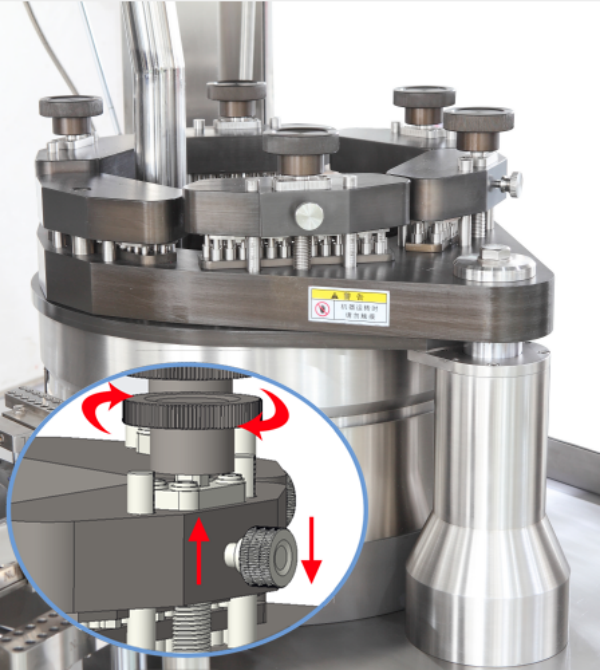
Advanced capsule filling equipment accommodates various capsule sizes and types, from standard gelatin capsules to specialized formulations such as enteric-coated or vegetarian alternatives. This versatility allows manufacturers to diversify their product offerings without investing in multiple dedicated machines. A single filling machine of capsule can handle different formulations through quick changeover procedures.With modular design, it only takes 15-30 minutes to replace capsules (00#-4#) of different sizes and fill molds, significantly reducing downtime losses.
The ability to process both powder and pellet formulations expands the range of products that can be manufactured on a single platform. This flexibility is particularly valuable for contract manufacturers serving multiple clients with varying product requirements. Quick format changes minimize downtime and maximize equipment utilization.
Formulation Adaptability
Modern filling systems can handle challenging formulations that would be difficult or impossible to process manually. Whether dealing with hygroscopic materials, static-prone powders, or temperature-sensitive compounds, a properly configured filling machine of capsule maintains product integrity throughout the filling process. Specialized feeding systems and environmental controls accommodate even the most demanding formulation requirements.
The ability to adjust filling parameters for different formulations ensures optimal performance regardless of material characteristics. This adaptability reduces the need for formulation modifications that might compromise product efficacy or stability. Manufacturers can focus on developing optimal formulations rather than compromising based on processing limitations.
FAQ
What production volumes can a filling machine of capsule handle?
Production volumes vary significantly depending on the specific machine configuration and capsule size. Entry-level machines typically produce 3,000-15,000 capsules per hour, while high-speed industrial systems can exceed 100,000 capsules per hour. The actual throughput depends on factors such as formulation characteristics, capsule size, and required quality control checks. Most manufacturers find that automated systems increase their production capacity by 300-500% compared to manual methods.
How does automated filling improve product quality consistency?
Automated systems eliminate human variability in the filling process through precise weight control, consistent tamping pressure, and standardized operating procedures. Advanced filling machines of capsule use load cells and feedback systems to ensure each capsule contains exactly the specified amount of product within tight tolerances, typically ±2-3% of target weight. This consistency is critical for regulatory compliance and ensures uniform therapeutic efficacy across all units in a batch.
What maintenance requirements should be expected with capsule filling equipment?
Regular maintenance includes daily cleaning and inspection, weekly calibration checks, and monthly preventive maintenance procedures. Most filling machines of capsule require approximately 2-4 hours of maintenance per week, including cleaning validation and component inspection. Annual qualification and validation activities typically require 1-2 weeks of downtime. Proper maintenance programs significantly extend equipment life and maintain optimal performance levels throughout the machine's operational lifetime.
Can filling machines handle different types of pharmaceutical formulations?
Yes, modern capsule filling systems are designed to accommodate various formulation types including powders, granules, pellets, and even some liquid formulations with appropriate modifications. A versatile filling machine of capsule can process materials with different flow characteristics, densities, and particle sizes through adjustable feeding systems and filling mechanisms. However, some highly specialized formulations may require specific equipment modifications or dedicated processing systems to ensure optimal results.