 EN
EN

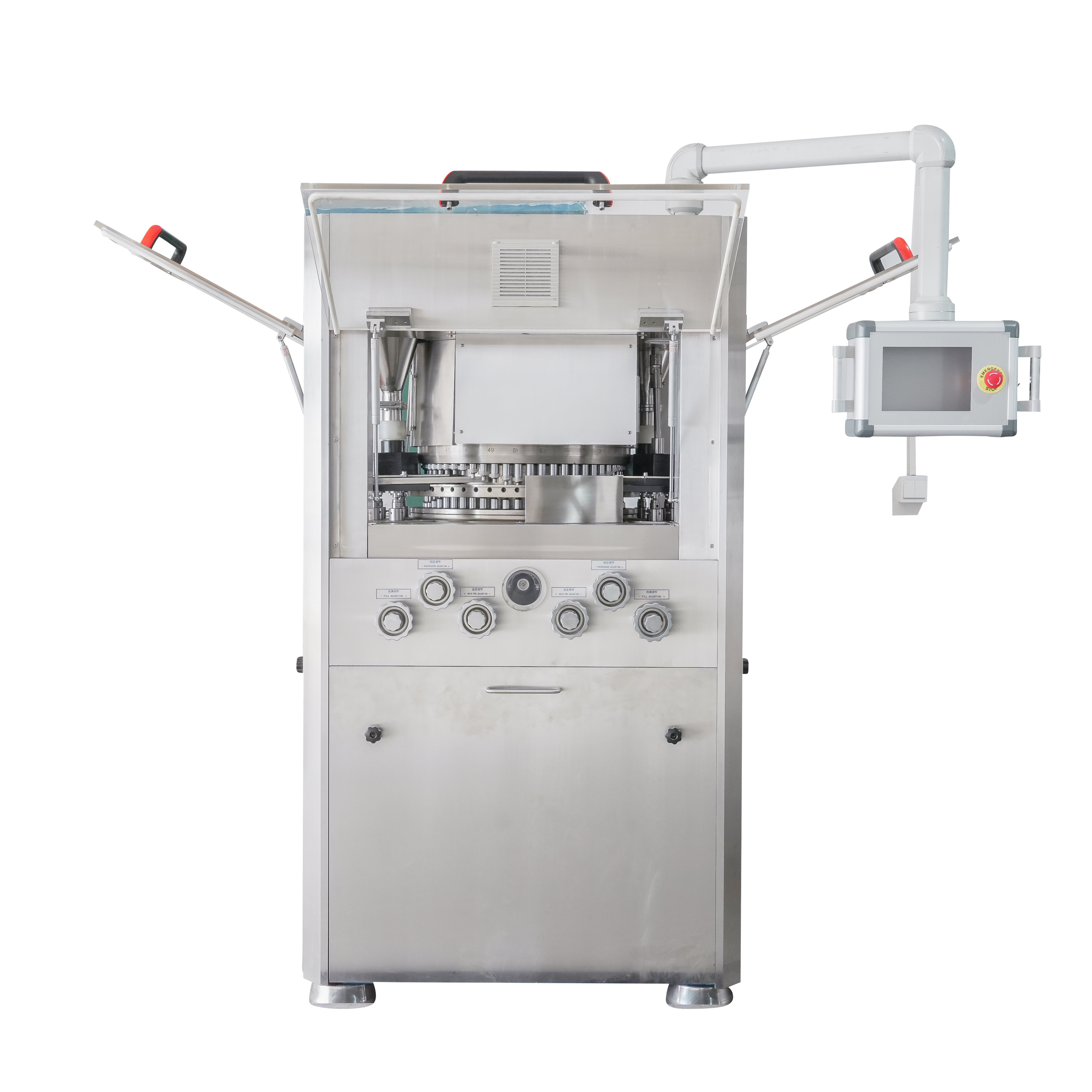
Understanding Modern Pharmaceutical Manufacturing Equipment
The pharmaceutical industry relies heavily on precise and efficient manufacturing processes, with the tablet press machine standing as a cornerstone of drug production technology. This sophisticated piece of equipment transforms powder mixtures into perfectly formed tablets, serving as an essential tool in both pharmaceutical manufacturing and other industries where compressed tablets are required. Whether producing medications, supplements, or industrial products, the tablet press machine plays a vital role in ensuring consistent quality and high production output.
Fundamental Components of Tablet Press Machines
The Hopper and Feed System
At the heart of every tablet press machine lies the hopper and feed system, which manages the initial stage of the tablet formation process. The hopper serves as the primary container for the powder mixture, carefully designed to maintain a consistent flow of material. Modern tablet press machines feature advanced feed systems that precisely control the amount of powder delivered to the compression area, ensuring uniform tablet weight and composition.
The feed system incorporates specialized mechanisms to prevent powder bridging and ensure smooth material flow. This includes rotating paddles or agitators that break up any clumps and maintain powder uniformity. Advanced models also feature automated powder level sensors that monitor and adjust the feed rate in real-time, maximizing efficiency while minimizing waste.
Die Table and Punch Assembly
The die table and punch assembly represent the core mechanical components of a tablet press machine. The die table contains precisely machined cavities (dies) where the powder is compressed into tablets. These dies are arranged in a circular pattern on a rotating turret, allowing for continuous tablet production. The punch assembly consists of upper and lower punches that move vertically to compress the powder within the dies.
Modern tablet press machines utilize high-precision tooling made from specialized steel alloys, designed to withstand the significant forces involved in tablet compression. The punch tips are carefully engineered to create specific tablet shapes and can include various designs, logos, or score lines as required by the manufacturer.
Operating Principles and Compression Process
Pre-compression Phase
The tablet formation process begins with the pre-compression phase, where the powder mixture is initially consolidated. During this stage, the tablet press machine removes trapped air from the powder and creates a partially compressed mass. This crucial step helps prevent common tablet defects such as capping and lamination.
Pre-compression forces are carefully controlled through specialized cam tracks that guide the punch movement. Modern tablet press machines often feature adjustable pre-compression settings, allowing manufacturers to optimize this phase based on specific formulation requirements.
Main Compression and Ejection
Following pre-compression, the tablet press machine applies the main compression force, which can range from a few hundred to several thousand kilograms depending on the product specifications. This force is delivered through precisely timed movements of the upper and lower punches, creating a uniform and stable tablet structure.
After compression, the tablet is ejected from the die through an upward movement of the lower punch. Advanced tablet press machines incorporate sensors that monitor compression forces and ejection pressure, ensuring consistent tablet quality and detecting any anomalies in the process.
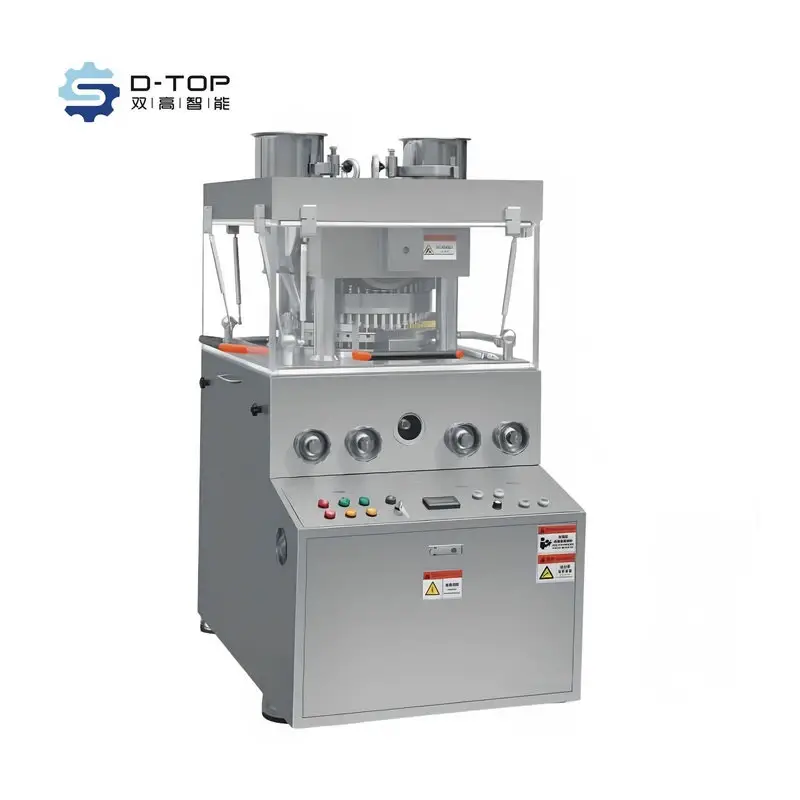
Advanced Features and Control Systems
Electronic Monitoring and Automation
Modern tablet press machines are equipped with sophisticated electronic monitoring systems that continuously track critical process parameters. These include compression force, tablet weight, thickness, and hardness. Real-time data collection allows for immediate adjustments to maintain product quality and provides valuable documentation for regulatory compliance.
Automation features extend to weight control systems that automatically adjust punch penetration depth based on measured tablet weights. This level of control ensures consistent product quality even during extended production runs.
Safety and Maintenance Features
Safety is paramount in tablet press machine design, with multiple systems in place to protect both operators and equipment. Emergency stop mechanisms, safety interlocks, and protective guards are standard features. Advanced machines include automated cleaning systems and tool-less changeover capabilities, reducing downtime and minimizing cross-contamination risks.
Predictive maintenance systems utilize sensors to monitor equipment condition and alert operators to potential issues before they impact production. This proactive approach helps maintain optimal machine performance and extends equipment life.
Applications and Industry Impact
Pharmaceutical Manufacturing
The pharmaceutical industry represents the primary application for tablet press machines, where they produce billions of tablets annually. These machines must meet stringent regulatory requirements and maintain exceptional precision to ensure consistent drug delivery. Modern tablet press machines can produce up to several hundred thousand tablets per hour while maintaining strict quality standards.
Pharmaceutical manufacturers rely on the versatility of tablet press machines to produce a wide range of products, from simple aspirin tablets to complex modified-release formulations. The ability to precisely control compression forces and tablet parameters is crucial for ensuring therapeutic effectiveness.
Other Industrial Applications
Beyond pharmaceuticals, tablet press machines find applications in numerous industries. The nutritional supplement industry uses these machines to produce vitamins and dietary supplements. Industrial sectors utilize tablet press machines for creating cleaning products, agricultural chemicals, and various technical materials.
The flexibility of modern tablet press machines allows manufacturers to produce tablets in various sizes, shapes, and compositions, meeting diverse market demands while maintaining high efficiency and quality standards.
Frequently Asked Questions
What maintenance is required for a tablet press machine?
Regular maintenance of a tablet press machine includes daily cleaning of contact parts, lubrication of moving components, inspection of punches and dies, and calibration of control systems. Manufacturers should follow a documented maintenance schedule and keep detailed records of all maintenance activities.
How do you ensure consistent tablet quality on a tablet press machine?
Consistent tablet quality is achieved through careful control of multiple parameters including powder flow properties, compression force, speed settings, and environmental conditions. Modern machines utilize integrated quality control systems that continuously monitor tablet weight, hardness, and thickness, making automatic adjustments as needed.
What factors affect tablet press machine production speed?
Production speed is influenced by several factors including powder properties, tablet size and shape, required compression force, and machine specifications. Other considerations include the efficiency of powder flow, pre-compression requirements, and the need to maintain tablet quality at higher speeds.