 EN
EN

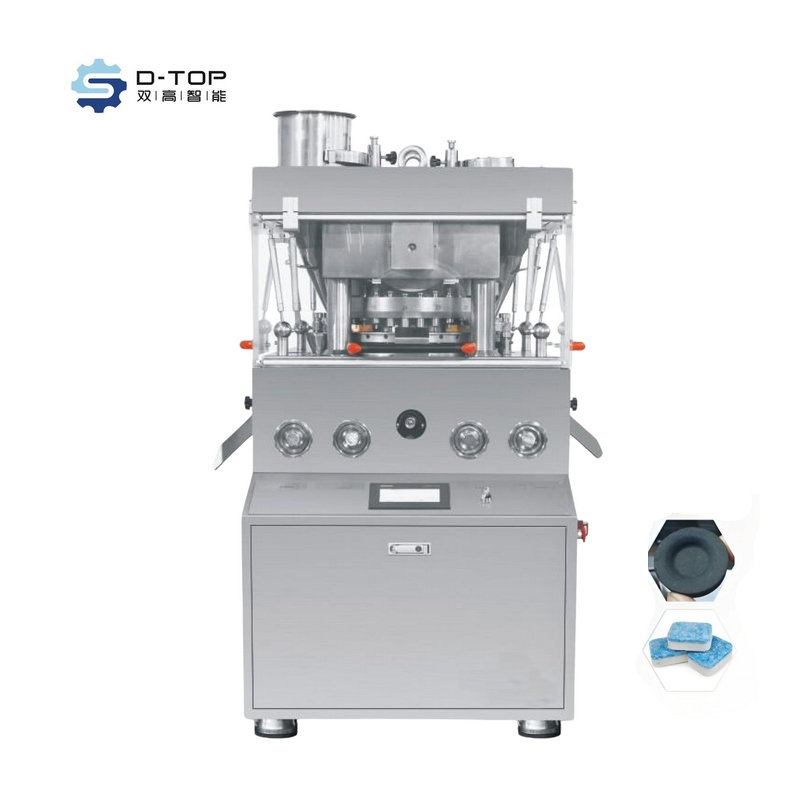
Selecting the appropriate manufacturing equipment represents a critical decision that directly impacts production efficiency, product quality, and operational costs. When establishing or expanding pharmaceutical manufacturing capabilities, choosing the right pill tablet press becomes paramount to achieving consistent results and meeting regulatory standards. Modern pharmaceutical manufacturing demands precision, reliability, and scalability from every piece of equipment, making the selection process increasingly complex yet essential for long-term success.
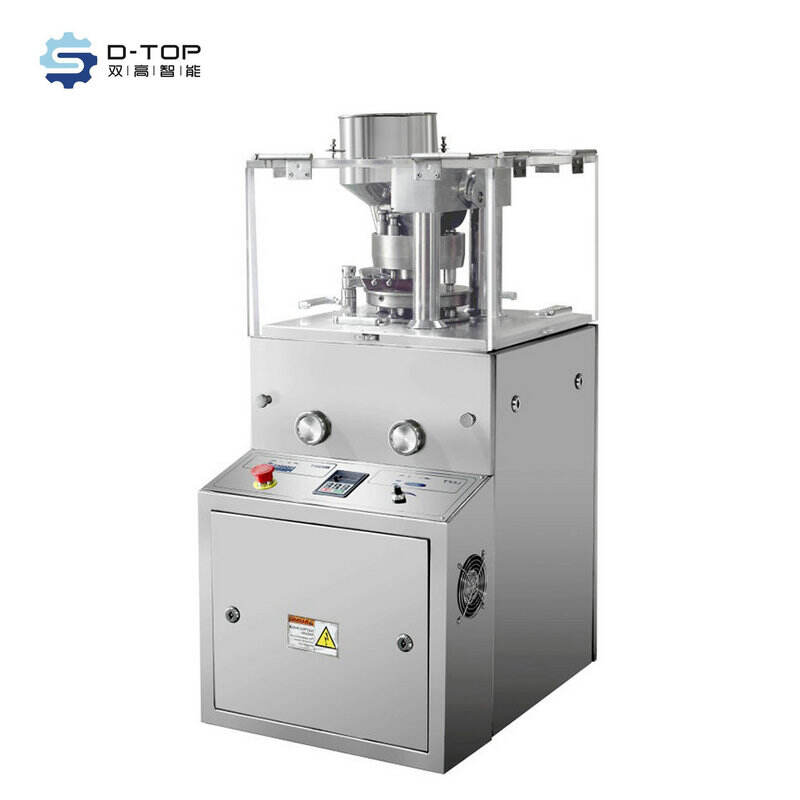
The pharmaceutical industry continues evolving with advancing technology and stricter quality requirements, necessitating careful evaluation of available equipment options. Manufacturing facilities must balance production capacity, operational flexibility, and compliance requirements while maintaining cost-effectiveness. Understanding the fundamental principles behind tablet compression technology helps manufacturers make informed decisions that align with their specific production goals and market demands.
Understanding Tablet Press Technology Fundamentals
Core Compression Mechanisms
Tablet compression technology operates through precisely controlled mechanical processes that transform powder formulations into solid dosage forms. A pill tablet press utilizes upper and lower punches working within die cavities to compress pharmaceutical powders under specific pressure parameters. The compression cycle involves multiple stages including die filling, pre-compression, main compression, and tablet ejection, each requiring careful calibration to achieve desired tablet characteristics.
Modern compression systems incorporate sophisticated force monitoring and control mechanisms that ensure consistent tablet quality throughout production runs. Advanced sensors continuously monitor compression forces, enabling real-time adjustments to maintain optimal processing conditions. Understanding these fundamental mechanisms helps manufacturers appreciate the complexity involved in tablet production and the importance of selecting appropriate equipment for their specific applications.
Types of Tablet Press Configurations
Single-station presses represent the simplest configuration, suitable for small-scale production and research applications where flexibility and easy maintenance take precedence over high throughput. These systems offer excellent accessibility for tooling changes and cleaning procedures, making them ideal for facilities handling multiple product lines or conducting development work. The straightforward design facilitates operator training and troubleshooting processes.
Rotary tablet presses dominate commercial pharmaceutical manufacturing due to their superior production capabilities and efficiency. These systems feature multiple compression stations arranged around a rotating turret, enabling continuous tablet production at significantly higher rates than single-station alternatives. The rotary design allows for consistent powder feeding and uniform compression conditions, resulting in improved tablet quality and reduced production variability.
Production Capacity and Throughput Considerations
Evaluating Manufacturing Volume Requirements
Production volume requirements fundamentally influence pill tablet press selection decisions, as different equipment configurations offer vastly different throughput capabilities. Small-scale operations producing limited quantities may find single-station presses adequate for their needs, while large commercial manufacturers require high-speed rotary systems capable of producing millions of tablets daily. Accurate forecasting of production demands prevents both over-investment in excessive capacity and under-specification leading to production bottlenecks.
Future growth projections should factor into capacity planning, as pharmaceutical manufacturing equipment represents significant capital investments expected to serve facilities for many years. Modular equipment designs allow for capacity expansion through additional tooling or upgraded components, providing flexibility as production demands evolve. Manufacturers must balance immediate requirements with anticipated growth to optimize their equipment investment over the operational lifecycle.
Efficiency and Speed Optimization
Modern rotary tablet presses achieve production speeds exceeding 100,000 tablets per hour through optimized mechanical designs and advanced control systems. These high-speed capabilities require sophisticated powder feeding systems that maintain consistent material flow to prevent compression variations. The relationship between production speed and tablet quality requires careful optimization, as excessive speeds can compromise tablet integrity and increase rejection rates.
Efficient production encompasses more than raw speed, incorporating factors such as changeover times, cleaning requirements, and overall equipment effectiveness. A pill tablet press optimized for quick product changes and minimal downtime may provide superior overall productivity compared to faster equipment requiring extensive setup procedures. Manufacturers should evaluate total productive time rather than maximum theoretical output when comparing equipment options.
Quality Control and Compliance Features
Regulatory Compliance Requirements
Pharmaceutical manufacturing operates under strict regulatory oversight requiring comprehensive documentation and validation of all production processes. Modern tablet presses incorporate advanced data acquisition systems that continuously monitor and record critical process parameters including compression forces, tablet weights, and environmental conditions. These systems generate detailed batch records essential for regulatory compliance and quality assurance programs.
FDA and other regulatory agencies mandate that manufacturing equipment demonstrate consistent performance through validation protocols and ongoing monitoring programs. A pill tablet press must provide reliable data integrity features including secure data storage, audit trails, and user access controls. Equipment suppliers should provide comprehensive validation support and documentation to facilitate regulatory approval processes.
Process Monitoring and Control Systems
Advanced process control systems enable real-time monitoring of tablet quality attributes including weight variation, hardness, and thickness uniformity. These systems utilize sophisticated sensors and feedback loops to automatically adjust compression parameters when deviations are detected, maintaining consistent product quality throughout production runs. Statistical process control capabilities help identify trends and potential issues before they impact product quality.
Integration with manufacturing execution systems provides comprehensive production oversight and traceability throughout the manufacturing process. Modern control systems offer user-friendly interfaces that simplify operator interactions while maintaining security and data integrity requirements. The ability to remotely monitor and diagnose equipment performance reduces downtime and improves overall manufacturing efficiency.
Material Handling and Formulation Compatibility
Powder Flow Characteristics
Different pharmaceutical formulations exhibit varying flow characteristics that significantly impact tablet press performance and product quality. Poor-flowing powders require specialized feeding systems and may necessitate formulation modifications or processing aids to achieve acceptable compression results. Understanding the relationship between material properties and equipment capabilities helps manufacturers select appropriate systems for their specific formulations.
Moisture-sensitive materials demand environmental controls and specialized handling procedures to prevent degradation during processing. A pill tablet press designed for handling hygroscopic materials incorporates features such as controlled atmosphere enclosures and moisture monitoring systems. Material compatibility extends beyond flow properties to include chemical compatibility with equipment surfaces and potential contamination concerns.
Die and Tooling Considerations
Tooling design significantly influences tablet quality, production efficiency, and equipment maintenance requirements. Different tablet shapes, sizes, and embossing requirements necessitate specific die and punch configurations that must be compatible with the selected tablet press. High-volume production benefits from multi-tip tooling that produces multiple tablets per compression cycle, increasing throughput while maintaining quality standards.
Tooling materials and coatings affect both tablet quality and tool longevity, particularly when processing abrasive or corrosive formulations. Premium tooling materials command higher initial costs but provide extended service life and superior tablet quality, resulting in lower total cost of ownership. Manufacturers should evaluate tooling options as an integral component of their equipment selection process.
Operational Efficiency and Maintenance Requirements
Ease of Operation and Training
User-friendly operation significantly impacts manufacturing efficiency and reduces the potential for operator errors that could affect product quality or equipment performance. Modern tablet presses feature intuitive control interfaces that simplify routine operations while providing comprehensive diagnostic information when issues arise. Automated functions reduce operator workload and minimize variability introduced by manual processes.
Comprehensive training programs and documentation support help facilities achieve proficiency with new equipment more quickly and maintain operational excellence over time. Equipment suppliers should provide thorough training for operators, maintenance personnel, and quality assurance staff to ensure optimal performance. The complexity of training requirements should factor into equipment selection decisions, particularly for facilities with high operator turnover rates.
Maintenance and Service Support
Preventive maintenance requirements directly impact production availability and operational costs throughout the equipment lifecycle. A pill tablet press designed for easy maintenance access and component replacement minimizes downtime during routine service procedures. Predictive maintenance capabilities utilizing condition monitoring technologies help identify potential issues before they result in unplanned shutdowns.
Local service support availability influences both routine maintenance costs and emergency response capabilities when equipment issues arise. Manufacturers should evaluate service provider networks and response times when selecting equipment, particularly for critical production lines where downtime has significant financial impact. Comprehensive service agreements can provide predictable maintenance costs and priority support when needed.
Cost Analysis and Return on Investment
Initial Capital Investment
Equipment purchase prices represent only a portion of total ownership costs, as installation, validation, and startup expenses add significantly to initial investment requirements. Complex systems require more extensive installation procedures and longer commissioning periods, increasing project costs and delaying production startup. Manufacturers should obtain comprehensive project quotes including all associated costs to accurately evaluate investment requirements.
Financing options and payment terms can significantly impact cash flow and project feasibility, particularly for smaller manufacturers or those undertaking multiple equipment acquisitions. Some suppliers offer flexible financing arrangements that align payment schedules with production startup and revenue generation. Careful financial planning ensures that equipment investments support rather than strain overall business objectives.
Operating Cost Considerations
Energy consumption represents a significant ongoing operational cost that varies considerably among different pill tablet press designs. High-efficiency motors, optimized mechanical systems, and smart power management features reduce electricity consumption and operating costs over the equipment lifecycle. Environmental considerations increasingly influence equipment selection decisions as companies pursue sustainability goals.
Consumable costs including tooling replacement, spare parts, and maintenance supplies accumulate substantially over equipment operating life. Higher-quality components may command premium prices but provide extended service life and improved reliability, resulting in lower total operating costs. Life cycle cost analysis provides a comprehensive framework for evaluating long-term financial implications of equipment choices.
FAQ
What production capacity should I expect from different types of tablet presses
Production capacity varies dramatically based on equipment type and configuration. Single-station presses typically produce 1,000 to 10,000 tablets per hour, suitable for small batches and development work. Rotary tablet presses range from 20,000 to over 400,000 tablets per hour depending on the number of stations and operating speed. High-speed rotary systems with multiple compression points can achieve even higher throughput rates for large-scale commercial production.
How do I ensure regulatory compliance when selecting tablet press equipment
Regulatory compliance requires selecting equipment designed to pharmaceutical standards with comprehensive documentation and validation support. Look for suppliers with established FDA relationships and experience supporting regulatory submissions. The pill tablet press should incorporate data integrity features, audit trails, and process monitoring capabilities required by current good manufacturing practices. Ensure the supplier provides complete validation protocols and technical support throughout the approval process.
What factors influence tablet quality and consistency
Tablet quality depends on multiple factors including powder flow characteristics, compression force control, tooling condition, and environmental conditions. Consistent material feeding ensures uniform tablet weights, while precise compression force control maintains hardness and thickness specifications. Advanced process monitoring systems detect variations in real-time, enabling immediate corrections to maintain quality standards throughout production runs.
How do I calculate the return on investment for tablet press equipment
ROI calculations should include initial capital costs, installation expenses, operating costs, and projected revenue increases from improved capacity or efficiency. Consider factors such as labor savings from automation, reduced rejection rates from improved quality control, and increased production flexibility. Include ongoing costs such as maintenance, energy consumption, and tooling replacement to determine total cost of ownership over the expected equipment lifecycle.