 EN
EN

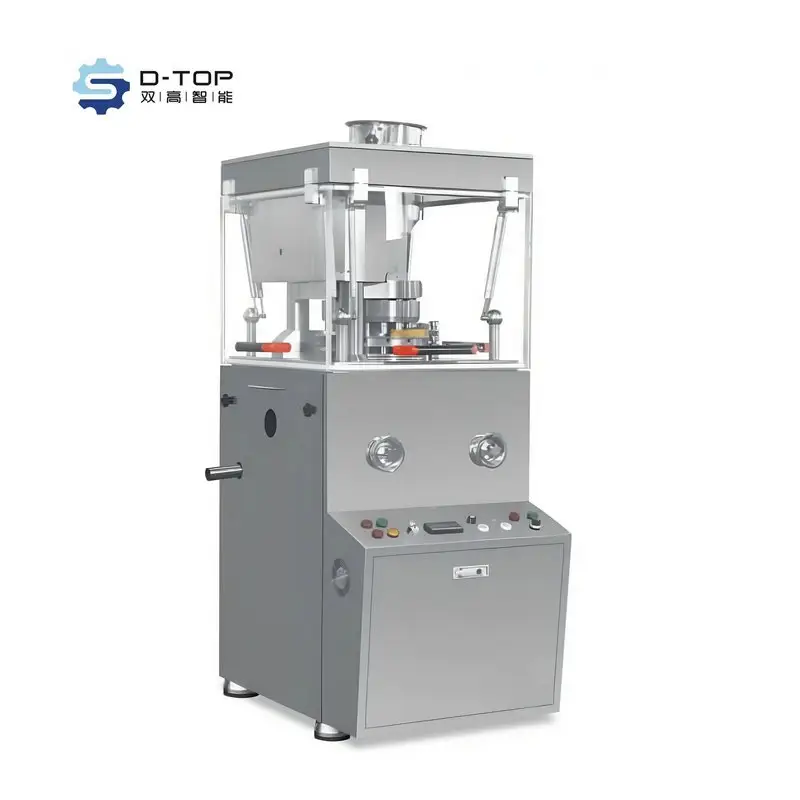
The pharmaceutical industry relies heavily on precision manufacturing equipment to ensure consistent, high-quality medication production. Among the most critical pieces of machinery in any pharmaceutical facility is the pill tablet press, which transforms powdered ingredients into solid dosage forms with exact specifications. This essential equipment serves as the backbone of tablet manufacturing, enabling pharmaceutical companies to produce millions of tablets daily while maintaining strict quality standards and regulatory compliance.
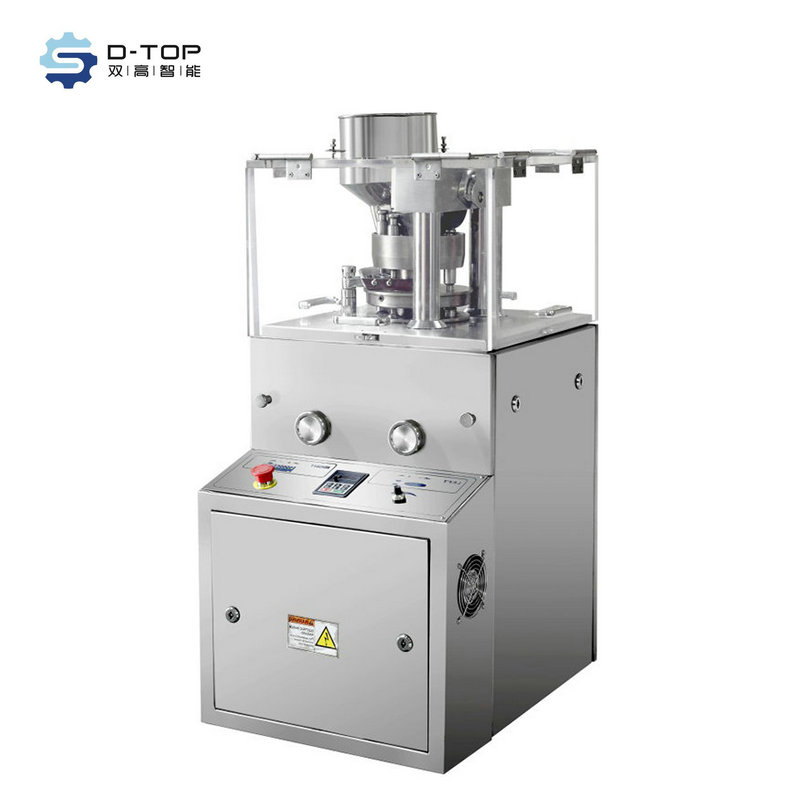
Modern pharmaceutical production demands equipment that can handle complex formulations while delivering consistent results across large-scale manufacturing operations. The pill tablet press addresses these requirements by providing precise control over compression forces, tablet weight, and dimensional accuracy. Without this specialized machinery, pharmaceutical manufacturers would struggle to meet the growing global demand for oral solid dosage medications, which represent approximately 70% of all pharmaceutical products consumed worldwide.
Fundamental Operations of Pharmaceutical Tablet Manufacturing
Core Compression Mechanisms
The pill tablet press operates through a sophisticated compression mechanism that transforms granulated powders into solid tablets through controlled pressure application. This process begins when the powder mixture enters the die cavity, where precise weight control ensures uniform tablet mass. The compression cycle involves multiple stages, including pre-compression to remove air pockets and main compression to achieve the final tablet hardness specifications.
During the compression phase, the pill tablet press applies forces ranging from several hundred to thousands of pounds per square inch, depending on the formulation requirements. This controlled pressure consolidates the powder particles into a cohesive matrix while maintaining the integrity of active pharmaceutical ingredients. The timing and force application must be precisely calibrated to prevent tablet defects such as capping, lamination, or insufficient hardness.
Advanced pill tablet press systems incorporate force monitoring technology that provides real-time feedback on compression parameters. This capability allows operators to make immediate adjustments when deviations occur, ensuring consistent tablet quality throughout production runs. The mechanical precision of these systems enables manufacturers to achieve tablet-to-tablet weight variations of less than 2%, meeting stringent pharmaceutical standards.
Material Flow and Die Management
Effective material flow management represents a critical aspect of pill tablet press operation, as inconsistent powder flow can result in weight variation and production inefficiencies. Modern tablet presses feature advanced feed systems that maintain uniform powder distribution across multiple die stations, ensuring consistent tablet production rates. The die configuration directly impacts tablet shape, size, and surface characteristics, making proper die selection essential for meeting product specifications.
The pill tablet press die system typically consists of upper and lower punches that work in coordination to form tablets with precise dimensions. Die tooling must be manufactured to exacting tolerances, as even minor variations can affect tablet quality and production efficiency. Regular maintenance and inspection of die components ensure optimal performance and prevent costly production delays due to tooling failures.
Temperature control during the compression process affects both the powder flow characteristics and the final tablet properties. Excessive heat generation can compromise thermally sensitive active ingredients, while insufficient temperature may result in poor tablet binding. Modern pill tablet press designs incorporate cooling systems and temperature monitoring to maintain optimal operating conditions throughout extended production runs.
Quality Control Integration in Tablet Production
Real-Time Monitoring Systems
Contemporary pill tablet press equipment integrates sophisticated quality control systems that monitor critical parameters during production. These systems continuously track tablet weight, thickness, hardness, and compression forces, providing immediate feedback when deviations occur. Real-time monitoring capabilities enable manufacturers to maintain consistent product quality while minimizing waste and reducing the need for extensive post-production testing.
The integration of analytical instruments with pill tablet press operations allows for immediate detection of formulation inconsistencies or equipment malfunctions. Weight checking systems can automatically reject tablets that fall outside predetermined specifications, while hardness testers verify that compression parameters produce tablets with appropriate mechanical strength. This integrated approach significantly reduces the risk of quality issues reaching downstream packaging operations.
Statistical process control features built into modern pill tablet press systems generate comprehensive production data that supports continuous improvement initiatives. This information helps manufacturers identify trends, optimize process parameters, and demonstrate compliance with regulatory requirements. The ability to document and analyze production data in real-time enhances overall manufacturing efficiency and product reliability.
Validation and Compliance Requirements
Pharmaceutical manufacturers must validate their pill tablet press operations to demonstrate consistent performance and regulatory compliance. Validation protocols typically include installation qualification, operational qualification, and performance qualification phases that verify equipment capabilities under various operating conditions. These comprehensive testing programs ensure that the tablet press can reliably produce tablets meeting predetermined quality specifications.
The validation process for pill tablet press systems involves extensive documentation of equipment specifications, operating procedures, and maintenance requirements. Manufacturers must demonstrate that their tablet production processes are robust and capable of producing consistent results across multiple production campaigns. This documentation serves as the foundation for regulatory submissions and ongoing compliance activities.
Regulatory agencies require pharmaceutical manufacturers to maintain detailed records of pill tablet press operations, including batch records, deviation investigations, and change control documentation. These requirements necessitate comprehensive data management systems that can capture, store, and retrieve production information as needed for regulatory inspections and product quality investigations.
Economic Impact and Production Efficiency
Cost Optimization Strategies
The implementation of efficient pill tablet press operations significantly impacts pharmaceutical manufacturing costs through improved productivity and reduced waste generation. Modern tablet presses can produce thousands of tablets per minute while maintaining precise quality standards, enabling manufacturers to meet high-volume production requirements with minimal labor input. This efficiency translates directly into reduced per-unit production costs and improved profit margins.
Energy consumption represents a substantial component of pill tablet press operating costs, making energy efficiency a critical consideration in equipment selection and operation. Advanced tablet press designs incorporate variable-speed drives and optimized compression cycles that minimize power consumption while maintaining production output. These improvements can result in significant cost savings over the equipment lifecycle, particularly in facilities with high production volumes.
The reliability of pill tablet press equipment directly affects manufacturing costs through its impact on production uptime and maintenance requirements. Well-designed tablet presses with robust mechanical systems and predictive maintenance capabilities can operate continuously for extended periods with minimal intervention. This reliability reduces unplanned downtime costs and ensures consistent production schedules to meet market demands.
Scalability and Market Responsiveness
The flexibility of pill tablet press systems enables pharmaceutical manufacturers to respond quickly to changing market conditions and product demands. Multi-tip tooling configurations allow for rapid changeovers between different tablet formulations, while modular press designs can accommodate capacity increases as business needs evolve. This adaptability represents a significant competitive advantage in the dynamic pharmaceutical marketplace.
Investment in advanced pill tablet press technology positions manufacturers to capitalize on emerging opportunities in generic pharmaceuticals and specialty drug markets. The ability to produce small batches economically while maintaining quality standards enables companies to pursue niche therapeutic areas and personalized medicine applications. This flexibility becomes increasingly important as the pharmaceutical industry shifts toward more targeted and specialized treatments.
The global pharmaceutical market continues to expand, driven by aging populations and increasing healthcare access in developing regions. Manufacturers equipped with efficient pill tablet press systems are better positioned to serve these growing markets while maintaining competitive pricing structures. The scalability of modern tablet production equipment supports both domestic market expansion and international export opportunities.
Technological Advancements in Tablet Press Design
Automation and Digital Integration
The evolution of pill tablet press technology has embraced automation and digital connectivity to enhance production efficiency and data management capabilities. Modern tablet presses incorporate programmable logic controllers and human-machine interfaces that simplify operation while providing comprehensive process monitoring. These technological advances enable operators to manage complex production sequences with minimal manual intervention, reducing the potential for human error.
Integration with enterprise resource planning systems allows pill tablet press operations to communicate production status and quality data throughout the manufacturing organization. This connectivity supports real-time production scheduling adjustments and enables rapid response to supply chain disruptions or customer demand changes. The ability to access production data remotely facilitates expert troubleshooting and technical support from equipment manufacturers.
Artificial intelligence and machine learning applications are beginning to influence pill tablet press operations through predictive analytics and process optimization algorithms. These technologies analyze historical production data to identify patterns and recommend process improvements that enhance efficiency and product quality. As these capabilities mature, they promise to further transform pharmaceutical manufacturing practices and competitive dynamics.
Material Science Innovations
Advancements in materials science have led to improved punch and die materials that extend tooling life and enhance tablet quality. Modern pill tablet press tooling incorporates specialized coatings and heat treatments that resist wear and corrosion while maintaining dimensional accuracy over extended production runs. These improvements reduce tooling replacement costs and minimize production interruptions for maintenance activities.
The development of new pharmaceutical excipients and binding agents has expanded the capabilities of pill tablet press systems to handle challenging formulations. Direct compression techniques that eliminate granulation steps are becoming more prevalent, enabled by improved powder flow characteristics and binding properties. These advances simplify manufacturing processes while reducing production costs and environmental impact.
Nanotechnology applications in pharmaceutical formulations present both opportunities and challenges for pill tablet press operations. While nanoparticle-based drugs offer improved bioavailability and therapeutic efficacy, they require specialized handling and compression techniques to maintain particle integrity. Equipment manufacturers continue to develop pill tablet press systems capable of processing these advanced formulations while meeting stringent quality requirements.
FAQ
What factors determine the selection of an appropriate pill tablet press for pharmaceutical production
The selection of an appropriate pill tablet press depends on several critical factors including production volume requirements, tablet size and shape specifications, and formulation characteristics. Manufacturers must consider the maximum compression force needed for their specific formulations, as different active pharmaceutical ingredients require varying pressure levels to achieve proper binding and hardness. Additionally, the number of stations or tooling positions determines production capacity, while the press design affects changeover times between different products. Regulatory compliance requirements, available floor space, and budget constraints also influence equipment selection decisions.
How does a pill tablet press ensure consistent tablet weight and quality across production batches
A pill tablet press maintains consistent tablet weight and quality through precise control of powder feed mechanisms and compression parameters. Modern tablet presses utilize force feeders or gravity-assisted systems that deliver uniform amounts of powder to each die cavity, while weight monitoring systems provide real-time feedback to detect and correct variations. The compression force is carefully controlled through programmable settings that maintain consistent pressure application across all stations. Additionally, integrated quality control systems continuously monitor tablet properties such as thickness, hardness, and weight, automatically rejecting tablets that fall outside predetermined specifications to ensure batch consistency.
What maintenance practices are essential for optimal pill tablet press performance
Essential maintenance practices for optimal pill tablet press performance include regular cleaning and lubrication of moving components, systematic inspection of punch and die tooling for wear or damage, and periodic calibration of force and weight monitoring systems. Preventive maintenance schedules should address bearing lubrication, belt tension adjustment, and electrical connection inspection to prevent unexpected failures. Tooling should be examined for signs of wear, chipping, or corrosion that could affect tablet quality, with replacement performed according to manufacturer recommendations. Additionally, comprehensive documentation of maintenance activities supports regulatory compliance and helps identify patterns that may indicate underlying equipment issues.
How do regulatory requirements impact pill tablet press operations and documentation
Regulatory requirements significantly impact pill tablet press operations through mandated validation procedures, documentation standards, and quality system compliance obligations. Pharmaceutical manufacturers must validate their tablet press equipment through formal qualification protocols that demonstrate consistent performance under specified operating conditions. All production activities must be documented in batch records that include compression parameters, quality test results, and any deviations from standard procedures. Change control procedures require formal approval and documentation for any modifications to equipment, tooling, or operating parameters. Additionally, regular audits by regulatory agencies necessitate comprehensive record-keeping systems that can demonstrate ongoing compliance with current good manufacturing practices and support product quality investigations when required.
Table of Contents
- Fundamental Operations of Pharmaceutical Tablet Manufacturing
- Quality Control Integration in Tablet Production
- Economic Impact and Production Efficiency
- Technological Advancements in Tablet Press Design
-
FAQ
- What factors determine the selection of an appropriate pill tablet press for pharmaceutical production
- How does a pill tablet press ensure consistent tablet weight and quality across production batches
- What maintenance practices are essential for optimal pill tablet press performance
- How do regulatory requirements impact pill tablet press operations and documentation