 EN
EN

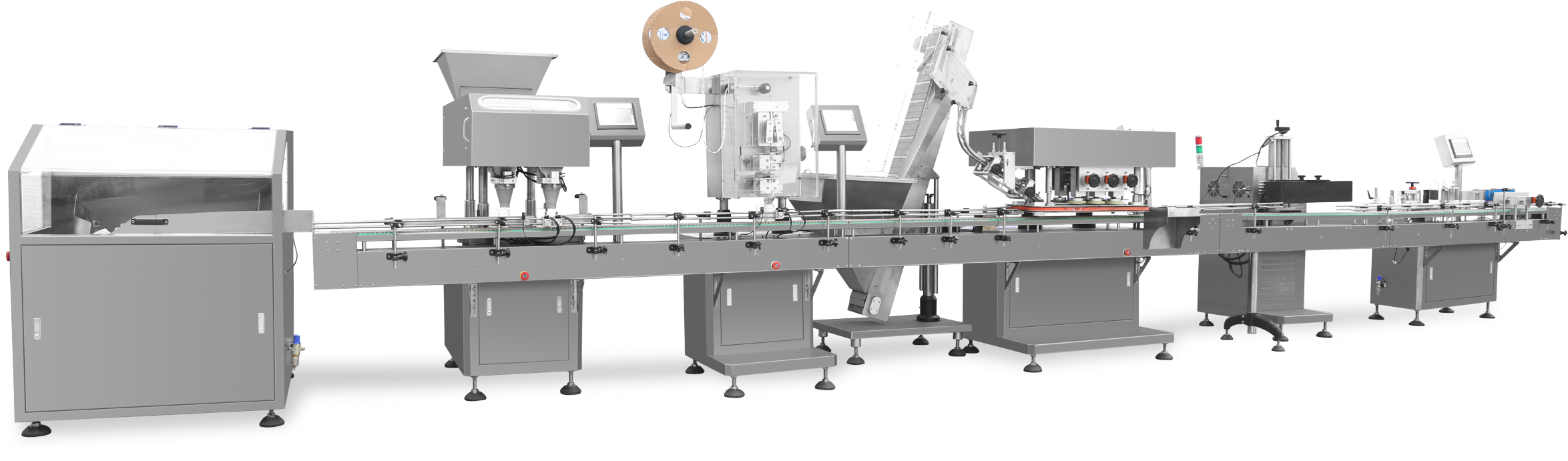
Modern beverage production facilities depend heavily on sophisticated automated systems to meet increasing consumer demand while maintaining consistent quality standards. The backbone of any successful beverage manufacturing operation lies in its bottling line machine, which orchestrates the complex process of filling, sealing, and packaging liquid products at industrial scale. These advanced systems have revolutionized how manufacturers approach production efficiency, quality control, and operational sustainability in today's competitive marketplace.
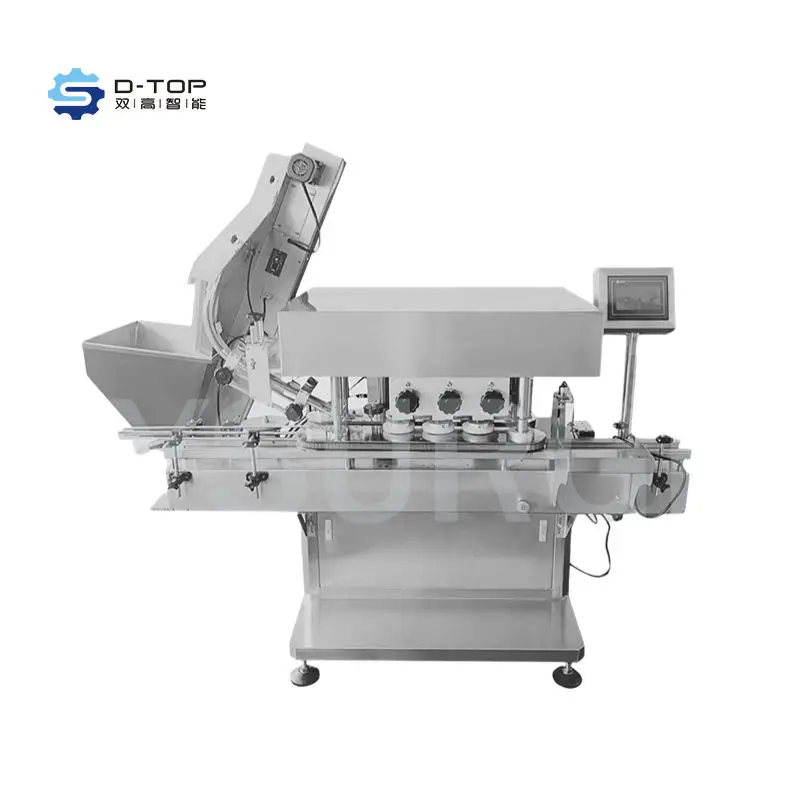
The integration of automated bottling systems has transformed beverage manufacturing from labor-intensive manual processes to streamlined, computer-controlled operations. Companies investing in modern bottling line machine technology report significant improvements in production capacity, product consistency, and overall profitability. Understanding the critical components and operational advantages of these systems becomes essential for manufacturers seeking to optimize their production capabilities and maintain competitive positioning in rapidly evolving markets.
Core Components of Advanced Bottling Systems
Bottle Handling and Conveyor Networks
The foundation of any effective bottling line machine begins with sophisticated bottle handling systems that manage container movement throughout the production process. These conveyor networks utilize precision-engineered tracks, guides, and transport mechanisms to ensure smooth bottle flow while minimizing breakage and production interruptions. Modern systems incorporate variable speed controls, allowing operators to adjust throughput rates based on production requirements and bottle specifications.
Advanced bottle handling systems feature integrated sensors and monitoring devices that continuously track container positioning and detect potential issues before they impact production efficiency. These intelligent systems can automatically adjust conveyor speeds, redirect damaged containers, and maintain optimal spacing between bottles to prevent collisions or jams. The result is a more reliable and efficient production environment that reduces waste and maximizes output quality.
Filling Technology and Precision Controls
The heart of every bottling line machine lies in its filling technology, which determines both production speed and product quality consistency. Modern filling systems employ various technologies including gravity filling, pressure filling, and vacuum filling, each optimized for specific beverage types and viscosity characteristics. These systems feature precise volume control mechanisms that ensure accurate fill levels while minimizing product waste and maintaining regulatory compliance.
Contemporary filling stations incorporate advanced sensors and feedback systems that monitor fill levels in real-time, automatically adjusting parameters to maintain consistency across thousands of bottles per hour. These systems can detect variations in bottle dimensions, liquid temperature, and foam characteristics, making instantaneous corrections to maintain optimal filling performance. The integration of servo-driven filling valves provides exceptional accuracy and repeatability, essential for maintaining brand consistency and customer satisfaction.
Automation Integration and Control Systems
Programmable Logic Controllers and Interface Design
Modern bottling line machine operations rely on sophisticated programmable logic controllers that coordinate all system functions through centralized control architectures. These advanced control systems manage everything from conveyor speeds and filling parameters to capping torque and labeling precision, ensuring seamless integration across all production stages. Operators interact with these systems through intuitive touchscreen interfaces that provide real-time production data, diagnostic information, and adjustment capabilities.
The implementation of advanced human-machine interfaces allows production teams to monitor key performance indicators, track production metrics, and respond quickly to operational changes or maintenance requirements. These systems store historical production data, enabling manufacturers to analyze trends, optimize processes, and implement predictive maintenance strategies that minimize downtime and extend equipment lifespan. The result is more efficient operations and improved overall equipment effectiveness.
Quality Control and Inspection Systems
Integrated quality control systems represent a critical component of modern bottling line machine technology, employing various inspection methods to ensure product quality and safety standards. These systems utilize high-speed cameras, laser sensors, and weight checking devices to detect fill level variations, container defects, and labeling irregularities in real-time. Automated rejection systems remove non-conforming products without interrupting the main production flow.
Advanced inspection systems can detect microscopic defects, verify cap placement and torque, and confirm label positioning and print quality at production speeds exceeding thousands of units per hour. Machine learning algorithms enhance detection capabilities by continuously improving recognition patterns and reducing false rejection rates. These intelligent quality control systems help manufacturers maintain consistent product quality while reducing waste and ensuring regulatory compliance across all production runs.
Production Efficiency and Operational Benefits
Throughput Optimization and Speed Management
The primary advantage of implementing a comprehensive bottling line machine lies in its ability to achieve consistent high-speed production while maintaining quality standards. These systems can process thousands of containers per hour, significantly exceeding manual production capabilities and enabling manufacturers to meet growing market demands. Variable speed controls allow operators to optimize production rates for different product types and packaging configurations.
Efficient bottling line machine systems incorporate buffer zones and accumulation tables that help manage production flow variations and maintain steady output even during brief maintenance intervals or changeover procedures. These design features minimize production interruptions and maximize overall equipment utilization rates. Advanced scheduling systems coordinate production sequences to optimize changeover times and reduce material waste during product transitions.
Labor Efficiency and Workforce Optimization
Automated bottling systems dramatically reduce labor requirements while enabling existing workforce members to focus on higher-value activities such as quality monitoring, maintenance, and process optimization. Modern bottling line machine operations typically require fewer operators per unit of output compared to manual or semi-automated alternatives, resulting in significant long-term cost savings and improved production economics.
The integration of automated systems also enhances workplace safety by reducing manual handling requirements and minimizing exposure to repetitive motion injuries. Operators work in cleaner, more controlled environments with reduced physical demands, leading to improved job satisfaction and lower employee turnover rates. Training requirements become more focused on system operation and troubleshooting rather than manual production techniques.
Technology Advancements and Industry Trends
Digital Integration and Industry 4.0 Implementation
The evolution of bottling line machine technology increasingly incorporates Industry 4.0 principles, including Internet of Things connectivity, cloud-based monitoring, and predictive analytics capabilities. These advanced systems collect and analyze vast amounts of operational data to optimize performance, predict maintenance requirements, and improve overall system reliability. Remote monitoring capabilities enable technical support teams to diagnose issues and provide assistance without physical site visits.
Digital integration enables seamless communication between bottling line machine components and enterprise resource planning systems, facilitating real-time production planning, inventory management, and quality tracking. These connections provide manufacturers with unprecedented visibility into their operations, enabling data-driven decision making and continuous process improvement initiatives. The result is more agile and responsive production capabilities that can quickly adapt to changing market conditions.
Sustainability Features and Environmental Considerations
Contemporary bottling line machine designs increasingly emphasize sustainability features, including energy-efficient motors, waste reduction systems, and recyclable component materials. These systems incorporate advanced cleaning technologies that minimize water and chemical consumption while maintaining strict hygiene standards required for food and beverage production. Energy recovery systems capture and reuse heat generated during production processes, reducing overall environmental impact.
Modern systems also support lightweighting initiatives by accommodating thinner container walls and alternative packaging materials without compromising handling reliability or production speeds. Integrated recycling systems manage production waste streams more effectively, often incorporating on-site processing capabilities that convert waste materials into reusable resources. These sustainability features help manufacturers meet environmental regulations while reducing operational costs and improving corporate social responsibility profiles.
Selection Criteria and Implementation Considerations
Capacity Planning and Scalability Requirements
Selecting the appropriate bottling line machine requires careful analysis of current production requirements and future growth projections to ensure adequate capacity and scalability. Manufacturers must consider factors including product variety, container sizes, production volumes, and seasonal demand fluctuations when designing their bottling systems. Modular system designs provide flexibility for future expansion and adaptation to changing market requirements.
Effective capacity planning also considers changeover requirements between different products and packaging formats, as these transitions can significantly impact overall production efficiency. Systems designed with quick-change capabilities and standardized components minimize downtime during product switches and enable more flexible production scheduling. The ability to accommodate multiple container sizes and closure types within a single bottling line machine provides additional operational flexibility and market responsiveness.
Maintenance Requirements and Support Infrastructure
Long-term success with bottling line machine systems depends heavily on establishing comprehensive maintenance programs and technical support infrastructure. Modern systems incorporate diagnostic capabilities that monitor component wear, track performance metrics, and provide early warning of potential issues before they impact production. Preventive maintenance scheduling based on actual operating conditions rather than fixed time intervals optimizes maintenance efficiency and reduces unexpected downtime.
Access to qualified technical support, spare parts availability, and training programs becomes critical for maintaining optimal system performance throughout the equipment lifecycle. Manufacturers should evaluate supplier capabilities in these areas during the selection process, as ongoing support quality significantly impacts long-term operational costs and system reliability. Remote diagnostic capabilities and digital support tools enhance maintenance efficiency while reducing response times for technical issues.
FAQ
What factors determine the optimal speed for a bottling line machine
The optimal speed for a bottling line machine depends on several interconnected factors including product characteristics, container specifications, quality requirements, and downstream packaging capabilities. Liquid viscosity, foam characteristics, and temperature significantly influence filling speeds, while container material and design affect handling speeds throughout the system. Operators must balance maximum throughput with quality consistency and equipment longevity to achieve optimal performance levels.
How do modern bottling systems handle different container sizes and shapes
Contemporary bottling line machine systems utilize adjustable guides, variable pitch conveyors, and flexible gripper systems to accommodate various container configurations without extensive mechanical modifications. Quick-change components and servo-driven adjustments enable rapid transitions between different bottle sizes and shapes, often requiring only minutes for complete changeover procedures. Advanced systems can store multiple format configurations in memory, allowing operators to recall settings instantly for frequently produced products.
What maintenance practices extend bottling line machine lifespan
Effective maintenance practices for bottling line machine systems include regular lubrication schedules, systematic component inspections, and proactive replacement of wear parts based on usage patterns rather than fixed time intervals. Implementing comprehensive cleaning protocols prevents product buildup and contamination while maintaining food safety standards. Continuous monitoring of system performance data enables predictive maintenance strategies that address potential issues before they cause significant downtime or component failures.
How do automated bottling systems ensure consistent product quality
Automated bottling line machine systems maintain consistent product quality through integrated sensors, real-time monitoring, and closed-loop control systems that continuously adjust operating parameters based on feedback data. Vision inspection systems detect defects and variations that exceed predetermined tolerances, automatically rejecting non-conforming products without operator intervention. Statistical process control capabilities track quality trends over time, enabling proactive adjustments to maintain optimal performance standards throughout production runs.