 EN
EN

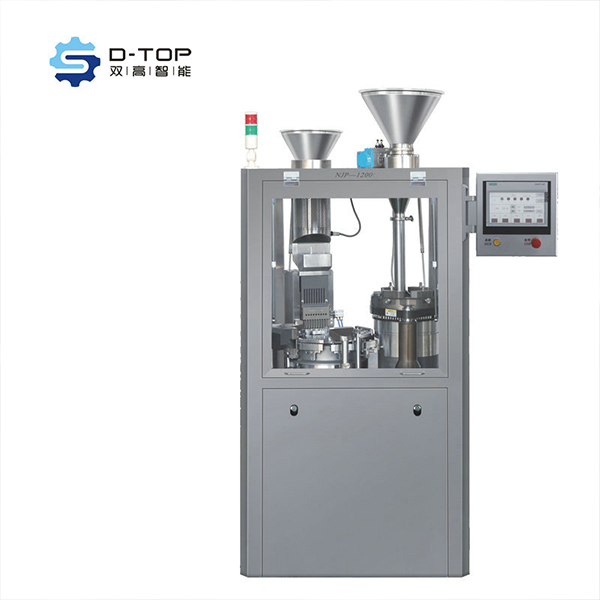
Modern pharmaceutical and consumer goods industries rely heavily on efficient packaging solutions to maintain product integrity and streamline production processes. Among various packaging technologies available today, blister packaging has emerged as one of the most reliable and cost-effective methods for protecting individual items while providing excellent visibility and tamper resistance. The adoption of automated blister packing machine technology has revolutionized how manufacturers approach product packaging, offering unprecedented levels of precision, speed, and consistency across diverse production environments.
Enhanced Production Efficiency and Speed
Automated Processing Capabilities
The implementation of a blister packing machine significantly transforms manufacturing workflows by automating previously manual packaging processes. These sophisticated machines can process hundreds or even thousands of units per hour, depending on the specific model and configuration. The automated feeding systems, precise forming mechanisms, and integrated sealing technologies work in perfect synchronization to eliminate bottlenecks commonly associated with manual packaging operations. This level of automation reduces labor dependency while maintaining consistent output rates throughout extended production runs.
Advanced control systems incorporated in modern blister packaging equipment allow operators to adjust parameters quickly and efficiently, enabling rapid changeovers between different product types without extensive downtime. The programmable logic controllers and touchscreen interfaces provide intuitive operation while maintaining strict quality standards. These features collectively contribute to maximizing overall equipment effectiveness and reducing per-unit packaging costs across large-scale manufacturing operations.
Continuous Operation Benefits
Unlike manual packaging processes that require frequent breaks and shift changes, automated blister packaging systems can operate continuously for extended periods with minimal supervision. The robust construction and reliable mechanical components ensure consistent performance during long production runs, significantly increasing daily throughput capacity. This continuous operation capability proves especially valuable for manufacturers dealing with high-volume orders or seasonal demand fluctuations that require rapid scaling of production capacity.
The integration of preventive maintenance protocols and real-time monitoring systems further enhances operational reliability, allowing production teams to identify potential issues before they impact production schedules. Smart sensors and diagnostic tools provide valuable insights into machine performance, enabling proactive maintenance strategies that minimize unexpected downtime and extend equipment lifespan.
Superior Product Protection and Quality Control
Hermetic Sealing Technology
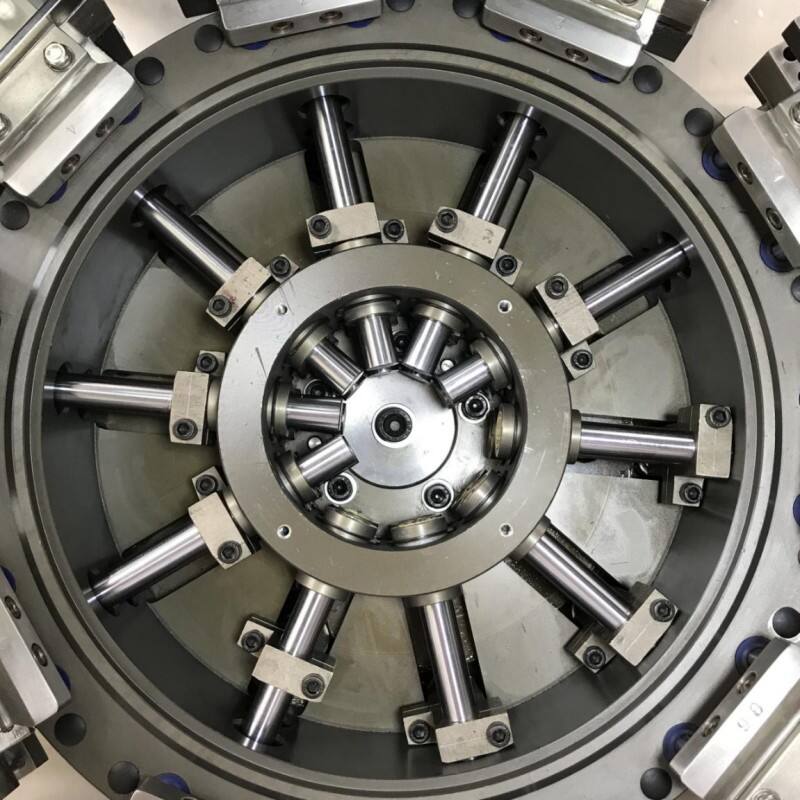
One of the most significant advantages offered by professional blister packaging equipment lies in its ability to create hermetic seals that provide exceptional barrier properties against moisture, oxygen, light, and other environmental factors. The precise temperature and pressure controls ensure consistent seal integrity across every package, maintaining product stability and extending shelf life significantly compared to traditional packaging methods. This level of protection proves particularly crucial for pharmaceutical products, medical devices, and sensitive electronic components that require sterile environments.
The multi-layer film technology utilized in modern blister packaging creates multiple barriers against contamination while maintaining product visibility for quality inspection and consumer appeal. These advanced materials work in conjunction with precise sealing parameters to create packages that meet stringent regulatory requirements for pharmaceutical and medical device industries, ensuring compliance with international quality standards.
Consistent Quality Standards
Automated Blister Packing Machine systems eliminate human variability factors that often contribute to quality inconsistencies in manual packaging operations. The precise control over forming pressures, sealing temperatures, and timing parameters ensures that every package meets identical specifications regardless of production volume or operator changes. This consistency proves essential for maintaining brand reputation and meeting regulatory compliance requirements across different markets and jurisdictions.
Built-in quality control features such as vision inspection systems, leak detection mechanisms, and dimensional verification tools provide real-time quality monitoring throughout the packaging process. These integrated quality systems can automatically reject defective packages while maintaining detailed production records for traceability and regulatory documentation purposes.
Cost-Effectiveness and Return on Investment
Reduced Labor Requirements
The automation capabilities of modern blister packaging equipment significantly reduce labor requirements compared to manual packaging operations, resulting in substantial cost savings over time. While the initial investment may seem considerable, the reduction in ongoing labor costs, combined with increased productivity, typically generates positive returns within the first year of operation. The ability to operate with minimal supervision allows manufacturers to reallocate human resources to more value-added activities within their production facilities.
Additionally, the reduced dependency on manual labor helps mitigate risks associated with workforce fluctuations, training requirements, and human error factors that can impact production consistency. This stability proves particularly valuable in competitive markets where reliable delivery schedules and consistent quality standards directly impact customer satisfaction and retention rates.
Material Optimization Benefits
Advanced blister packing machine systems incorporate sophisticated material handling and cutting mechanisms that minimize waste generation during the packaging process. Precise forming dies and optimized cutting patterns ensure maximum material utilization while maintaining package integrity and aesthetic appeal. The computer-controlled systems can calculate optimal material usage patterns and adjust parameters automatically to reduce waste percentages significantly compared to manual operations.
The ability to work with various packaging materials and thicknesses provides manufacturers with flexibility to optimize packaging costs based on specific product requirements and market positioning strategies. This adaptability allows companies to balance protection requirements with material costs effectively while maintaining competitive pricing structures.
Versatility and Adaptability Across Industries
Multi-Product Compatibility
Modern blister packaging systems demonstrate remarkable versatility in handling diverse product types, sizes, and shapes without requiring extensive modifications or additional equipment investments. The adjustable forming tools, changeable sealing dies, and programmable control systems enable quick transitions between different product lines while maintaining optimal packaging quality standards. This flexibility proves invaluable for manufacturers serving multiple market segments or producing seasonal product variations.
The modular design approach adopted by leading manufacturers allows for easy expansion and customization of blister packing machine configurations to accommodate changing production requirements. Additional features such as printing systems, coding capabilities, and specialized feeding mechanisms can be integrated seamlessly to enhance functionality without disrupting existing production workflows.
Industry-Specific Applications
The pharmaceutical industry benefits tremendously from blister packaging technology due to its ability to maintain product sterility, provide tamper evidence, and enable precise dose control for medication distribution. The healthcare sector utilizes these systems for medical devices, surgical instruments, and diagnostic components that require sterile packaging and clear visibility for quality verification. Consumer goods manufacturers leverage blister packaging for electronics, toys, hardware items, and personal care products where product presentation and theft deterrence are important considerations.
Food and confectionery industries increasingly adopt blister packaging solutions for portion-controlled products, premium items, and specialty foods that benefit from extended shelf life and attractive presentation formats. The ability to create custom cavity shapes and sizes enables innovative packaging designs that enhance product differentiation and consumer appeal in competitive retail environments.
Compliance and Regulatory Advantages
Documentation and Traceability
Professional blister packing machine systems incorporate comprehensive data logging and documentation capabilities that support regulatory compliance requirements across various industries. The automated record-keeping features track critical process parameters, production quantities, quality control results, and maintenance activities, creating detailed audit trails that satisfy regulatory inspection requirements. This documentation capability proves essential for pharmaceutical manufacturers operating under FDA, EMA, or other regulatory oversight.
The integration of serialization and track-and-trace capabilities enables manufacturers to implement comprehensive product tracking systems that support anti-counterfeiting initiatives and supply chain security requirements. These features become increasingly important as global regulatory frameworks evolve to address product authentication and patient safety concerns.
Quality System Integration
Modern blister packaging equipment integrates seamlessly with existing quality management systems and manufacturing execution systems, enabling real-time monitoring and control of packaging operations within broader production environments. The standardized communication protocols and data interfaces facilitate integration with enterprise resource planning systems, providing comprehensive visibility into packaging performance metrics and cost analysis data.
The validation capabilities built into professional packaging equipment support qualification and validation activities required for regulated industries, reducing the time and resources needed for equipment commissioning and regulatory approval processes. Pre-validated software packages and standardized operating procedures accelerate implementation timelines while ensuring compliance with current good manufacturing practices.
FAQ
What types of products can be packaged using blister packing machines
Blister packing machines accommodate a wide variety of products including pharmaceutical tablets and capsules, medical devices, electronic components, consumer goods, hardware items, and food products. The versatile cavity forming capabilities allow for custom shapes and sizes to fit specific product requirements while maintaining optimal protection and presentation characteristics.
How does automated blister packaging compare to manual packaging methods in terms of efficiency
Automated blister packaging systems typically operate 10-20 times faster than manual packaging methods while providing superior consistency and quality control. The continuous operation capabilities and reduced labor requirements result in significantly lower per-unit packaging costs and improved production predictability compared to manual alternatives.
What maintenance requirements should manufacturers expect with blister packing equipment
Regular maintenance requirements include daily cleaning procedures, weekly lubrication schedules, monthly calibration checks, and annual comprehensive inspections. Modern systems incorporate predictive maintenance features and automated monitoring systems that help optimize maintenance schedules and minimize unexpected downtime while extending equipment lifespan.
Can blister packing machines handle different packaging materials and thicknesses
Yes, professional blister packing machines feature adjustable heating systems, variable pressure controls, and interchangeable tooling that accommodate various packaging materials including PVC, PET, PVDC, and aluminum foils in different thicknesses. The programmable controls allow operators to optimize parameters for specific material combinations while maintaining consistent sealing quality.
Table of Contents
- Enhanced Production Efficiency and Speed
- Superior Product Protection and Quality Control
- Cost-Effectiveness and Return on Investment
- Versatility and Adaptability Across Industries
- Compliance and Regulatory Advantages
-
FAQ
- What types of products can be packaged using blister packing machines
- How does automated blister packaging compare to manual packaging methods in terms of efficiency
- What maintenance requirements should manufacturers expect with blister packing equipment
- Can blister packing machines handle different packaging materials and thicknesses