 EN
EN

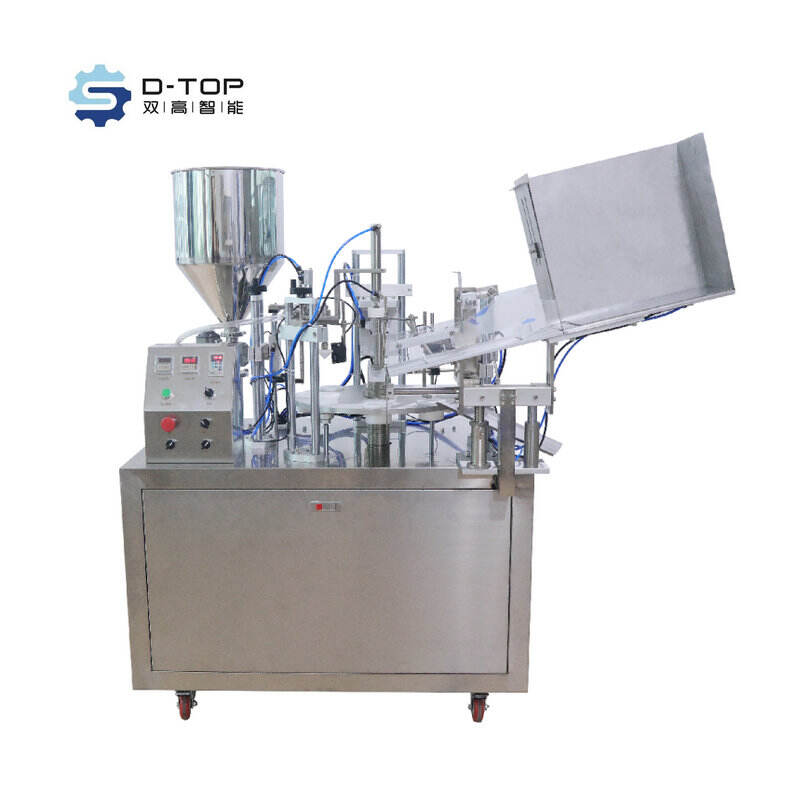
Manufacturing and packaging industries rely heavily on precision equipment to maintain product quality and operational efficiency. A liquid filling machine represents one of the most critical components in modern production lines, designed to accurately dispense predetermined volumes of liquid products into containers. These sophisticated systems have revolutionized how companies handle everything from beverages and pharmaceuticals to cosmetics and chemical products, eliminating manual filling processes that were once time-consuming and prone to human error.
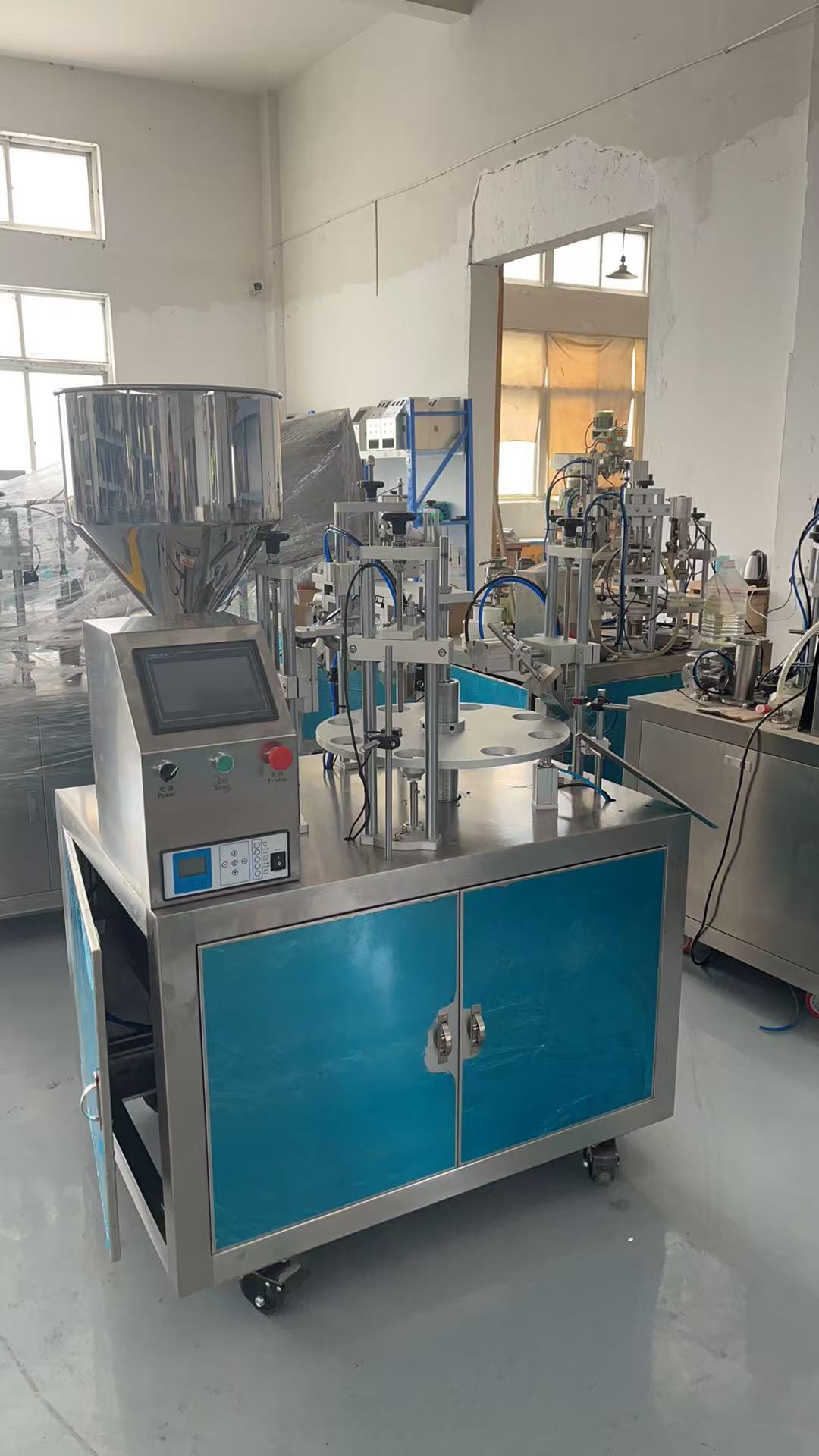
The evolution of liquid filling technology reflects the broader transformation of manufacturing processes toward automation and precision. Today's liquid filling machine systems incorporate advanced sensors, programmable logic controllers, and sophisticated measuring mechanisms that ensure consistent fill volumes while minimizing product waste. This technological advancement has become particularly crucial as consumer expectations for product consistency continue to rise and regulatory standards become increasingly stringent across various industries.
Understanding Liquid Filling Machine Technology
Core Components and Mechanisms
Modern liquid filling machines integrate several essential components that work together to achieve precise dispensing results. The heart of any system lies in its measuring mechanism, which can utilize volumetric, gravimetric, or flow-based principles depending on the specific application requirements. Volumetric systems measure liquid by displacement or piston action, while gravimetric systems rely on weight-based measurements for enhanced accuracy. Flow-based systems monitor liquid movement through calibrated passages to ensure consistent fill volumes.
The container handling system represents another critical component, featuring conveyor mechanisms that position containers precisely beneath filling nozzles. These systems must accommodate various container sizes and shapes while maintaining consistent positioning accuracy. Advanced models incorporate servo-driven positioning systems that can adjust automatically for different container specifications, reducing changeover times and improving overall productivity.
Control systems have evolved to incorporate sophisticated programmable logic controllers that manage every aspect of the filling process. These controllers monitor fill volumes, detect container presence, coordinate timing sequences, and provide real-time feedback on system performance. Modern units feature touchscreen interfaces that allow operators to adjust parameters easily and access diagnostic information for troubleshooting purposes.
Operating Principles and Accuracy Standards
The fundamental operating principle of a liquid filling machine centers on achieving consistent volume delivery through controlled dispensing mechanisms. Precision depends on multiple factors including liquid viscosity, temperature, container geometry, and filling speed. High-quality systems compensate for these variables through advanced calibration procedures and real-time monitoring capabilities that maintain accuracy within strict tolerances.
Accuracy standards vary significantly across different industries and applications. Pharmaceutical applications typically require accuracy levels within ±0.5% of target volume, while food and beverage applications may allow slightly broader tolerances. The most advanced systems achieve accuracy levels exceeding ±0.1% through sophisticated measurement techniques and environmental compensation algorithms.
Fill level detection systems ensure that each container receives the precise amount of product specified. These systems utilize various sensing technologies including ultrasonic, optical, and weight-based detection methods. Advanced models incorporate multiple sensing points to verify fill accuracy and detect potential issues before they affect product quality or cause equipment damage.
Types and Applications of Liquid Filling Systems
Volumetric Filling Technologies
Volumetric liquid filling machine designs encompass several distinct approaches to measuring and dispensing liquids. Piston fillers utilize precise cylinder and piston assemblies to draw and dispense exact volumes, making them ideal for thick liquids and products containing particulates. These systems offer exceptional accuracy and can handle a wide range of viscosities without significant performance degradation.
Rotary piston fillers represent a popular choice for high-speed production environments where consistent fill volumes must be maintained across multiple filling stations simultaneously. These systems feature multiple piston assemblies arranged in a circular configuration, allowing for continuous operation while individual pistons complete their fill cycles. The rotary design enables higher throughput rates while maintaining the accuracy advantages of piston-based measurement.
Time-pressure filling systems control liquid flow through precisely timed valve operations under controlled pressure conditions. These systems work particularly well with low-viscosity liquids and can achieve high-speed filling rates. The filling accuracy depends on maintaining consistent liquid properties and pressure conditions throughout the production run.
Specialized Applications Across Industries
Pharmaceutical manufacturing demands the highest levels of precision and cleanliness from liquid filling equipment. These applications require systems constructed from pharmaceutical-grade materials with surfaces that can withstand aggressive cleaning agents and sterilization procedures. Validation requirements necessitate extensive documentation of system performance and calibration procedures to ensure compliance with regulatory standards.
Food and beverage production utilizes liquid filling machines designed to handle products ranging from water-thin liquids to thick sauces and creams. These systems must accommodate varying product temperatures and maintain sanitary conditions throughout the filling process. Cleaning-in-place capabilities enable thorough sanitization between product runs without disassembling major components.
Chemical and industrial applications present unique challenges related to product corrosivity, flammability, and toxicity. Specialized liquid filling machine designs incorporate materials and safety features appropriate for handling hazardous substances. Explosion-proof electrical components and specialized ventilation systems ensure safe operation in potentially dangerous environments.
Efficiency Benefits and Performance Improvements
Production Speed and Throughput Enhancement
Modern liquid filling machines deliver substantial improvements in production speed compared to manual filling methods. Automated systems can achieve filling rates ranging from hundreds to thousands of containers per hour, depending on container size and liquid characteristics. These speed improvements translate directly into increased production capacity and reduced labor requirements.
Multi-head filling systems multiply throughput capabilities by operating several filling stations simultaneously. Advanced models feature up to 16 or more individual filling heads, each capable of independent operation while maintaining synchronized timing. This parallel processing approach enables dramatic increases in production rates while preserving filling accuracy across all stations.
Continuous operation capabilities eliminate the downtime associated with manual filling processes. Liquid filling machine systems can operate for extended periods with minimal operator intervention, requiring only periodic maintenance and product replenishment. This operational reliability contributes significantly to overall equipment effectiveness and production planning predictability.
Quality Control and Consistency Improvements
Automated filling systems eliminate the variability inherent in manual filling operations, ensuring that every container receives precisely the same amount of product. This consistency improves product quality perception among consumers and reduces the risk of regulatory compliance issues related to short-filling or overfilling containers.
Integrated quality control systems monitor fill volumes in real-time and automatically reject containers that fall outside acceptable tolerance ranges. These systems can detect and correct minor variations before they become quality issues, maintaining consistent product standards throughout production runs. Statistical process control capabilities enable operators to track filling performance trends and implement preventive maintenance strategies.
Reduced product waste represents another significant quality benefit, as precise measuring systems minimize both overfilling and spillage. Advanced liquid filling machine designs incorporate drip-prevention features and precise shut-off mechanisms that eliminate product loss during the filling cycle. These improvements contribute to better profit margins and reduced environmental impact from waste disposal.
Selection Criteria and Implementation Considerations
Technical Specifications and Requirements
Selecting the appropriate liquid filling machine requires careful evaluation of product characteristics, production requirements, and facility constraints. Liquid viscosity represents one of the most critical factors, as different filling technologies perform optimally with specific viscosity ranges. Low-viscosity products may require different approaches than thick, viscous materials or products containing suspended particles.
Container specifications significantly influence equipment selection, including size ranges, material types, and neck configurations. Systems must accommodate the full range of containers used in production while maintaining consistent filling accuracy across all sizes. Changeover requirements between different container types affect equipment design and operational procedures.
Production volume requirements determine the appropriate system capacity and configuration. High-volume operations benefit from multi-head rotary systems, while smaller production runs may be better served by simpler linear filling machines. Future growth considerations should influence initial equipment selection to avoid premature obsolescence or capacity limitations.
Integration and Automation Capabilities
Modern manufacturing environments require liquid filling machines that integrate seamlessly with existing production line equipment. Communication protocols must be compatible with plant-wide control systems to enable coordinated operation and data exchange. Industry-standard interfaces facilitate integration with upstream and downstream equipment including conveyors, cappers, and labeling systems.
Data collection and reporting capabilities enable comprehensive production monitoring and performance analysis. Advanced systems provide real-time production data, maintenance alerts, and quality metrics that support continuous improvement initiatives. This information proves valuable for optimizing production schedules, identifying efficiency opportunities, and demonstrating regulatory compliance.
Remote monitoring and diagnostic capabilities allow maintenance personnel to assess system status and performance from central locations. These features enable proactive maintenance scheduling and rapid response to potential issues before they cause production disruptions. Cloud-based monitoring systems provide access to performance data from anywhere, supporting distributed manufacturing operations.
Maintenance and Operational Excellence
Preventive Maintenance Strategies
Effective maintenance programs ensure consistent liquid filling machine performance and extend equipment service life. Preventive maintenance schedules should address all critical components including pumps, valves, sensors, and control systems. Regular calibration procedures maintain filling accuracy and prevent drift that could affect product quality or regulatory compliance.
Cleaning and sanitization procedures represent critical maintenance activities, particularly for food, beverage, and pharmaceutical applications. Cleaning-in-place systems simplify these procedures by enabling automated cleaning cycles without equipment disassembly. Proper cleaning protocols prevent contamination issues and maintain product quality standards throughout production campaigns.
Component replacement schedules help prevent unexpected failures that could disrupt production operations. Critical wear items including seals, gaskets, and moving parts should be replaced according to manufacturer recommendations or based on condition monitoring data. Maintaining adequate spare parts inventory ensures rapid restoration of equipment availability following component failures.
Operational Optimization and Troubleshooting
Optimizing liquid filling machine performance requires ongoing attention to operating parameters and system conditions. Regular performance monitoring identifies trends that may indicate developing problems or opportunities for improvement. Key performance indicators include fill accuracy, production rate, reject rates, and overall equipment effectiveness metrics.
Troubleshooting procedures should address common issues including filling accuracy problems, container handling difficulties, and control system malfunctions. Comprehensive diagnostic capabilities built into modern systems help operators identify root causes quickly and implement appropriate corrective actions. Documentation of troubleshooting procedures ensures consistent responses to recurring issues.
Operator training programs ensure that personnel understand proper operating procedures and can recognize potential problems before they affect product quality or equipment reliability. Well-trained operators contribute significantly to overall system performance through proper operation techniques and early problem detection capabilities.
FAQ
What factors determine the accuracy of a liquid filling machine
Filling accuracy depends on several critical factors including the measurement technology employed, liquid characteristics such as viscosity and temperature, container design, and environmental conditions. Volumetric systems typically achieve accuracy levels within ±1% while gravimetric systems can reach ±0.1% or better. Regular calibration and proper maintenance ensure consistent accuracy over time, while advanced control systems compensate for variations in operating conditions to maintain precise fill volumes.
How do I choose between different types of liquid filling machines
Selection should be based on product characteristics, production volume requirements, accuracy needs, and budget constraints. Piston fillers work well for thick liquids and products with particles, while gravity fillers suit thin liquids and high-speed applications. Consider factors such as container size range, changeover requirements, integration needs, and available floor space. Consulting with equipment manufacturers helps identify the most suitable technology for specific applications and ensures optimal performance.
What maintenance is required for optimal liquid filling machine performance
Regular maintenance includes daily cleaning procedures, periodic calibration checks, preventive replacement of wear components, and systematic inspection of critical systems. Cleaning-in-place procedures should be performed according to product requirements and regulatory standards. Monthly calibration verification ensures continued accuracy, while quarterly inspections of mechanical components identify potential problems before they cause failures. Maintaining detailed maintenance records supports troubleshooting efforts and demonstrates regulatory compliance.
Can liquid filling machines handle different container sizes and types
Modern liquid filling machines offer significant flexibility in handling various container sizes and types through adjustable components and quick-change features. Servo-driven positioning systems automatically adjust for different container heights and diameters, while modular nozzle designs accommodate various neck configurations. However, extreme size differences may require mechanical adjustments or additional equipment components. Discussing specific container requirements with manufacturers ensures adequate flexibility for current and future production needs.