 EN
EN

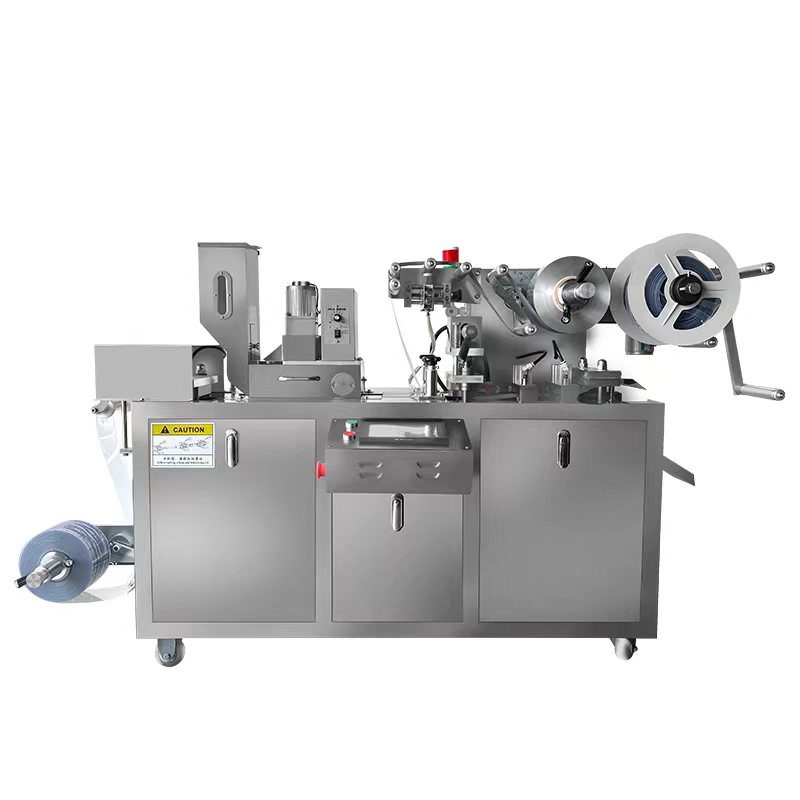
Modern manufacturing facilities face increasing pressure to optimize production efficiency while maintaining consistent product quality. Bottle filling equipment represents a critical component in achieving these objectives, transforming manual filling processes into streamlined, automated operations that significantly enhance throughput and accuracy. These sophisticated systems have revolutionized how companies approach liquid packaging, offering precise control over fill volumes and reducing waste while improving overall production reliability.
The integration of advanced filling technology into production lines delivers measurable improvements across multiple operational metrics. Companies implementing automated bottle filling equipment typically experience reduced labor costs, minimized product contamination risks, and enhanced consistency in package weights and volumes. These benefits translate directly into improved profit margins and customer satisfaction, making the investment in quality filling systems a strategic priority for competitive manufacturers.
Enhanced Production Speed and Efficiency
Automated Filling Cycles
Automated bottle filling equipment operates with remarkable precision and speed, completing filling cycles at rates that far exceed manual operations. Modern systems can process hundreds or thousands of containers per hour, depending on the specific configuration and product requirements. The consistent timing of these automated cycles eliminates variability associated with human operators, ensuring steady production flow throughout extended operational periods.
The synchronization between bottle positioning, filling mechanisms, and conveyor systems creates seamless workflow transitions that minimize downtime between production runs. Advanced control systems monitor each filling cycle in real-time, automatically adjusting parameters to maintain optimal performance. This level of automation reduces the dependency on skilled operators while enabling facilities to maintain consistent output regardless of shift changes or personnel availability.
Reduced Changeover Times
Contemporary filling equipment incorporates quick-change features that dramatically reduce the time required to transition between different product lines or container sizes. Tool-free adjustment mechanisms allow operators to modify fill volumes, change nozzle configurations, and adapt to various bottle dimensions within minutes rather than hours. This flexibility enables manufacturers to respond rapidly to changing market demands while maximizing equipment utilization across diverse product portfolios.
The modular design of modern systems facilitates rapid reconfiguration for different products or packaging formats. Memory-stored recipes allow operators to recall specific settings for recurring production runs, eliminating setup errors and reducing the learning curve for new products. These capabilities enable manufacturers to schedule shorter production runs economically, supporting just-in-time manufacturing strategies and reducing inventory carrying costs.
Precision and Quality Control
Accurate Fill Volume Control
Precision fill volume control represents one of the most significant advantages of automated bottle filling equipment. Advanced systems utilize servo-driven pumps, flow meters, and weight-checking technologies to ensure each container receives exactly the specified amount of product. This accuracy reduces product giveaway, a common issue in manual filling operations where overfilling can result in substantial material waste over time.
The integration of feedback control systems continuously monitors fill weights and automatically adjusts filling parameters to maintain target specifications. Statistical process control capabilities track fill accuracy trends, enabling proactive adjustments before deviations exceed acceptable tolerances. This level of control ensures consistent product presentation while optimizing material usage and reducing regulatory compliance risks associated with under-filled packages.
Contamination Prevention
Automated filling systems incorporate multiple contamination prevention features that protect product integrity throughout the packaging process. Enclosed filling environments, sterile air systems, and automated cleaning cycles minimize exposure to environmental contaminants. The reduction in human contact points significantly decreases the risk of introducing foreign materials or biological contaminants into the product stream.
Hygienic design principles guide the construction of modern bottle filling equipment, incorporating smooth surfaces, proper drainage, and easy-to-clean components that support rigorous sanitation protocols. CIP (Clean-in-Place) systems enable thorough equipment cleaning without disassembly, reducing contamination risks during maintenance procedures while ensuring consistent hygiene standards between production runs.
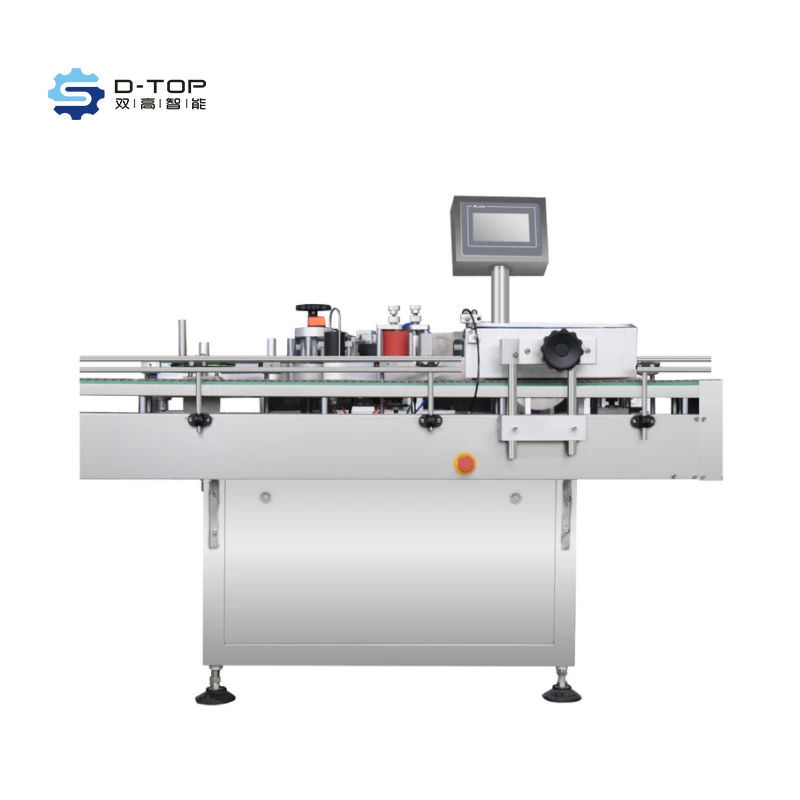
Cost Reduction and ROI Benefits
Labor Cost Optimization
The implementation of automated bottle filling equipment typically results in substantial labor cost reductions by eliminating the need for multiple operators in filling operations. A single technician can often supervise multiple automated lines that previously required several manual workers. This labor efficiency enables companies to redeploy personnel to higher-value activities while reducing ongoing operational expenses.
Beyond direct labor savings, automated systems reduce costs associated with worker training, turnover, and workplace injuries. The consistent operation of filling equipment eliminates variability in productivity that often accompanies different operator skill levels or fatigue factors. Companies can achieve more predictable labor budgets while maintaining stable production output regardless of workforce fluctuations.
Material Waste Reduction
Precise filling control significantly reduces product waste compared to manual operations, where spillage and overfilling are common challenges. Automated systems capture and recycle product drips, minimize container breakage through gentle handling, and eliminate errors that result in rejected packages. These waste reduction benefits compound over time, particularly for high-value products where material costs represent a significant portion of total production expenses.
The consistent operation of automated equipment also reduces packaging material waste by minimizing damaged containers and labels. Proper bottle handling and positioning prevent crushing or deformation that often occurs with manual operations. Quality control systems can detect and reject defective packages before they proceed through downstream processes, preventing additional material waste in labeling, capping, or case packing operations.
Scalability and Future-Proofing
Modular System Expansion
Modern bottle filling equipment designs incorporate modular architectures that facilitate capacity expansion as business volumes grow. Companies can begin with basic configurations and add filling stations, conveyor sections, or auxiliary equipment as production demands increase. This scalability approach allows manufacturers to match capital investments with actual growth rather than over-investing in capacity that may not be immediately utilized.
The standardized interfaces between system components enable seamless integration of additional modules without requiring complete system replacement. Control systems can accommodate expanded configurations through software updates, preserving existing operator training investments while extending system capabilities. This modular approach provides long-term flexibility that adapts to changing business requirements and market opportunities.
Technology Integration Capabilities
Contemporary filling equipment platforms support integration with emerging technologies such as IoT sensors, predictive maintenance systems, and advanced data analytics platforms. These capabilities enable manufacturers to leverage Industry 4.0 concepts for enhanced operational visibility and performance optimization. Real-time data collection facilitates evidence-based decision-making while supporting continuous improvement initiatives.
The connectivity features of modern systems enable remote monitoring and diagnostics, allowing technical support teams to troubleshoot issues and optimize performance without on-site visits. This capability reduces maintenance costs and minimizes unplanned downtime while ensuring equipment operates at peak efficiency. Cloud-based data storage and analysis tools provide insights into production trends and equipment performance that support strategic planning and investment decisions.
FAQ
What factors should be considered when selecting bottle filling equipment for a specific application?
Key selection factors include product characteristics such as viscosity and foaming properties, required production speeds, container sizes and materials, available floor space, and integration requirements with existing production lines. Additionally, consider regulatory compliance needs, maintenance requirements, and future expansion possibilities when evaluating different system options.
How does bottle filling equipment handle different product viscosities effectively?
Modern filling systems utilize various technologies including gravity filling for low-viscosity liquids, pump filling for medium viscosity products, and piston filling for thick or paste-like materials. Advanced systems can automatically adjust filling parameters based on product characteristics, ensuring consistent results across diverse product portfolios without manual intervention.
What maintenance practices are essential for optimal bottle filling equipment performance?
Regular maintenance includes daily cleaning and sanitization procedures, periodic calibration of fill volume controls, inspection and replacement of wear components such as seals and gaskets, and preventive maintenance on mechanical drive systems. Implementing scheduled maintenance programs and operator training ensures reliable performance and extends equipment service life.
How quickly can operators learn to use automated bottle filling equipment?
Most operators can learn basic system operation within a few days of hands-on training, while advanced troubleshooting and maintenance skills typically require several weeks to develop. Modern systems feature intuitive touchscreen interfaces and guided setup procedures that simplify operation and reduce the learning curve for new personnel.
Table of Contents
- Enhanced Production Speed and Efficiency
- Precision and Quality Control
- Cost Reduction and ROI Benefits
- Scalability and Future-Proofing
-
FAQ
- What factors should be considered when selecting bottle filling equipment for a specific application?
- How does bottle filling equipment handle different product viscosities effectively?
- What maintenance practices are essential for optimal bottle filling equipment performance?
- How quickly can operators learn to use automated bottle filling equipment?