 EN
EN

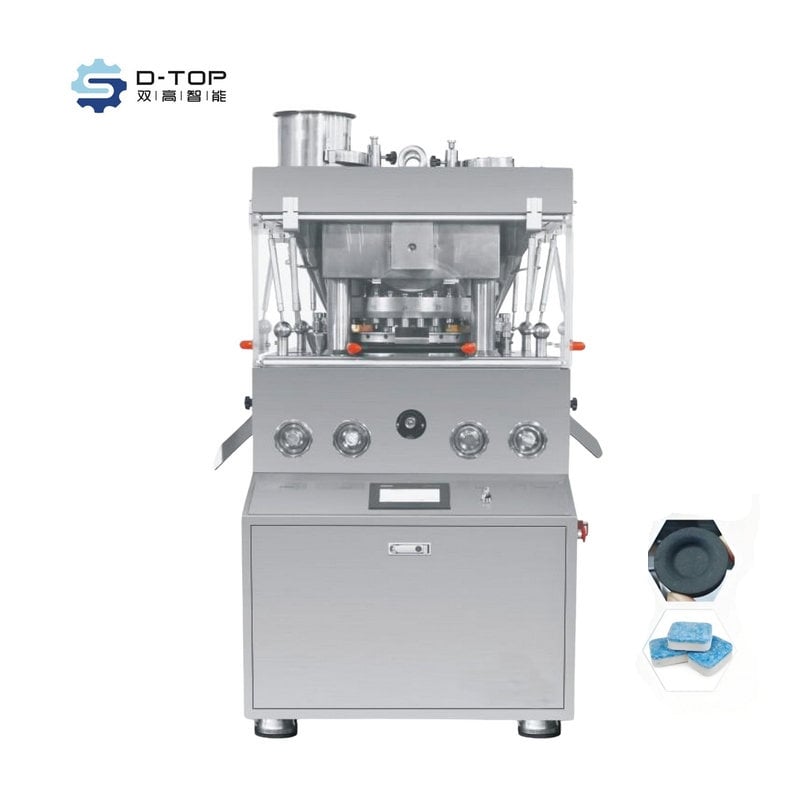
The pharmaceutical industry relies heavily on precision manufacturing equipment to ensure consistent, high-quality drug production. Among the most critical pieces of machinery in modern pharmaceutical manufacturing is the tablet press machine, which has revolutionized how medications are produced on both small and large scales. These sophisticated devices transform powder formulations into uniform, compressed tablets that meet stringent regulatory standards while maintaining exceptional quality control throughout the production process.
Modern pharmaceutical companies face increasing pressure to optimize their production processes while maintaining the highest standards of quality and safety. The implementation of advanced tablet press technology addresses these challenges by providing manufacturers with reliable, efficient solutions that enhance productivity and ensure consistent drug formulation. Understanding the comprehensive benefits of these machines helps pharmaceutical professionals make informed decisions about their manufacturing investments and operational strategies.
Enhanced Production Efficiency and Throughput
Automated Manufacturing Processes
Contemporary tablet press machines incorporate sophisticated automation technologies that significantly reduce manual intervention in the drug production process. These automated systems handle multiple operations simultaneously, including powder feeding, compression, ejection, and quality monitoring, resulting in dramatically improved production speeds compared to traditional manufacturing methods. The integration of programmable logic controllers allows operators to maintain consistent production parameters while minimizing human error and variability in the final product.
The automation capabilities extend beyond basic compression operations to include real-time monitoring of critical process parameters such as compression force, tablet weight, and hardness measurements. This comprehensive automation ensures that each tablet meets predetermined specifications while maintaining optimal production efficiency. Advanced sensor technologies provide immediate feedback on production conditions, enabling rapid adjustments to maintain consistent quality throughout extended production runs.
Scalable Production Capabilities
Modern tablet press machines offer exceptional scalability, accommodating production requirements ranging from small research batches to large-scale commercial manufacturing. This flexibility allows pharmaceutical companies to utilize the same equipment platform across different stages of drug development and commercialization, reducing capital investment requirements and training complexity. The ability to adjust production volumes without compromising quality standards makes these machines invaluable for companies managing diverse product portfolios.
The scalability extends to tooling configurations, where manufacturers can quickly change compression tooling to accommodate different tablet sizes, shapes, and formulations without extensive machine reconfiguration. This adaptability enables efficient production scheduling and reduces downtime between product changeovers, maximizing overall equipment effectiveness and return on investment for pharmaceutical manufacturers.
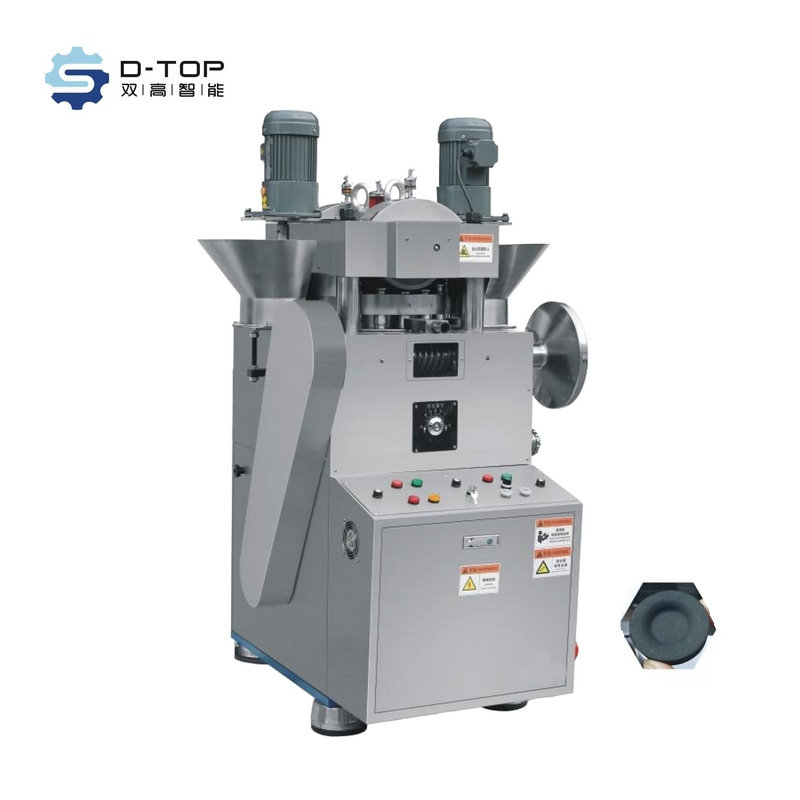
Superior Quality Control and Consistency
Precise Weight and Dosage Control
One of the most significant advantages of using a tablet press machine is the exceptional precision it provides in controlling tablet weight and active ingredient dosage. Advanced force-feeding systems ensure uniform powder distribution in each compression cycle, while sophisticated weight control mechanisms monitor and adjust fill volumes in real-time to maintain consistent tablet weights within extremely tight tolerances, typically within one to two percent of target specifications.
The precision control systems incorporate multiple feedback mechanisms that continuously monitor compression parameters and make automatic adjustments to maintain optimal tablet characteristics. These systems can detect and correct variations in powder flow, compression force, and fill depth before they result in out-of-specification tablets, ensuring that every produced tablet meets stringent pharmaceutical quality standards and regulatory requirements.
Uniform Tablet Characteristics
Professional tablet press machines deliver exceptional uniformity in tablet physical characteristics, including hardness, thickness, diameter, and surface finish. This consistency is achieved through precision-engineered compression systems that apply controlled force profiles during the compression cycle, ensuring optimal tablet formation without compromising structural integrity. The resulting tablets exhibit uniform dissolution profiles and bioavailability characteristics essential for therapeutic efficacy.
The uniform compression process also minimizes tablet defects such as capping, lamination, and picking, which can compromise product quality and patient safety. Advanced monitoring systems continuously evaluate tablet quality parameters and provide immediate alerts when process conditions deviate from optimal ranges, enabling proactive quality management throughout the production process.
Regulatory Compliance and Documentation
FDA and International Standards Adherence
Modern tablet press machines are designed to meet and exceed stringent regulatory requirements established by the FDA, European Medicines Agency, and other international regulatory bodies. These machines incorporate comprehensive data logging capabilities that automatically record all critical process parameters, creating detailed batch records that demonstrate compliance with current Good Manufacturing Practices and other relevant regulations. The electronic documentation systems provide complete traceability from raw material input through final tablet production.
The regulatory compliance features include integrated security measures that prevent unauthorized modifications to production parameters and maintain data integrity throughout the manufacturing process. Electronic signatures, audit trails, and secure data storage systems ensure that all production records meet the highest standards for regulatory submission and inspection readiness, reducing compliance risks and expediting product approvals.
Comprehensive Batch Documentation
Advanced tablet press machines generate comprehensive batch documentation that includes detailed records of all production parameters, quality test results, and operator interventions throughout the manufacturing process. This documentation provides complete visibility into production conditions and enables thorough investigation of any quality issues or deviations that may occur during production. The automated documentation systems eliminate manual record-keeping errors and ensure consistency in data collection and reporting procedures.
The batch documentation capabilities extend to integration with enterprise resource planning systems and laboratory information management systems, creating seamless data flow throughout the pharmaceutical manufacturing organization. This integration enables real-time production monitoring, automated quality reporting, and comprehensive analysis of production trends and performance metrics across multiple production campaigns.
Cost-Effectiveness and Return on Investment
Reduced Labor Requirements
The implementation of advanced tablet press machines significantly reduces labor requirements in pharmaceutical manufacturing operations through comprehensive automation of previously manual processes. These machines can operate continuously with minimal operator intervention, requiring only periodic monitoring and maintenance activities. The reduction in manual labor not only decreases operating costs but also minimizes the risk of human error and contamination in the production environment.
The automated operation capabilities enable pharmaceutical manufacturers to optimize staffing levels and allocate human resources to higher-value activities such as quality assurance, process development, and regulatory affairs. This reallocation of personnel resources improves overall operational efficiency while maintaining the highest standards of product quality and safety throughout the manufacturing process.
Minimized Material Waste
Precision control systems in modern tablet press machines dramatically reduce material waste by optimizing powder utilization and minimizing rejected tablets. The accurate dosing and compression systems ensure that virtually all input materials are converted into acceptable finished products, reducing raw material costs and environmental impact. Advanced monitoring systems detect potential quality issues early in the production process, preventing the production of large quantities of defective tablets.
The waste reduction benefits extend to packaging and disposal costs, as consistent tablet quality reduces the need for rework and reprocessing operations. The improved first-pass yield rates typical of modern tablet press operations result in significant cost savings over the lifetime of the equipment, contributing to rapid return on investment for pharmaceutical manufacturers.
Advanced Technology Integration
Real-Time Process Monitoring
Contemporary tablet press machines incorporate sophisticated monitoring technologies that provide real-time visibility into all aspects of the compression process. These systems utilize advanced sensors and data acquisition technologies to continuously monitor critical parameters such as compression force, tablet weight, hardness, and thickness, providing operators with immediate feedback on production conditions and tablet quality characteristics.
The real-time monitoring capabilities enable predictive maintenance scheduling and proactive process optimization, reducing unplanned downtime and maximizing equipment availability. Integration with statistical process control systems allows for continuous process improvement and optimization based on historical production data and performance trends, ensuring optimal tablet press machine performance over extended periods.
Data Analytics and Process Optimization
Modern tablet press machines generate vast amounts of production data that can be analyzed to identify optimization opportunities and improve overall manufacturing efficiency. Advanced analytics platforms process this data to identify patterns, trends, and correlations that may not be apparent through traditional monitoring methods. These insights enable pharmaceutical manufacturers to optimize production parameters, improve yield rates, and enhance product quality through data-driven decision making.
The data analytics capabilities support continuous improvement initiatives by providing detailed performance metrics and identifying areas where process modifications could yield significant benefits. Machine learning algorithms can analyze historical production data to predict optimal settings for new formulations and identify potential quality issues before they impact production, enabling proactive process management and optimization.
FAQ
What factors should be considered when selecting a tablet press machine for pharmaceutical production
When selecting a tablet press machine for pharmaceutical production, key factors include production capacity requirements, tablet size and shape specifications, formulation characteristics, regulatory compliance features, and integration capabilities with existing manufacturing systems. Additionally, consider the machine's flexibility for handling multiple products, ease of cleaning and maintenance, availability of technical support, and total cost of ownership including operating expenses and spare parts availability.
How does tablet press machine technology ensure consistent drug dosage across production batches
Tablet press machines ensure consistent drug dosage through precision weight control systems, automated powder feeding mechanisms, and real-time monitoring of compression parameters. Advanced force-feeding systems maintain uniform powder distribution, while sophisticated control algorithms adjust fill volumes and compression forces to maintain target tablet weights within tight tolerances. Continuous monitoring and feedback systems detect variations immediately and make automatic corrections to maintain dosage consistency throughout production runs.
What maintenance requirements are associated with industrial tablet press machines
Industrial tablet press machines require regular preventive maintenance including lubrication of mechanical components, cleaning and inspection of compression tooling, calibration of monitoring systems, and replacement of wear parts according to manufacturer schedules. Daily cleaning and inspection procedures ensure optimal performance and regulatory compliance, while periodic comprehensive maintenance activities including bearing replacement, seal inspection, and system calibration maintain long-term reliability and accuracy of the equipment.
How do modern tablet press machines integrate with pharmaceutical quality management systems
Modern tablet press machines integrate with pharmaceutical quality management systems through standardized communication protocols that enable seamless data exchange between production equipment and enterprise systems. These integrations provide real-time production data, automated batch record generation, electronic signature capabilities, and comprehensive audit trails that support regulatory compliance and quality assurance activities. The integration enables centralized monitoring of production operations and automated quality reporting across multiple manufacturing sites and product lines.
Table of Contents
- Enhanced Production Efficiency and Throughput
- Superior Quality Control and Consistency
- Regulatory Compliance and Documentation
- Cost-Effectiveness and Return on Investment
- Advanced Technology Integration
-
FAQ
- What factors should be considered when selecting a tablet press machine for pharmaceutical production
- How does tablet press machine technology ensure consistent drug dosage across production batches
- What maintenance requirements are associated with industrial tablet press machines
- How do modern tablet press machines integrate with pharmaceutical quality management systems