 EN
EN

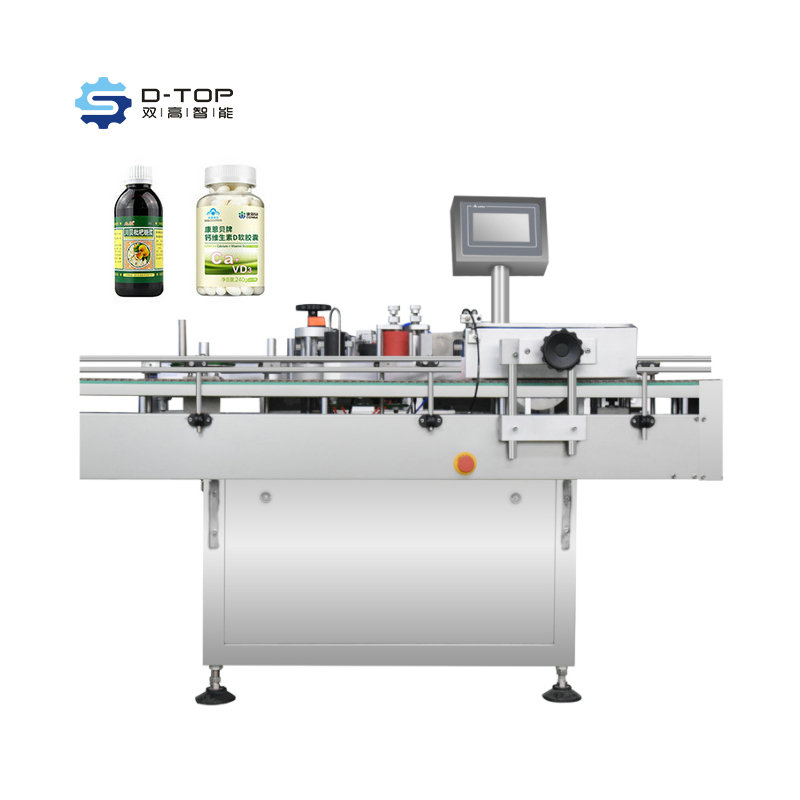
Manufacturing companies across industries are increasingly adopting automation technologies to streamline their production processes and maintain competitive advantages. Among these innovations, the automatic labeler machine has emerged as a crucial component for businesses seeking to enhance their packaging efficiency and product presentation. These sophisticated systems transform traditional manual labeling operations into precise, high-speed automated processes that deliver consistent results while reducing operational costs. The integration of an automatic labeler machine into production lines represents a strategic investment that addresses multiple challenges faced by modern manufacturers, from labor shortages to quality control demands.
Enhanced Production Efficiency and Speed
Accelerated Output Rates
The implementation of an automatic labeler machine significantly increases production throughput compared to manual labeling methods. These advanced systems can process hundreds or even thousands of products per hour, depending on the specific model and application requirements. Unlike human operators who may experience fatigue or require breaks, automated labeling equipment maintains consistent performance throughout extended production runs. This sustained productivity enables manufacturers to meet larger order volumes and tighter delivery schedules while maintaining product quality standards.
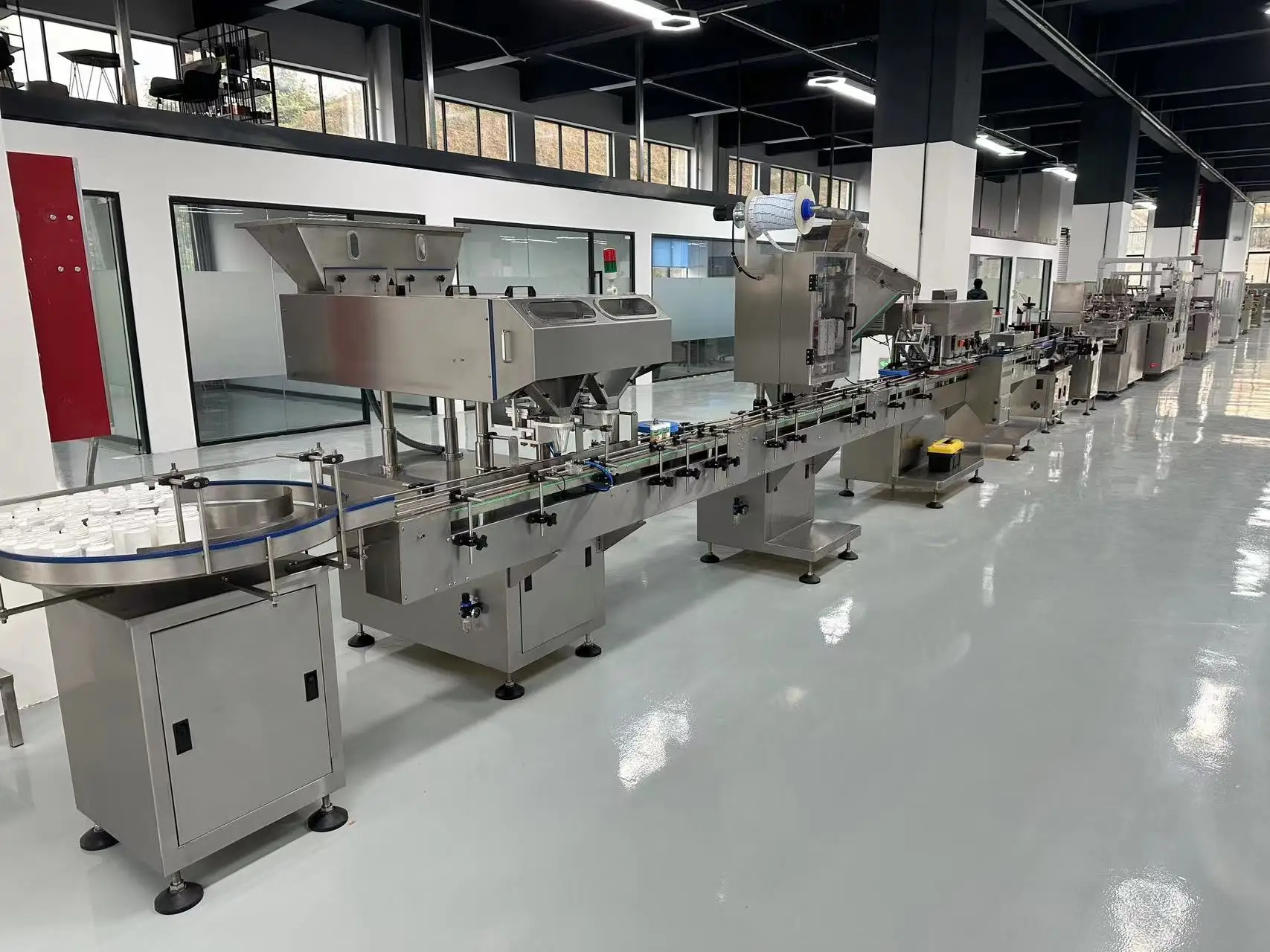
Modern automatic labeler machine designs incorporate sophisticated feeding mechanisms and precision placement systems that eliminate bottlenecks commonly associated with manual processes. The seamless integration with existing conveyor systems ensures smooth product flow, reducing handling time and minimizing production delays. Advanced sensors and control systems monitor the labeling process in real-time, automatically adjusting speeds and parameters to optimize performance based on product specifications and line conditions.
Reduced Processing Time
Time efficiency represents one of the most significant advantages of automatic labeling technology. Traditional manual labeling operations require substantial time investments for each product, including positioning, application, and quality verification steps. An automatic labeler machine condenses these activities into streamlined processes that occur simultaneously, dramatically reducing the total time required for each labeled item. This acceleration enables manufacturers to allocate production capacity toward other value-added activities.
The speed advantages extend beyond individual product processing to encompass entire production cycles. Automated systems eliminate the variability inherent in human performance, ensuring predictable processing times that facilitate accurate production planning and scheduling. This reliability allows production managers to optimize workflow coordination across multiple departments and maintain consistent delivery commitments to customers.
Superior Labeling Accuracy and Consistency
Precise Label Placement
Precision represents a fundamental strength of automatic labeler machine technology, delivering consistent label positioning that meets strict quality standards. These systems utilize advanced vision systems, sensors, and mechanical positioning components to ensure accurate label placement within specified tolerances. The elimination of human variability results in uniform product appearance that enhances brand image and customer perception while reducing waste from misapplied labels.
Sophisticated feedback mechanisms continuously monitor label application accuracy and make real-time adjustments to maintain optimal performance. This self-correcting capability ensures that even minor variations in product dimensions or conveyor positioning do not compromise labeling quality. The consistent results achieved through automated processes support regulatory compliance requirements and quality assurance protocols essential for many industries.
Elimination of Human Error
Manual labeling operations are inherently susceptible to human error, including incorrect label selection, improper placement, and application inconsistencies. An automatic labeler machine eliminates these variables by executing programmed sequences with mechanical precision. The reduction in error rates directly translates to decreased product rejection rates, lower rework costs, and improved overall equipment effectiveness metrics.
The systematic approach employed by automated labeling equipment ensures that quality standards remain constant regardless of operator skill levels or experience. This consistency becomes particularly valuable for companies processing multiple product variants or operating across multiple shifts, where maintaining uniform quality standards can be challenging with manual methods.
Significant Cost Reduction Benefits
Lower Labor Expenses
The adoption of automatic labeler machine technology delivers substantial labor cost savings by reducing the number of operators required for packaging operations. While manual labeling typically requires dedicated personnel for each production line, automated systems can operate with minimal human supervision, allowing companies to redeploy workforce resources to higher-value activities. This optimization becomes increasingly important as labor costs continue rising and skilled workers become more difficult to recruit and retain.
Beyond direct wage savings, automated labeling reduces indirect labor costs associated with training, supervision, and employee turnover. The simplified operation requirements mean that existing staff can quickly learn to operate and maintain automatic labeling equipment, minimizing training investments. Additionally, the reduced dependency on manual labor provides greater operational flexibility and resilience against workforce disruptions.
Minimized Material Waste
Material waste reduction represents another significant economic benefit of automatic labeler machine implementation. Precise application mechanisms ensure optimal label usage by eliminating common waste sources such as misaligned applications, damaged labels during handling, and over-application of adhesive materials. The accuracy of automated systems results in higher first-pass quality rates, reducing the need for product rework or disposal.
Advanced automatic labeler machine models incorporate waste monitoring capabilities that track material consumption and identify optimization opportunities. These insights enable manufacturers to fine-tune operational parameters and achieve additional cost savings through improved resource utilization. The combination of reduced material waste and improved productivity creates compelling return-on-investment scenarios for most applications.
Improved Workplace Safety and Ergonomics
Reduced Physical Strain
Manual labeling operations often involve repetitive motions, awkward positioning, and prolonged standing that can contribute to worker fatigue and injury risks. The implementation of an automatic labeler machine eliminates these physical demands by mechanizing the application process. This improvement in workplace ergonomics reduces the likelihood of repetitive strain injuries and associated workers compensation claims while improving overall employee satisfaction and retention rates.
The ergonomic benefits extend beyond the immediate labeling operation to encompass broader workplace safety improvements. Automated systems reduce product handling requirements, minimizing exposure to potential hazards such as sharp edges, heavy lifting, or chemical adhesives. This comprehensive approach to safety creates a more attractive work environment that supports employee wellbeing and productivity.
Enhanced Safety Protocols
Modern automatic labeler machine designs incorporate comprehensive safety features that protect both operators and equipment. Emergency stop systems, safety interlocks, and protective barriers prevent accidental contact with moving components while maintaining easy access for maintenance and changeover procedures. These safety enhancements comply with industrial safety standards and support regulatory compliance requirements.
The integration of safety monitoring systems provides real-time alerts for potential hazards or equipment malfunctions, enabling proactive responses that prevent accidents and equipment damage. This preventive approach to safety management reduces insurance costs and supports continuous improvement initiatives focused on workplace safety enhancement.
Scalability and Production Flexibility
Adaptable Output Capacity
The scalability advantages of automatic labeler machine technology enable manufacturers to adapt production capacity to meet fluctuating demand requirements without significant capital investments. These systems can be programmed to operate at various speeds and configured for different product specifications, providing operational flexibility that supports business growth and market expansion initiatives. The ability to quickly adjust output levels helps companies respond to seasonal demand variations and customer-specific requirements.
Advanced automatic labeler machine models support quick changeover capabilities that enable efficient transitions between different product lines or label specifications. This flexibility becomes increasingly valuable for companies serving diverse markets or offering customized products, where production agility provides competitive advantages. The reduced setup times associated with automated systems minimize production downtime and maximize equipment utilization rates.
Multi-Product Compatibility
Versatility represents a key strength of modern automatic labeler machine designs, with many systems capable of handling multiple product formats and label types within the same equipment platform. This multi-product compatibility reduces the need for dedicated labeling equipment for each product line, optimizing capital utilization and simplifying maintenance requirements. The ability to process various container shapes, sizes, and materials through programming adjustments rather than hardware modifications provides significant operational advantages.
The integration of advanced control systems enables automatic labeler machine equipment to store multiple product configurations and recall specific settings based on production schedules or operator selections. This capability streamlines changeover procedures and reduces the potential for setup errors that could compromise product quality or production efficiency.
Quality Control and Compliance Advantages
Consistent Quality Standards
Quality consistency represents a fundamental requirement for maintaining customer satisfaction and regulatory compliance across various industries. An automatic labeler machine delivers uniform labeling quality that meets predetermined specifications without the variability associated with manual processes. This consistency supports brand integrity and customer confidence while reducing quality-related customer complaints and product returns.
The implementation of automatic labeling technology enables comprehensive quality documentation and traceability capabilities that support continuous improvement initiatives. Real-time monitoring systems capture performance data that can be analyzed to identify trends, optimize processes, and prevent quality issues before they impact production output or customer satisfaction.
Regulatory Compliance Support
Many industries operate under strict regulatory requirements for product labeling accuracy, traceability, and documentation. Automatic labeler machine systems provide the precision and consistency necessary to meet these compliance obligations while generating detailed records that support audit requirements. The elimination of manual processes reduces compliance risks and demonstrates commitment to quality management principles.
Advanced automatic labeler machine designs incorporate features specifically developed to support regulatory compliance, including serialization capabilities, print verification systems, and data integrity protection measures. These capabilities become increasingly important as regulations evolve to address product safety, supply chain security, and consumer protection requirements.
FAQ
What types of products can be processed with an automatic labeler machine
Automatic labeler machine systems are designed to handle a wide variety of products including bottles, cans, boxes, tubes, and flexible packaging. The specific capabilities depend on the machine configuration, but most modern systems can accommodate different shapes, sizes, and materials through adjustable components and programmable settings. Industries commonly using these machines include food and beverage, pharmaceuticals, cosmetics, chemicals, and consumer goods manufacturing.
How much maintenance is required for automatic labeling equipment
Maintenance requirements for an automatic labeler machine typically involve routine cleaning, lubrication, and inspection procedures that can be performed by trained operators. Most systems feature diagnostic capabilities that monitor component performance and alert users to potential maintenance needs before problems occur. Preventive maintenance schedules generally include weekly cleaning routines, monthly mechanical inspections, and annual comprehensive servicing by qualified technicians.
What is the typical return on investment for automatic labeling systems
The return on investment for automatic labeler machine implementations varies based on production volumes, labor costs, and operational requirements, but most companies experience payback periods between 12 to 36 months. Benefits include reduced labor costs, improved productivity, decreased material waste, and enhanced quality consistency. Higher-volume operations typically achieve faster ROI due to greater cost savings from automation benefits.
Can automatic labeling machines integrate with existing production equipment
Modern automatic labeler machine designs prioritize integration compatibility with existing conveyor systems, packaging lines, and plant control networks. Most systems feature standard interfaces and communication protocols that facilitate seamless integration without major modifications to existing equipment. Professional installation services ensure proper coordination with upstream and downstream processes while maintaining optimal production flow and safety standards.