 EN
EN

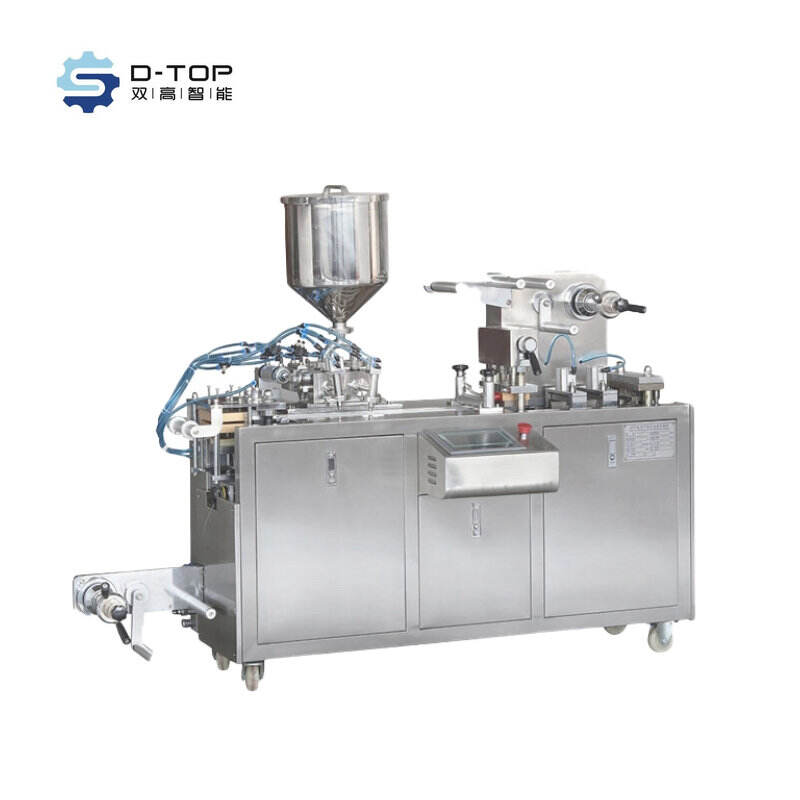
The pharmaceutical and healthcare packaging industry has witnessed remarkable technological advancement in recent decades, with automation becoming the cornerstone of modern production facilities. An automatic blister packing machine represents one of the most significant innovations in pharmaceutical packaging technology, revolutionizing how medications and healthcare products are sealed and protected. These sophisticated machines have transformed traditional manual packaging processes into streamlined, efficient operations that meet stringent quality standards while maximizing productivity. Manufacturing facilities worldwide are increasingly recognizing the transformative impact of implementing automated blister packaging solutions in their production lines.
Enhanced Production Efficiency and Speed
Streamlined Manufacturing Processes
Modern manufacturing facilities require consistent output rates to meet growing market demands, and an automatic blister packing machine delivers unparalleled speed compared to manual packaging methods. These machines can process hundreds of units per minute, significantly reducing production time while maintaining precision in every package. The automation eliminates human bottlenecks that often occur in manual packaging lines, creating a continuous flow of production that maximizes facility utilization. Advanced control systems monitor production rates in real-time, automatically adjusting speeds to optimize efficiency without compromising quality standards.
Integration with existing production infrastructure becomes seamless when facilities adopt automated blister packaging technology. The machines can synchronize with upstream and downstream processes, creating a harmonious manufacturing ecosystem that reduces waste and minimizes downtime. Quality control sensors embedded within the system continuously monitor package integrity, rejecting defective units before they proceed to the next stage. This automated quality assurance prevents costly recalls and maintains consistent product standards throughout the production cycle.
Reduced Labor Dependencies
Labor shortages and increasing wage costs present ongoing challenges for manufacturing facilities, making automation an attractive solution for sustainable operations. An automatic blister packing machine reduces dependency on manual labor while redirecting human resources toward more strategic roles within the organization. Skilled technicians can focus on machine maintenance, quality oversight, and process optimization rather than repetitive packaging tasks. This strategic reallocation of human capital enhances overall facility productivity while providing employees with more engaging and technically challenging responsibilities.
Training requirements for automated systems are often more straightforward than complex manual procedures, enabling faster onboarding of new employees. The consistent performance of automated equipment reduces variability associated with human factors such as fatigue, inconsistency, or skill variations among workers. Safety improvements also emerge as employees spend less time in direct contact with packaging materials and machinery, reducing workplace injury risks while maintaining high production standards.
Superior Quality Control and Consistency
Precision in Package Formation
Quality consistency represents a critical factor in pharmaceutical packaging, where even minor variations can compromise product integrity or regulatory compliance. An automatic blister packing machine utilizes precise forming mechanisms that create uniform blister cavities with consistent depth, shape, and wall thickness. Temperature and pressure controls maintain optimal conditions throughout the forming process, ensuring that each package meets exact specifications without deviation. Advanced monitoring systems detect irregularities immediately, automatically adjusting parameters to maintain quality standards.
The sealing process benefits from automated precision that manual methods cannot achieve consistently. Heat sealing systems maintain exact temperature profiles across the entire sealing surface, creating uniform bonds that protect contents from environmental factors. Pressure distribution remains constant throughout the sealing cycle, eliminating weak points that could lead to package failure during storage or transportation. Quality sensors verify seal integrity on every package, providing immediate feedback that enables rapid correction of any process variations.
Contamination Prevention and Sterile Operations
Pharmaceutical products require stringent contamination control throughout the packaging process, and automated systems provide superior environmental protection compared to manual operations. Enclosed packaging chambers minimize exposure to airborne contaminants while maintaining controlled atmospheric conditions. HEPA filtration systems can be integrated to ensure that air quality meets pharmaceutical-grade standards throughout the packaging cycle. The reduced human interaction inherent in automated processes significantly decreases contamination risks associated with manual handling.
Sterile packaging protocols become more manageable with automated systems that can operate within cleanroom environments without compromising efficiency. The automatic blister packing machine can be equipped with sterilization capabilities that sanitize packaging materials before forming and sealing operations. This integrated approach ensures that products remain uncontaminated from raw material handling through final package completion, meeting the most stringent regulatory requirements for pharmaceutical packaging.
Cost Reduction and Economic Benefits
Lower Operational Expenses
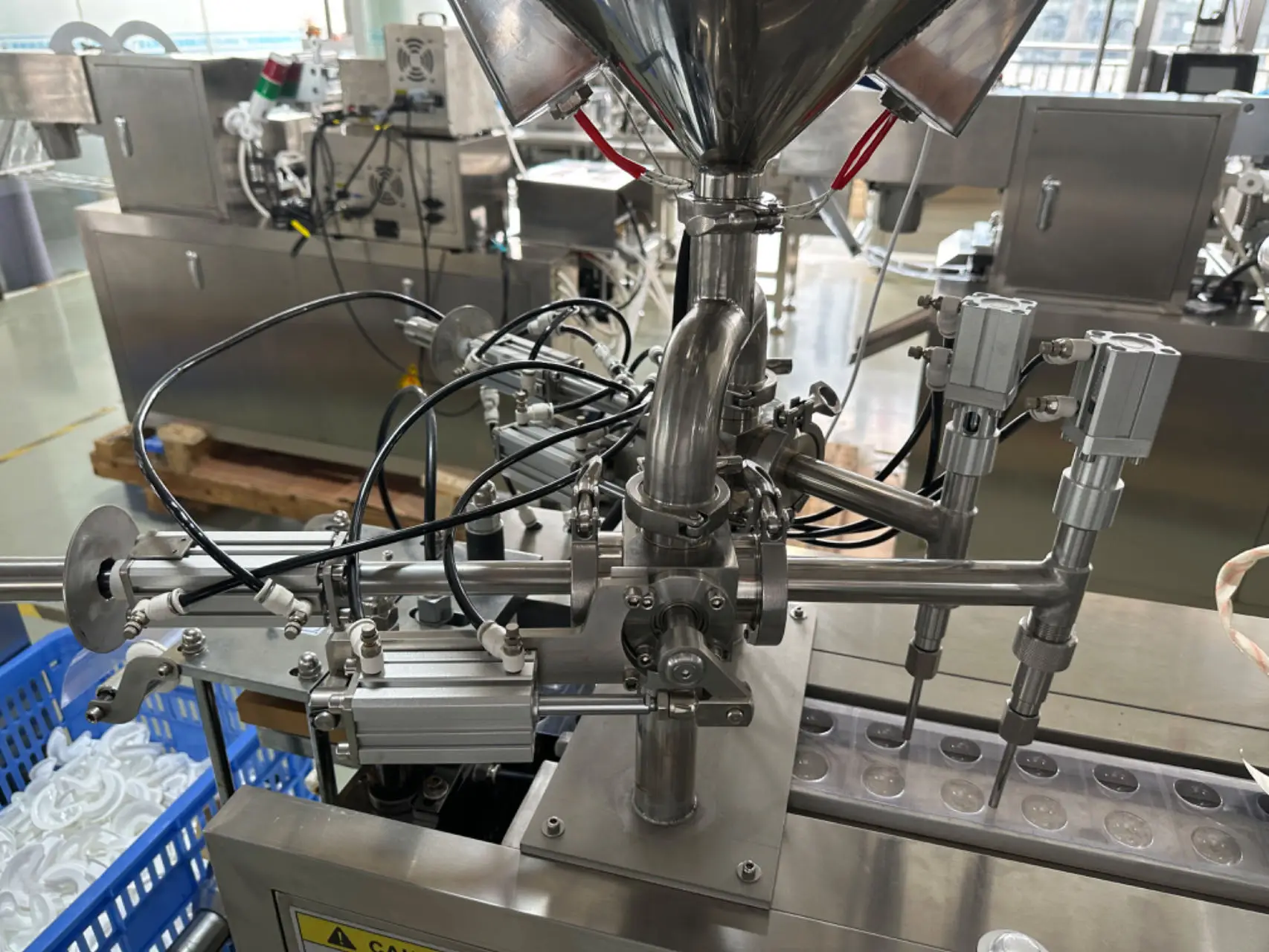
The economic advantages of implementing an automatic blister packing machine extend beyond initial productivity improvements to encompass long-term operational cost reductions. Labor costs typically represent a significant portion of packaging expenses, and automation substantially reduces these ongoing expenditures. Energy efficiency improvements result from optimized heating and cooling cycles that minimize power consumption while maintaining required processing temperatures. Material waste decreases through precise material handling that eliminates overuse of packaging films and reduces scrap generation.
Maintenance costs often prove lower than expected due to the robust construction and reliable operation of modern automated packaging equipment. Predictive maintenance capabilities enable proactive servicing that prevents costly breakdowns and extends equipment lifespan. Reduced downtime translates directly to improved facility utilization and higher return on investment. The consistent operation of automated systems also reduces quality-related costs such as rework, recalls, or customer complaints that can arise from manual packaging inconsistencies.
Scalability and Future-Proofing
Market fluctuations and changing demand patterns require flexible manufacturing capabilities that can adapt quickly to new requirements. An automatic blister packing machine provides scalability options that enable facilities to increase production capacity without proportional increases in labor or facility space. Modular design features allow for equipment upgrades and enhancements that extend machine capabilities as business needs evolve. This adaptability protects capital investments while ensuring that packaging operations remain competitive in dynamic market conditions.
Technology integration capabilities position automated packaging systems for future advancement as Industry 4.0 concepts become standard practice. Data collection and analysis features provide insights into production performance that enable continuous improvement initiatives. Remote monitoring capabilities allow for centralized oversight of multiple production lines, optimizing resource allocation and maintenance scheduling across entire facilities. These forward-looking features ensure that investments in automated packaging technology continue providing value as manufacturing practices evolve.
Regulatory Compliance and Documentation
Automated Record Keeping
Pharmaceutical manufacturing requires comprehensive documentation to meet regulatory requirements, and an automatic blister packing machine simplifies compliance through integrated data collection systems. Production parameters are automatically recorded throughout the packaging process, creating detailed batch records without manual intervention. Temperature profiles, pressure readings, seal integrity data, and timing information are captured in real-time, providing complete traceability for regulatory audits. This automated documentation reduces the risk of human error in record keeping while ensuring that all required information is accurately captured.
Electronic signatures and digital authentication features provide secure access control while maintaining audit trails that meet FDA 21 CFR Part 11 requirements. Integration with enterprise resource planning systems enables seamless data transfer to quality management systems and regulatory reporting platforms. Automated alerts notify quality personnel of any deviations from specified parameters, enabling immediate corrective action and proper documentation of any incidents. This proactive approach to compliance management reduces regulatory risk while streamlining audit preparation processes.
Validation and Qualification Support
Equipment validation represents a critical requirement for pharmaceutical packaging systems, and modern automated machines are designed with validation protocols in mind. Comprehensive documentation packages include installation qualification, operational qualification, and performance qualification protocols that streamline validation processes. Built-in diagnostic capabilities facilitate ongoing verification of system performance, ensuring continued compliance with validated parameters. Change control features document any modifications or adjustments, maintaining validation status throughout the equipment lifecycle.
Software validation becomes more straightforward with standardized automation platforms that include pre-validated modules and functions. Version control systems track software changes while maintaining validated configurations that meet regulatory requirements. User access controls ensure that only authorized personnel can modify critical parameters, maintaining system integrity and compliance status. These validation-friendly features significantly reduce the time and cost associated with bringing new packaging lines into regulatory compliance.
Environmental Sustainability and Material Efficiency
Reduced Material Waste
Environmental considerations increasingly influence manufacturing decisions, and an automatic blister packing machine contributes to sustainability goals through improved material efficiency. Precise material handling reduces waste generation by optimizing film usage and minimizing scrap production. Advanced cutting systems ensure clean, accurate cuts that maximize material utilization while maintaining package quality. Automated tension control prevents material stretching or tearing that can lead to waste and quality issues in manual operations.
Recycling capabilities for packaging materials become more feasible with automated systems that generate clean, sorted waste streams. Material tracking systems provide detailed information about consumption rates and waste generation, enabling continuous improvement in resource utilization. Energy-efficient heating systems reduce environmental impact while maintaining required processing temperatures. These sustainability benefits align with corporate environmental goals while reducing operational costs associated with material procurement and waste disposal.
Energy Optimization
Modern automated packaging equipment incorporates energy-efficient technologies that reduce overall facility power consumption. Variable frequency drives optimize motor operation based on actual load requirements, reducing energy waste during periods of lower production demand. Heat recovery systems capture and reuse thermal energy from cooling cycles, improving overall system efficiency. Insulation improvements and thermal management systems minimize heat loss while maintaining required processing temperatures throughout the packaging cycle.
Smart control systems monitor energy consumption patterns and automatically optimize operational parameters to minimize power usage. Standby modes reduce energy consumption during production breaks while enabling rapid restart when operations resume. Integration with facility energy management systems provides comprehensive monitoring and control of packaging equipment power consumption. These energy optimization features contribute to reduced operational costs while supporting corporate sustainability initiatives and environmental responsibility goals.
FAQ
What types of products can be packaged using an automatic blister packing machine
An automatic blister packing machine can accommodate a wide variety of pharmaceutical and healthcare products including tablets, capsules, medical devices, and consumer health products. The versatility of modern machines allows for different product sizes, shapes, and materials through adjustable tooling and configurable cavity formations. Special considerations for moisture-sensitive products, light-sensitive medications, and temperature-controlled items can be addressed through specialized packaging films and environmental controls. Product compatibility depends on factors such as size, weight, and packaging requirements, but most standard pharmaceutical products can be effectively processed using automated blister packaging technology.
How does maintenance of automated blister packaging equipment compare to manual systems
Maintenance requirements for an automatic blister packing machine are typically more predictable and manageable than manual packaging systems due to built-in diagnostic capabilities and preventive maintenance scheduling. Regular maintenance involves routine inspections, lubrication, and replacement of wear parts according to manufacturer specifications. Advanced monitoring systems provide early warning of potential issues, enabling proactive maintenance that prevents costly breakdowns. While initial training for maintenance personnel may be required, the long-term maintenance costs are often lower than manual systems due to reduced wear and more efficient operation.
What regulatory considerations apply to automated blister packaging operations
Regulatory compliance for an automatic blister packing machine involves validation protocols, documentation requirements, and ongoing quality management systems that meet FDA, EMA, and other relevant regulatory standards. Equipment qualification must demonstrate that the system consistently produces packages meeting predetermined specifications. Change control procedures ensure that any modifications maintain validated status and regulatory compliance. Regular calibration and performance verification activities are required to maintain qualification status throughout the equipment lifecycle.
How quickly can production facilities expect return on investment from automated packaging systems
Return on investment for an automatic blister packing machine typically occurs within 18 to 36 months depending on production volumes, labor costs, and operational efficiency improvements. Factors influencing ROI include reduced labor expenses, improved production speeds, decreased waste generation, and enhanced quality consistency. Higher production volumes generally accelerate payback periods due to greater utilization of equipment capabilities. Additional benefits such as improved regulatory compliance, reduced recalls, and enhanced product quality contribute to long-term value that may not be immediately quantifiable but significantly impact overall profitability and competitive position in the marketplace.
Table of Contents
- Enhanced Production Efficiency and Speed
- Superior Quality Control and Consistency
- Cost Reduction and Economic Benefits
- Regulatory Compliance and Documentation
- Environmental Sustainability and Material Efficiency
-
FAQ
- What types of products can be packaged using an automatic blister packing machine
- How does maintenance of automated blister packaging equipment compare to manual systems
- What regulatory considerations apply to automated blister packaging operations
- How quickly can production facilities expect return on investment from automated packaging systems