 EN
EN

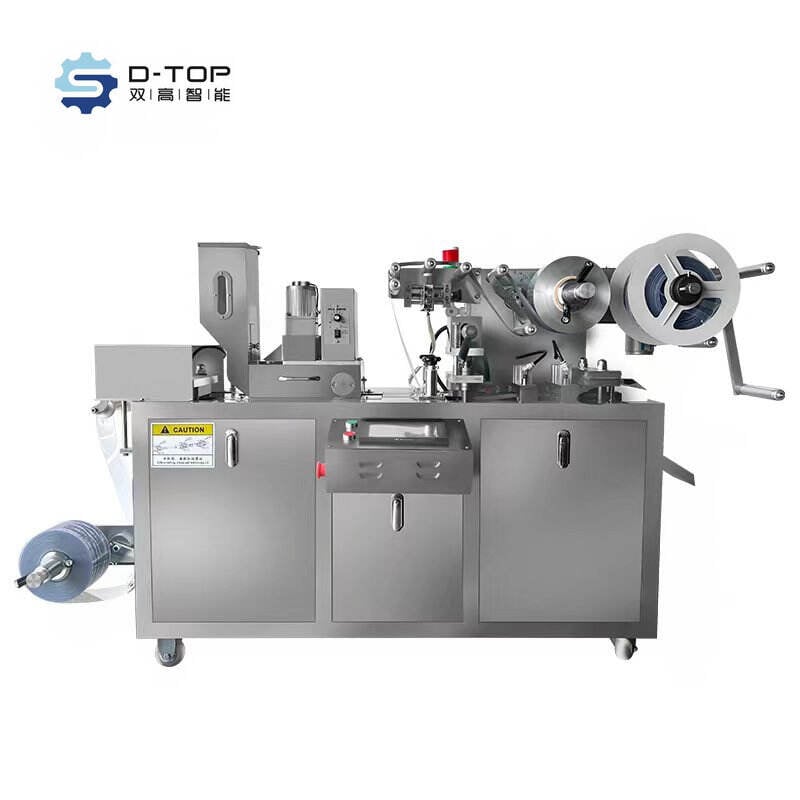
A blister pack represents one of the most essential packaging solutions in the pharmaceutical, consumer goods, and industrial sectors. This innovative packaging method combines practicality with protection, offering manufacturers a reliable way to present their products while ensuring safety and shelf life extension. The blister pack design creates a barrier between the product and external elements, making it an ideal choice for items that require individual protection or precise dosing. Understanding the fundamental principles and applications of this packaging technology helps businesses make informed decisions about their product presentation and distribution strategies.
Understanding Blister Pack Fundamentals
Definition and Basic Components
A blister pack consists of two primary elements that work together to create an effective protective barrier. The first component is a thermoformed plastic cavity, typically made from PVC, PET, or other suitable polymers, which houses the individual product. This cavity is precisely shaped to accommodate the specific dimensions and requirements of the item being packaged. The second component is a backing material, usually aluminum foil or cardboard, that seals the cavity and provides additional protection against moisture, light, and contamination.
The manufacturing process of a blister pack involves heating the plastic material until it becomes pliable, then forming it into the desired shape using specialized molds. Once the cavity is created and the product is placed inside, the backing material is heat-sealed or adhesively bonded to complete the package. This process ensures that each individual unit remains isolated and protected throughout the distribution chain, from manufacturing facility to end consumer.
Material Selection and Properties
The choice of materials for blister pack construction depends on several factors, including the nature of the packaged product, required barrier properties, and intended shelf life. PVC remains the most commonly used material for forming cavities due to its excellent clarity, formability, and cost-effectiveness. However, for products requiring enhanced barrier properties, materials like PVDC-coated PVC or cold-formed aluminum provide superior protection against moisture and oxygen transmission.
The backing material selection equally impacts the overall performance of the blister pack system. Aluminum foil offers exceptional barrier properties and tamper evidence, making it ideal for pharmaceutical applications. Paper-based backing materials provide environmental benefits and can include printed information, while maintaining adequate protection for less sensitive products. The compatibility between the cavity material and backing ensures proper sealing integrity and maintains product quality throughout the package lifecycle.
Applications Across Different Industries
Pharmaceutical and Healthcare Applications
The pharmaceutical industry represents the largest consumer of blister pack technology, utilizing this packaging method for tablets, capsules, and other solid dosage forms. This application leverages the individual unit protection that a blister pack provides, ensuring each dose remains uncontaminated until consumption. The tamper-evident nature of pharmaceutical blister packs enhances patient safety by providing clear indication of any unauthorized access or product compromise.
Healthcare professionals and patients appreciate the convenience and accuracy that blister pack packaging provides for medication management. Each individual cavity can be clearly labeled with dosing information, expiration dates, and other relevant details, reducing the risk of medication errors. The transparent nature of most blister pack materials allows for visual inspection of the contents without compromising the package integrity, enabling quality control throughout the supply chain.
Consumer Electronics and Small Components
The electronics industry extensively utilizes blister pack solutions for protecting small components, accessories, and consumer devices during retail distribution. Memory cards, USB drives, earphones, and various electronic accessories benefit from the secure positioning and visibility that this packaging format provides. The rigid structure prevents damage from impact and compression while allowing consumers to examine the product before purchase.
Retail presentation plays a crucial role in consumer electronics, and blister pack design accommodates hanging displays, shelf positioning, and theft deterrence effectively. The combination of product visibility and secure packaging makes this format ideal for high-value small items that require both protection and attractive presentation. Additionally, the individual compartmentalization prevents component mixing and ensures that all parts remain organized during transportation and storage.
Manufacturing Process and Technology
Thermoforming and Sealing Operations
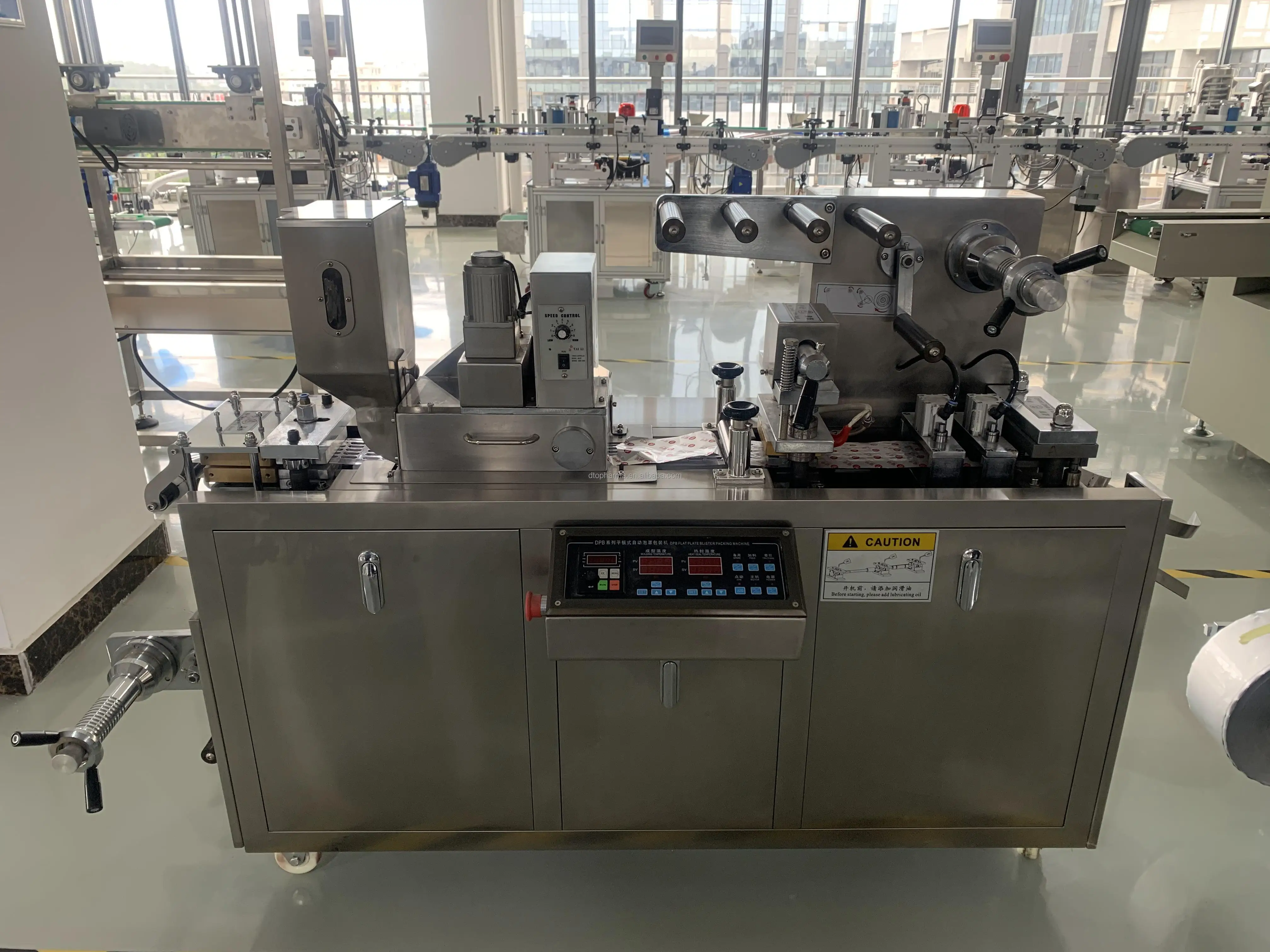
The production of a blister pack begins with the thermoforming process, where plastic sheets are heated to their softening point and then shaped using pneumatic or mechanical forming techniques. Modern blister pack manufacturing equipment can achieve precise control over temperature, pressure, and timing to ensure consistent cavity formation across large production runs. The forming process must account for material thickness variations, cooling rates, and dimensional tolerances to maintain product quality standards.
Sealing operations represent a critical phase in blister pack production, requiring precise control of temperature, pressure, and dwell time to achieve reliable hermetic seals. Heat sealing typically involves bringing the backing material into contact with the formed cavity edges under controlled conditions, creating a permanent bond that maintains package integrity. Quality control systems monitor seal strength, visual appearance, and barrier properties to ensure that each package meets specifications.
Quality Control and Testing Protocols
Manufacturing facilities implement comprehensive quality control measures to verify that each blister pack meets stringent performance requirements. Seal integrity testing evaluates the barrier properties and leak resistance of completed packages using methods such as vacuum decay testing, pressure differential measurement, and dye penetration analysis. These tests ensure that the package will maintain its protective function throughout the intended shelf life period.
Additional quality control measures include dimensional verification, material identification, and visual inspection protocols. Automated inspection systems can detect defects such as incomplete seals, material contamination, or cavity deformation at production speeds, ensuring that only acceptable packages proceed to filling operations. Statistical process control methods help manufacturers maintain consistent quality while optimizing production efficiency and minimizing waste generation.
Advantages and Benefits
Product Protection and Integrity
The primary advantage of blister pack technology lies in its ability to provide individual unit protection while maintaining product integrity throughout the distribution chain. Each cavity creates a controlled microenvironment that shields the contents from external factors such as moisture, oxygen, light, and physical damage. This protection level extends product shelf life and maintains quality attributes that could be compromised in bulk packaging formats.
Temperature fluctuations and humidity changes that occur during transportation and storage have minimal impact on products housed within properly designed blister pack systems. The barrier properties of the materials used in construction prevent degradation reactions and maintain product potency or functionality. This protection is particularly valuable for sensitive products that could lose efficacy or safety if exposed to adverse environmental conditions.
Consumer Convenience and Safety
Consumer interaction with blister pack packaging offers several advantages over traditional packaging methods. The individual unit access allows for precise portion control and reduces the risk of contamination from handling multiple units simultaneously. Each cavity can be opened independently, leaving remaining products protected within their sealed environments until needed.
The tamper-evident nature of most blister pack designs provides clear indication of product integrity and unauthorized access attempts. Consumers can easily identify compromised packages and make informed decisions about product safety. The transparency of cavity materials enables visual inspection of contents, allowing detection of physical defects or contamination before consumption or use.
Design Considerations and Customization
Cavity Sizing and Product Compatibility
Effective blister pack design requires careful consideration of product dimensions, weight, and handling characteristics to optimize protection and presentation. Cavity sizing must provide adequate clearance for product insertion while minimizing excess space that could allow movement and potential damage. The depth and wall thickness of formed cavities influence both material usage and protective properties of the final package.
Product compatibility extends beyond dimensional considerations to include chemical compatibility between packaging materials and contents. Certain products may interact with specific polymers, requiring alternative material selection or barrier coatings to prevent degradation or contamination. The selection process must balance protection requirements with cost considerations and manufacturing feasibility to achieve optimal results.
Printing and Labeling Integration
Modern blister pack production incorporates sophisticated printing and labeling capabilities that enhance product identification and consumer information delivery. Direct printing on backing materials allows for inclusion of product names, dosing instructions, expiration dates, and regulatory information without requiring additional labeling operations. This integration reduces production complexity while ensuring information accuracy and durability.
Color coding and visual design elements can be incorporated into the blister pack structure to facilitate product identification and brand recognition. Different colored backing materials or printed patterns help consumers and healthcare professionals quickly identify specific products within product lines. The visual design possibilities extend to security features and anti-counterfeiting measures that protect brand integrity and consumer safety.
Environmental Considerations
Material Selection and Sustainability
Environmental consciousness in blister pack design involves careful evaluation of material selection, manufacturing processes, and end-of-life disposal options. Recyclable materials such as PET and aluminum offer environmental advantages over traditional PVC formulations, though performance characteristics must be maintained to ensure adequate product protection. The development of bio-based polymers and compostable materials presents opportunities for reducing environmental impact while maintaining packaging functionality.
Material thickness optimization represents another approach to environmental responsibility in blister pack design. Advanced barrier coatings and material engineering allow for reduced material usage without compromising protection properties. This optimization reduces raw material consumption, transportation costs, and waste generation while maintaining the essential protective functions of the package.
Recycling and Waste Management
The multi-material construction of traditional blister pack systems presents challenges for recycling and waste management programs. Separation of plastic cavities from aluminum backing requires specialized processing equipment and techniques that may not be available in all recycling facilities. Industry initiatives focus on developing separation technologies and establishing collection programs that can handle these complex packaging formats effectively.
Alternative approaches to waste reduction include the development of mono-material blister pack designs that eliminate the need for dissimilar material separation during recycling. These systems utilize compatible polymers for both cavity formation and backing materials, simplifying the recycling process while maintaining necessary barrier and sealing properties. Consumer education programs help ensure proper disposal and maximize recycling effectiveness.
Future Developments and Innovations
Smart Packaging Integration
Emerging technologies are transforming traditional blister pack applications through integration of smart packaging features and digital connectivity. RFID tags and NFC chips embedded within backing materials enable inventory tracking, authentication verification, and consumer interaction capabilities. These technologies provide valuable data about product distribution, usage patterns, and potential counterfeiting attempts while maintaining the core protective functions of the package.
Temperature-sensitive indicators and time-based color changes can be incorporated into blister pack materials to provide real-time information about product exposure conditions. These indicators help consumers and healthcare providers assess product integrity and make informed decisions about usage or disposal. The integration of such features requires careful consideration of manufacturing processes and cost implications to achieve widespread adoption.
Advanced Materials and Manufacturing
Research and development efforts continue to expand the capabilities of blister pack technology through advanced material formulations and manufacturing techniques. Nanocomposite materials offer enhanced barrier properties while reducing material thickness requirements, improving both protection and sustainability characteristics. These materials can provide specialized functions such as antimicrobial properties, UV protection, or controlled release characteristics.
Manufacturing automation and process control improvements enable greater precision and efficiency in blister pack production. Advanced forming techniques, improved sealing methods, and real-time quality monitoring systems reduce defect rates and optimize material utilization. These developments support the growing demand for customized packaging solutions while maintaining cost-effectiveness and production scalability.
FAQ
What materials are commonly used in blister pack construction
Blister pack construction typically utilizes PVC, PET, or PETG for cavity formation due to their excellent thermoforming properties and clarity. The backing materials commonly include aluminum foil for pharmaceutical applications, providing superior barrier properties and tamper evidence. Paper-based backing materials are used for consumer products where environmental considerations and printing requirements are prioritized over maximum barrier protection.
How does blister pack packaging extend product shelf life
The barrier properties of blister pack materials prevent moisture, oxygen, and light from reaching the packaged product, significantly slowing degradation reactions that reduce product quality or potency. Each individual cavity creates a controlled environment that maintains optimal conditions for the contents, while the sealed backing prevents contamination from external sources. This protection is particularly effective for products sensitive to environmental factors.
What industries benefit most from blister pack technology
The pharmaceutical industry represents the largest user of blister pack technology, utilizing it for tablets, capsules, and other solid dosage forms where individual unit protection and tamper evidence are critical. Consumer electronics, small hardware components, and personal care products also benefit significantly from the protection and presentation advantages that this packaging format provides. Food products requiring portion control and extended shelf life increasingly adopt blister pack solutions.
Are blister packs environmentally friendly and recyclable
Traditional blister pack recycling faces challenges due to the multi-material construction combining different polymers with aluminum backing. However, newer designs utilizing mono-material approaches and recyclable polymers like PET improve recyclability significantly. Many manufacturers are developing bio-based and compostable alternatives while maintaining necessary barrier and protection properties, though widespread adoption requires continued technological advancement and infrastructure development.