 EN
EN

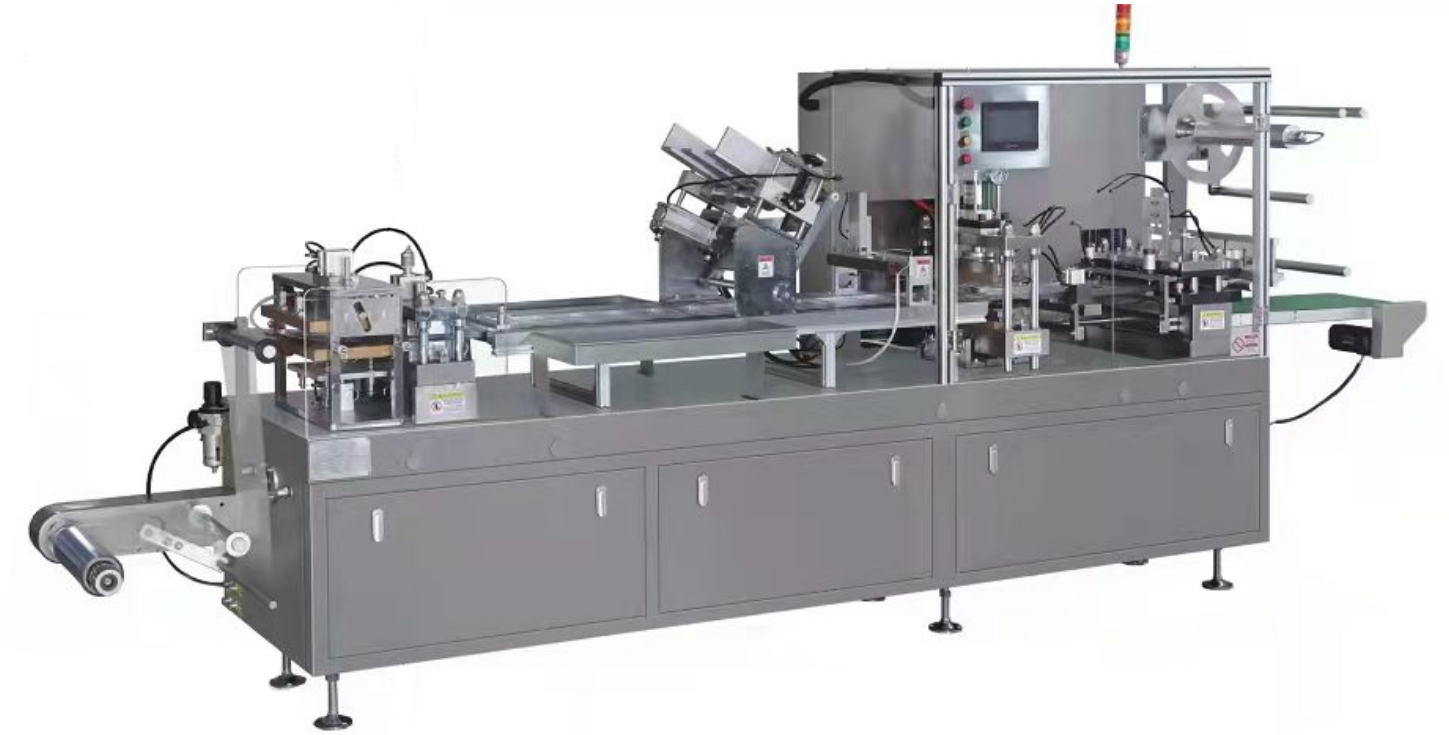
The pharmaceutical industry demands precision, efficiency, and uncompromising quality in every aspect of production. Modern pharmaceutical manufacturers increasingly recognize that investing in advanced packaging technology represents a critical competitive advantage. An automatic blister packing machine serves as the cornerstone of contemporary pharmaceutical packaging operations, delivering superior product protection while meeting stringent regulatory requirements. This sophisticated equipment transforms how medications reach consumers, ensuring safety, extending shelf life, and maintaining therapeutic efficacy throughout the entire supply chain.
Enhanced Product Protection and Shelf Life
Superior Barrier Properties
Automatic blister packaging technology creates an exceptional barrier against environmental factors that compromise pharmaceutical integrity. The precisely controlled sealing process forms airtight cavities that protect medications from moisture, oxygen, and light exposure. Each blister cavity acts as an individual protective environment, maintaining optimal conditions for active pharmaceutical ingredients. This level of protection significantly exceeds traditional packaging methods, particularly for moisture-sensitive formulations that degrade rapidly when exposed to humidity.
The multi-layer materials used in automatic blister packing systems combine aluminum foil backing with specialized polymer films. This combination creates a hermetic seal that prevents gas transmission and maintains product stability throughout extended storage periods. Temperature fluctuations during transportation and storage pose minimal risk to properly blister-packed pharmaceuticals. The automatic blister packing machine ensures consistent seal integrity across thousands of units, eliminating the variability associated with manual packaging processes.
Extended Pharmaceutical Stability
Pharmaceutical stability testing consistently demonstrates superior performance for blister-packed medications compared to bottle packaging alternatives. The individual compartmentalization prevents cross-contamination between doses and eliminates exposure to ambient air each time the package opens. Active ingredients maintain their potency significantly longer when protected within properly sealed blister cavities. This extended stability translates directly into improved patient outcomes and reduced medication waste due to premature expiration.
Research indicates that certain pharmaceutical compounds retain therapeutic efficacy up to 40% longer when packaged using advanced automatic blister packing technology. The elimination of headspace air within each cavity prevents oxidation reactions that degrade sensitive compounds. Photosensitive medications benefit particularly from the opaque backing materials that block harmful UV radiation. These protective advantages become increasingly important as pharmaceutical formulations become more complex and contain higher concentrations of active ingredients.
Operational Efficiency and Cost Effectiveness
Streamlined Production Workflows
Modern pharmaceutical manufacturing facilities require packaging solutions that seamlessly integrate with existing production lines while maximizing throughput capacity. The automatic blister packing machine represents a paradigm shift from labor-intensive manual processes to fully automated systems that operate with minimal human intervention. Production managers consistently report significant improvements in overall equipment effectiveness when transitioning to automated blister packaging systems. These machines operate continuously for extended periods, maintaining consistent output rates that far exceed manual packaging capabilities.
Integration capabilities allow automatic blister packing equipment to connect directly with upstream tablet compression and coating operations. This seamless workflow eliminates intermediate handling steps that introduce contamination risks and production delays. Real-time monitoring systems provide instant feedback on packaging parameters, enabling immediate adjustments to maintain optimal performance. The reduced need for manual intervention minimizes workplace injuries and repetitive strain disorders commonly associated with traditional packaging operations.
Significant Labor Cost Reduction
Labor costs represent a substantial portion of pharmaceutical packaging expenses, particularly in markets with high minimum wage requirements. Automatic blister packing systems dramatically reduce staffing requirements while simultaneously improving packaging quality and consistency. A single operator can oversee multiple packaging lines, compared to the numerous workers required for manual blister sealing operations. This labor efficiency translates into substantial annual savings that quickly justify the initial equipment investment.
Training requirements for automatic blister packing machine operators are significantly less extensive than those for manual packaging personnel. Standardized operating procedures reduce the learning curve and minimize the risk of human error. Employee retention improves when workers transition from repetitive manual tasks to skilled machine operation roles. The reduction in physical demands creates a safer working environment and decreases workers' compensation claims related to repetitive motion injuries.
Regulatory Compliance and Quality Assurance
FDA and International Standards Adherence
Pharmaceutical manufacturers must navigate increasingly complex regulatory landscapes while maintaining compliance with multiple international standards. Automatic blister packing systems incorporate advanced documentation and traceability features that simplify regulatory compliance efforts. Each packaging operation generates detailed electronic records that satisfy FDA Current Good Manufacturing Practice requirements. The consistent processing parameters achieved through automation eliminate many variables that regulatory inspectors scrutinize during facility audits.
Validation protocols for automatic blister packing equipment follow established pharmaceutical industry guidelines, ensuring robust documentation of system performance. Installation qualification, operational qualification, and performance qualification studies demonstrate that the equipment consistently meets predetermined specifications. Change control procedures maintain validation status when modifications occur to packaging parameters or materials. The comprehensive documentation package supports regulatory submissions and inspections across global markets.
Comprehensive Quality Control Integration
Quality assurance personnel benefit from the enhanced monitoring capabilities built into modern automatic blister packing systems. In-process inspection stations automatically detect and reject defective packages before they reach final packaging stages. Vision systems verify proper tablet placement, seal integrity, and foil positioning with accuracy levels impossible to achieve through manual inspection. Statistical process control data collection enables trending analysis that identifies potential quality issues before they impact product release.
The automatic blister packing machine incorporates multiple quality checkpoints throughout the packaging process, from initial tablet feeding through final seal verification. Reject systems automatically remove non-conforming packages without disrupting the overall production flow. Electronic batch records provide complete traceability for each lot produced, supporting investigation efforts when quality issues arise. This comprehensive quality approach significantly reduces the risk of product recalls and regulatory enforcement actions.
Versatility and Scalability Benefits
Multi-Product Packaging Capabilities
Pharmaceutical manufacturers increasingly require packaging equipment that accommodates diverse product portfolios without extensive reconfiguration efforts. Advanced automatic blister packing systems feature modular designs that adapt quickly to different tablet sizes, shapes, and packaging configurations. Changeover procedures between products typically require less than thirty minutes, minimizing production downtime and maximizing equipment utilization. This flexibility enables smaller manufacturers to economically package multiple product lines using a single packaging system.
Format changeover kits allow the same automatic blister packing machine to handle various cavity configurations, from standard round tablets to complex capsule shapes. Recipe management systems store packaging parameters for each product, enabling rapid setup for repeat production runs. The ability to package both immediate-release and sustained-release formulations using identical equipment provides significant operational advantages. Contract manufacturers particularly benefit from this versatility when serving multiple clients with different packaging requirements.
Future-Ready Scalability Options
Business growth requires packaging solutions that scale effectively without requiring complete equipment replacement. Modular automatic blister packing systems accommodate capacity increases through additional processing modules rather than entirely new installations. This scalability approach provides superior return on investment compared to traditional packaging equipment that becomes obsolete as production volumes increase. Manufacturers can phase equipment investments to match business growth patterns while maintaining operational continuity.
Technology upgrade paths ensure that automatic blister packing equipment remains current with evolving industry standards and regulatory requirements. Software updates introduce new features and capabilities without hardware modifications. Retrofit options enable the integration of emerging technologies such as artificial intelligence-based quality control systems. This forward compatibility protects equipment investments while ensuring continued competitiveness in rapidly evolving pharmaceutical markets.
Environmental and Sustainability Considerations
Reduced Material Waste
Environmental responsibility increasingly influences pharmaceutical packaging decisions as companies pursue sustainability initiatives and reduce carbon footprints. Automatic blister packing technology minimizes material waste through precise cutting and forming operations that maximize packaging efficiency. The elimination of secondary packaging often required with bottle systems reduces overall material consumption. Accurate dose counting prevents overpacking while maintaining required tablet counts, further reducing material usage.
Advanced automatic blister packing systems incorporate waste reduction features such as scrap material recycling and edge trim reprocessing. Real-time monitoring systems optimize material usage by adjusting parameters to minimize waste generation. The compact package design reduces transportation volume requirements, decreasing fuel consumption and emissions associated with distribution. These environmental benefits align with corporate sustainability goals while providing measurable cost savings.
Energy Efficiency Improvements
Modern automatic blister packing machines incorporate energy-efficient components that significantly reduce power consumption compared to older packaging technologies. Variable frequency drives optimize motor performance based on actual production requirements rather than running at constant maximum capacity. Heat recovery systems capture waste thermal energy from sealing operations and redirect it to other manufacturing processes. These efficiency improvements reduce operating costs while supporting corporate environmental commitments.
Standby mode capabilities automatically reduce power consumption during production breaks and changeover periods. Energy monitoring systems provide detailed consumption data that enables optimization of production schedules to minimize peak demand charges. The integration of renewable energy sources becomes more feasible when packaging equipment operates with predictable, efficient power consumption patterns. These features position pharmaceutical manufacturers as environmental leaders while reducing long-term operational expenses.
FAQ
What maintenance requirements should be expected for automatic blister packing equipment?
Regular maintenance for automatic blister packing machines typically includes daily cleaning procedures, weekly lubrication of mechanical components, and monthly inspection of sealing elements. Most manufacturers recommend quarterly professional service visits to perform comprehensive system checks and calibration verification. Preventive maintenance schedules significantly extend equipment lifespan while maintaining optimal performance levels. Maintenance costs generally represent less than 5% of annual operating expenses when proper procedures are followed consistently.
How does automatic blister packing compare to traditional bottle packaging in terms of patient compliance?
Clinical studies demonstrate that blister packaging improves patient medication compliance by approximately 15-20% compared to traditional bottle packaging. The visual reminder of missing doses helps patients maintain prescribed dosing schedules more effectively. Individual dose protection prevents medication degradation that can occur in multi-dose bottles. Elderly patients particularly benefit from the ease of accessing individual doses without handling entire medication bottles.
What training is required for operators of automatic blister packing systems?
Operator training for automatic blister packing equipment typically requires 2-3 weeks of comprehensive instruction covering machine operation, quality control procedures, and basic troubleshooting. Most equipment manufacturers provide structured training programs that include both classroom instruction and hands-on equipment operation. Ongoing certification programs ensure operators maintain current knowledge of best practices and regulatory requirements. Cross-training multiple operators provides operational flexibility and reduces dependence on individual personnel.
Can automatic blister packing machines handle specialty pharmaceutical products like probiotics or moisture-sensitive formulations?
Modern automatic blister packing systems excel at packaging moisture-sensitive and specialty pharmaceutical products through controlled atmosphere packaging capabilities. Nitrogen flushing systems remove oxygen and moisture from blister cavities before sealing, creating optimal conditions for sensitive formulations. Temperature and humidity controls maintain precise environmental conditions throughout the packaging process. Specialized barrier films provide enhanced protection for products requiring extended stability under challenging storage conditions.
Table of Contents
- Enhanced Product Protection and Shelf Life
- Operational Efficiency and Cost Effectiveness
- Regulatory Compliance and Quality Assurance
- Versatility and Scalability Benefits
- Environmental and Sustainability Considerations
-
FAQ
- What maintenance requirements should be expected for automatic blister packing equipment?
- How does automatic blister packing compare to traditional bottle packaging in terms of patient compliance?
- What training is required for operators of automatic blister packing systems?
- Can automatic blister packing machines handle specialty pharmaceutical products like probiotics or moisture-sensitive formulations?