 EN
EN

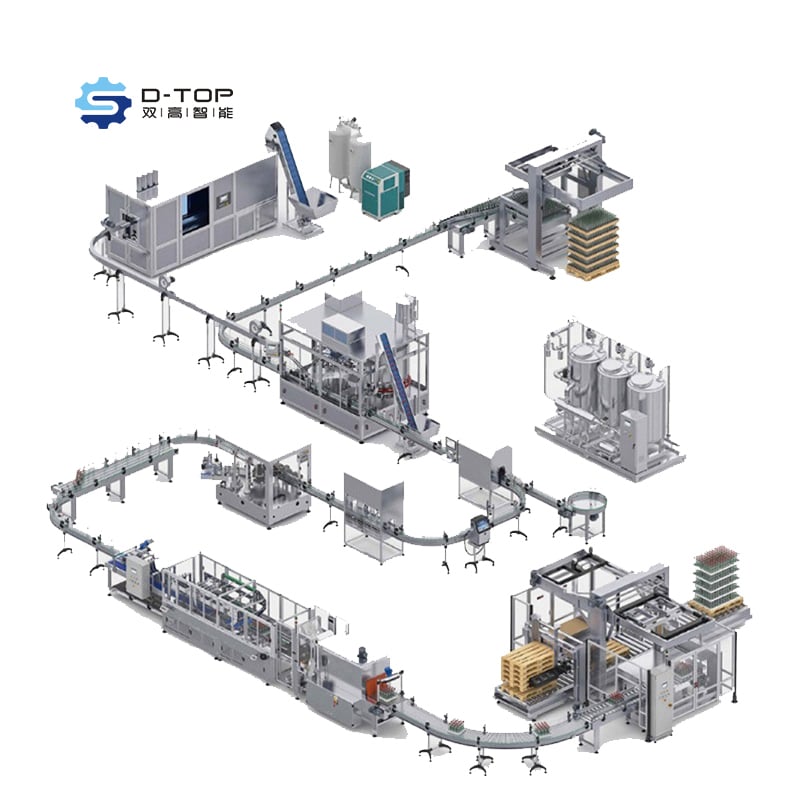
Manufacturing industries across the globe rely on precision filling operations to maintain product quality and operational efficiency. Modern bottling line machine systems have revolutionized how companies approach liquid filling processes, delivering unprecedented accuracy levels that were previously unattainable with manual operations. These sophisticated automated systems combine advanced sensors, programmable logic controllers, and precision mechanical components to ensure consistent fill volumes across thousands of containers per hour.
The fundamental challenge in liquid filling operations involves maintaining consistent volume accuracy while operating at high production speeds. Traditional manual filling methods often result in significant volume variations, leading to product waste, regulatory compliance issues, and customer dissatisfaction. A well-designed bottling line machine addresses these challenges through multiple integrated technologies that work in harmony to deliver precise filling results.
Advanced Sensor Technology Integration
Modern bottling line machine mainly achieve the accuracy of filling volume through three core technologies: volumetric type, flowmeter type and weighing type combined with liquid level positioning.
Volumetric type: Use servo motor to push the piston and strictly control the stroke distance of the piston. When the stroke is fixed, the volume of the cavity is fixed. Fill quickly, but is susceptible to temperature and air bubbles.
Flow meter type: Install a flow meter in the filling pipeline to monitor the total amount of liquid flowing through in real time, and stop filling after reaching the set value. High precision, can place liquid splash or spill.
Weighing type: The core component is a load cell, and a high-precision weighing module is placed under the filling head to monitor the increased weight of the bottle in real time. The accuracy is extremely high but the filling speed is relatively slow.
Which control method to choose depends mainly on the accuracy requirements, fluid characteristics, production speed and cost budget.
Pursuing the ultimate precision: Weighing type is preferred.
Balancing speed and accuracy: The mass flowmeter is a good balance.
High-speed, mass production: Volumetric type has the advantage of speed.
Pursuing uniform product appearance: Liquid level positioning is the best choice.
Programmable Control Systems
Recipe Management Capabilities
Contemporary bottling line machine systems feature sophisticated recipe management capabilities that store precise filling parameters for different products and container types. These programmable systems maintain detailed databases containing optimal fill volumes, flow profiles, timing sequences, and valve closing tolerances for each product configuration. Operators can quickly switch between different recipes without manual mechanical recalibration, ensuring consistent accuracy across diverse product lines.
The recipe management system integrates with line control architectures to automatically identify container types and select appropriate filling parameters. This automation eliminates human error in parameter selection while ensuring that each product receives the correct fill volume according to predetermined specifications. The system maintains detailed logs of all recipe changes and filling operations for quality assurance and regulatory compliance purposes.
Advanced recipe management also includes automatic adjustment capabilities that compensate for environmental factors such as ambient temperature changes that might affect liquid density. The bottling line machine continuously monitors these variables and makes micro-adjustments to the volumetric or mass calculations to maintain filling accuracy throughout production runs.
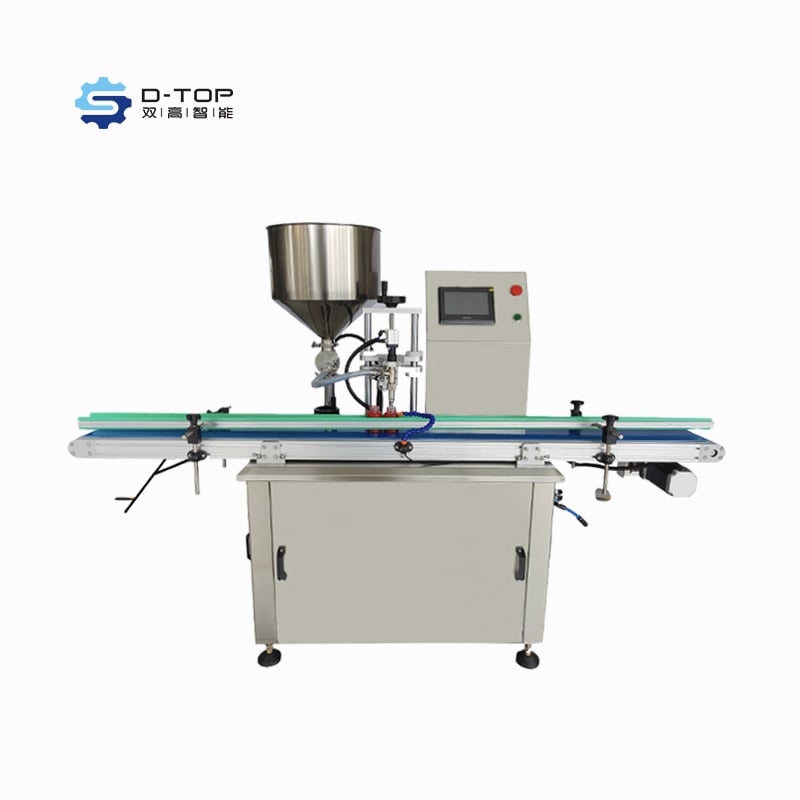
Real-Time Process Control
Real-time process control systems represent the central nervous system of modern bottling line machine operations. These systems continuously collect data from multiple sensors, analyze performance metrics, and make instantaneous adjustments to maintain optimal filling accuracy. The control algorithms process thousands of data points per second, identifying trends and anomalies that might affect filling precision.
Statistical process control algorithms within the system track filling accuracy over time, identifying gradual shifts in performance—such as valve wear or temperature drift—before they impact product quality. This predictive approach enables proactive maintenance scheduling and parameter adjustments that maintain consistent accuracy levels throughout extended production runs.
The integration of artificial intelligence and machine learning capabilities enhances the bottling line machine's ability to adapt to changing conditions and optimize performance automatically. These systems learn from historical data to improve accuracy predictions and develop more effective fluid control strategies over time.
Mechanical Precision Components
Servo-Driven Filling Systems
Servo-driven filling systems provide the mechanical foundation for achieving exceptional accuracy in bottling line machine operations. These systems utilize high-precision servo motors coupled with positive displacement piston pumps or rotary valves to deliver exact volumes with minimal variation between cycles. The servo motors provide precise velocity and positioning control that ensures consistent pump displacement and bottom-up filling profiles regardless of operating speed.
The mechanical design of servo-driven systems incorporates precision-machined, sanitary components with tight tolerances that minimize internal slippage and ensure repeatable performance. High-quality, food-grade seals and gaskets prevent product leakage while maintaining consistent volumetric displacement throughout millions of filling cycles.
Advanced servo controllers integrate with the bottling line machine's main control system to provide synchronized operation across multi-nozzle filling carousels or inline grids. This coordination ensures uniform filling speeds and volumes across all nozzles while maintaining the flexibility to adjust individual nozzle offsets when necessary.
Precision Valve Technology
Modern precision valve technology plays a crucial role in achieving superior filling accuracy within bottling line machine systems. These filling valves feature rapid opening and sharp, drip-free closing mechanisms that provide precise control over filling cut-off points. The valve design incorporates sanitary internal geometries with minimal dead space that reduce product shear and prevent dripping between containers.
Pneumatically or servo-actuated valves offer rapid response times measured in milliseconds, which enable precise control over filling durations, particularly important when processing low-viscosity liquids or operating at high speeds. The valve actuators integrate with position feedback sensors that confirm valve status and provide diagnostic information about seal wear.
Self-cleaning valve designs minimize maintenance requirements while ensuring consistent performance over extended operating periods. These bottling line machine valves incorporate sanitary design principles (such as CIP/SIP compatibility) that facilitate thorough cleaning and sterilization between production runs, maintaining product quality and regulatory compliance.
Quality Assurance Integration
Statistical Process Monitoring
Integrated statistical process monitoring systems continuously track filling accuracy performance and provide real-time quality assurance data. These systems calculate statistical metrics including mean fill weights, standard deviations, and process capability indices that demonstrate the bottling line machine's performance relative to specification requirements.
The monitoring systems generate control charts that visualize filling accuracy trends over time, enabling operators to identify potential issues before they impact product quality. Automated alerts notify operators when statistical parameters exceed predetermined control limits, prompting immediate corrective actions.
Historical data analysis capabilities enable continuous improvement initiatives by identifying patterns and correlations—such as container batch variances or line pressure drops—that might not be apparent during normal operations. This analytical approach helps optimize bottling line machine parameters for maximum accuracy and efficiency.
Automated Rejection Systems
Sophisticated automated rejection systems integrate with filling accuracy monitoring to remove non-conforming containers from the production line automatically. These systems utilize high-speed inline checkweighers or vision level inspectors immediately after filling operations, comparing actual weights or fluid heights against predetermined acceptance criteria.
The rejection systems incorporate gentle handling mechanisms, such as pneumatic pushers or starwheel diverters, that remove under-filled or over-filled containers without disrupting normal production flow or causing liquid to spill from open containers. Rejected containers are diverted to separate collection areas where they can be evaluated for root cause analysis and potential rework.
Integration with data management systems ensures that rejection events are recorded with detailed timestamps and associated nozzle numbers, enabling thorough investigation of accuracy deviations and immediate troubleshooting of the specific filling valve at fault.
Environmental Compensation Systems
Temperature Control Integration
Temperature variations significantly impact liquid viscosity and density, directly affecting volumetric filling accuracy in bottling line machine operations. Advanced thermal control systems monitor product temperature throughout the filling process and automatically adjust filling parameters to compensate for temperature-induced volume changes.
Jacketed product tanks and temperature-controlled filling manifolds maintain consistent liquid properties that enable more predictable filling behavior, especially in hot-fill (like juices) or cold-fill (like dairy) applications. The temperature control systems integrate with the main bottling line machine controller to provide coordinated temperature and filling parameter management.
Mass-based filling calculations or thermal expansion algorithms account for liquid density changes due to temperature variations, ensuring that the actual mass of the product remains accurate and compliant with net-weight regulations even when ambient or product temperatures drift.
Pressure Stabilization
Consistent system pressure represents another critical factor in maintaining filling accuracy within bottling line machine operations. Pressure stabilization systems utilize accumulator tanks, pressure regulators, and automated pressure monitoring to maintain stable operating pressures throughout the filling process.
The pressure control systems compensate for variations in supply pressure, product viscosity, and container back-pressure that might otherwise affect filling accuracy. Rapid pressure adjustment capabilities ensure that filling parameters remain consistent even during production speed changes or product changeovers.
Integration with vacuum systems enables precise control over container evacuation and filling processes, particularly important when processing carbonated beverages or other pressure-sensitive products that require specialized handling techniques.
FAQ
What level of filling accuracy can modern bottling line machines achieve?
Modern bottling line machine systems typically achieve filling accuracies within ±0.2% to ±0.5% of target volume, depending on product characteristics and container specifications. High-end systems processing low-viscosity liquids into rigid containers can achieve even tighter tolerances of ±0.1% or better. The actual accuracy depends on factors including liquid viscosity, container geometry, filling speed, and environmental conditions.
How does filling speed affect accuracy in bottling line machines?
Filling speed can impact accuracy in bottling line machine operations, but modern systems incorporate compensation algorithms that maintain precision across varying production rates. Higher speeds may introduce dynamic effects such as foam generation or incomplete container settling that can affect accuracy. However, properly designed systems optimize filling profiles and timing sequences to minimize speed-related accuracy variations while maintaining high throughput rates.
What maintenance requirements are necessary to maintain filling accuracy?
Maintaining filling accuracy in bottling line machine systems requires regular calibration of sensors and flow meters, periodic replacement of wear components such as seals and gaskets, and routine cleaning of precision valves and pumps. Most systems incorporate predictive maintenance capabilities that monitor component performance and schedule maintenance activities before accuracy degradation occurs. Typical maintenance intervals range from weekly sensor calibrations to annual precision component replacements.
How do bottling line machines handle different product viscosities?
Advanced bottling line machine systems automatically adjust filling parameters based on product viscosity characteristics stored in recipe databases. The systems modify pump speeds, valve timing, and pressure settings to accommodate viscosity variations while maintaining target fill volumes. Viscosity sensors can provide real-time feedback that enables dynamic parameter adjustments during production, ensuring consistent accuracy across different product formulations and temperature conditions.