 EN
EN

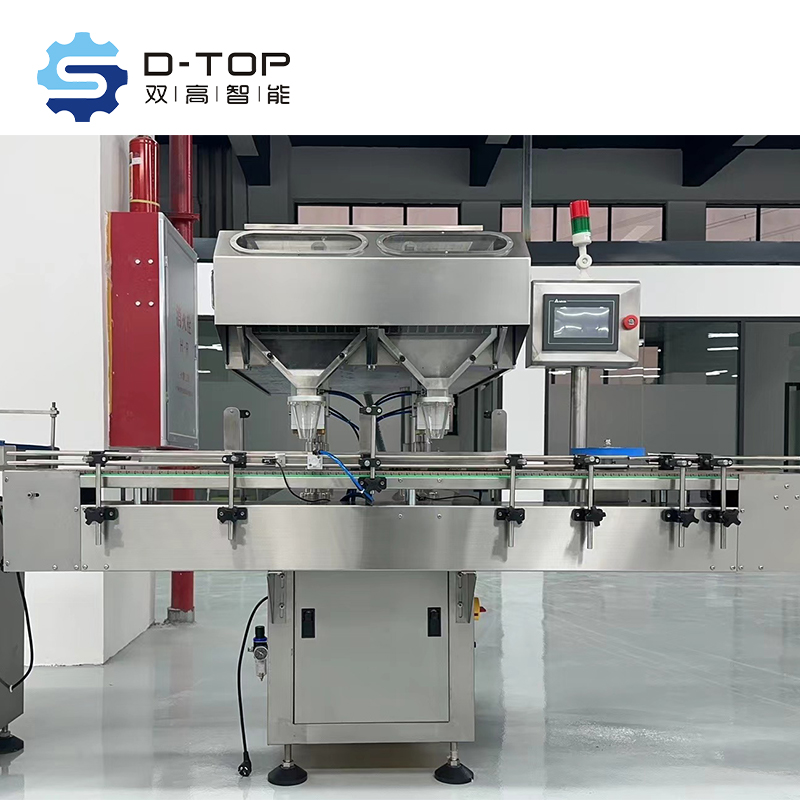
Manufacturing pharmaceutical tablets, nutraceuticals, and industrial compressed products at scale requires precision equipment capable of handling massive production volumes while maintaining consistent quality standards. The tablet press machine stands as the cornerstone of modern pharmaceutical manufacturing, transforming raw powder materials into uniform, precisely dosed tablets through advanced compression technology. This sophisticated equipment has revolutionized how companies approach large-scale production, offering unprecedented efficiency, reliability, and quality control that traditional manufacturing methods simply cannot match.
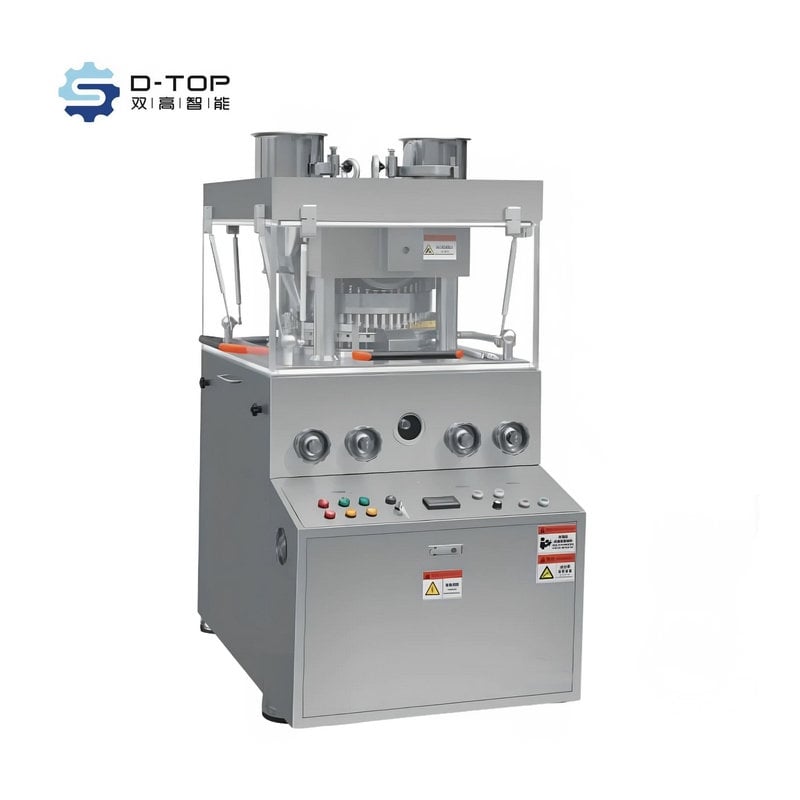
Fundamental Role in Modern Manufacturing Operations
Production Volume Requirements
Large-scale pharmaceutical manufacturing demands equipment capable of producing millions of tablets daily while maintaining strict quality parameters. Modern tablet press machines deliver production rates ranging from 100,000 to over 1 million tablets per hour, depending on the specific model and configuration. This high-volume capability enables manufacturers to meet market demands efficiently while reducing per-unit production costs through economies of scale. The continuous operation design allows for 24/7 production cycles with minimal downtime for maintenance or changeovers.
Advanced feeding systems ensure consistent material flow to compression stations, eliminating production interruptions caused by material shortages or irregular powder distribution. Multi-station rotary designs multiply production capacity by operating multiple compression points simultaneously, creating a continuous tablet formation process. This parallel processing approach significantly increases throughput compared to single-punch alternatives while maintaining uniform tablet characteristics across all production stations.
Quality Consistency Standards
Regulatory compliance in pharmaceutical manufacturing requires every tablet to meet precise specifications for weight, hardness, thickness, and dissolution properties. Industrial tablet pressing equipment incorporates sophisticated control systems that monitor and adjust compression parameters in real-time, ensuring each tablet meets predetermined quality standards. Weight variation control systems automatically adjust fill depths to maintain consistent tablet mass within narrow tolerance ranges, typically achieving variations of less than 2% from target weights.
Force monitoring systems continuously track compression forces applied to each tablet, detecting variations that could indicate powder flow issues, tooling wear, or material property changes. These systems provide immediate feedback to operators and can automatically adjust parameters or halt production when quality parameters exceed acceptable limits. Such precision control mechanisms ensure product consistency across entire production batches, meeting stringent regulatory requirements while minimizing waste and rework.
Economic Advantages in Large-Scale Operations
Cost Efficiency Through Automation
Automated tablet compression systems dramatically reduce labor costs associated with large-scale production by minimizing manual intervention requirements throughout the manufacturing process. Modern machines feature integrated control systems that manage material feeding, compression parameters, quality monitoring, and tablet discharge operations without constant operator oversight. This automation reduces staffing requirements while improving operational consistency and reducing human error potential.
Energy efficiency improvements in contemporary tablet press designs reduce operational costs through optimized motor systems, variable frequency drives, and intelligent power management features. These systems consume significantly less energy per tablet produced compared to older equipment, contributing to substantial cost savings over extended production runs. Predictive maintenance capabilities further reduce operational costs by identifying potential issues before they cause production interruptions or equipment damage.
Material Utilization Optimization
Advanced powder feeding mechanisms minimize material waste through precise volumetric control and automated weight monitoring systems. These features ensure optimal material utilization by reducing overfilling, spillage, and rejected tablets due to weight variations. Integrated dust collection systems capture and recycle powder that would otherwise be lost during the compression process, further improving material efficiency and reducing raw material costs.
Changeover efficiency improvements allow manufacturers to switch between different products quickly, reducing downtime and maximizing equipment utilization rates. Modern tablet press machine designs feature quick-change tooling systems and automated cleaning protocols that minimize transition times between production runs. This flexibility enables manufacturers to respond rapidly to market demands while maintaining efficient production schedules across multiple product lines.
Technical Capabilities and Performance Features
Compression Technology Advancements
Contemporary tablet pressing technology incorporates servo-driven compression systems that provide precise control over compression forces, dwell times, and tablet ejection parameters. These systems offer superior repeatability compared to mechanical cam-driven alternatives, ensuring consistent tablet properties across extended production runs. Variable compression profiles allow manufacturers to optimize tablet formation for different materials, accommodating challenging formulations that require specific compression characteristics.
Pre-compression capabilities enable proper powder consolidation before final compression, reducing tablet defects such as capping, lamination, and weight variation issues. Dual-compression technology applies controlled pre-compression forces that eliminate air pockets and ensure uniform powder distribution within the die cavity. This approach significantly improves tablet quality while reducing rejection rates and material waste in large-scale production environments.
Control System Integration
Sophisticated human-machine interfaces provide operators with comprehensive control over all compression parameters while offering real-time monitoring of production metrics and quality indicators. Touch-screen control panels display critical information including production rates, compression forces, tablet weights, and system status updates. Recipe management systems store optimal parameter settings for different products, enabling rapid changeovers and consistent production across multiple shifts.
Data logging capabilities automatically record production parameters, quality measurements, and system performance metrics for regulatory compliance and process optimization purposes. Integration with manufacturing execution systems enables seamless data transfer to enterprise resource planning platforms, supporting comprehensive production tracking and inventory management. Remote monitoring capabilities allow technical support teams to diagnose issues and provide assistance without physical presence, reducing downtime and improving overall equipment effectiveness.
Quality Control and Regulatory Compliance
In-Process Monitoring Systems
Real-time quality monitoring systems continuously evaluate tablet characteristics during production, providing immediate feedback on weight variation, hardness, thickness, and other critical quality parameters. Automated sampling systems extract tablets at predetermined intervals for detailed analysis, ensuring consistent quality throughout production batches. Statistical process control algorithms analyze quality data trends, identifying potential issues before they affect product quality or require batch rejection.
Vision inspection systems examine tablet appearance characteristics, detecting surface defects, color variations, and dimensional inconsistencies that could indicate process problems or material quality issues. These systems operate at full production speeds, inspecting every tablet without slowing production rates. Automatic rejection mechanisms remove defective tablets from the production stream, maintaining product quality while providing detailed defect statistics for process improvement initiatives.
Documentation and Traceability
Comprehensive documentation systems automatically generate batch records, quality certificates, and regulatory compliance reports required for pharmaceutical manufacturing operations. Electronic batch records eliminate manual documentation errors while providing complete traceability of all production parameters and quality measurements. Time-stamped data records create permanent audit trails that support regulatory inspections and quality investigations.
Serialization capabilities enable individual tablet tracking throughout the supply chain, supporting anti-counterfeiting initiatives and regulatory requirements for product traceability. Integration with track-and-trace systems provides complete visibility from raw material receipt through finished product distribution. This comprehensive documentation approach ensures regulatory compliance while supporting continuous improvement initiatives and quality management system requirements.
Operational Efficiency and Maintenance Considerations
Preventive Maintenance Programs
Scheduled maintenance protocols ensure optimal tablet press machine performance while minimizing unexpected downtime that could disrupt large-scale production schedules. Condition monitoring systems track equipment performance indicators, identifying wear patterns and maintenance requirements before they affect production quality or equipment reliability. Predictive maintenance algorithms analyze operational data to optimize maintenance timing, reducing costs while maximizing equipment availability.
Modular component designs facilitate rapid maintenance procedures and component replacement, minimizing production interruptions during scheduled maintenance activities. Quick-change tooling systems enable efficient punch and die replacement, reducing changeover times and improving overall equipment effectiveness. Comprehensive maintenance documentation systems track service history, component lifecycles, and performance trends to support optimal maintenance planning and equipment lifecycle management.
Training and Operator Support
Comprehensive operator training programs ensure proper equipment operation while maximizing production efficiency and product quality. Simulation-based training systems allow operators to practice complex procedures without affecting actual production, improving competency while reducing training costs. Standardized operating procedures provide detailed guidance for all operational aspects, ensuring consistent performance across different shifts and operators.
Technical support services provide expert assistance for troubleshooting, optimization, and performance improvement initiatives. Remote diagnostic capabilities enable rapid problem resolution without requiring on-site service visits, reducing downtime and support costs. Continuous training updates ensure operators remain current with technological improvements and best practice developments in tablet compression technology.
FAQ
What production volumes can modern tablet press machines achieve in large-scale operations?
Modern high-speed tablet press machines can produce between 100,000 to over 1 million tablets per hour, depending on the specific model configuration and tablet specifications. Multi-station rotary presses typically achieve higher production rates through parallel compression operations, while maintaining consistent quality standards throughout extended production runs. These capabilities enable manufacturers to meet significant market demands while optimizing production efficiency and cost-effectiveness.
How do tablet press machines ensure consistent quality across large production batches?
Advanced tablet press machines incorporate real-time monitoring systems that continuously track compression forces, tablet weights, thickness, and other critical quality parameters. Automated control systems adjust operational parameters immediately when variations are detected, maintaining tight tolerances throughout production batches. Statistical process control algorithms analyze quality trends and provide early warning of potential issues, ensuring consistent product quality while minimizing waste and rework requirements.
What maintenance requirements are associated with industrial tablet press equipment?
Industrial tablet press machines require scheduled preventive maintenance including lubrication, component inspection, and performance verification to ensure optimal operation. Predictive maintenance systems monitor equipment condition and recommend maintenance timing based on actual operating conditions rather than fixed schedules. Quick-change tooling designs and modular components facilitate efficient maintenance procedures, minimizing production downtime while maintaining equipment reliability and performance standards.
How do tablet press machines integrate with existing manufacturing systems?
Modern tablet press machines feature comprehensive integration capabilities including communication protocols for manufacturing execution systems, data historians, and enterprise resource planning platforms. Real-time data exchange enables seamless production monitoring, inventory management, and quality tracking across integrated manufacturing environments. Standardized communication interfaces ensure compatibility with existing control systems while supporting future expansion and technology upgrades.
Table of Contents
- Fundamental Role in Modern Manufacturing Operations
- Economic Advantages in Large-Scale Operations
- Technical Capabilities and Performance Features
- Quality Control and Regulatory Compliance
- Operational Efficiency and Maintenance Considerations
-
FAQ
- What production volumes can modern tablet press machines achieve in large-scale operations?
- How do tablet press machines ensure consistent quality across large production batches?
- What maintenance requirements are associated with industrial tablet press equipment?
- How do tablet press machines integrate with existing manufacturing systems?