 EN
EN

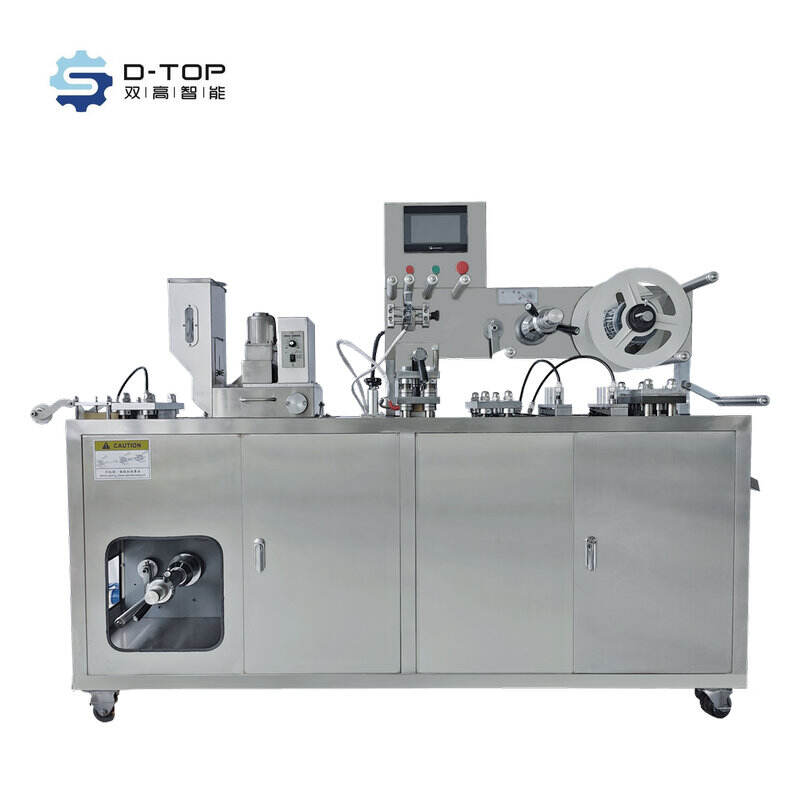
The pharmaceutical industry demands packaging solutions that protect product integrity while ensuring patient safety and regulatory compliance. Among the various packaging options available, blister pack technology has emerged as the gold standard for pharmaceutical products. This innovative packaging method combines protective barriers with user-friendly design, making it an essential component of modern drug distribution systems. The widespread adoption of blister pack solutions across global pharmaceutical markets demonstrates their effectiveness in maintaining product quality from manufacturing to patient consumption.
Understanding Blister Pack Technology
Basic Structure and Components
A blister pack consists of two primary components working in perfect harmony to create an effective pharmaceutical packaging system. The formed plastic cavity, typically made from thermoformed materials like PVC or PVDC, creates individual compartments for each dosage unit. The backing material, usually aluminum foil or specialized laminated films, provides the sealing layer that completes the protective barrier. This dual-layer construction ensures that each pharmaceutical unit remains isolated and protected throughout its shelf life.
The manufacturing process involves precise temperature and pressure controls to create uniform cavities that accommodate various tablet and capsule sizes. Modern blister pack production utilizes advanced forming techniques that ensure consistent wall thickness and cavity dimensions. The sealing process requires careful attention to temperature profiles and dwell times to achieve optimal bond strength between the forming material and backing layer. Quality control measures throughout production verify that each blister pack meets stringent pharmaceutical packaging standards.
Material Science Behind Protection
The selection of materials for blister pack construction plays a crucial role in pharmaceutical protection effectiveness. High-barrier films provide exceptional resistance to moisture vapor transmission, oxygen permeation, and light exposure. These protective properties help maintain drug stability by preventing environmental factors from degrading active pharmaceutical ingredients. Advanced polymer science has led to the development of specialized multilayer films that offer enhanced protection while maintaining cost-effectiveness.
Aluminum foil backing provides superior barrier properties against gases and moisture while offering excellent heat sealing characteristics. The thickness and alloy composition of aluminum backing materials are carefully selected based on the specific protection requirements of different pharmaceutical products. Modern blister pack materials also incorporate child-resistant features and tamper-evident properties that enhance patient safety and product security throughout the distribution chain.
Pharmaceutical Industry Benefits
Product Integrity and Stability
Pharmaceutical manufacturers rely on blister pack technology to maintain product integrity throughout extended storage periods and complex distribution networks. The hermetic sealing provided by properly formed blister packs prevents moisture ingress that could lead to drug degradation or chemical instability. Each individual cavity acts as a micro-environment that preserves the pharmaceutical product in optimal condition until the moment of consumption. This level of protection is particularly critical for moisture-sensitive formulations and hygroscopic compounds.
Temperature stability benefits from blister pack protection help maintain drug efficacy across various storage conditions and climate zones. The thermal barrier properties of modern blister pack materials reduce temperature fluctuation impacts on pharmaceutical products during transportation and storage. Quality assurance testing demonstrates that products packaged in properly designed blister systems maintain their potency and safety profile significantly longer than alternative packaging methods.
Regulatory Compliance Advantages
Global pharmaceutical regulations increasingly favor blister pack solutions due to their ability to meet stringent safety and traceability requirements. Individual unit packaging facilitates accurate inventory management and enables precise tracking of pharmaceutical products throughout the supply chain. Regulatory agencies recognize the contamination prevention benefits that blister pack technology provides, particularly in sterile manufacturing environments where product exposure must be minimized.
Documentation and validation requirements for pharmaceutical packaging are streamlined when utilizing established blister pack technologies. The standardized nature of blister pack systems simplifies regulatory submissions and accelerates approval processes for new pharmaceutical products. Compliance with international packaging standards becomes more achievable through the use of validated blister pack materials and manufacturing processes that have established regulatory precedent.
Patient Safety and Convenience Features
Dosage Accuracy and Medication Management
Patient medication adherence improves significantly when pharmaceutical products are packaged in clearly designed blister pack formats. Each individual cavity provides visual confirmation of proper dosing while preventing accidental double-dosing or missed medications. Healthcare providers recommend blister pack packaging for patients managing complex medication regimens because it simplifies daily medication routines and reduces administration errors.
Unit-dose packaging inherent in blister pack systems eliminates the need for patients to handle bulk quantities of pharmaceutical products. This approach reduces contamination risks and ensures that each dose maintains its intended potency until consumption. The individual packaging concept also facilitates medication compliance monitoring by caregivers and healthcare professionals who can easily verify patient adherence to prescribed treatment protocols.
Child Safety and Tamper Evidence
Modern blister pack designs incorporate sophisticated child-resistant features that prevent accidental ingestion while maintaining accessibility for adult patients. Push-through resistance levels are carefully calibrated to provide adequate protection without creating barriers for elderly patients or those with limited dexterity. The transparent nature of most blister pack materials allows caregivers to monitor medication supplies and identify tampering attempts.
Tamper-evident properties built into blister pack systems provide immediate visual indication of product integrity compromise. The irreversible nature of blister pack opening creates clear evidence if pharmaceutical products have been accessed improperly. This security feature builds consumer confidence while helping pharmacists and healthcare providers identify potentially compromised medications before dispensing to patients.
Manufacturing Efficiency and Cost Considerations
Production Speed and Automation
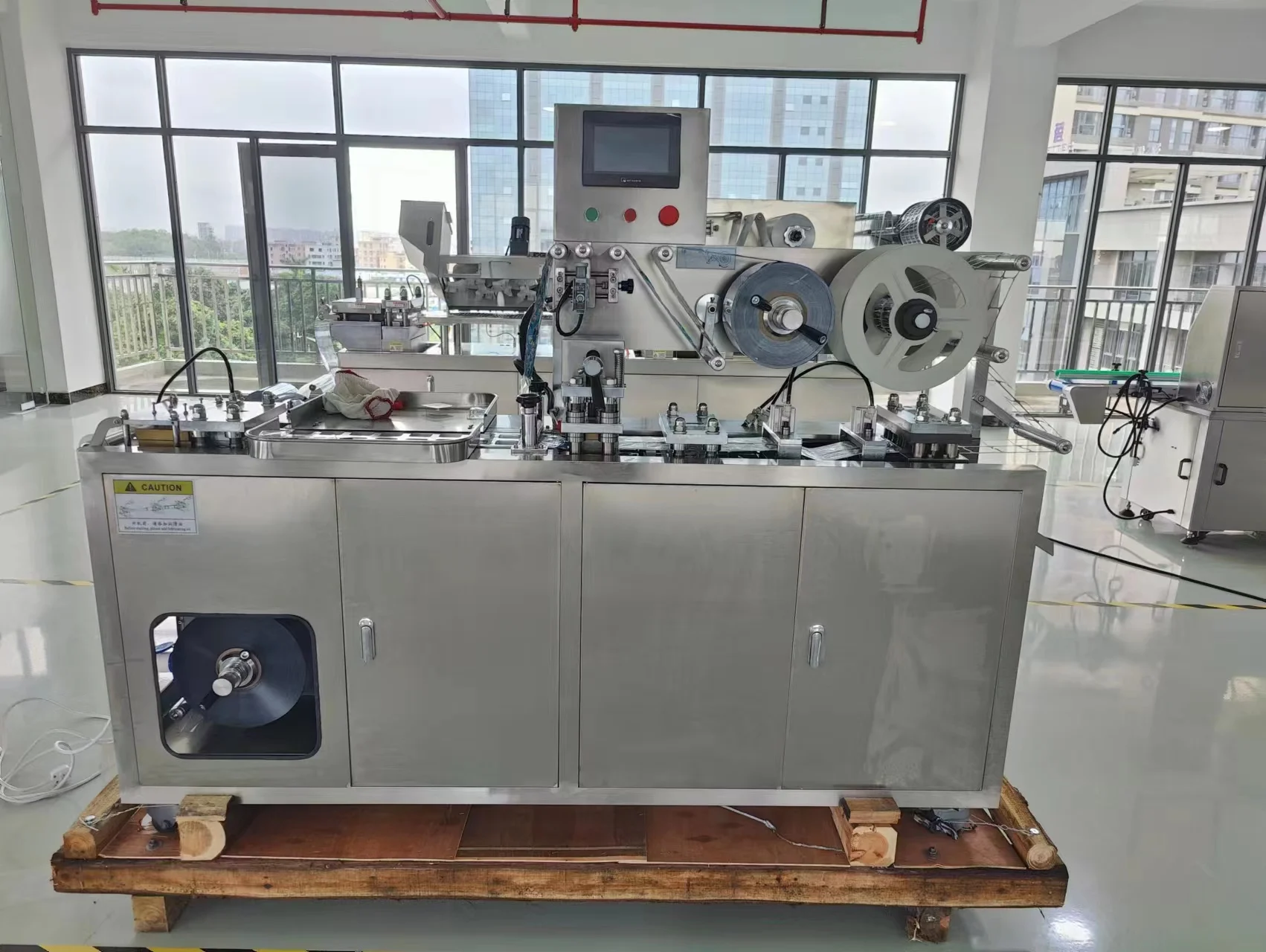
Pharmaceutical manufacturers benefit from the high-speed production capabilities that modern blister pack machinery provides. Automated forming, filling, and sealing processes achieve production rates that significantly exceed alternative packaging methods while maintaining consistent quality standards. The continuous operation capability of blister pack production lines maximizes manufacturing efficiency and reduces per-unit packaging costs for pharmaceutical companies.
Integration of quality control systems within blister pack production lines enables real-time monitoring of critical packaging parameters. Vision inspection systems verify proper tablet placement, seal integrity, and packaging appearance throughout the production process. This automated quality assurance approach reduces waste and ensures that only properly packaged pharmaceutical products reach distribution channels.
Supply Chain Optimization
The compact nature of blister pack packaging optimizes warehouse storage efficiency and reduces transportation costs for pharmaceutical distributors. Standardized blister pack dimensions facilitate automated handling systems and improve inventory management accuracy throughout the supply chain. Retailers appreciate the shelf-stable characteristics and attractive presentation that blister pack products provide in pharmacy environments.
International shipping benefits from the lightweight and durable characteristics of blister pack packaging systems. The reduced package weight compared to bottle packaging translates to lower freight costs and reduced environmental impact during global pharmaceutical distribution. Customs processing is simplified through the transparent nature of blister pack packaging that allows visual verification of contents without opening individual packages.
Environmental Impact and Sustainability
Material Efficiency and Waste Reduction
Environmental considerations drive continued innovation in blister pack materials and manufacturing processes. The precise material usage inherent in blister pack production minimizes packaging waste compared to oversized bottle containers or excessive protective packaging. Pharmaceutical companies increasingly recognize the sustainability benefits of right-sized packaging that blister pack technology naturally provides.
Recyclability initiatives focus on developing blister pack materials that can be processed through existing waste management infrastructure. Separation technologies enable recovery of aluminum components while polymer materials are directed toward appropriate recycling streams. The pharmaceutical industry collaborates with packaging suppliers to improve the environmental profile of blister pack systems through material selection and design optimization.
Carbon Footprint Considerations
Life cycle assessments demonstrate that blister pack packaging often provides environmental advantages through reduced transportation energy and extended product shelf life. The lightweight nature of blister pack materials reduces fuel consumption during distribution while the protective properties minimize product waste due to degradation. These environmental benefits align with pharmaceutical industry sustainability goals and corporate responsibility initiatives.
Energy efficiency improvements in blister pack manufacturing processes contribute to reduced carbon emissions throughout the packaging supply chain. Advanced heating systems and optimized forming processes reduce energy consumption while maintaining production quality standards. Pharmaceutical companies recognize these environmental benefits as important factors in packaging material selection decisions.
Future Innovations and Technology Trends
Smart Packaging Integration
Digital technology integration represents the next evolution in blister pack development for pharmaceutical applications. Smart sensors embedded within blister pack structures can monitor environmental conditions and provide real-time data about product integrity throughout the distribution chain. These technological advances enable pharmaceutical companies to implement predictive quality management systems that prevent product degradation before it occurs.
Near-field communication technology and QR codes incorporated into blister pack designs facilitate patient education and medication management applications. Smartphone connectivity enables patients to access dosing instructions, track medication adherence, and receive automated reminders for medication administration. This digital integration transforms traditional blister pack packaging into an interactive healthcare tool that supports improved patient outcomes.
Advanced Materials and Barrier Properties
Nanotechnology applications in blister pack materials promise enhanced barrier properties and extended shelf life for pharmaceutical products. Advanced polymer formulations provide superior protection against specific environmental threats while maintaining cost-effectiveness for large-scale pharmaceutical production. Research continues into bio-based materials that could provide sustainable alternatives to traditional petroleum-based packaging materials.
Customization capabilities enable pharmaceutical companies to specify barrier properties precisely matched to individual drug formulation requirements. This targeted approach optimizes protection while minimizing material usage and environmental impact. The development of specialized coatings and multilayer structures allows blister pack technology to accommodate increasingly complex pharmaceutical formulations and delivery systems.
FAQ
How does blister pack packaging compare to bottle packaging for pharmaceuticals
Blister pack packaging offers superior product protection through individual unit isolation, preventing cross-contamination and maintaining drug stability better than bulk bottle packaging. Each pharmaceutical unit remains in its own protected environment until consumption, eliminating exposure to air, moisture, and contaminants that can occur with bottle packaging after initial opening. Additionally, blister pack systems provide better dosage accuracy and patient compliance support compared to traditional bottle containers.
What types of pharmaceutical products are best suited for blister pack packaging
Blister pack packaging works exceptionally well for solid dosage forms including tablets, capsules, and softgels that require individual protection and accurate dosing. Moisture-sensitive formulations particularly benefit from the hermetic sealing properties that blister pack technology provides. Products requiring precise medication management, such as birth control pills or complex treatment regimens, also perform better in blister pack formats that support patient adherence and prevent medication errors.
Are blister pack materials safe for direct pharmaceutical contact
Yes, blister pack materials used in pharmaceutical applications undergo rigorous testing and certification to ensure safety for direct drug contact. Pharmaceutical-grade materials meet strict regulatory requirements for extractables and leachables testing, ensuring that no harmful substances migrate from packaging into pharmaceutical products. Quality standards established by regulatory agencies worldwide govern the selection and use of materials in pharmaceutical blister pack applications.
What is the typical shelf life extension provided by blister pack packaging
Blister pack packaging can extend pharmaceutical product shelf life by 12 to 24 months compared to alternative packaging methods, depending on the specific drug formulation and environmental protection requirements. The superior barrier properties of blister pack systems prevent degradation factors like moisture, oxygen, and light from affecting pharmaceutical products throughout extended storage periods. This shelf life extension provides significant economic benefits for pharmaceutical manufacturers and improves medication availability for patients in diverse market conditions.
Table of Contents
- Understanding Blister Pack Technology
- Pharmaceutical Industry Benefits
- Patient Safety and Convenience Features
- Manufacturing Efficiency and Cost Considerations
- Environmental Impact and Sustainability
- Future Innovations and Technology Trends
-
FAQ
- How does blister pack packaging compare to bottle packaging for pharmaceuticals
- What types of pharmaceutical products are best suited for blister pack packaging
- Are blister pack materials safe for direct pharmaceutical contact
- What is the typical shelf life extension provided by blister pack packaging