 EN
EN

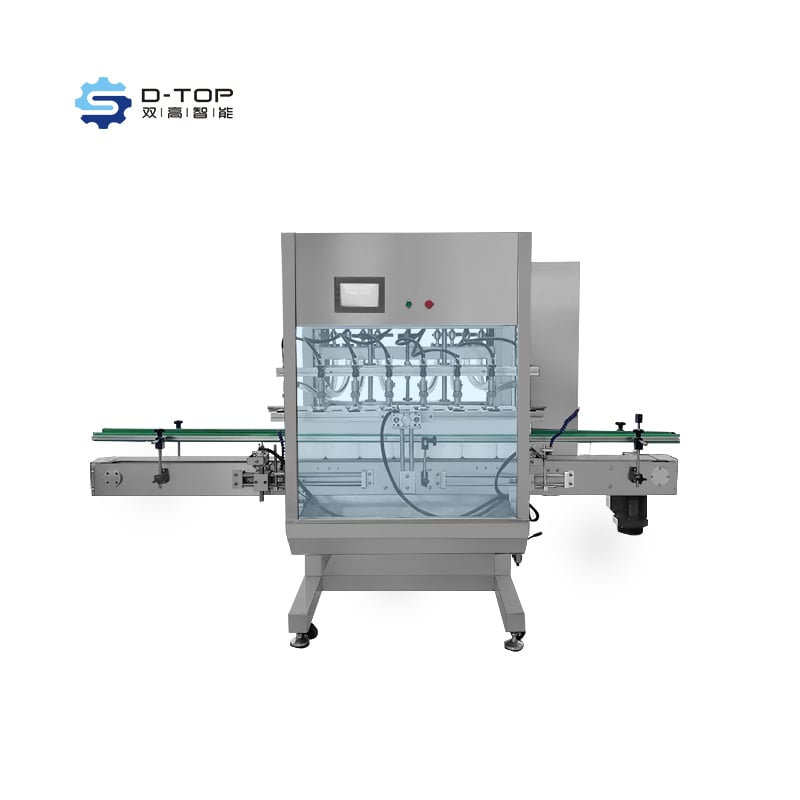
Selecting the right bottling line machine for your manufacturing operation requires careful consideration of numerous factors that directly impact production efficiency, product quality, and overall profitability. Modern industrial facilities depend heavily on automated bottling systems to meet growing consumer demand while maintaining consistent quality standards. The complexity of today's beverage and liquid product markets demands sophisticated equipment capable of handling diverse container types, fill volumes, and production speeds. Understanding the fundamental principles behind bottling line machine selection ensures manufacturers make informed decisions that align with their operational requirements and long-term business objectives.
Production Capacity and Throughput Requirements
Determining Optimal Production Speeds
Production capacity stands as the primary consideration when evaluating any bottling line machine configuration. Manufacturers must accurately assess their current production needs while accounting for anticipated growth over the equipment's operational lifespan. High-speed bottling systems capable of processing thousands of containers per hour serve large-scale operations, while smaller facilities may benefit from more flexible, moderate-speed solutions. The relationship between production speed and product quality requires careful balance, as excessive speed can compromise fill accuracy, cause liquid splashing, and affect container handling precision.
Peak production periods and seasonal demand fluctuations significantly influence capacity requirements for bottling line machine installations. Facilities experiencing dramatic seasonal variations may benefit from modular systems that allow capacity adjustments without complete equipment replacement. Additionally, the ability to handle multiple product runs within single shifts demands equipment versatility that maintains efficiency across different container sizes and liquid viscosities. Understanding these operational dynamics ensures the selected bottling line machine delivers consistent performance throughout varying production scenarios.
Scalability and Future Expansion Planning
Forward-thinking manufacturers prioritize scalability when investing in bottling line machine technology. Modular equipment designs facilitate incremental capacity increases without disrupting existing production workflows. This approach minimizes capital investment risks while providing flexibility to respond to market opportunities. Equipment suppliers offering expandable platforms enable manufacturers to add components such as additional filling nozzles, capping mechanisms, or labeling units as production demands evolve.
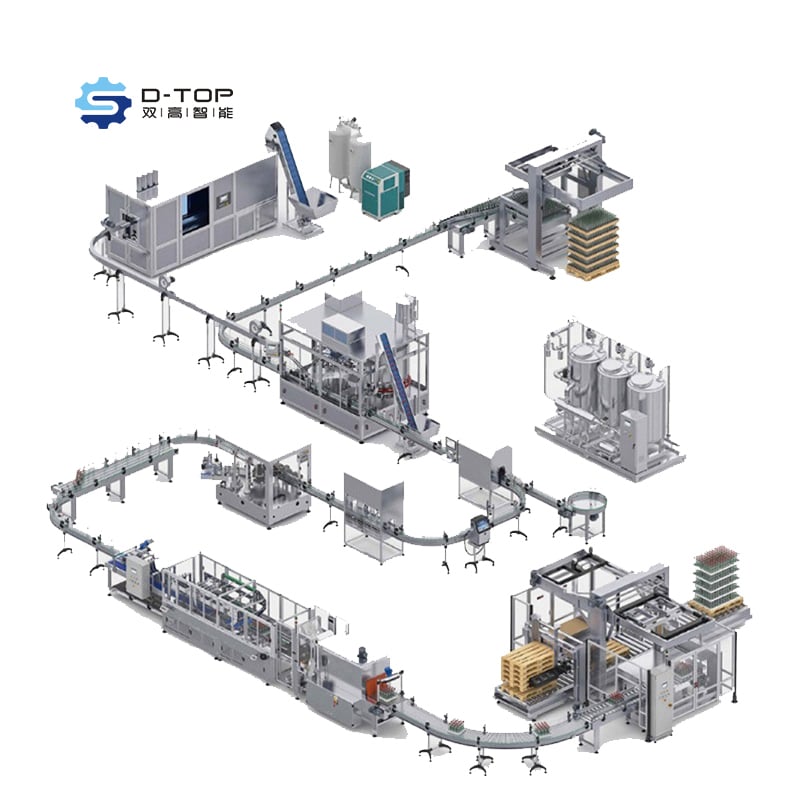
Integration capabilities with existing facility infrastructure play crucial roles in bottling line machine selection processes. Compatibility with current conveyor systems, quality control equipment, and packaging machinery ensures seamless implementation without extensive facility modifications. The ability to incorporate advanced automation technologies, including robotic handling systems and artificial intelligence monitoring, positions facilities for future technological adoption. These considerations prevent premature equipment obsolescence while maximizing return on investment throughout the equipment's operational lifecycle.
Product Compatibility and Versatility
Container Types and Material Considerations
Modern bottling line machine systems must accommodate diverse container materials ranging from traditional glass bottles to lightweight plastic containers and specialty packaging formats. Each material type presents unique handling challenges that influence equipment selection criteria. Glass containers require gentle handling mechanisms to prevent breakage, while plastic bottles demand precise grip control and neck-handling features to avoid deformation during pressurized filling. The bottling line machine configuration must address these material-specific requirements through appropriate conveyor designs, changeover capabilities, and handling mechanisms.
Container size variability within production facilities necessitates flexible bottling line machine designs capable of quick format changes. Advanced systems incorporate tool-free changeover mechanisms that minimize downtime between different product runs. Height adjustment capabilities, neck size compatibility, and volume range flexibility ensure single equipment installations can serve multiple product lines effectively. This versatility reduces capital equipment requirements while maximizing facility utilization across diverse product portfolios.
Liquid Product Characteristics
Product viscosity, temperature sensitivity, and chemical compatibility directly influence bottling line machine selection and configuration requirements. Thin liquids like water or juice require different filling technologies compared to viscous products such as syrups or oils. The bottling line machine must incorporate appropriate filling valve designs, whether gravity-fed, volumetric piston, flow meter, or vacuum-based systems, to ensure accurate volume delivery across varying product consistencies.
Foam-sensitive and carbonated products present additional challenges requiring specialized filling techniques to maintain product integrity and prevent overflow. Anti-foam filling systems, bottom-up filling mechanisms, isobaric (counter-pressure) filling, and controlled atmosphere environments may be necessary for specific applications. Sanitary construction, such as 316L stainless steel for product-contact parts, ensures chemical compatibility and hygiene. Temperature control capabilities within the bottling line machine ensure products maintain optimal characteristics throughout the filling process. These technical specifications must align with product requirements to prevent quality degradation and maintain consumer satisfaction standards.
Technology Integration and Automation Features
Control Systems and Human-Machine Interface
Advanced bottling line machine installations incorporate sophisticated control systems that provide real-time monitoring, process optimization, and predictive maintenance capabilities. Programmable logic controllers enable precise parameter adjustment for different product configurations while maintaining consistent quality standards. Touch-screen interfaces simplify operator interaction and reduce training requirements for production personnel. Data collection capabilities facilitate performance analysis and continuous improvement initiatives throughout manufacturing operations.
Integration with enterprise resource planning systems allows bottling line machine data to flow seamlessly into broader manufacturing management platforms. Production scheduling, inventory management, and quality assurance systems benefit from real-time equipment data that enhances decision-making capabilities. Remote monitoring capabilities enable technical support and preventive maintenance scheduling that minimizes unexpected downtime. These technological features transform traditional bottling operations into connected, intelligent manufacturing systems.
Quality Control and Inspection Systems
Integrated quality control systems within bottling line machine configurations ensure consistent product quality while minimizing waste and rework requirements. Vision inspection systems detect container defects, under-fill or over-fill levels, and cap placement irregularities in real-time. Automatic rejection mechanisms remove non-conforming products without disrupting production flow. In-line checkweighers or flow-meter diagnostics verify accurate fill volumes and identify potential equipment calibration issues before they impact large production quantities.
Statistical process control capabilities embedded within bottling line machine systems provide continuous quality monitoring and trend analysis. These features enable proactive adjustments to maintain product specifications within tight tolerances. Documentation systems automatically record quality data for regulatory compliance and customer audit requirements. The integration of quality control directly into the bottling line machine eliminates separate inspection stations while improving overall equipment effectiveness and product consistency.
Maintenance Requirements and Operational Efficiency
Preventive Maintenance Programs
Comprehensive maintenance strategies significantly impact bottling line machine operational efficiency and equipment longevity. For liquid applications, maintenance is closely tied to hygiene; thus, systems must support automated Clean-In-Place (CIP) and Sterilize-In-Place (SIP) cycles to prevent cross-contamination and bacterial growth. Modern systems incorporate diagnostic capabilities that monitor component wear patterns, such as valve seal degradation, and predict maintenance requirements before failures occur. Scheduled maintenance programs based on actual operating conditions rather than arbitrary time intervals optimize equipment availability while minimizing maintenance costs. Access design considerations ensure maintenance technicians can perform routine procedures quickly and safely without extensive equipment disassembly.
Component standardization across bottling line machine systems reduces spare parts inventory requirements and simplifies maintenance procedures. Modular component designs enable quick replacement of worn parts without affecting other system elements. Training programs provided by equipment manufacturers ensure facility maintenance personnel possess necessary skills to maintain optimal equipment performance. These maintenance considerations directly impact total cost of ownership and production reliability throughout the equipment's operational life.
Energy Efficiency and Environmental Impact
Energy and resource consumption represents a significant operational cost for bottling line machine installations, making efficiency optimization crucial for long-term profitability. Variable frequency drives, energy-efficient motors, and optimized mechanical designs reduce power consumption while maintaining production performance. Heat recovery systems capture and reuse thermal energy from hot-filling or cleaning and sterilization processes. LED lighting and efficient compressed air systems further contribute to overall energy reduction in modern bottling line machine configurations.
Environmental sustainability considerations increasingly influence bottling line machine selection criteria as manufacturers respond to regulatory requirements and consumer preferences. Water conservation features minimize cleaning solution consumption through optimized, recirculating CIP cycles and water-saving rinsing nozzles. Drip-free filling nozzles prevent product product waste and minimize environmental impact. These sustainability features often provide economic benefits through reduced utility costs and waste disposal expenses while supporting corporate environmental responsibility initiatives.
Cost Analysis and Return on Investment
Initial Capital Investment Considerations
Total capital requirements for bottling line machine installations extend beyond equipment purchase prices to include installation, commissioning, training, and initial spare parts inventory. Site preparation costs may involve facility modifications, drainage upgrades for washdowns, and safety system installations required for proper equipment operation. Installation complexity varies significantly based on equipment sophistication and facility conditions, influencing project timelines and associated costs. Comprehensive project planning ensures realistic budget allocation across all implementation phases.
Financing options and equipment leasing arrangements provide alternatives to direct purchase that may improve cash flow and reduce financial risk. Some bottling line machine suppliers offer performance-based contracts that align equipment payments with production output, reducing financial exposure during startup periods. Tax incentives for manufacturing equipment investments may offset initial costs while accelerating depreciation benefits. These financial considerations require careful evaluation alongside technical specifications to optimize overall investment returns.
Long-term Operational Economics
Operational cost analysis for bottling line machine systems must consider labor requirements, maintenance expenses, energy consumption, cleaning chemicals, and consumable material costs throughout the equipment's lifespan. Automation capabilities significantly reduce direct labor requirements while potentially increasing skilled maintenance labor needs. Efficiency improvements in liquid utilization, reduced product giveaway, and improved product quality contribute to ongoing cost reductions that enhance investment returns.
Productivity improvements achieved through bottling line machine automation often justify higher initial investments through increased throughput and reduced unit costs. Quality consistency improvements reduce customer complaints, returns, and brand damage costs that may not be immediately quantifiable but significantly impact long-term profitability. Market responsiveness enabled by flexible bottling line machine systems allows manufacturers to capitalize on emerging opportunities while maintaining competitive advantages in dynamic market conditions.
FAQ
What production capacity should I target for my bottling line machine
Production capacity requirements depend on current demand, anticipated growth, and operational flexibility needs. Calculate peak hourly requirements including seasonal variations and add 20-30% capacity buffer for growth and efficiency optimization. Consider multiple shift operations, CIP/SIP cleaning window downtime, and maintenance downtime when determining optimal bottling line machine throughput specifications.
How do I ensure my bottling line machine can handle different container types
Select bottling line machine systems with modular changeover capabilities, adjustable components, and specific handling parts (like starwheels or neck-grippers) for height, diameter, and neck size variations. Evaluate tool-free adjustment mechanisms and changeover time requirements to minimize production interruptions. Ensure conveyor systems and handling mechanisms accommodate your specific container material requirements and size ranges without crushing or scuffing.
What maintenance support should I expect from bottling line machine suppliers
Comprehensive maintenance support includes initial training, technical documentation, spare parts availability (especially high-wear fluid seals and O-rings), and remote diagnostic capabilities. Evaluate supplier service networks, response times, and preventive maintenance programs. Consider maintenance contracts that provide predictable costs and guaranteed equipment availability throughout the operational lifecycle.
How can I maximize energy efficiency in my bottling line machine operation
Implement variable frequency drives, energy-efficient motors, and optimized control systems to reduce power consumption. Use drip-free filling nozzles to eliminate product waste, and adopt recirculating Clean-In-Place (CIP) systems to minimize water and chemical consumption. Regular maintenance and calibration ensure optimal performance while monitoring systems identify efficiency improvement opportunities throughout bottling line machine operations.
Table of Contents
- Production Capacity and Throughput Requirements
- Product Compatibility and Versatility
- Technology Integration and Automation Features
- Maintenance Requirements and Operational Efficiency
- Cost Analysis and Return on Investment
-
FAQ
- What production capacity should I target for my bottling line machine
- How do I ensure my bottling line machine can handle different container types
- What maintenance support should I expect from bottling line machine suppliers
- How can I maximize energy efficiency in my bottling line machine operation