 EN
EN

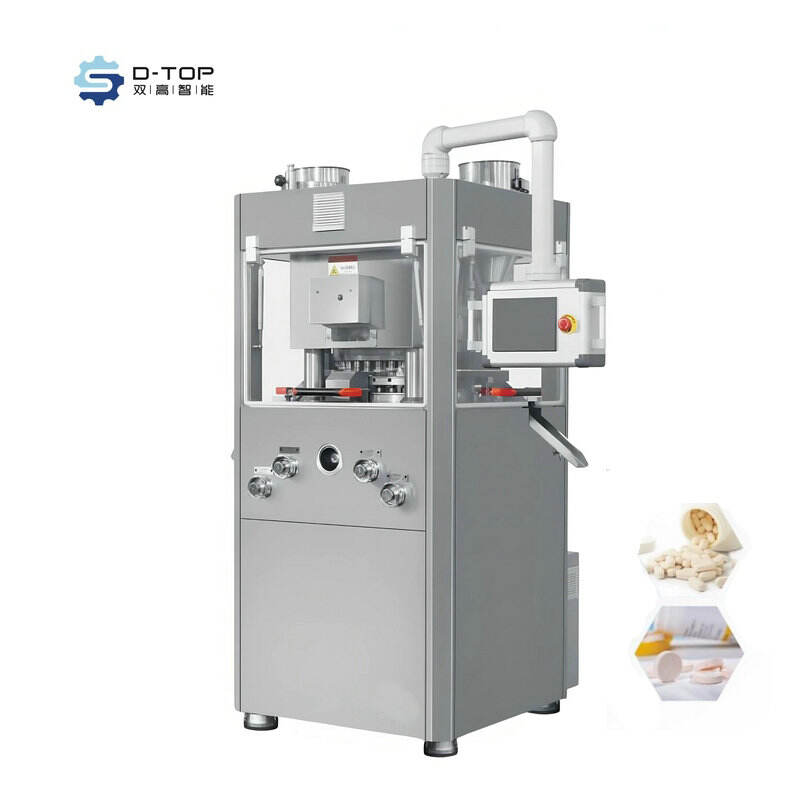
Modern pharmaceutical manufacturing demands precision, reliability, and efficiency in every production step. Among the critical equipment that determines the success of tablet production, the tablet press machine stands as the cornerstone of pharmaceutical operations. Understanding what makes these machines high-performance is essential for manufacturers seeking to optimize their production capabilities while maintaining stringent quality standards.
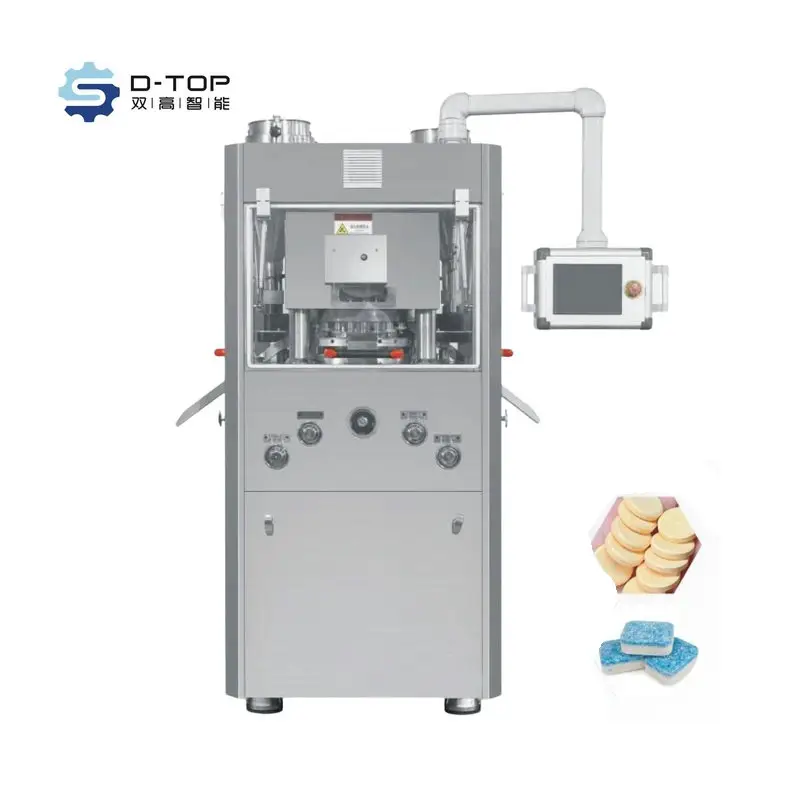
High-performance tablet pressing equipment combines advanced engineering principles with cutting-edge technology to deliver consistent results across diverse pharmaceutical formulations. The characteristics that define superior tablet press machines extend beyond basic compression capabilities, encompassing precision control systems, robust mechanical design, and intelligent monitoring features that ensure optimal production outcomes.
The pharmaceutical industry's evolving requirements for faster production cycles, enhanced quality control, and regulatory compliance have driven significant innovations in tablet pressing technology. Manufacturers must evaluate multiple performance factors when selecting equipment that will meet both current production needs and future scalability requirements.
Advanced Compression Technology
Multi-Station Compression Systems
High-performance tablet press machines utilize sophisticated multi-station compression systems that enable simultaneous processing of multiple tablets. These systems feature precisely engineered punch and die configurations that ensure uniform compression force distribution across all stations. The synchronized operation of multiple compression points significantly increases production throughput while maintaining consistent tablet quality characteristics.
The mechanical precision required for multi-station operations demands exceptional manufacturing tolerances and robust construction materials. Advanced tablet press machines incorporate hardened steel components and precision-machined surfaces that withstand the repetitive stresses of high-volume production. This durability translates to extended operational lifespan and reduced maintenance requirements.
Modern compression systems also feature adjustable compression profiles that accommodate various pharmaceutical formulations. The ability to modify compression parameters such as dwell time, compression force, and ejection timing allows manufacturers to optimize tablet characteristics for different active pharmaceutical ingredients and excipient combinations.
Pressure Control Mechanisms
Precise pressure control represents a fundamental aspect of high-performance tablet pressing. Advanced machines employ sophisticated hydraulic or pneumatic systems that maintain consistent compression forces throughout production runs. These control mechanisms utilize real-time feedback systems that monitor and adjust compression parameters to compensate for material variations and environmental factors.
The implementation of servo-controlled compression systems enables manufacturers to achieve unprecedented precision in tablet weight uniformity and hardness consistency. These systems can detect minute variations in powder flow or density and automatically adjust compression parameters to maintain optimal tablet characteristics. Such precision is particularly crucial for pharmaceutical applications where dosage accuracy directly impacts therapeutic efficacy.
Modern pressure control systems also incorporate safety features that prevent over-compression and potential equipment damage. Automatic overload protection mechanisms halt operations when compression forces exceed predetermined limits, protecting both the equipment and ensuring consistent product quality.
Intelligent Control Systems
Automated Process Monitoring
Contemporary tablet press machine designs integrate comprehensive automated monitoring systems that track critical process parameters in real-time. These intelligent systems continuously monitor variables such as compression force, tablet weight, thickness, hardness, and production speed. The data collected enables operators to identify trends, detect anomalies, and implement corrective actions before quality issues arise.
Advanced monitoring systems utilize sophisticated sensors and data acquisition technology to provide detailed insights into machine performance and product quality. These systems can generate comprehensive production reports that document every aspect of the manufacturing process, supporting regulatory compliance requirements and quality assurance protocols.
The integration of artificial intelligence and machine learning algorithms in modern control systems enables predictive maintenance capabilities. These systems can analyze operational data patterns to predict potential equipment failures or maintenance needs, allowing manufacturers to schedule maintenance activities proactively and minimize unplanned downtime.
User Interface and Connectivity
High-performance tablet press machines feature intuitive human-machine interfaces that simplify operation and reduce the learning curve for operators. Modern touchscreen interfaces provide clear visualization of process parameters, alarm conditions, and production statistics. These interfaces enable operators to quickly adjust settings, monitor performance, and respond to operational requirements.
Advanced connectivity features allow tablet press machines to integrate seamlessly with manufacturing execution systems and enterprise resource planning platforms. This connectivity enables real-time data sharing, remote monitoring capabilities, and centralized production management. Manufacturers can track production metrics across multiple machines and production lines from a single control center.
The implementation of Industry 4.0 principles in tablet press machine design includes support for cloud-based data analytics and remote diagnostic capabilities. These features enable equipment manufacturers to provide proactive technical support and optimization recommendations based on actual operational data.
Material Handling and Feed Systems
Powder Flow Optimization
Consistent powder flow represents a critical factor in achieving uniform tablet characteristics. High-performance tablet press machines incorporate advanced feed systems that ensure reliable material delivery to compression stations. These systems feature anti-segregation designs that maintain powder blend homogeneity throughout the production process.
Sophisticated feed frame designs utilize controlled agitation mechanisms that promote uniform powder distribution without causing material degradation. The precise control of powder flow rates ensures consistent die filling and tablet weight uniformity. Advanced feed systems can accommodate various powder characteristics, from free-flowing materials to cohesive formulations that require special handling techniques.
Modern tablet press machines also incorporate dust containment systems that maintain clean production environments while preventing material loss. These systems utilize negative pressure containment and specialized filtration to capture airborne particles during compression operations.
Die Filling Accuracy
Precise die filling mechanisms ensure consistent tablet weight and content uniformity across production batches. High-performance machines employ sophisticated fill weight adjustment systems that can be fine-tuned for different formulations and tablet specifications. These systems utilize precision dosing mechanisms that compensate for variations in powder bulk density and flow characteristics.
Advanced die filling systems incorporate multiple filling stages that improve powder distribution and eliminate voids within the die cavity. The implementation of controlled compression pre-compression sequences further enhances tablet density uniformity and reduces the risk of lamination or capping defects.
Modern tablet press machines feature automated die filling verification systems that monitor fill levels and detect under-filled or over-filled dies. These systems can automatically reject defective tablets and adjust filling parameters to maintain consistent product quality.
Quality Assurance Features
In-Process Testing Capabilities
High-performance tablet press machines integrate comprehensive in-process testing capabilities that monitor tablet quality characteristics during production. These systems can measure tablet weight, thickness, hardness, and diameter in real-time, providing immediate feedback on product quality. The integration of automated testing eliminates the need for extensive offline quality control testing and enables rapid response to quality deviations.
Advanced testing systems utilize non-destructive measurement techniques that preserve tablet integrity while providing accurate quality data. These systems can detect subtle variations in tablet characteristics that might indicate formulation or process issues, enabling operators to implement corrective actions before significant quality problems develop.
Modern in-process testing capabilities include statistical process control features that automatically calculate control limits and identify trends in quality parameters. These systems can generate alerts when process parameters approach control limits, enabling proactive quality management.
Automatic Rejection Systems
Sophisticated automatic rejection systems represent essential components of high-performance tablet press machines. These systems continuously monitor tablet quality parameters and automatically remove tablets that fail to meet predetermined specifications. The implementation of multiple rejection criteria ensures that only tablets meeting all quality requirements proceed to packaging operations.
Advanced rejection systems utilize precision pneumatic or mechanical devices that remove defective tablets without disrupting production flow. These systems can handle high-speed operations while maintaining accurate rejection performance. The integration of vision systems enables detection of visual defects such as chipping, cracking, or color variations.
Modern rejection systems also provide detailed documentation of rejected tablets, including rejection reasons and timing information. This data supports quality investigations and process improvement initiatives by identifying patterns in tablet defects and their root causes.
Maintenance and Durability Considerations
Component Accessibility
High-performance tablet press machines feature design elements that facilitate routine maintenance and component replacement. Strategic component placement and removable panels enable maintenance personnel to access critical areas quickly and safely. This accessibility reduces maintenance time and minimizes production downtime associated with routine servicing.
Modern machine designs incorporate quick-change tooling systems that enable rapid changeover between different tablet configurations. These systems utilize precision alignment mechanisms and secure locking features that ensure consistent setup accuracy while minimizing changeover time.
Advanced tablet press machines also feature centralized lubrication systems that simplify routine maintenance procedures. Automated lubrication cycles ensure consistent component protection while reducing the manual effort required for maintenance activities.
Wear-Resistant Construction
The construction materials and surface treatments utilized in high-performance tablet press machines directly impact operational longevity and maintenance requirements. Advanced machines incorporate hardened steel components and specialized coatings that resist wear from abrasive pharmaceutical powders. These materials maintain dimensional accuracy throughout extended production campaigns.
Critical wear components such as punches, dies, and feed mechanisms utilize premium materials and surface treatments that extend operational life. The implementation of replaceable wear plates and liners in high-wear areas enables cost-effective maintenance while preserving the integrity of major machine components.
Modern tablet press machines also feature corrosion-resistant materials and finishes that withstand cleaning chemicals and humid production environments. These materials maintain surface integrity and prevent contamination risks associated with material degradation.
Performance Optimization Strategies
Speed and Throughput Enhancement
High-performance tablet press machines achieve superior throughput rates through optimized mechanical designs and advanced control systems. These machines utilize high-speed rotary mechanisms that enable rapid compression cycles while maintaining precise control over tablet characteristics. The implementation of variable speed drives allows operators to optimize production rates for different formulations and quality requirements.
Advanced machines incorporate sophisticated timing systems that coordinate all aspects of the compression process to maximize efficiency. These systems optimize dwell times, compression sequences, and material flow rates to achieve the highest possible production speeds while maintaining quality standards.
Modern tablet press machines also feature predictive optimization algorithms that automatically adjust operating parameters to maintain optimal performance as conditions change. These systems can compensate for material variations, environmental factors, and normal wear patterns to sustain peak productivity.
Energy Efficiency Features
Contemporary tablet press machine designs emphasize energy efficiency through advanced motor control systems and optimized mechanical configurations. Variable frequency drives enable precise control over motor speeds, reducing energy consumption during periods of reduced demand. These systems can significantly reduce operational costs while maintaining production capabilities.
High-performance machines also incorporate regenerative braking systems that capture and reuse energy during deceleration cycles. This technology reduces overall energy consumption and heat generation, contributing to more stable operating temperatures and improved component longevity.
Modern energy management systems provide detailed monitoring of power consumption patterns, enabling manufacturers to identify optimization opportunities and track energy efficiency improvements over time.
FAQ
What factors determine the compression force requirements for different pharmaceutical formulations
Compression force requirements depend on the physical and chemical properties of the pharmaceutical formulation, including particle size distribution, moisture content, and binding characteristics. Different active pharmaceutical ingredients and excipient combinations require specific compression profiles to achieve optimal tablet hardness, disintegration time, and dissolution characteristics. High-performance tablet press machines provide adjustable compression force settings that can be optimized for each formulation through systematic testing and validation procedures.
How do modern tablet press machines ensure consistent tablet weight uniformity
Modern tablet press machines achieve consistent tablet weight uniformity through precise die filling control systems, advanced powder flow management, and real-time weight monitoring capabilities. These systems utilize sophisticated feed mechanisms that ensure uniform powder distribution, automated fill weight adjustment systems that compensate for material variations, and in-process weight monitoring that detects and corrects deviations immediately. The integration of statistical process control features enables continuous optimization of weight uniformity parameters.
What maintenance procedures are essential for maintaining optimal tablet press machine performance
Essential maintenance procedures include regular inspection and replacement of wear components such as punches and dies, systematic cleaning and lubrication of mechanical systems, calibration of control systems and sensors, and preventive replacement of seals and gaskets. High-performance machines feature maintenance schedules based on operational hours and production volumes, with automated reminder systems that alert operators to upcoming maintenance requirements. Proper maintenance procedures ensure consistent product quality and extend equipment operational life.
How do quality assurance features in tablet press machines support regulatory compliance
Quality assurance features support regulatory compliance through comprehensive documentation systems that record all critical process parameters, automated quality testing that ensures consistent product characteristics, and traceability systems that link product quality data to specific production batches. Modern machines generate detailed production records that satisfy regulatory requirements for pharmaceutical manufacturing, including batch records, quality test results, and equipment performance data. These features enable manufacturers to demonstrate compliance with current good manufacturing practices and support regulatory inspections.
Table of Contents
- Advanced Compression Technology
- Intelligent Control Systems
- Material Handling and Feed Systems
- Quality Assurance Features
- Maintenance and Durability Considerations
- Performance Optimization Strategies
-
FAQ
- What factors determine the compression force requirements for different pharmaceutical formulations
- How do modern tablet press machines ensure consistent tablet weight uniformity
- What maintenance procedures are essential for maintaining optimal tablet press machine performance
- How do quality assurance features in tablet press machines support regulatory compliance