 EN
EN

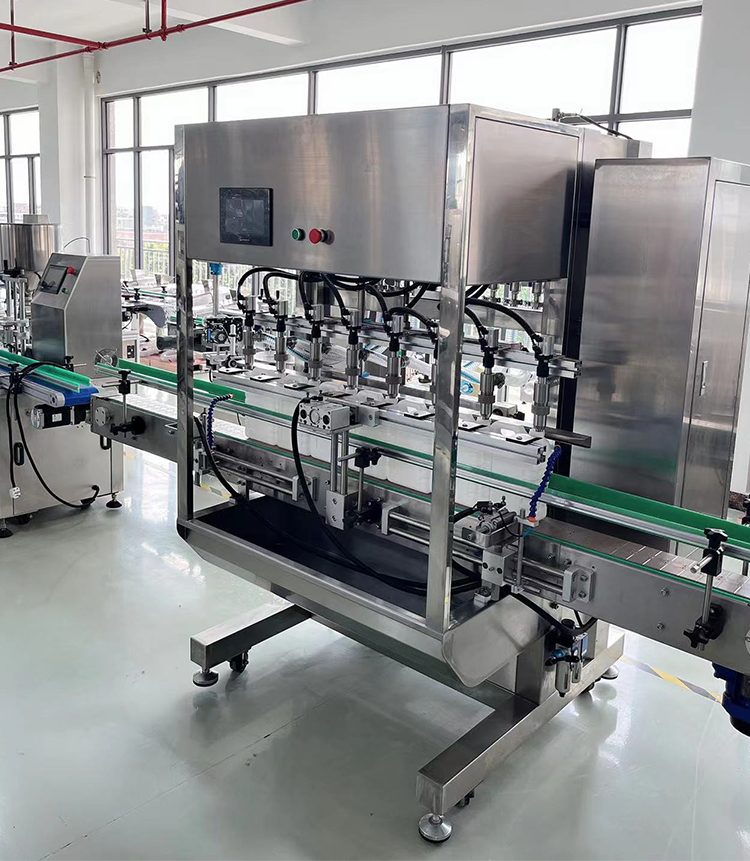
Manufacturing operations in today's competitive landscape demand precision, efficiency, and reliability when selecting equipment for production lines. Choosing the appropriate liquid filling machine represents a critical decision that can significantly impact your operational efficiency, product quality, and overall profitability. Understanding the various factors involved in this selection process ensures that your investment aligns with both current needs and future growth objectives.
Understanding Liquid Filling Machine Types and Technologies
Volumetric Filling Systems
Volumetric liquid filling machine systems operate on the principle of measuring precise volumes of liquid product for each container. These machines utilize various mechanisms including piston fillers, gear pumps, and rotary valve systems to ensure accurate dispensing. The precision of volumetric systems makes them ideal for high-value products where exact measurements are crucial for cost control and regulatory compliance.
Industries manufacturing pharmaceuticals, cosmetics, and specialty chemicals often prefer volumetric filling technology due to its exceptional accuracy and repeatability. The ability to maintain consistent fill volumes regardless of liquid viscosity variations provides manufacturers with reliable production outcomes and reduced product waste.
Gravimetric Filling Technology
Gravimetric liquid filling machine options utilize weight-based measurement systems to ensure precise filling operations. These systems incorporate load cells and sophisticated control algorithms to monitor the weight of each container during the filling process. This technology excels in applications where product density may vary or when filling by weight provides better accuracy than volume-based methods.
The advantages of gravimetric systems become particularly evident when handling products with varying temperatures or when filling containers of different sizes within the same production run. Modern gravimetric liquid filling machine designs offer exceptional flexibility and can accommodate a wide range of product specifications without requiring extensive changeover procedures.
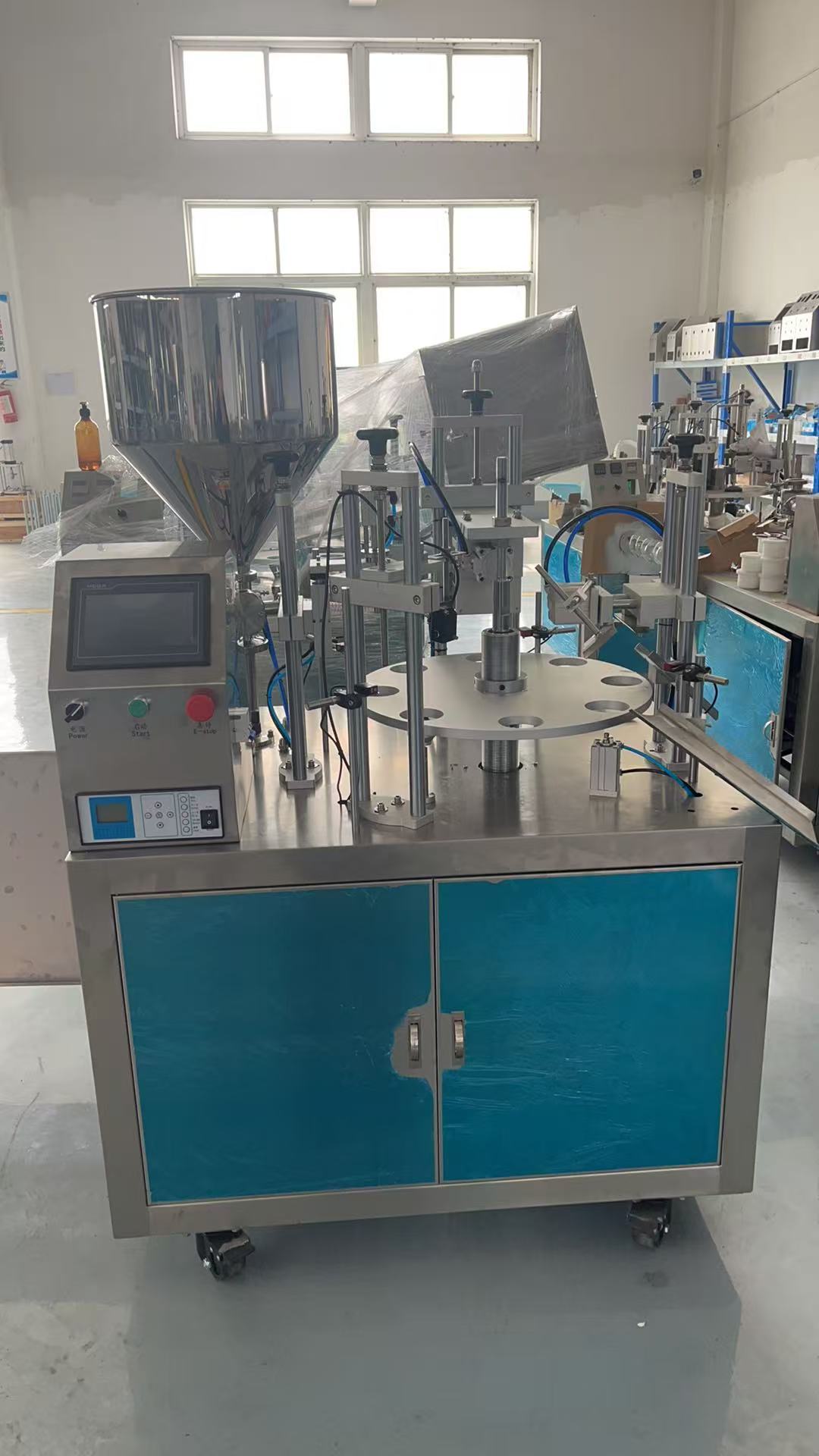
Production Capacity and Speed Considerations
Matching Output Requirements
Determining the appropriate production capacity for your liquid filling machine requires careful analysis of current demand patterns and projected growth scenarios. Calculate your required bottles per minute or containers per hour based on peak production periods rather than average throughput to ensure adequate capacity during high-demand situations.
Consider factors such as product changeovers, cleaning cycles, and maintenance downtime when establishing capacity requirements. A liquid filling machine that appears adequate based solely on theoretical speed may prove insufficient when real-world operational constraints are factored into the equation.
Scalability and Future Growth
Smart manufacturers evaluate liquid filling machine options with an eye toward future expansion and product line diversification. Modular systems that allow for additional filling heads or upgraded control systems provide excellent long-term value by accommodating growth without requiring complete equipment replacement.
Assess whether your chosen liquid filling machine can handle increased production volumes through simple modifications or additions. This forward-thinking approach prevents the need for premature equipment replacement and maximizes return on investment over the machine's operational lifetime.
Product Characteristics and Compatibility Factors
Viscosity and Flow Properties
The viscosity characteristics of your liquid products significantly influence the type of liquid filling machine technology most suitable for your application. Thin liquids such as water-based solutions require different handling approaches compared to thick creams, gels, or paste-like substances that demand specialized pumping systems.
Temperature-sensitive products may experience viscosity changes during the filling process, requiring liquid filling machine designs that can accommodate these variations while maintaining filling accuracy. Understanding these product behaviors ensures optimal machine performance and consistent output quality.
Chemical Compatibility and Corrosion Resistance
Material compatibility between your liquid products and the liquid filling machine components represents a critical safety and longevity consideration. Aggressive chemicals, acidic formulations, or products containing abrasive particles require specialized materials such as stainless steel grades, PTFE seals, or ceramic components.
Evaluate the cleaning and sanitization requirements for your products when selecting liquid filling machine materials. Food-grade applications demand compliance with FDA regulations, while pharmaceutical products may require additional certifications and validation protocols for equipment materials and surface finishes.
Container Specifications and Handling Requirements
Size Range and Format Flexibility
Modern production environments often require the ability to fill multiple container sizes and formats using the same equipment. Evaluate whether your selected liquid filling machine can accommodate your current container specifications while providing flexibility for future product introductions or packaging changes.
Consider factors such as container material compatibility, neck size variations, and height adjustments when assessing machine capabilities. An liquid filling machine with extensive format flexibility reduces the need for multiple specialized machines and simplifies production scheduling.
Positioning and Orientation Systems
Accurate container positioning ensures consistent filling performance and prevents spillage or contamination issues. Advanced liquid filling machine designs incorporate servo-driven positioning systems that can accommodate containers with varying dimensions without manual adjustments.
Consider whether your application requires special container handling features such as anti-static systems for plastic containers or gentle handling mechanisms for fragile glass packaging. These specialized features can significantly impact the overall success of your filling operation.
Automation Level and Integration Capabilities
Manual vs Semi-Automatic vs Fully Automatic
The appropriate automation level for your liquid filling machine depends on production volumes, labor costs, and quality consistency requirements. Manual systems offer lower initial investment costs but require skilled operators and may limit production capacity compared to automated alternatives.
Semi-automatic liquid filling machine options provide an excellent middle ground for medium-volume operations, combining operator control with automated filling cycles. Fully automatic systems maximize throughput and consistency while minimizing labor requirements, making them ideal for high-volume production environments.
Integration with Existing Equipment
Seamless integration with upstream and downstream equipment enhances overall production line efficiency and reduces handling costs. Evaluate how your chosen liquid filling machine interfaces with conveyors, capping systems, labeling equipment, and quality inspection devices.
Modern liquid filling machine designs often incorporate advanced communication protocols that enable real-time data exchange with plant management systems. This connectivity facilitates production monitoring, preventive maintenance scheduling, and quality tracking throughout the manufacturing process.
Maintenance Requirements and Service Considerations
Preventive Maintenance Programs
Establishing comprehensive maintenance protocols ensures optimal liquid filling machine performance and extends equipment lifespan. Evaluate the accessibility of critical components, availability of replacement parts, and complexity of routine maintenance procedures when selecting equipment.
Consider the training requirements for your maintenance staff and the availability of technical support from the equipment manufacturer. A liquid filling machine with straightforward maintenance procedures and readily available parts reduces operational disruptions and long-term ownership costs.
Cleaning and Sanitization Protocols
Efficient cleaning procedures are essential for maintaining product quality and meeting regulatory requirements in many industries. Evaluate the cleaning-in-place capabilities of different liquid filling machine designs and their compatibility with your standard sanitization protocols.
Systems designed with sanitary principles minimize cleaning time and reduce the risk of cross-contamination between product changeovers. This consideration becomes particularly important in industries with strict hygiene requirements or when processing multiple product formulations on the same equipment.
FAQ
What factors determine the ideal liquid filling machine speed for my production needs
The optimal speed depends on your required daily production volume, available operating hours, and product changeover frequency. Calculate your needs based on peak demand periods and include time for cleaning, maintenance, and quality checks. Consider that higher speeds may require more sophisticated control systems and potentially impact filling accuracy for certain product types.
How do I ensure my liquid filling machine meets regulatory compliance requirements
Regulatory compliance varies by industry and geographic location. Food and beverage applications typically require FDA-approved materials and sanitary design principles, while pharmaceutical applications may need additional validation documentation. Work with equipment manufacturers who understand your industry's specific requirements and can provide necessary certifications and documentation packages.
What are the key differences between pneumatic and electric liquid filling machine systems
Pneumatic systems offer simple, reliable operation with lower initial costs but may have limited speed and precision capabilities. Electric servo-driven systems provide superior accuracy, faster speeds, and better repeatability but require higher initial investment. Electric systems also offer better integration capabilities with modern control systems and provide more detailed operational feedback for process optimization.
How important is changeover time when selecting a liquid filling machine
Changeover efficiency becomes critical in multi-product facilities or operations with frequent format changes. Quick-change systems can reduce downtime from hours to minutes, significantly improving overall equipment effectiveness. Consider toolless adjustments, memory-stored recipes, and automated size change features when evaluating different liquid filling machine options for flexible production environments.
Table of Contents
- Understanding Liquid Filling Machine Types and Technologies
- Production Capacity and Speed Considerations
- Product Characteristics and Compatibility Factors
- Container Specifications and Handling Requirements
- Automation Level and Integration Capabilities
- Maintenance Requirements and Service Considerations
-
FAQ
- What factors determine the ideal liquid filling machine speed for my production needs
- How do I ensure my liquid filling machine meets regulatory compliance requirements
- What are the key differences between pneumatic and electric liquid filling machine systems
- How important is changeover time when selecting a liquid filling machine